







Apple is set to redefine its presence in the domestic technology sector on October 13, as the company prepares to host a highly anticipated event dubbed "Welcome Home." According to reports from Bloomberg’s Mark Gurman, the centerpiece of this presentation will be the introduction of "HomeView," a dedicated smart home hub designed to consolidate Apple’s fragmented smart home offerings into a single, cohesive interface. This announcement marks a strategic pivot for the Cupertino-based giant, signaling an intent to challenge established market leaders like Amazon and Google in the competitive smart home ecosystem.
The HomeView is expected to operate as a central command center for the modern connected household. By leveraging Apple’s proprietary silicon and the next generation of its operating system, the device aims to move beyond the limitations of current smart speakers and voice-only interfaces. The strategic decision to introduce a new brand—HomeView—alongside the established HomePod line suggests that Apple intends to bifurcate its audio-centric products from its display-centric home management solutions.
Design Evolution and Hardware Specifications
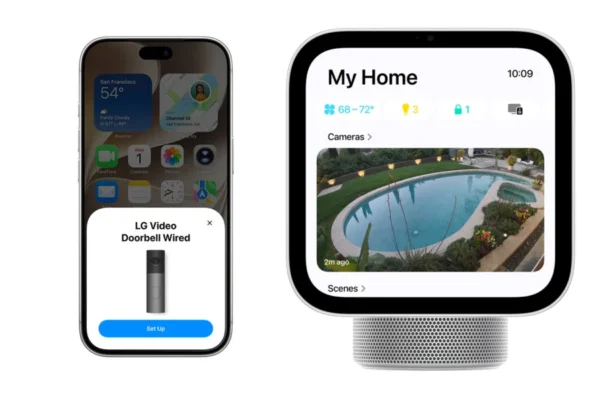
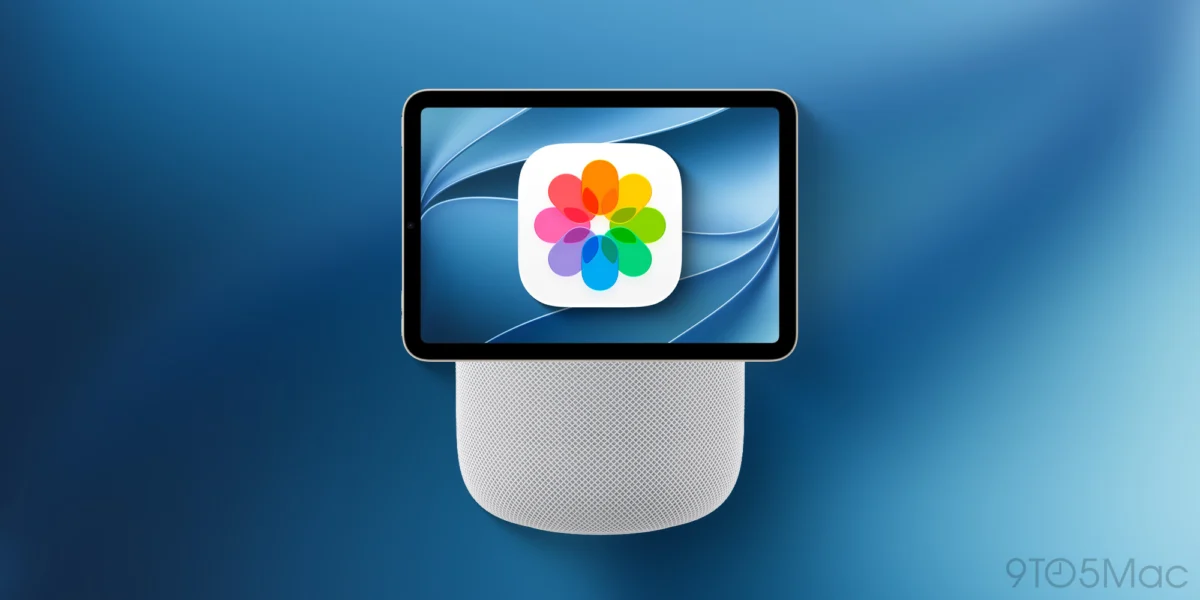
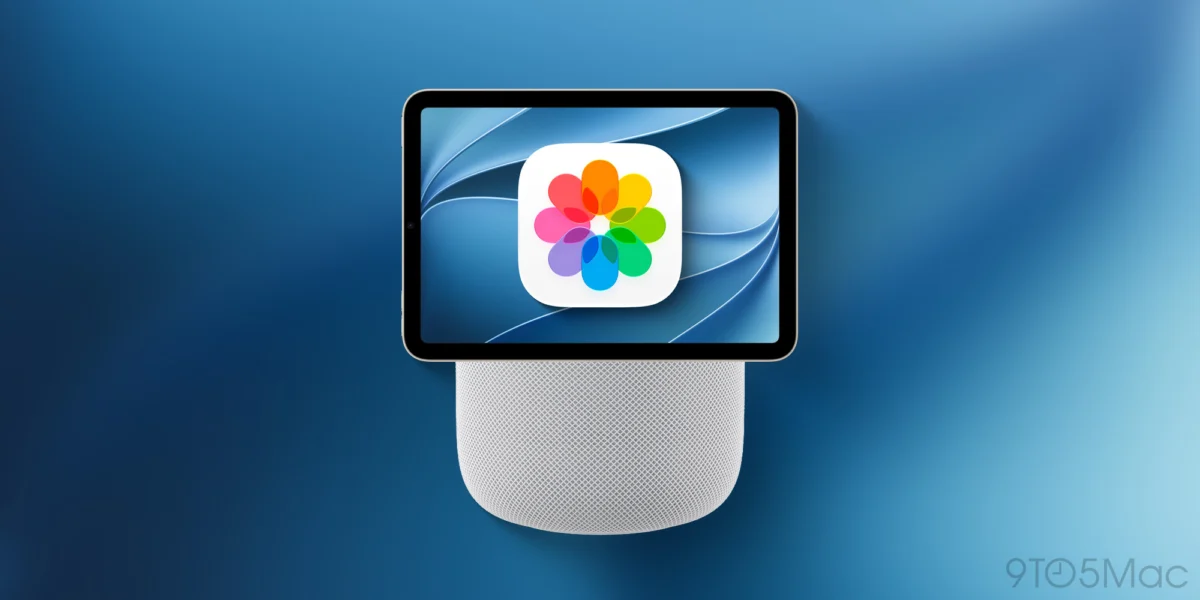
The industrial design of the HomeView is reportedly inspired by the iconic iMac G4, featuring a distinct, floating display mounted atop a robust speaker base. This aesthetic choice represents a departure from the monolithic designs currently dominating the smart home market. By elevating the screen, Apple appears to be optimizing the device for room-wide visibility, allowing users to interact with interfaces from a distance.
Under the hood, the device is slated to be powered by the A18 chip. The inclusion of this high-performance processor is a critical detail, as it suggests that the HomeView will be capable of handling significant on-device machine learning tasks. With Siri AI acting as the primary engine for the user experience, the A18’s neural engine will likely process voice commands and visual data locally, enhancing both speed and user privacy—a cornerstone of Apple’s marketing strategy.
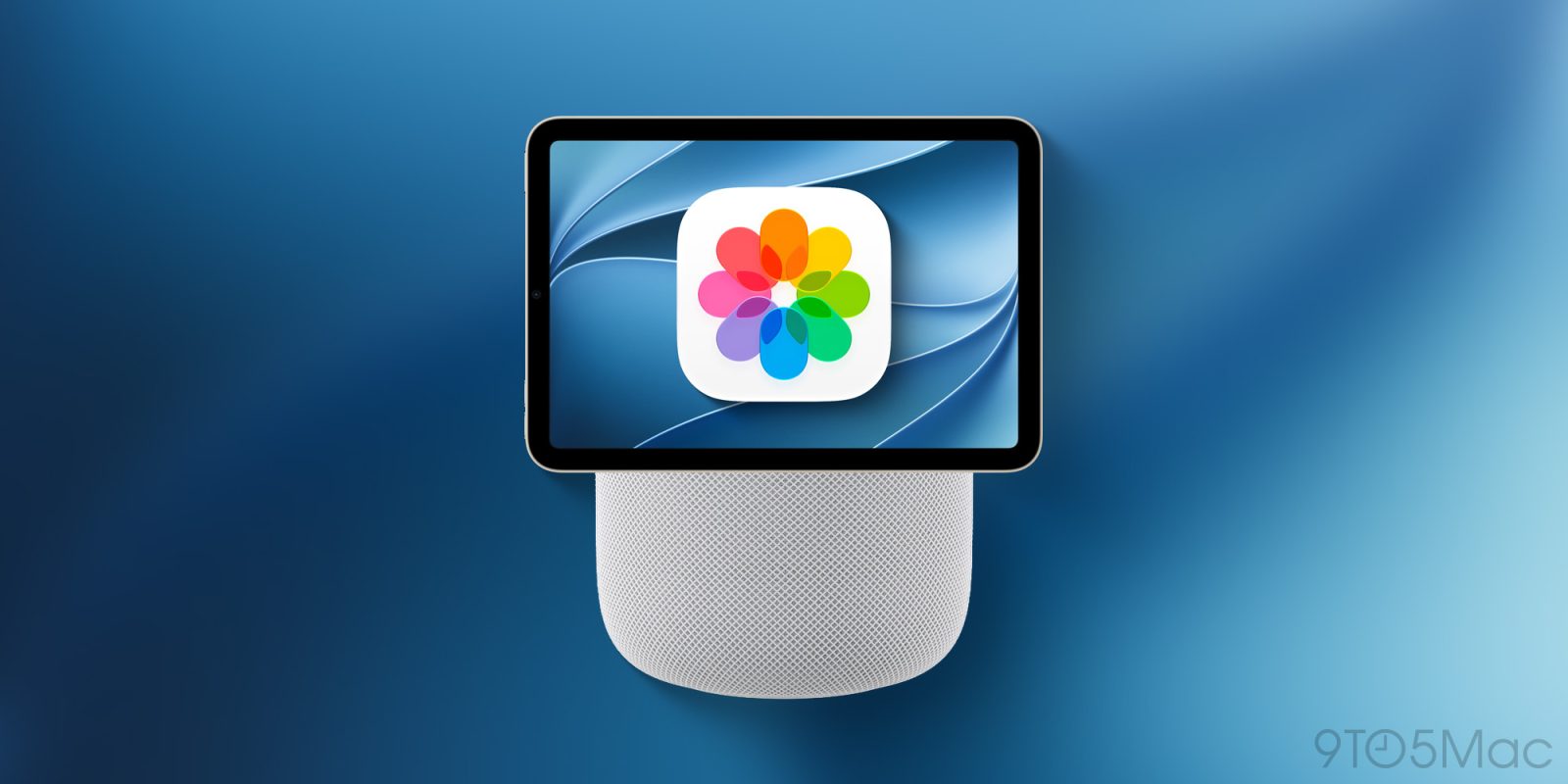
The hardware ecosystem will reportedly be split into two form factors. The premium model, featuring the integrated speaker base, will be available in four colorways: space gray, silver, starlight, and pink. For consumers seeking a more unobtrusive solution, a wall-mountable variant with a square base will be offered in a more restrained palette of monochrome silver and space gray. This dual-model approach mirrors Apple’s historical strategy of offering high-end luxury options alongside functional, utility-focused hardware.
The Role of Software and Connectivity
Despite the advanced hardware, the HomeView will likely operate under a restricted software paradigm. Reports indicate that the device will not feature a traditional, open-ended App Store. Instead, the interface will focus on core Apple applications and the projection of third-party widgets from a nearby iPhone. This "tethered" approach is designed to minimize complexity, prioritizing a seamless, interruption-free environment over a general-purpose computing experience.
The user interface will rely heavily on voice interaction, with the screen serving as an extension of the Siri AI experience. This focus suggests that Apple is prioritizing "glanceable" information—such as climate controls, security camera feeds, and calendar notifications—rather than encouraging users to sit down and interact with the device as they would a tablet or a laptop.
Chronology of the Smart Home Strategy
Apple’s journey toward the HomeView has been a decade-long endeavor, marked by iterative growth and occasional strategic pivots:
- 2014: Apple announces HomeKit, a framework designed to allow developers to create apps that interact with smart home devices, focusing on security and privacy.
- 2018: The original HomePod is released, establishing Apple’s hardware presence in the smart home space, though it is primarily marketed as a high-fidelity audio device.
- 2020: The HomePod mini is launched, bringing a more affordable entry point to the Apple ecosystem and expanding the reach of Siri-enabled controls.
- 2023–2024: Industry rumors intensify regarding a "tabletop" device, as Apple seeks to counter the success of the Amazon Echo Show and Google Nest Hub.
- October 2026: Apple confirms its "Welcome Home" event, with trademark filings for "HomeView" surfacing in the days leading up to the announcement.
Market Implications and Competitive Landscape
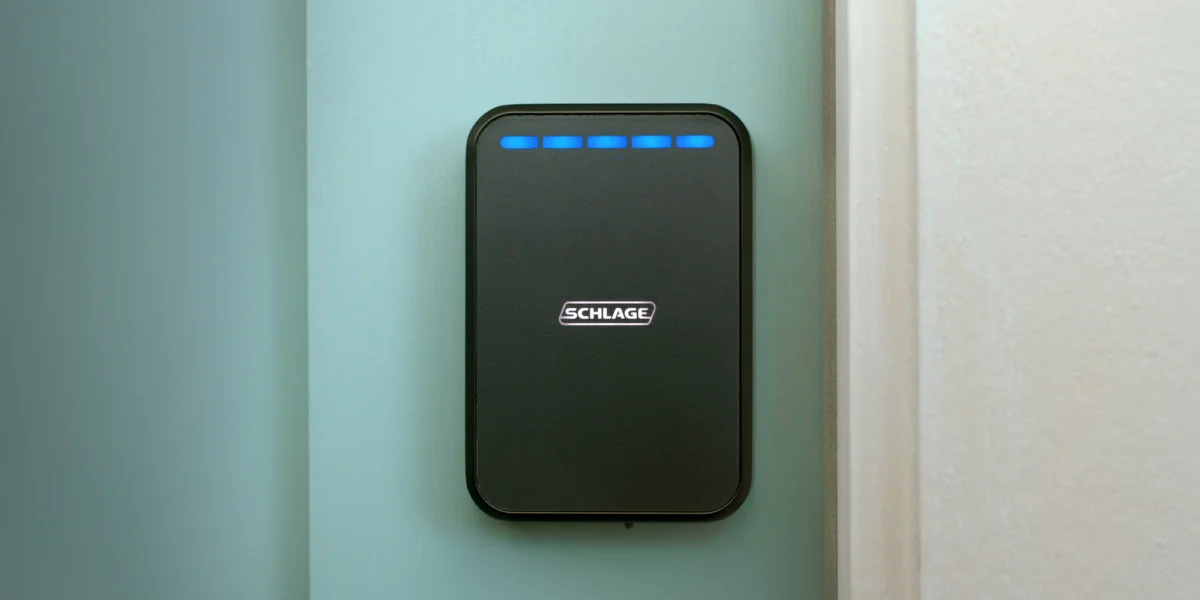
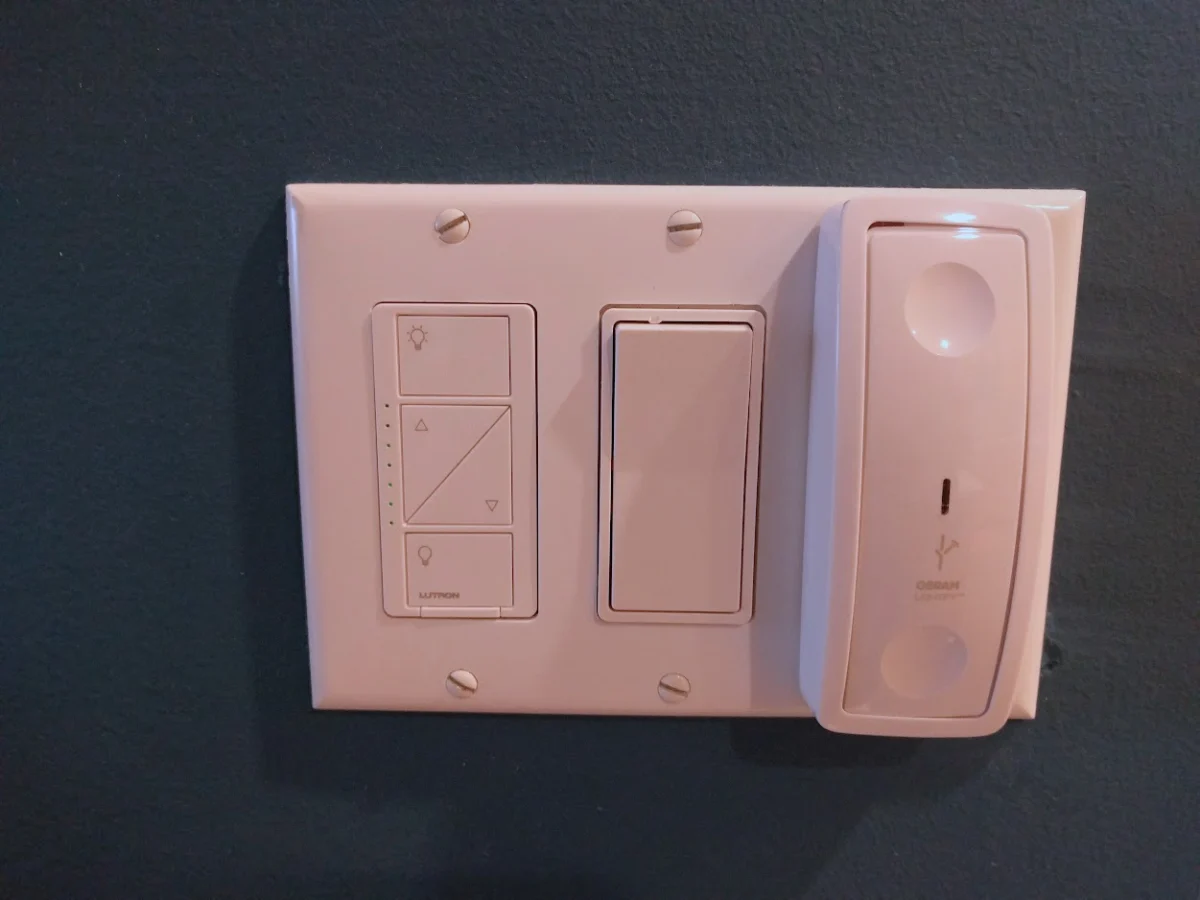
The launch of the HomeView is not occurring in a vacuum. The global smart home market is projected to reach significant valuation milestones by 2030, driven by the increasing integration of AI and the transition to the Matter connectivity standard. Apple’s decision to partner with manufacturers like LG—to develop a suite of smart appliances including thermostats, door locks, and doorbells—suggests that the company is aiming to ensure that the "HomeView" experience is not limited by a lack of compatible hardware.

Analysts note that Apple’s primary challenge lies in the "walled garden" approach. While Apple users often appreciate the seamless integration between their iPhone, Apple TV, and Mac, the smart home market historically favors interoperability. By integrating with the Matter standard and collaborating with third-party appliance manufacturers, Apple is signaling a more open stance than it has taken in the past, acknowledging that a successful smart home hub must communicate with a wide array of existing devices.
The upcoming refresh of the Apple TV and HomePod mini, expected to be announced concurrently with the HomeView, suggests a total overhaul of Apple’s home hardware portfolio. By aligning these products under a unified design language and software philosophy, Apple is positioning itself to capture a larger share of the household budget, moving beyond "personal computing" to "ambient computing."
The Significance of the November Release Window
While the announcement is scheduled for October 13, the mid-November retail availability is a calculated decision. Historically, Apple utilizes the period between announcement and release to build anticipation and ensure sufficient supply chain readiness ahead of the holiday shopping season. Releasing the HomeView in November allows the product to land squarely in the peak consumer spending window, ensuring that it is on store shelves during the critical Black Friday and holiday gift-giving cycle.
This timeline also provides developers and third-party accessory manufacturers with a final window to optimize their products for the HomeView ecosystem. The delay between the "Welcome Home" event and the physical launch allows for final firmware refinements and, perhaps, the rollout of iOS updates that will enable the seamless projection of iPhone widgets onto the HomeView interface.
Analysis of the "Welcome Home" Strategy
The nomenclature of the event—"Welcome Home"—is telling. It implies that Apple views the home as a sanctuary where technology should be invisible yet omnipresent. This philosophy stands in contrast to the screen-heavy, ad-driven interfaces of competitors. If Apple succeeds, the HomeView will not be a gadget that demands attention, but a silent partner that manages the environment.

However, the lack of an App Store will be a point of contention for some. Critics argue that by limiting third-party application support, Apple may hinder the device’s utility in the long term. Conversely, supporters suggest that this limitation is a feature, not a bug, as it prevents the device from becoming bloated and ensures that the user experience remains consistent, fast, and secure.
Looking Ahead
As the industry turns its gaze toward Cupertino this Tuesday, the success of the HomeView will likely be measured by its ability to simplify the often-frustrating experience of managing a connected home. With an A18-powered foundation, a sleek, design-forward aesthetic, and a robust partnership strategy, Apple is clearly aiming to make the HomeView the definitive hub for its massive installed base of iPhone users.
Whether this device will be enough to shift the market balance remains to be seen. What is clear, however, is that Apple is no longer content with being a peripheral player in the smart home space. With the "Welcome Home" event, the company is making a definitive move to bring the entirety of the household under the control of its ecosystem, marking a new chapter in the company’s evolution as a provider of both personal and domestic intelligence. As the company prepares for its mid-November rollout, consumers and competitors alike will be watching to see if the reality of the HomeView lives up to the high expectations set by the rumor mill.