








The November 2026 Pixel Drop has officially arrived, marking a significant milestone in Google’s hardware-software integration strategy. Hosts Abner, Damien, and Will break down the latest updates in episode 126 of the Pixelated podcast, focusing on the AI-centric enhancements tailored for the Pixel 10 series, long-awaited interface adjustments to the HiLight feature, and the cross-platform debut of Googlebook widgets. Beyond the software ecosystem, the episode addresses the industry-shifting presence of Google Wallet on iOS devices, a move that signals a recalibration of Google’s financial services strategy in the competitive mobile payment landscape.
The November 2026 Feature Drop: A Technical Overview
Google’s November 2026 update represents a strategic pivot toward deepening AI integration at the hardware level. The Pixel 10 series, which has been the primary beneficiary of this release, sees improved computational efficiency through new firmware optimizations. These enhancements are designed to leverage the Tensor processing unit more effectively, reducing latency in real-time language translation and image processing tasks.
A central component of this release is the refinement of HiLight. Previously criticized for its inconsistent capture accuracy, the feature has undergone a backend overhaul. Users can now expect a more intuitive selection process and faster synchronization across the Google ecosystem. This update addresses common user feedback regarding the difficulty of managing highlighted content on mobile displays, effectively streamlining the workflow for power users.

Cross-Platform Integration: Googlebook Widgets and iOS Expansion
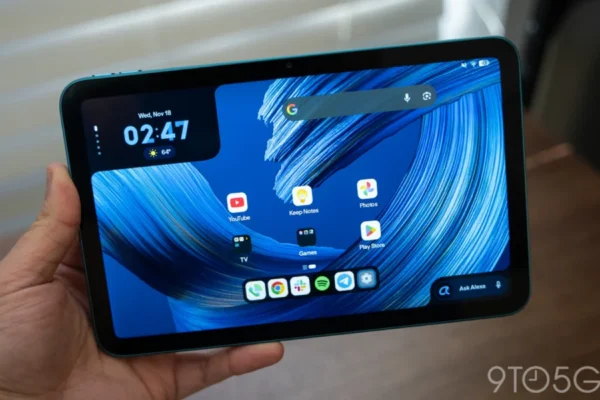
Perhaps the most notable architectural change in this cycle is the introduction of custom widgets from the Googlebook ecosystem to Android smartphones. By porting these widgets, Google is narrowing the functional gap between its tablet-focused software and its flagship mobile devices. This transition suggests a broader intent to create a unified user experience that transcends screen size, allowing users to maintain consistent data visualization regardless of their device.
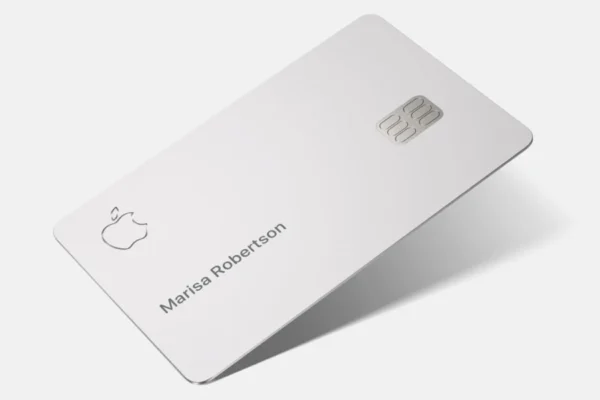
Simultaneously, the appearance of Google Wallet on the iPhone has generated significant discourse within the fintech community. Historically, Google maintained a strictly Android-centric approach to its digital wallet services. However, by expanding into the iOS ecosystem, Google is positioning itself as a universal payment facilitator. This move is interpreted by industry analysts as an attempt to capture a larger share of the global contactless payment market, directly challenging the dominance of Apple Pay. While the functional scope of Google Wallet on iOS may differ from its Android counterpart due to Apple’s hardware-level constraints on the NFC chip, the strategic intent to foster ecosystem interoperability is clear.
Chronology of the 2026 Pixel Evolution
The trajectory of the Pixel 10’s performance throughout 2026 provides necessary context for the current update. Following the device’s launch in early autumn, Google focused on stability and core hardware performance. The November update is the first major "Feature Drop" intended to expand the device’s feature set rather than merely patching bugs.
- September 2026: Official launch of the Pixel 10 series, introducing the new iteration of Tensor hardware.
- October 2026: Early feedback cycles identifying bottlenecks in HiLight functionality and user interface modularity.
- November 10, 2026: Deployment of the November Feature Drop, introducing AI-centric optimizations and cross-platform widget support.
- Late November 2026: Initial rollout of Google Wallet for iOS, marking a shift in cross-platform payment strategy.
Analysis of AI-Centric Software Shifts
The emphasis on AI in this release is consistent with broader trends in the semiconductor and software industries. As hardware performance gains become incremental, software-defined capabilities are becoming the primary differentiator for flagship smartphones. By offloading complex tasks—such as predictive text, image enhancement, and automated widget management—to on-device AI, Google is reducing the reliance on cloud-based processing. This shift not only improves privacy but also enhances the perceived speed of the device in low-connectivity environments.

The integration of Googlebook widgets is particularly illustrative of this trend. By using machine learning to surface relevant data from the Googlebook suite onto the smartphone home screen, Google is moving away from static information delivery toward a proactive, context-aware interface.
Strategic Implications and Market Response
Industry observers note that the decision to bring Google Wallet to iOS is a high-stakes maneuver. By diversifying its platform presence, Google is attempting to mitigate the risks associated with the hardware-locked nature of the Android ecosystem. This allows the company to collect transactional data and user behavioral patterns from a wider demographic, which is essential for refining its AI models and advertising algorithms.
Furthermore, the sponsorship of the Pixelated podcast by privacy-focused services like Proton Unlimited highlights an ongoing tension between convenience-driven data integration and the growing consumer demand for digital privacy. As Google continues to weave its services into the fabric of daily life, the company faces mounting scrutiny regarding data sovereignty.
Conclusion and Future Outlook
As the Pixel 10 moves into the final quarter of its first year, the November Feature Drop demonstrates that Google is committed to a cycle of rapid, iterative improvement. The podcast hosts note that while these features are currently in their infancy, they set a precedent for how Google intends to leverage its AI expertise to maintain a competitive advantage.

For users, the immediate benefits are clear: a more robust suite of tools, better cross-device consistency, and increased flexibility in payment methods. For the broader tech industry, the moves made this November indicate that the boundaries between operating systems are becoming increasingly fluid. Whether this trend toward universal software availability will force a corresponding shift in how hardware manufacturers protect their proprietary ecosystems remains a critical point for future observation.
Listeners interested in the deep-dive technical discussions surrounding these updates are encouraged to subscribe to the 9to5Google Pro series, where additional commentary on the implications of these shifts is provided. The podcast continues to serve as a vital resource for those tracking the evolving intersection of hardware innovation and software utility in the modern mobile era.