








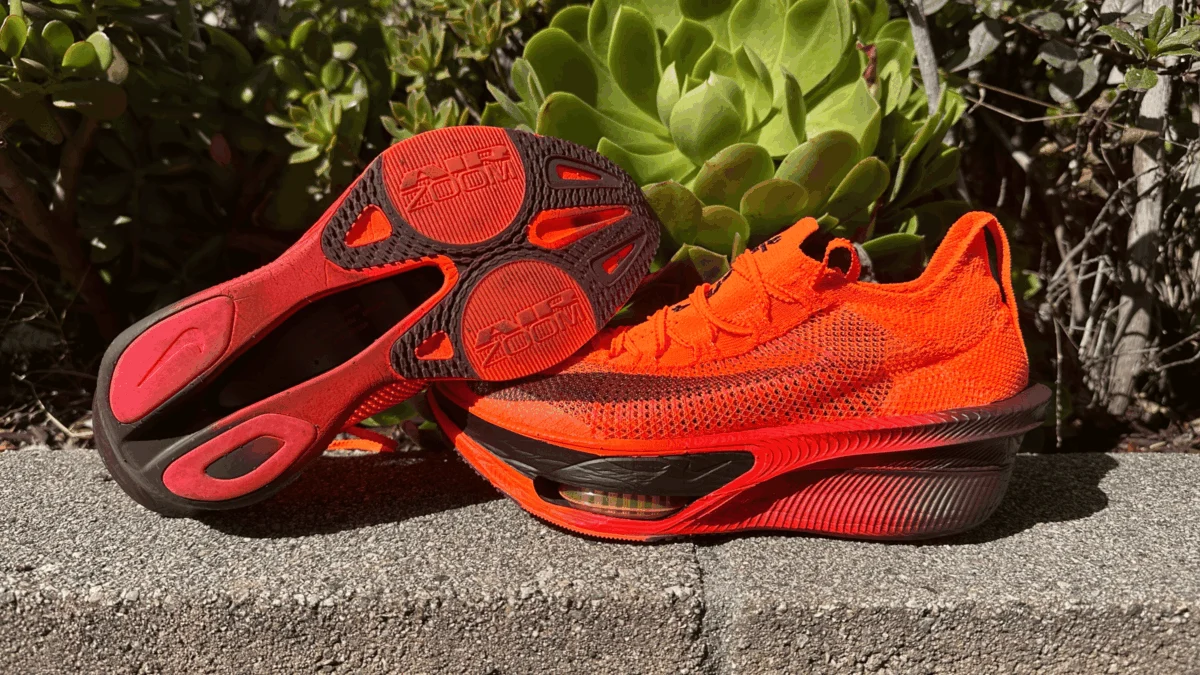
The Nike Alphafly remains the most significant development in long-distance racing footwear, a franchise that fundamentally altered the trajectory of elite marathon running. Since the introduction of the original Alphafly, the shoe has been synonymous with the pursuit of human physical limits. From Eliud Kipchoge’s historic sub-two-hour exhibition in Vienna in 2019 to the steady shattering of official world records, the Alphafly has become the gold standard for marathon performance. With the November 2026 launch of the Nike Alphafly 4, the industry is witnessing a strategic pivot from pure, aggressive propulsion toward a balance of long-distance comfort and sustained mechanical efficiency.
A Chronology of the Alphafly Era
The impact of the Alphafly series can be traced through a series of landmark events that have redefined the sport of distance running. The "Super Shoe" revolution began in earnest when Nike introduced the prototype that would become the Alphafly to facilitate Kipchoge’s INEOS 1:59 Challenge in 2019. This event proved that specialized footwear could provide the mechanical advantage necessary to unlock previously impossible physiological barriers.
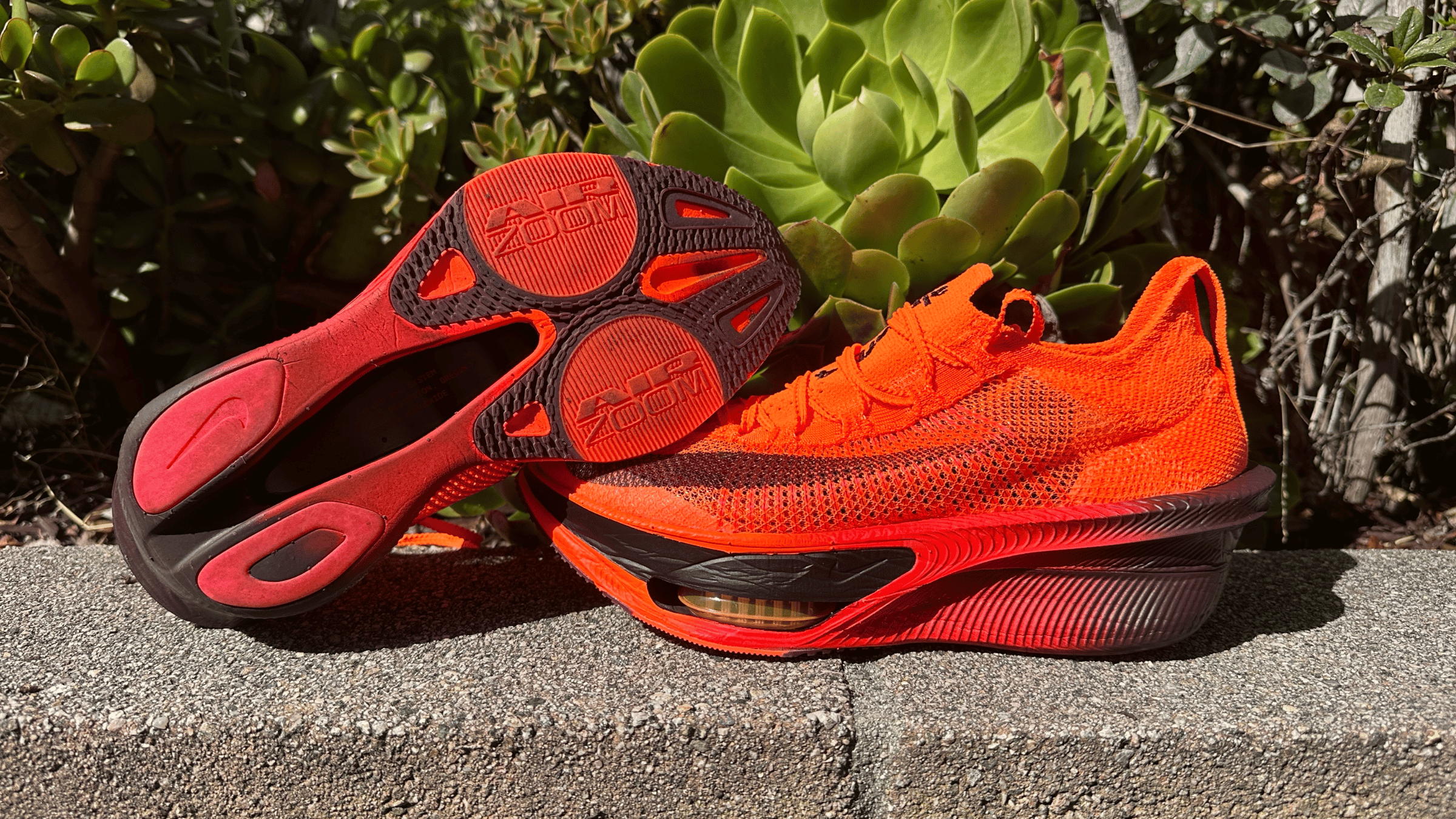
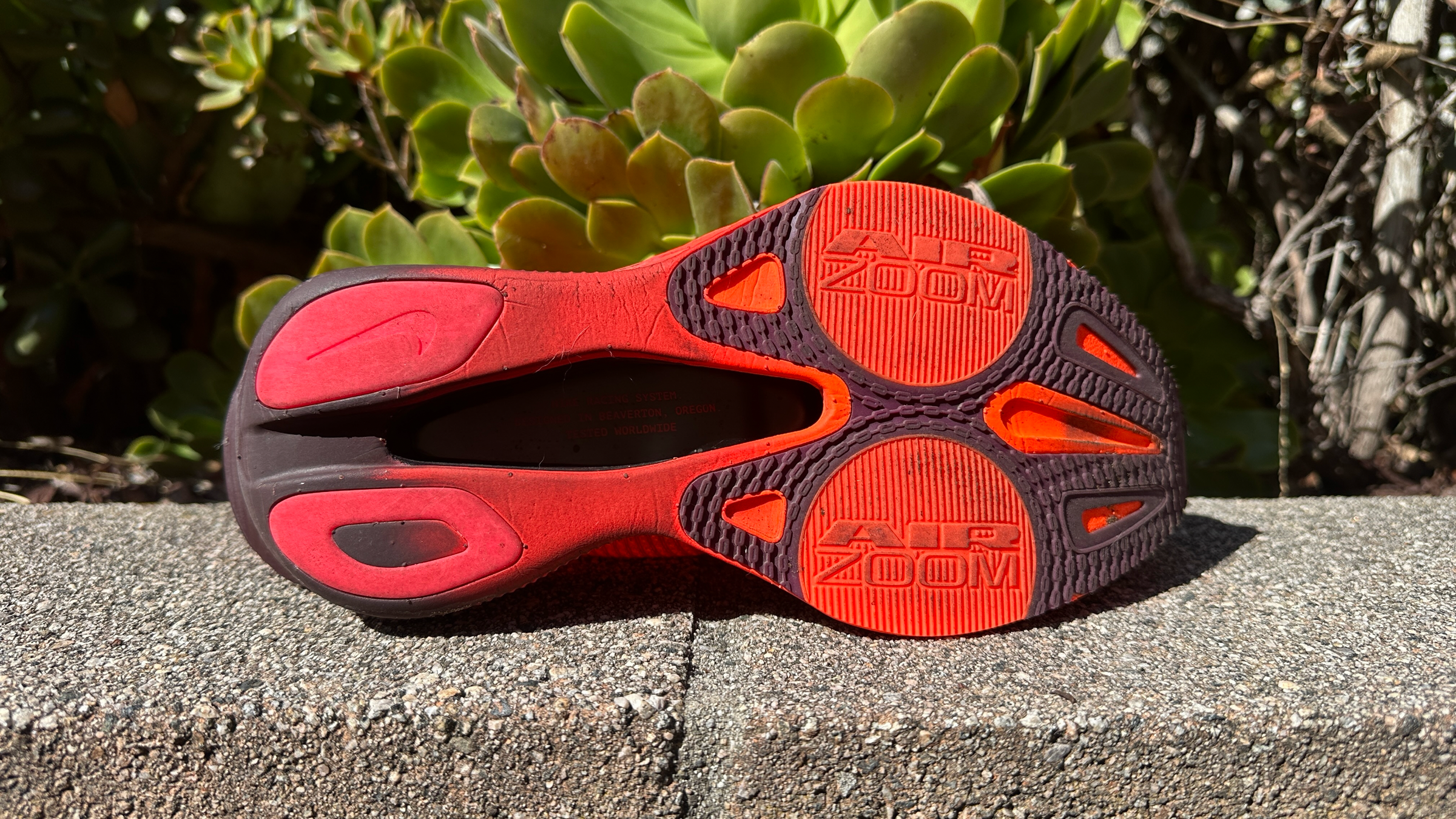
By 2022, the technology had matured into the Alphafly 2, which prioritized stability to address the erratic, unstable nature of the original platform. While successful in reducing the injury risks associated with high-stack, narrow-base foam, the second iteration was criticized by some athletes for feeling muted or "dead" compared to the original’s explosive snap. The 2024 launch of the Alphafly 3 addressed these concerns by integrating a continuous midsole and repositioning Air Zoom units, effectively reclaiming the bounce while reducing weight. Now, the Alphafly 4 arrives, representing the fourth iteration in a six-year window, underscoring the rapid pace of innovation within the high-performance footwear sector.
Technical Specifications and Engineering Shifts
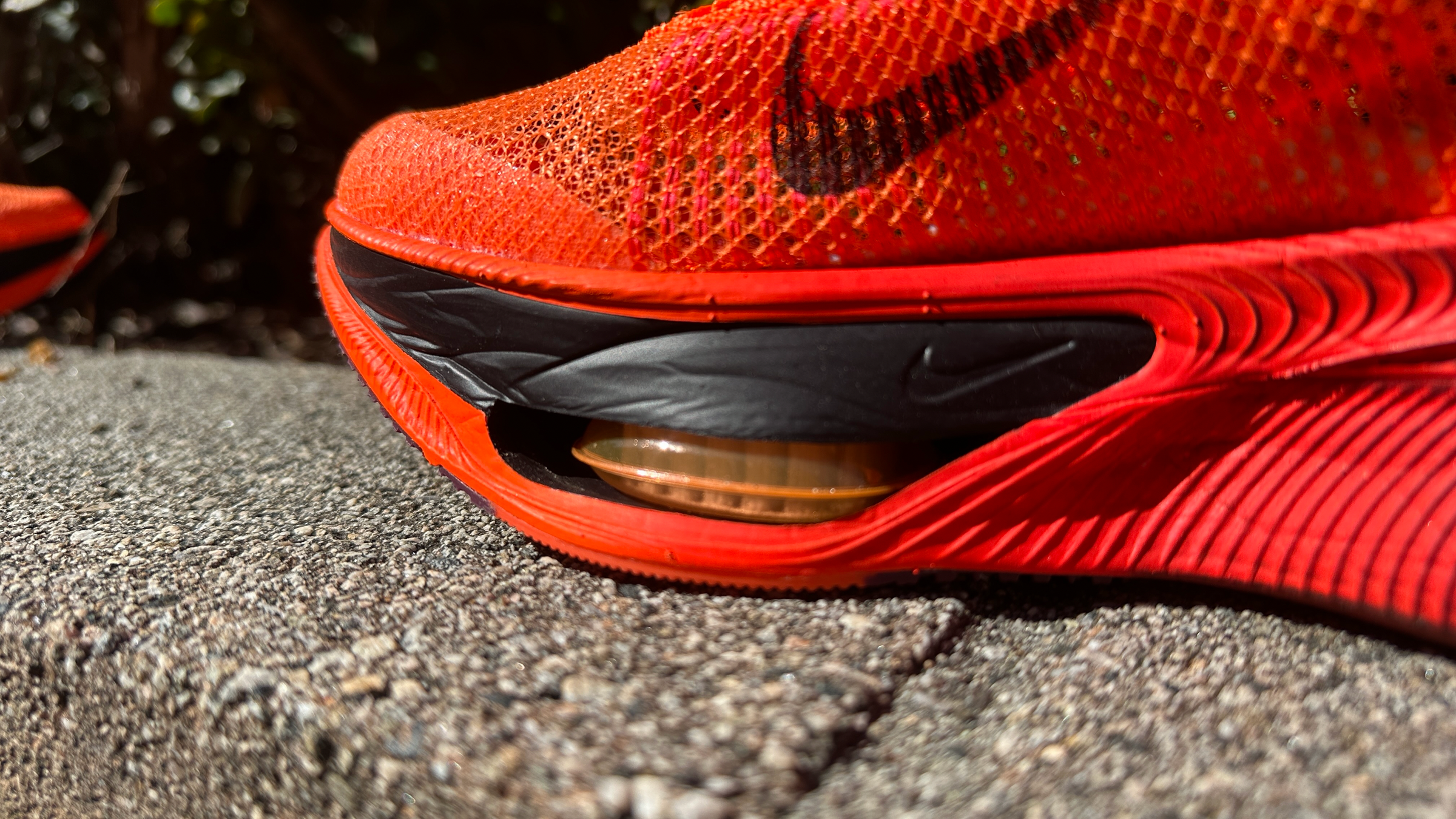
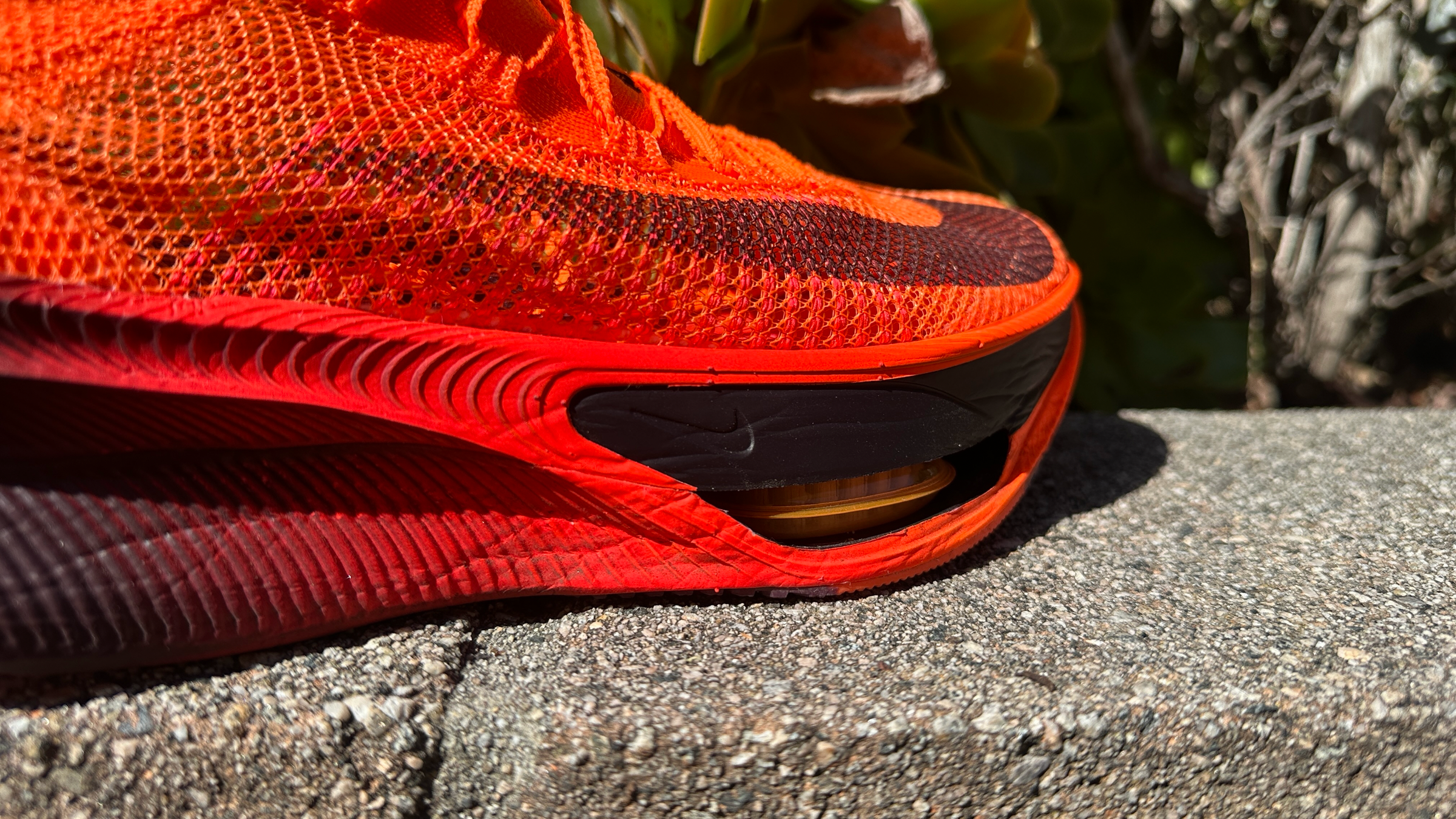
The engineering philosophy behind the Alphafly 4 centers on a complete architectural overhaul. While the aesthetic silhouette remains familiar, Nike’s design team, led by VP of Running Footwear Product Management Bret Schoolmeester, has implemented significant structural changes. The most critical shift involves the manufacturing process of the forefoot Air Zoom units. By transitioning from a traditional heat-sealing method to radio-frequency welding, Nike has successfully reduced the weight of these units by 30 percent while enhancing their overall compliance.
The midsole composition also features the introduction of ZoomX LT foam. While retaining the chemical profile of standard ZoomX, the processing of the "LT" (Light) variant allows for a higher energy-return-to-weight ratio. Furthermore, the carbon fiber plate geometry has been widened slightly. This modification is designed to provide a more stable platform during the later stages of a marathon, when muscular fatigue often leads to form breakdown and over-pronation.
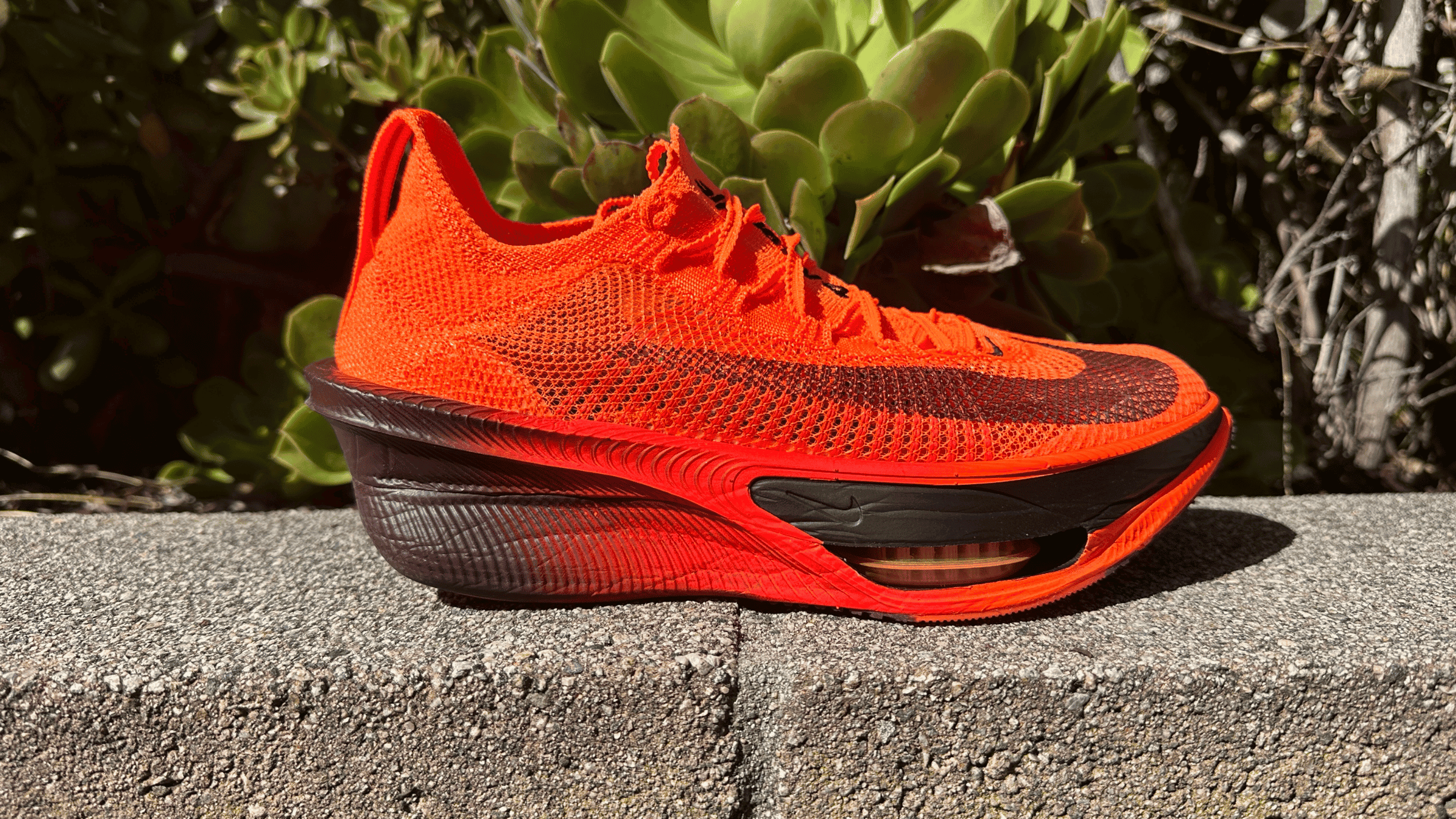
At a weight of 6.6 ounces for a standard men’s size 8.5, the Alphafly 4 remains among the lightest options in the super shoe category, maintaining a stack height of 39 mm at the heel and 31 mm at the forefoot, keeping it within the World Athletics guidelines for competition-legal footwear.
Comparative Performance Analysis
The Alphafly 4 demonstrates a distinct divergence in performance characteristics compared to its predecessor. In testing, the shoe exhibits a more progressive compression, meaning the Air Zoom units engage more readily at moderate or "jogging" paces. While the Alphafly 3 required a specific threshold of force—typically found at high-intensity interval or race-pace efforts—to achieve its signature "snap," the Alphafly 4 offers a more cushioned, forgiving experience at varying speeds.
This shift has notable implications for the marathon demographic. Competitive masters athletes and sub-elite runners, who may spend more time in the later, fatiguing miles of a race, are likely to benefit from the enhanced vibration dampening provided by the softer forefoot. However, athletes seeking the aggressive, propulsive "pop" associated with 5K or 10K racing may find the Alphafly 4 less responsive than the stiffer, more reactive Vaporfly 4 or even the preceding Alphafly 3. The data suggests that the Alphafly 4 is engineered specifically for the 26.2-mile distance, where the primary objective is to preserve leg freshness over three or more hours of continuous impact.
Ergonomic Improvements and User Experience
One of the most persistent criticisms of the Alphafly line—particularly the second and third iterations—was the difficulty of entry. The AtomKnit upper, while breathable and lightweight, was notoriously rigid and narrow, often causing discomfort as runners’ feet naturally swelled during a marathon.
The Alphafly 4 introduces a redesigned AtomKnit upper that prioritizes volume and anatomical fit. By increasing the volume in the toe box, Nike has addressed the issue of forefoot restriction. This change is not merely for comfort; it is a performance-driven design choice intended to ensure that the foot remains stable and unrestricted throughout the duration of a long-distance event. The ease of entry is also significantly improved, a factor that, while minor in a laboratory setting, is of great importance to athletes managing pre-race logistics.
Market Context and Future Implications
The release of the Alphafly 4 occurs within a highly competitive landscape. Brands such as Adidas, with its Adios Pro series, and Saucony, with its Endorphin Elite line, have effectively challenged Nike’s dominance by offering alternative geometries and foam densities. The market is currently bifurcated between shoes that prioritize raw speed and those that prioritize "marathon endurance."
The Alphafly 4 firmly positions itself in the latter category. By choosing to prioritize comfort and consistent energy return over aggressive, short-term propulsion, Nike is responding to the demands of the broader marathon-running community. The economic implications are significant; the Alphafly series commands a premium price point, and its success hinges on its ability to offer a tangible, measurable advantage to the consumer.
Industry analysts suggest that the "Super Shoe" market is entering a phase of refinement. Having moved past the initial era of experimentation, manufacturers are now focusing on durability and user-specific adaptations. The Alphafly 4 serves as a case study for this trend: it is less about the radical disruption of the sport and more about the incremental optimization of an already proven platform.
Conclusion and Outlook
The Nike Alphafly 4 represents a maturation of the super shoe concept. While it may not provide the same explosive, high-force response that characterized the early, experimental versions of the Alphafly, it offers a more versatile and sustainable ride for the marathon distance. Its success will ultimately be measured not by world records alone, but by how effectively it mitigates the cumulative impact forces that lead to performance degradation in the final 10 kilometers of a race.
As the sport continues to evolve, the distinction between the "racer" (designed for short-distance speed) and the "marathoner" (designed for distance efficiency) will become more pronounced. The Alphafly 4 appears to be Nike’s definitive answer to the needs of the marathoner, prioritizing the longevity of the athlete’s legs over the pursuit of momentary speed. With this release, the brand has successfully recalibrated its flagship shoe to meet the realities of long-distance performance, ensuring that the Alphafly remains a central figure in the future of competitive road racing.