






The Evolution of the Smart Home Ecosystem
Apple’s journey into the smart home market has been defined by a commitment to privacy-first design and seamless interoperability through the HomeKit framework and the Matter standard. Since the introduction of HomeKit in 2014, the ecosystem has evolved from simple remote light control to a comprehensive suite of security and automation features. The release of iOS 27 marks a pivotal transition, moving away from reactive device management toward proactive, context-aware artificial intelligence.
The timing of this update is strategic. By introducing software-level improvements just days before the October 13 product launch, Apple is ensuring that the upcoming hardware—expected to include next-generation cameras and hub devices—hits the market with a software foundation that is already optimized for high-performance tasks. This strategy aligns with the broader industry trend of "AI-first" consumer electronics, where the value proposition is increasingly driven by how well software interprets user behavior.
Advancing HomeKit Secure Video: A New Standard
Central to the iOS 27 update is a comprehensive overhaul of HomeKit Secure Video. Historically, HomeKit Secure Video has provided a secure, end-to-end encrypted way for users to store and view footage from compatible cameras directly in the iCloud ecosystem. With the new software, Apple has introduced a long-requested leap in quality: native 4K recording and streaming.
For years, the smart home industry standard for many consumer cameras was capped at 1080p. While this resolution is sufficient for general monitoring, it often lacks the forensic detail required for identifying license plates or distant faces. The transition to 4K resolution represents a significant technical upgrade in bandwidth management and processing power. Apple has confirmed that supported cameras will now be able to record in 4K, utilizing HEVC (High Efficiency Video Coding) to manage file sizes without compromising visual integrity.
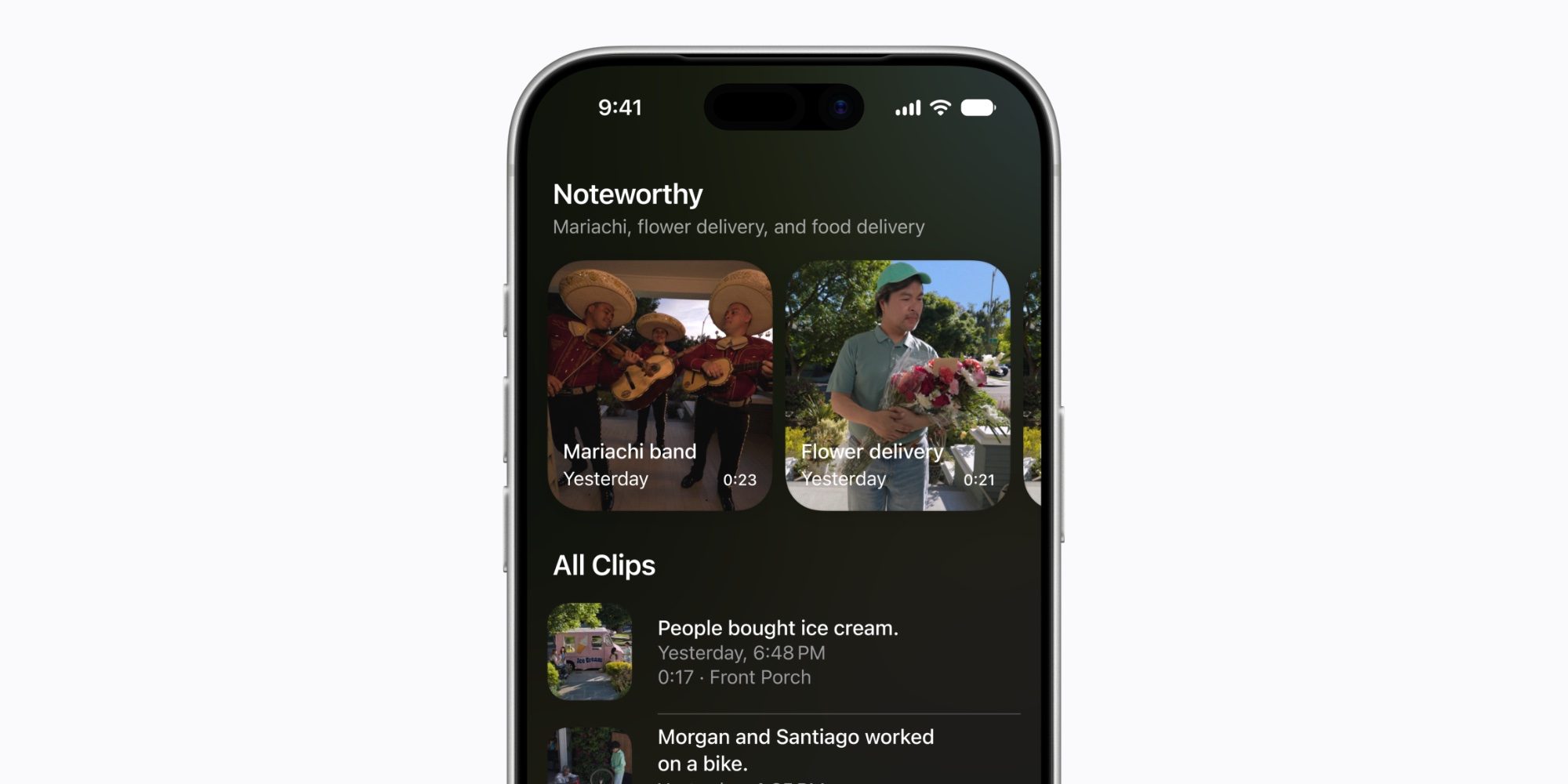
Beyond the resolution upgrade, the integration of Apple Intelligence into the video surveillance pipeline introduces a new layer of data analysis. While the specific AI capabilities are expanding, they are designed to reduce "alert fatigue." By processing video streams locally on the device (or via secure cloud processing), the system can now perform more accurate object classification, distinguishing between inanimate movement—such as a swaying tree—and genuine security concerns like unrecognized visitors or package deliveries.
Streamlining Notifications with Intelligent Aggregation
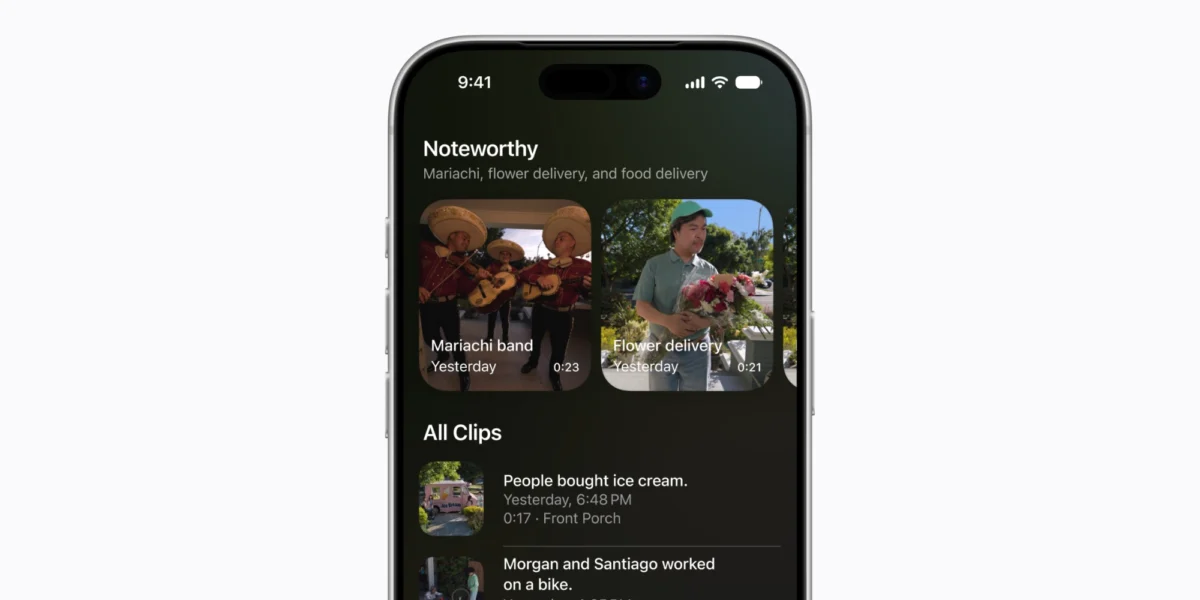
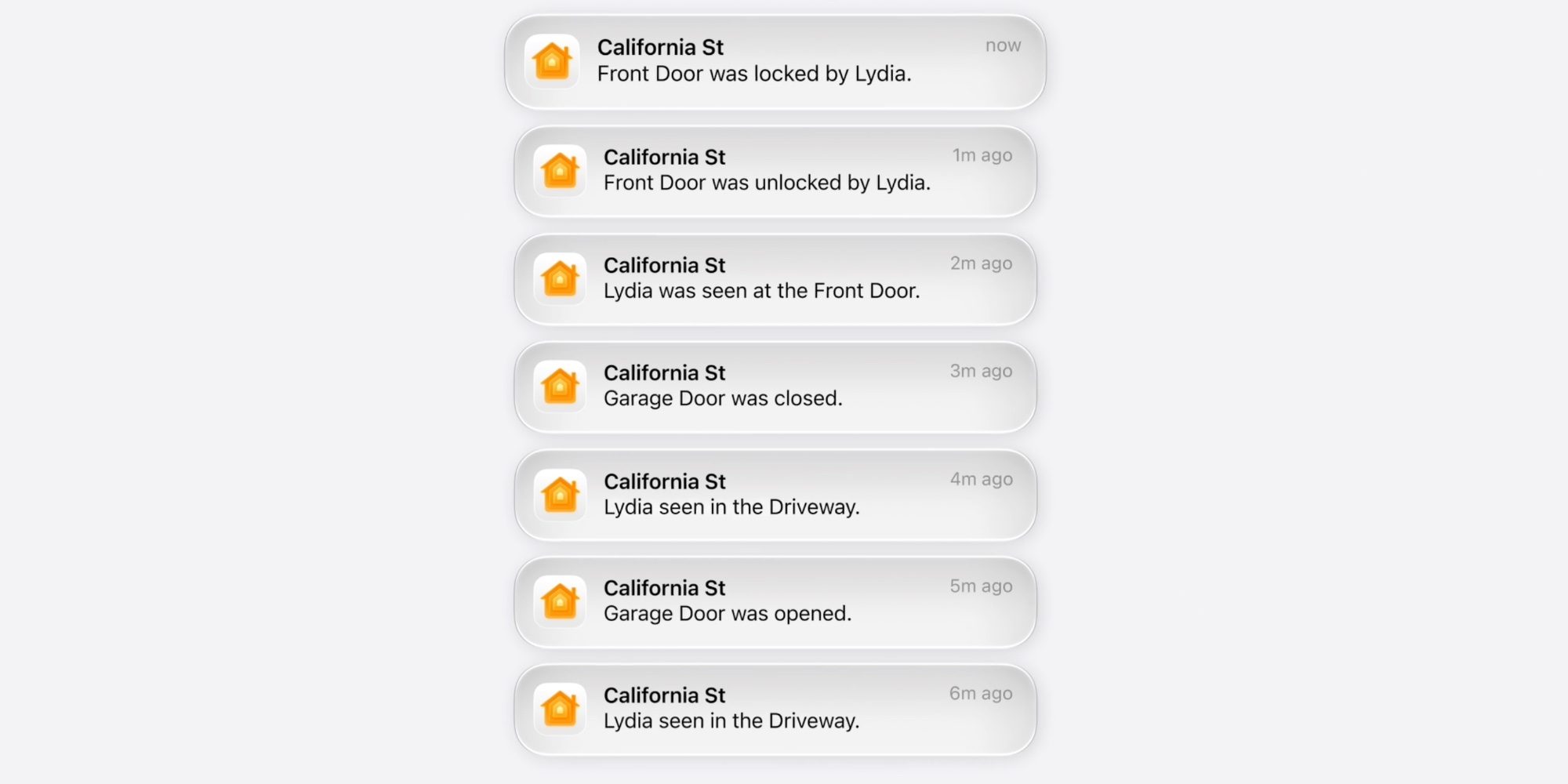
Perhaps the most practical improvement for the daily user is the shift in how the Home app delivers notifications. In previous versions, a multi-stage event—such as a visitor arriving, unlocking a smart lock, and opening a door—would trigger a flurry of individual, disjointed notifications. This often led to fragmented information and unnecessary distractions.
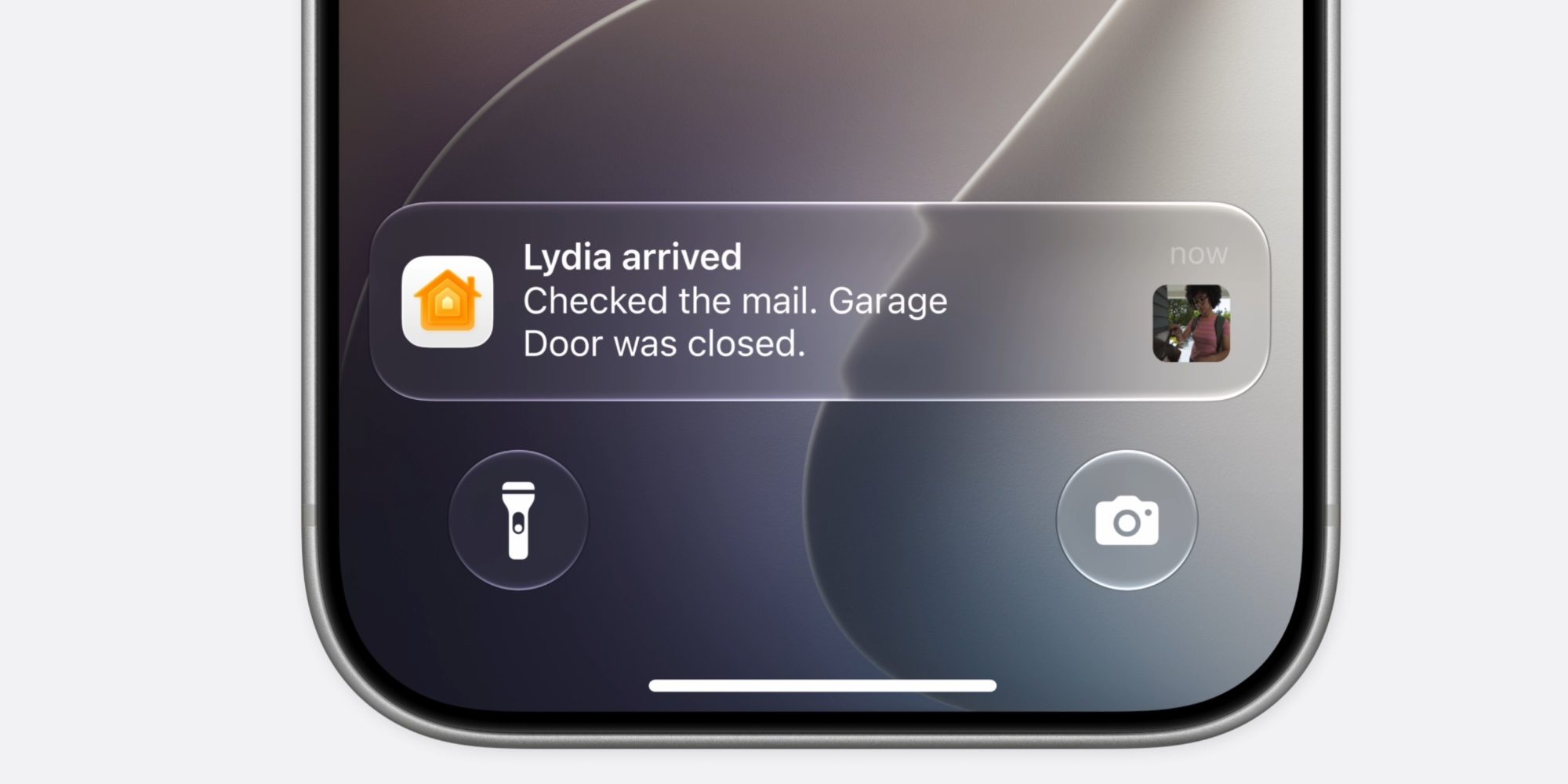
In iOS 27, Apple has introduced "Real-time Notification Updates." This feature utilizes the on-device intelligence engine to parse the sequence of events as a single, unified activity. When a user receives an alert, the system maintains that notification window open, dynamically updating it as the situation evolves. If a person arrives, checks the mail, and enters the home, the user receives a single notification that updates its text to reflect the entire timeline of the event.
This functionality is controlled through a new "Reduce Notifications" toggle found within the Home app’s settings. By consolidating alerts, Apple is addressing a primary pain point in home automation: the feeling of being overwhelmed by data. This transition toward "summary-based" notifications reflects a shift in Apple’s design philosophy, prioritizing the user’s focus by stripping away the noise of individual sensor triggers in favor of actionable intelligence.
Technical Implications and Market Context
The implementation of these features in iOS 27 carries significant weight for the broader IoT (Internet of Things) market. By embedding intelligence at the OS level, Apple reduces the burden on third-party developers to build custom notification logic. This standardization is expected to drive higher adoption rates for HomeKit-compatible accessories.
Data from industry analysts suggest that the smart home market is expected to reach a valuation of over $200 billion by 2028, with security and automation being the primary growth drivers. Apple’s emphasis on 4K video and AI-driven notification synthesis positions the company as a premium player in this space. By keeping the processing power within the Apple ecosystem, the company creates a "moat" that encourages users to stick with the Apple ecosystem for their security needs, rather than opting for disparate, third-party cloud services that may have inconsistent privacy standards.
Chronology of Recent HomeKit Developments
- June 2026: Apple announces the initial beta of iOS 27, revealing the intent to integrate deeper AI capabilities into the Home app.
- August 2026: Developer previews confirm the inclusion of 4K video support for select hardware, signaling a move toward higher resolution standards.
- September 2026: Refinement of the "Reduce Notifications" feature, with testers noting a significant decrease in alert frequency during routine household activities.
- October 8, 2026: Official announcement of the "Welcome Home" event, creating anticipation for the hardware that will utilize these new software features.
- October 13, 2026: Scheduled date for the product reveal, where new HomeKit-compatible devices will likely be showcased with these iOS 27 features at their core.
The Broader Impact on Home Security
The move to 4K resolution and intelligent notification management is more than just a software update; it is an acknowledgment that smart homes are becoming primary security hubs for the modern consumer. In an era where cybersecurity is at the forefront of the public consciousness, Apple’s continued reliance on end-to-end encryption for its video storage remains a primary differentiator.
By contrast, many competitors rely on massive cloud-based data scraping to refine their AI models. Apple’s approach, which emphasizes on-device processing via the Neural Engine in its silicon, suggests that these new Home app features will be faster and more private than those of competitors. This creates a compelling argument for homeowners who are wary of cloud privacy risks but still desire the convenience of advanced automation.
Furthermore, the "Reduce Notifications" feature is likely to be viewed as a quality-of-life benchmark. As the number of smart devices in the average home increases—including sensors for air quality, humidity, motion, and energy consumption—the ability to filter and categorize data becomes essential. By automating the filtering process, Apple is effectively providing a "manager" for the smart home, allowing users to spend less time checking their phones and more time trusting their systems to operate independently.
Future Outlook and User Expectations
As the market approaches the October 13 event, the focus will undoubtedly shift to which hardware will be required to take full advantage of these software upgrades. While the iOS 27 features are software-based, the hardware to support 4K streaming will necessitate faster network interfaces and potentially more robust power management in the cameras themselves.

For existing users, the transition to iOS 27 will be a seamless upgrade that immediately improves the utility of their current setup. For potential new customers, the combination of a high-resolution, AI-augmented security system and a refined, user-friendly notification interface provides a compelling entry point into the Apple smart home ecosystem. As Apple continues to bridge the gap between complex home automation and user-friendly interface design, the Home app is poised to become the definitive control center for the modern, intelligent household.