










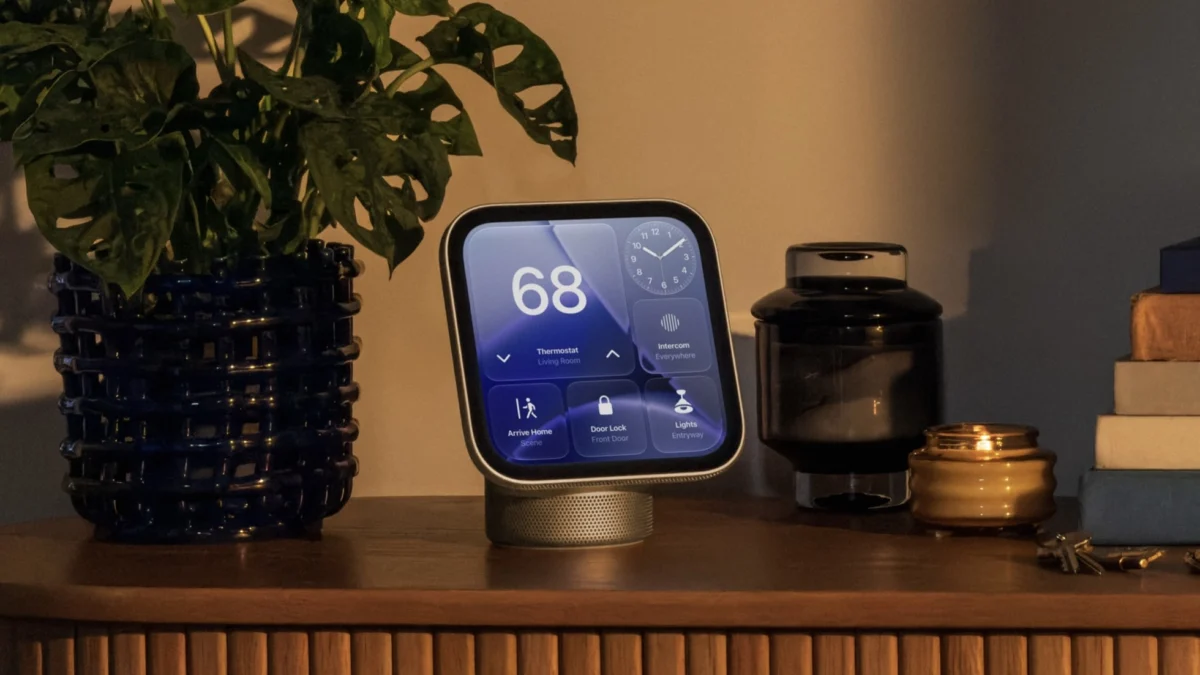
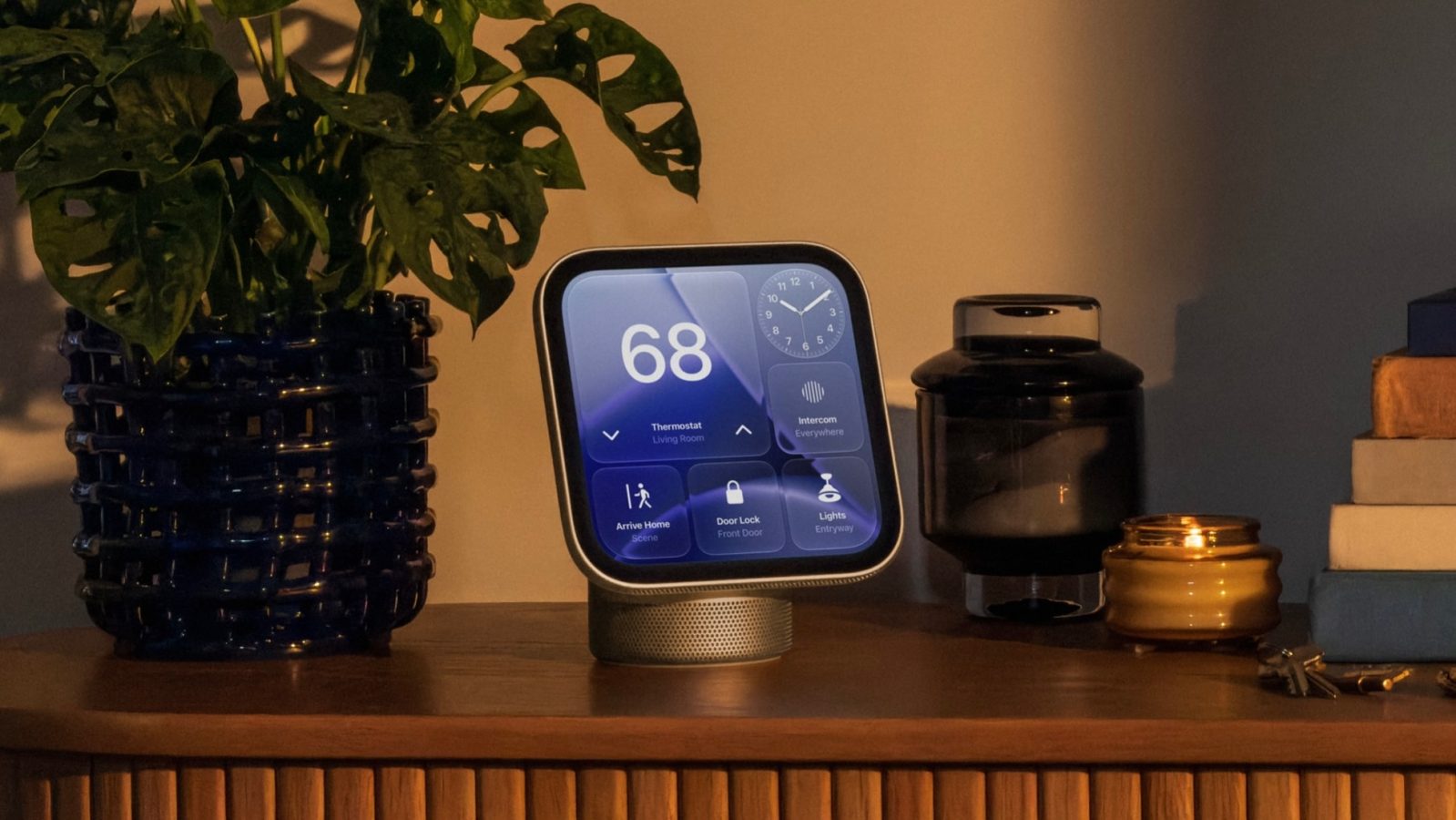
Recent software analysis has unveiled that Apple’s upcoming smart home display, HomeView, is set to include integrated security camera functionality. Evidence unearthed within the 27.2 version of the HomeView operating system indicates that the hardware will not merely serve as a control hub or media player, but as a fully functional node within the Apple HomeKit ecosystem. This discovery, first reported by code researcher pdfu, suggests a strategic shift in how Apple intends to position its smart home hardware, moving toward a more versatile, multi-purpose device that bridges the gap between home automation and residential security.
The Technical Foundation of HomeView
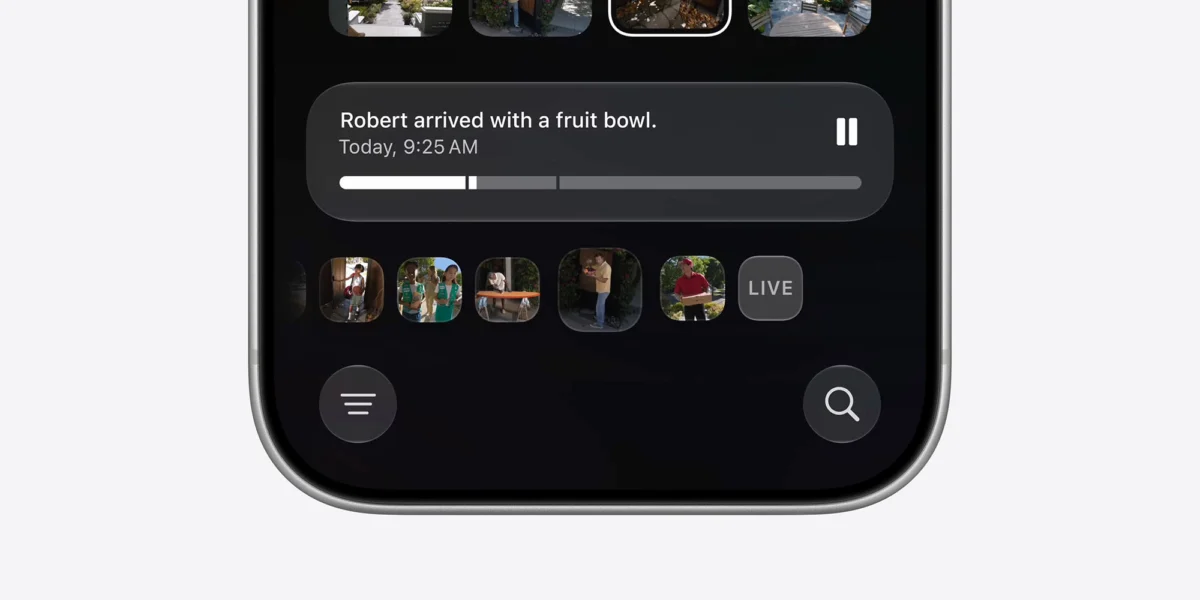
The discovery of these settings marks a significant milestone in the development of the HomeView project. According to the code, the device will utilize its front-facing camera to facilitate both live video streaming and cloud-based recording. This capability effectively transforms the screen-based hub into a peripheral security camera, theoretically reducing the need for additional standalone hardware in areas like kitchens, living rooms, or hallways.
The software configuration files allow users to define specific operational triggers. Users will be able to automate the camera’s behavior based on location-based triggers (geofencing) or time-based schedules. For instance, the system can be configured to begin monitoring when all household members have left the premises, or it can be set to remain dormant while the family is awake and active in the home. These granular controls align with Apple’s broader HomeKit Secure Video (HKSV) framework, which has long emphasized end-to-end encryption and user-defined privacy parameters.
Chronology of HomeView Development
The path toward this hardware release has been characterized by a series of leaks and strategic hints. Apple’s ambition to compete with the Amazon Echo Show and the Google Nest Hub has been an open secret in Silicon Valley for several years.
- Early 2025: Rumors intensified regarding a "Wall-mounted Apple Hub," with reports suggesting the device would act as a central controller for HomeKit accessories.
- Summer 2025: Supply chain reports indicated that Apple had begun prototyping a high-resolution display unit, internally codenamed "HomeView."
- Late 2025: Early developer betas of the operating system hinted at sophisticated UI elements, including live feed integration for existing security cameras.
- October 2026: The discovery of version 27.2 firmware explicitly links the hardware’s internal optics to the security camera framework, confirming that the device is intended to be a recording participant rather than just a display terminal.
This timeline suggests that Apple has been iterating on the device’s feature set to ensure that it offers a unique value proposition compared to the incumbent market leaders. By integrating a camera that functions as a security device, Apple is attempting to solve the "clutter problem"—the tendency for users to have multiple, disparate smart devices serving overlapping purposes.
Privacy-First Engineering
Perhaps the most notable aspect of this discovery is the deliberate implementation of privacy safeguards. Apple has long marketed itself as the "privacy-first" alternative to its competitors, and the code within HomeView reflects this corporate mandate. The system includes a hardware-level indicator light that activates whenever the camera is engaged, ensuring that users are never under surveillance without their explicit knowledge.
Furthermore, the firmware includes an audible notification system that plays a chime when streaming or recording commences. This serves as a fail-safe to prevent clandestine surveillance. Most importantly, the software includes a "Domestic Presence" override. If the device detects that individuals are home—either through proximity to paired iPhones or via motion detection—it disables the ability to trigger the camera remotely. This feature is a direct response to concerns regarding the misuse of smart home technology by domestic abusers. By restricting remote access while occupants are physically present, Apple is creating a structural barrier that prioritizes the safety and autonomy of residents over the convenience of remote monitoring.
Market Context and Implications
The smart home display market has historically struggled with high churn rates and consumer skepticism regarding privacy. Many users are hesitant to place cameras in their living rooms or kitchens, fearing potential data leaks or unauthorized access. By building the camera into a device that also serves as a hub for calendars, music, and lighting control, Apple is betting that its reputation for security will provide the necessary trust to overcome these hesitations.
According to industry data from the Consumer Technology Association, the smart home market is expected to reach a valuation of over $200 billion by 2028. However, growth has stagnated in the "smart display" category, as consumers have reached a point of device saturation. The integration of security features into a multipurpose display is a clear attempt by Apple to revitalize this category. If HomeView succeeds, it will likely force competitors to adopt similar "privacy-by-design" architectures to remain relevant in a market where data security is increasingly a top-three consumer concern.

Analysis of the Strategic Pivot
From a competitive standpoint, this move is highly logical. By turning HomeView into a security camera, Apple creates a "walled garden" effect. A user who buys a HomeView hub is now incentivized to buy more HomeKit-compatible accessories to complete their security setup. This integration deepens the user’s reliance on the Apple ecosystem.
Furthermore, the inclusion of on-device processing—a hallmark of Apple’s recent silicon architecture—suggests that video feeds may be analyzed locally for motion or person detection. This reduces the amount of data transmitted to the cloud, further enhancing privacy while simultaneously increasing the speed of notifications. This local processing capability is a distinct advantage over budget-tier smart displays, which often rely heavily on cloud-based processing for even basic tasks.
Future Outlook
As Apple prepares for the official launch of HomeView, the focus will likely shift to how the device handles the nuances of home life. While the code suggests a robust security feature, the user experience will be defined by the simplicity of the interface. If the setup process for the security features is as intuitive as setting up an Apple TV or an AirTag, the device could become a cornerstone of the modern smart home.
However, regulatory bodies and privacy advocates will undoubtedly monitor the deployment closely. The ability to record inside the home is a sensitive capability, and Apple will likely face scrutiny regarding the storage and handling of video data. The company has already indicated that HomeKit Secure Video data is encrypted end-to-end, meaning even Apple cannot access the footage. Maintaining this standard as the user base scales will be the ultimate test for the product’s longevity.
In conclusion, the discovery that HomeView will function as a security camera represents more than just a new hardware spec; it is a manifestation of Apple’s broader strategy to dominate the home automation sector through integrated, high-trust technology. By balancing advanced monitoring capabilities with uncompromising privacy protections, Apple is positioning HomeView not just as a gadget, but as a secure, central nervous system for the modern household. Whether this translates into mass-market adoption remains to be seen, but the intent is clear: Apple intends to own the home, one room at a time, with security as its primary selling point.