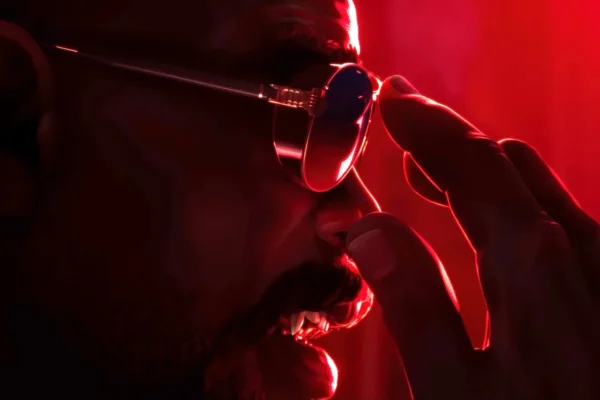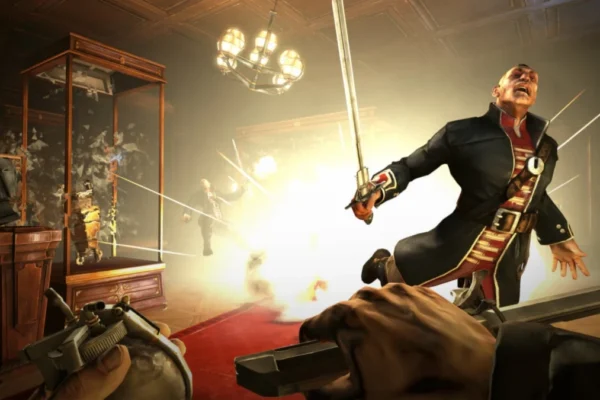





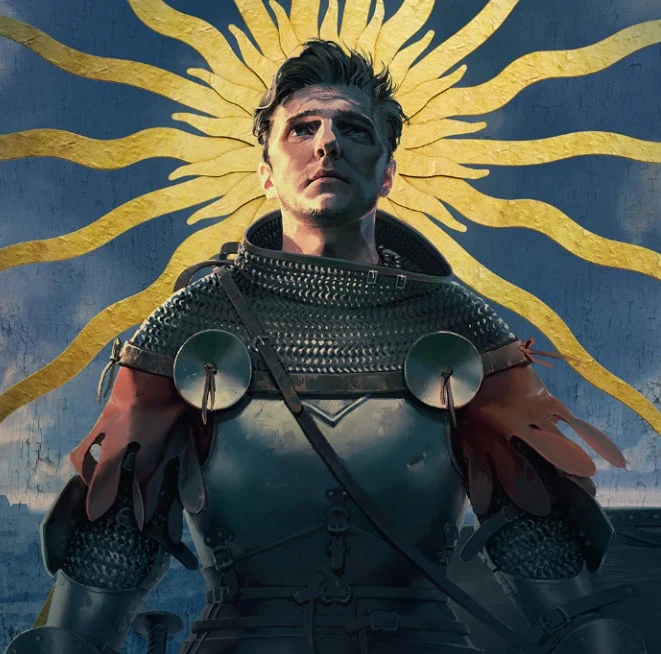




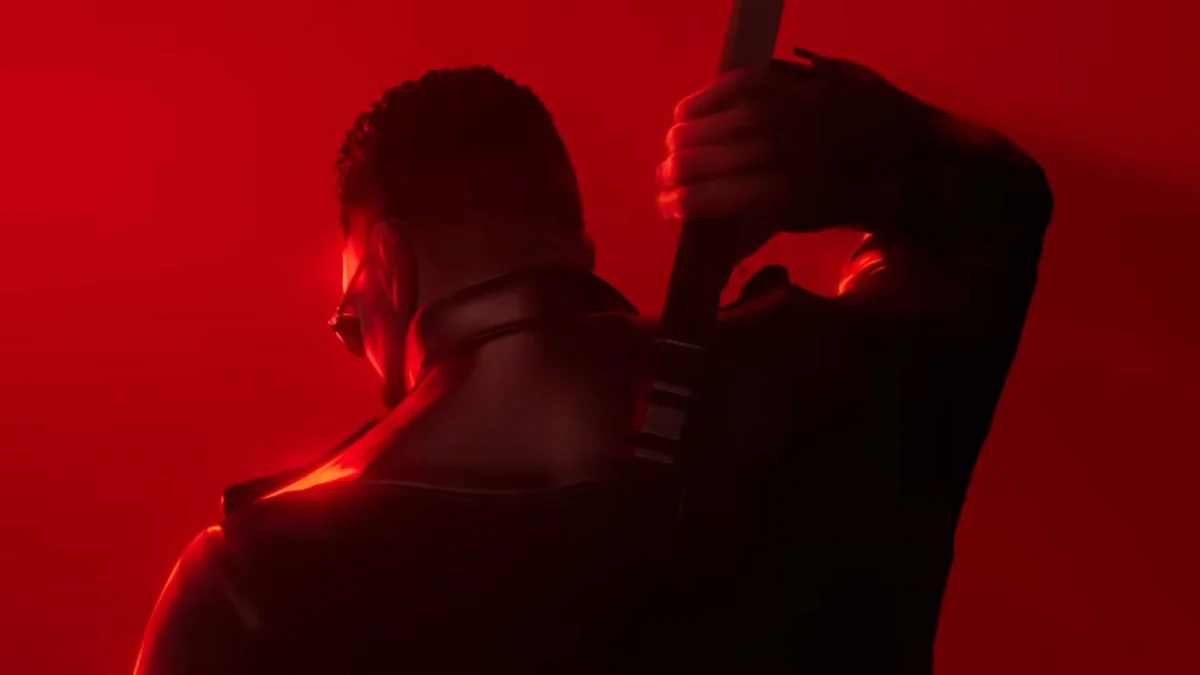
The future of Arkane Lyon, the celebrated development studio behind titles such as Dishonored, Deathloop, and the upcoming Marvel’s Blade, hangs in a precarious balance following recent announcements from Microsoft. The STJV (Syndicat des travailleureuses du jeu vidéo), a prominent French labor union representing workers within the studio, has released a scathing assessment of the situation, asserting that Microsoft’s decision to pursue closure or a divestment of the studio is based on a cold, algorithmic pursuit of short-term profit rather than fiscal reality. According to the union, the costs associated with shuttering the studio and abandoning the ongoing development of Marvel’s Blade would likely exceed the investment required to see the project to its completion.
A Chronology of Uncertainty
The current crisis at Arkane Lyon is the latest chapter in a broader restructuring effort within Microsoft’s gaming division. Following the multi-billion-dollar acquisition of Activision Blizzard, Microsoft has been aggressively consolidating its operations, leading to widespread layoffs across its first-party portfolio.
In early 2024, rumors began to circulate regarding the stability of several Xbox-owned studios. By mid-2024, these concerns materialized into concrete actions as Microsoft announced sweeping job cuts. Arkane Lyon, which had been operating under the ZeniMax umbrella prior to Microsoft’s 2021 acquisition, was placed in a state of extended consultation. As of late 2024, the studio has been granted until December to secure a viable buyer, effectively putting its independence on the market. While entities such as Ubisoft have been reported as potential suitors, no formal acquisition agreement has been finalized, leaving the workforce in a state of suspended animation.
Financial Allegations and Operational Hurdles
The STJV’s critique centers on the internal management of Arkane Lyon under Microsoft’s stewardship. The union alleges that a rigid, year-long hiring freeze imposed by the parent company severely hampered the studio’s ability to scale appropriately. This policy, they argue, led to forced internal delays and an artificial inflation of the development budget as the existing team struggled to cover the workload of missing personnel.
"Microsoft now uses those same delays and additional costs as a justification to close the studio," the union stated. The assertion is that the "inhuman logic" applied by Microsoft’s leadership prioritizes immediate, quarterly-driven financial optimization over the long-term value of a profitable studio. By the union’s estimation, Arkane Lyon is a fundamentally healthy business entity; it is only within the specific, high-pressure financial metrics of Microsoft’s current corporate strategy that the studio is deemed a liability.
Broader Implications for Xbox Game Studios
Arkane Lyon is not an isolated case. The restructuring efforts have impacted a significant swath of the Xbox Game Studios ecosystem. Other notable developers have faced similar existential challenges. Double Fine, the studio behind the critically acclaimed Psychonauts franchise, and Compulsion Games, known for South of Midnight, have managed to navigate the restructuring, though not without significant personnel losses. These studios have largely focused on securing independence to insulate themselves from the volatility of their parent company’s shifting priorities.
Conversely, the situation for Ninja Theory, the developer of the Hellblade series, appears equally dire. The repeated rounds of layoffs and the closing of studios like Tango Gameworks—which was shuttered earlier this year despite the massive success of Hi-Fi Rush—have created a climate of profound apprehension throughout the industry. Analysts point to these events as evidence of a shift in the "Games as a Service" (GaaS) model, where legacy prestige and high-quality, single-player experiences are being subordinated to projects that can promise more predictable, recurring revenue streams.
Union Demands and Employee Protection
In response to the threat of closure, the STJV has moved beyond rhetorical criticism to formal demands aimed at protecting the workforce. The union is insisting that employees be granted a seat at the table in the selection of any potential buyer, ensuring that the studio’s culture and the stability of its workforce are considered alongside the financial terms of the deal.
Furthermore, the union is addressing the inadequacy of current severance packages. Should acquisition talks fail and the studio face full-scale closure, the union maintains that Microsoft’s proposed redundancy packages are "outrageously low" given the scale of the operation and the tenure of the staff. They are formally demanding a redundancy payment of €200,000 per employee, along with comprehensive support services to assist staff in finding new employment. These demands highlight a growing trend of organized labor asserting its influence in the tech and gaming sectors, particularly when corporate mandates appear to disregard the human capital that creates the products being sold.
Fact-Based Analysis of the Situation
The tension between Arkane Lyon and Microsoft represents a fundamental clash between creative development cycles and corporate financial modeling. Modern AAA game development is an inherently slow, expensive process, often spanning four to six years. When a parent company mandates hiring freezes or unexpected budget pivots during these cycles, it inevitably results in project inefficiencies.
If the union’s assessment of the studio’s profitability is accurate, Microsoft’s pivot away from Arkane suggests that the company is no longer interested in the "prestige" project model that defined the ZeniMax era. Instead, Microsoft appears to be streamlining its operations to focus on massive, high-engagement titles that can anchor the Game Pass subscription service. For a studio like Arkane, which has historically prioritized narrative depth and complex, "immersive sim" mechanics over traditional service-based revenue, this strategic pivot makes them a poor fit for Microsoft’s current long-term goals.
The situation remains fluid. The December deadline for a buyer provides a narrow window of opportunity for the studio to maintain its current structure. However, the reliance on an external buyer at a time when the broader gaming industry is experiencing a contraction in venture capital and internal investment creates a high-risk environment.
Conclusion: The Future of Marvel’s Blade
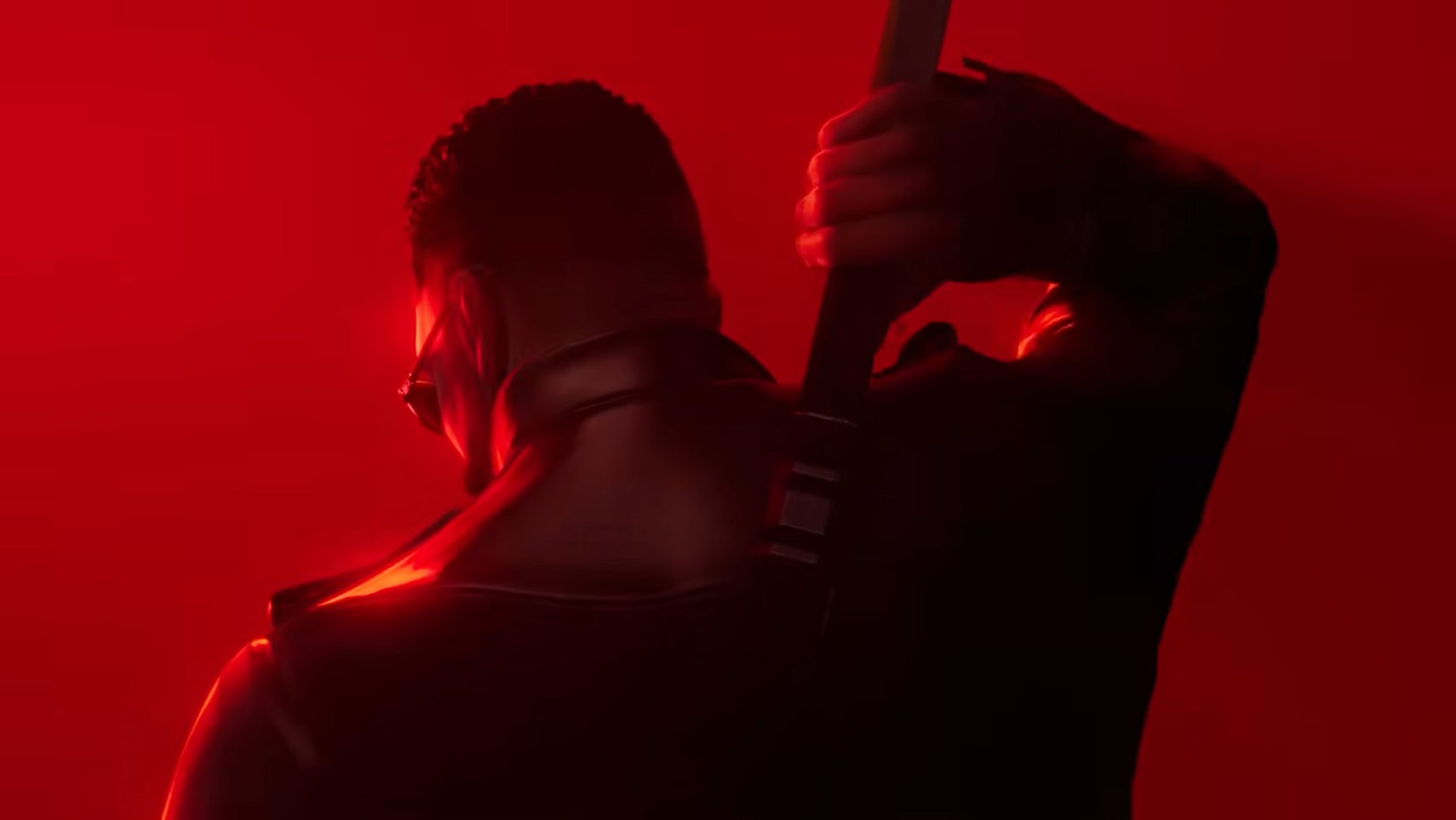
Despite the organizational turmoil, the development of Marvel’s Blade is reported to be proceeding according to schedule and is meeting internal quality benchmarks. The irony, as pointed out by the union, is that Microsoft is essentially sabotaging an asset it has already heavily funded. The game remains one of the most anticipated titles in the industry, and its cancellation would represent a significant blow to the Xbox ecosystem’s release calendar.
As the December deadline approaches, the eyes of the industry remain fixed on Arkane Lyon. Whether the studio is sold to a competitor, restructured into a smaller, independent entity, or forced to close, the outcome will serve as a bellwether for the future of AAA game development under the ownership of major platform holders. The conflict underscores a growing disconnect between the developers who build these digital worlds and the shareholders who determine their longevity. For the staff at Arkane, the struggle is not merely about a project or a company—it is about the sustainability of their professional lives in an industry increasingly governed by the cold, often unpredictable, logic of profit maximization.