




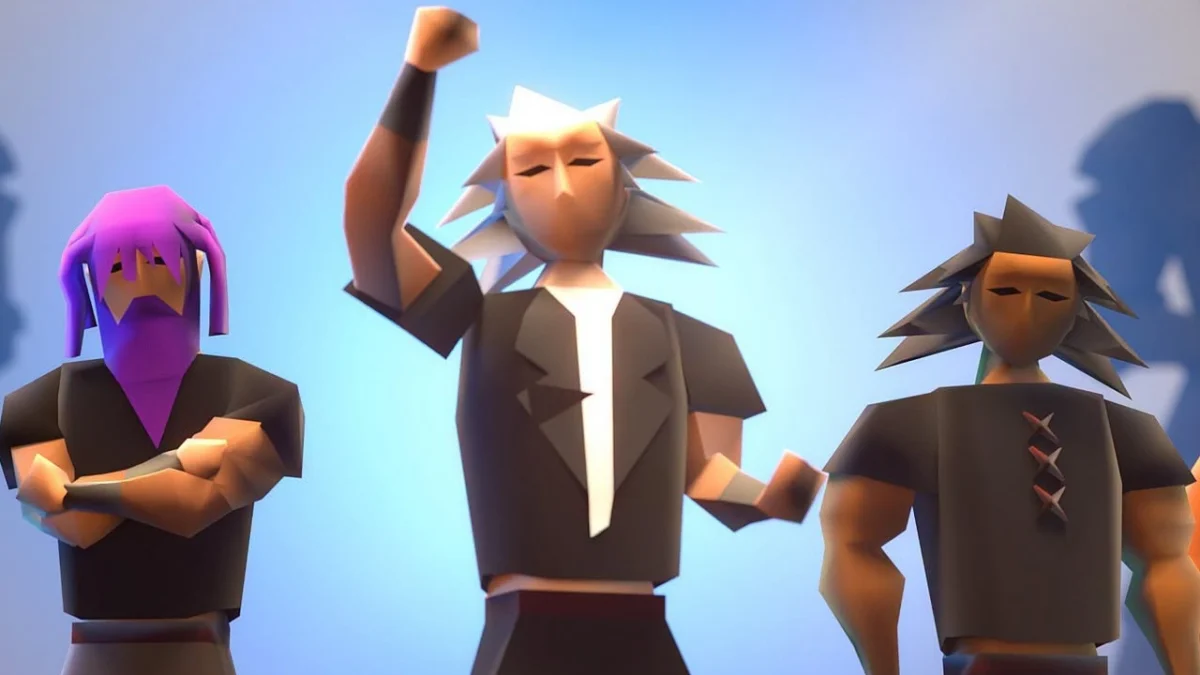
The landscape of modern gaming has long been defined by a tension between high-octane action and the meditative appeal of incremental progression. RuneScape, the venerable MMORPG that has commanded a loyal player base for over two decades, is perhaps the quintessential example of the latter. Its core loop—repetitive, satisfying, and deeply numeric—has now found a formal successor in the realm of idle gaming. Jagex, the developer and publisher behind the RuneScape franchise, has officially deepened its partnership with Games by Malcs to announce Melvor Idle 2, a project that seeks to distill the essence of the RuneScape experience into a streamlined, idle-focused adventure.
This development marks a significant evolution in the relationship between the Cambridge-based publisher and the independent creator of the Melvor Idle series. By officially branding the upcoming sequel under the "RuneScape Adventure" banner, Jagex is signaling a shift toward a more cohesive, multi-platform ecosystem that leverages its intellectual property across different genres.
A Chronology of Collaboration
The partnership between Jagex and Games by Malcs is not a recent phenomenon, but rather the culmination of a five-year trajectory. The original Melvor Idle was created by a solo developer who sought to capture the "purest form" of the RuneScape experience—stripping away the 3D movement and real-time combat in favor of menu-driven progression and strategic resource management.
In 2021, Jagex formally stepped in as the publisher for the first Melvor Idle title. At the time, the move was met with a mixture of excitement and skepticism. The RuneScape community, historically protective of their game’s integrity, voiced concerns on social media platforms such as Reddit regarding the potential for aggressive monetization, particularly given the prevalence of microtransactions in the modern mobile gaming market.
Despite these initial reservations, the partnership proved successful. Games by Malcs maintained creative autonomy, and the title remained true to its "idle" roots, focusing on accessibility and deep, spreadsheet-like progression systems. The announcement of Melvor Idle 2 serves as an endorsement of this collaborative model, confirming that the partnership has matured into a long-term strategic alignment.
Technical Specifications and Gameplay Evolution
While the original Melvor Idle was a faithful homage, the sequel, Melvor Idle 2, represents a technical and mechanical expansion. According to the development roadmap shared by the teams, the game will feature overhauled visuals, providing a more polished interface that remains intuitive for long-term players.
One of the most requested features from the player community was an increase in the progression ceiling. Jagex and Games by Malcs have confirmed that the level cap will be raised to 120, a significant increase that extends the endgame content and provides a more substantial grind for high-level players. This adjustment mirrors the progression systems found in modern RuneScape, ensuring that the idle experience remains challenging for veterans of the franchise.
Furthermore, the game will be built on a more robust engine, allowing for smoother cross-platform synchronization. This is a vital component for an idle game, where the ability to check progress on a mobile device during a commute and transition to a desktop client at home is essential for player retention.
The Monetization Paradigm
A central pillar of the announcement, and one that has garnered significant attention, is the commitment to a transparent monetization model. In an industry where "free-to-play" often necessitates intrusive advertisements or pay-to-win mechanics, the announcement blog explicitly stated that Melvor Idle 2 will feature "no microtransactions."
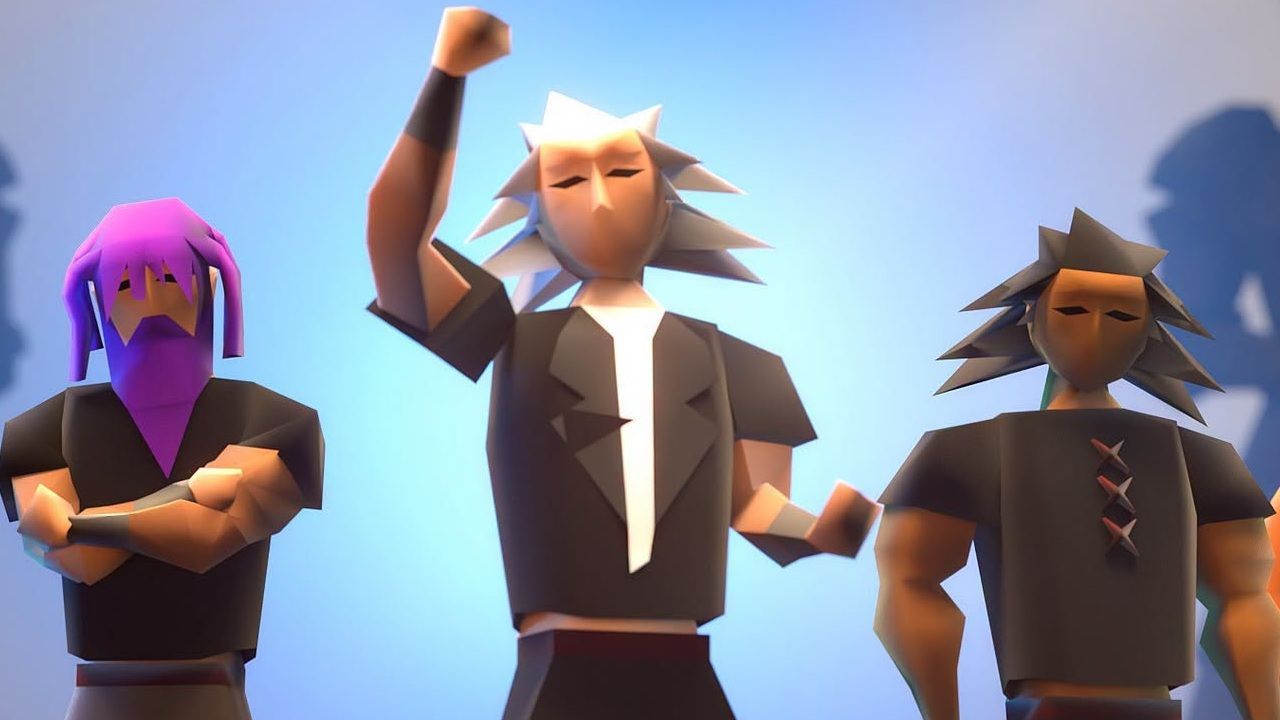
This decision is a strategic move to preserve the reputation of both the RuneScape brand and the Melvor Idle series. By avoiding the predatory monetization schemes that plague many mobile titles, Jagex is positioning the game as a premium, experience-focused product. This aligns with a broader industry trend where players are increasingly favoring "buy-to-play" or subscription-based models over the uncertainty of randomized loot boxes or time-gated energy systems.
Contextualizing the "RuneScape Adventure" Branding
An interesting nuance in the announcement is the clarification that Melvor Idle 2 will not take place within Gielinor, the fictional setting of the RuneScape MMO. While the game draws heavily from the mechanical DNA of RuneScape, it is technically an independent universe.
This branding decision raises questions regarding the future of the "RuneScape Adventure" label. It suggests that Jagex is creating a sub-brand for titles that share the mechanical and aesthetic philosophy of their flagship MMO without being strictly tied to its narrative canon. This approach provides developers with the creative freedom to experiment with new lore and mechanics while still benefiting from the brand recognition and player base of the core RuneScape franchise.
Industry analysts observe that this strategy is common among large intellectual property holders looking to expand their footprint. By decoupling the mechanics from the specific world-building, Jagex can reach a wider audience that may be intimidated by the dense, 20-year-old lore of the original RuneScape, while still providing a familiar gameplay hook for existing fans.
Market Impact and Future Outlook
The decision to lean into the idle genre is, from a business perspective, sound. The idle gaming market has seen consistent growth over the past decade, driven by the rise of "second-monitor" gaming and the increasing demand for titles that respect the player’s time. Melvor Idle 2 occupies a unique space: it is sophisticated enough to satisfy the "number-go-up" obsession of core gamers, yet accessible enough to be played in the background of a professional workday.
The implications for Jagex are twofold. First, it diversifies their revenue streams beyond the subscription-based model of their primary MMO. Second, it revitalizes the RuneScape brand, keeping it relevant to a younger demographic that may prefer the pacing of an idle game over the more demanding real-time input required by traditional MMORPGs.
From the perspective of Games by Malcs, the official backing of Jagex provides a level of stability and marketing reach that is rarely accessible to independent developers. This ensures that the sequel will have the resources required for a global launch, comprehensive post-release support, and a stable infrastructure for long-term updates.
As the development of Melvor Idle 2 progresses, the industry will be watching closely to see if the game can balance the high expectations of the existing fanbase with the demands of a modern mobile market. If the team can replicate the success of the first title while successfully integrating the requested mechanical improvements and the "no-microtransaction" promise, it could serve as a blueprint for how legacy game companies can successfully collaborate with independent developers to revitalize their intellectual properties.
In the final analysis, the project represents a bridge between two worlds: the nostalgic, deep-seated complexity of early 2000s browser gaming and the streamlined, data-driven efficiency of the modern mobile era. Whether one is a seasoned Gielinor veteran or a newcomer to the genre, the arrival of Melvor Idle 2 signals that the "idle" genre is no longer a niche curiosity, but a central component of the evolving gaming ecosystem.