







The original At Dead Of Night, released during the height of the COVID-19 pandemic, carved out a unique niche in the survival horror market. By blending FMV (Full Motion Video) with a 360-degree, point-and-click traversal system, it offered a distinctively claustrophobic experience. The game’s success was propelled by major content creators, including Markiplier, 8-BitRyan, and John Wolfe, who leveraged the game’s unpredictable AI and psychological tension to create highly engaging long-form horror content.
A New Chapter: The Great Hugo
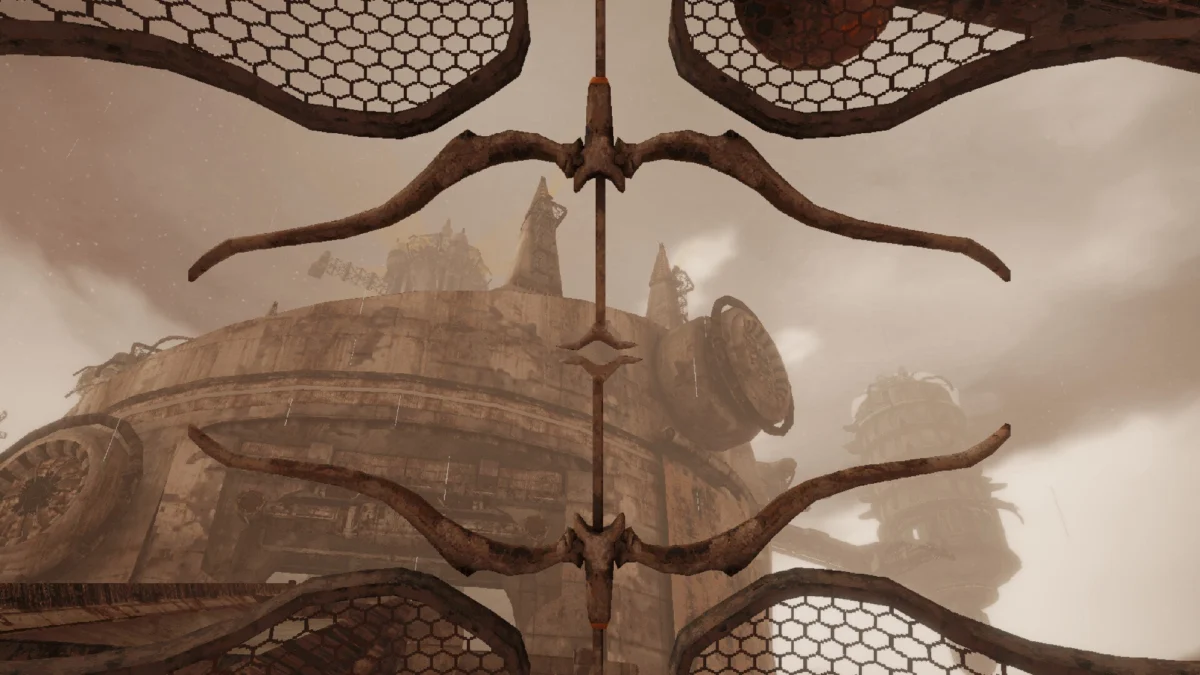
At Dead Of Night 2: The Great Hugo picks up five years after the harrowing events at the Sea View Hotel. The protagonist, Maya, remains deeply traumatized by her initial confrontation with the psychopathic landlord, Jimmy Hall, and his fractured, sadistic alter ego, Hugo Punch. The sequel shifts the setting from the claustrophobic corridors of a seaside hotel to a sprawling, atmospheric Tudor manor house.
The narrative premise hinges on Maya’s inability to move on from her past. Seeking closure, she attempts to reconstruct the supernatural communication device she utilized in the first game—the "ghost box." When she discovers a similar antique device, she finds herself unable to activate it. This leads her to consult with Quinn, a former counselor who aided her during the events of the first game. Despite Quinn’s explicit warnings about the malevolent forces associated with the device’s origin, Maya embarks on an unauthorized investigation, leading her directly into the heart of the Tudor manor.
The Evolution of FMV Horror
The FMV genre has undergone a significant transformation since the mid-1990s. While early attempts at interactive cinema, such as Night Trap or Phantasmagoria, were often criticized for their campy performances and technical limitations, modern titles like At Dead Of Night have successfully modernized the medium. By integrating high-quality digital assets with live-action footage, Baggy Cat Games demonstrated that the genre could effectively compete with AAA horror titles in terms of atmosphere and dread.
The success of the original game is a testament to the "streamer-friendly" design philosophy. The game’s mechanics—which involve avoiding a persistent, intelligent stalker while gathering clues—provided infinite replayability and high-stakes moments that resonated with audiences on platforms like Twitch and YouTube. The developers’ decision to pursue a direct sequel indicates a desire to capitalize on the established lore of the Jimmy Hall character while expanding the supernatural mythology of the series.
Chronology of a Cult Phenomenon
The trajectory of the At Dead Of Night franchise serves as a case study for modern indie game distribution:
- 2020: Release of At Dead Of Night. The game gains immediate traction due to the lockdown-era demand for immersive, single-player horror experiences.
- 2021–2022: The game achieves "cult classic" status as major influencers consistently feature it in horror-themed content marathons, leading to a surge in Steam sales and community engagement.
- 2023–2024: Baggy Cat Games maintains a low profile, focusing on community updates and technical patches while keeping the status of a potential sequel largely under wraps.
- Late 2026: The official teaser trailer for The Great Hugo is released, confirming the narrative continuation and the shift to the Tudor manor setting.
Technical and Narrative Implications
From a narrative perspective, the transition from the Sea View Hotel to a Tudor manor suggests a broadening of the series’ scope. Tudor architecture, known for its intricate timber-framing, narrow corridors, and historical associations with domestic tragedy, provides an ideal backdrop for the kind of "haunted house" mechanics the developers have perfected.
Industry analysts suggest that The Great Hugo will likely lean heavily into the psychological trauma experienced by Maya. By framing the narrative as a direct consequence of her unresolved experiences, the developers are signaling a deeper focus on character-driven storytelling rather than relying solely on jump scares. Furthermore, the inclusion of the "ghost box" as a primary mechanic implies that the supernatural elements of the game will remain central to the gameplay loop, potentially introducing more complex puzzle-solving and investigative layers than the original title.
Industry Context and Market Trends
The announcement of At Dead Of Night 2 comes at a time when the horror genre is experiencing a period of creative experimentation. Just this week, the developer of the acclaimed horror title The Mortuary Assistant, Brian Clarke, released a free, bite-sized experience titled Playable Archive. This release is a fragment of a larger, cancelled Paranormal Activity project, and its reception highlights the industry’s current appetite for "bite-sized" horror content and the "lost media" aesthetic.

The parallel between The Great Hugo and other recent experimental horror projects suggests a wider trend: developers are increasingly utilizing digital platforms to foster direct, intimate connections with their player bases. By utilizing trailers and social media teasers to build anticipation, indie developers are creating "event-based" releases that bypass traditional marketing cycles.
Future Expectations
While Baggy Cat Games has remained tight-lipped regarding a specific launch date, the "(very) soon" designation suggests that the project is likely in the final stages of polish. For fans of the original game, the return of Maya and the introduction of a new, potentially even more dangerous environment, represents the fulfillment of years of community speculation.
The primary challenge for the developers will be balancing the nostalgia for the original game’s specific brand of terror with the need for innovation. The original At Dead Of Night was effective because of its simplicity and the novelty of its AI-driven stalker. To succeed, The Great Hugo must retain that core intensity while evolving the gameplay to prevent the experience from feeling like a mere aesthetic re-skin.
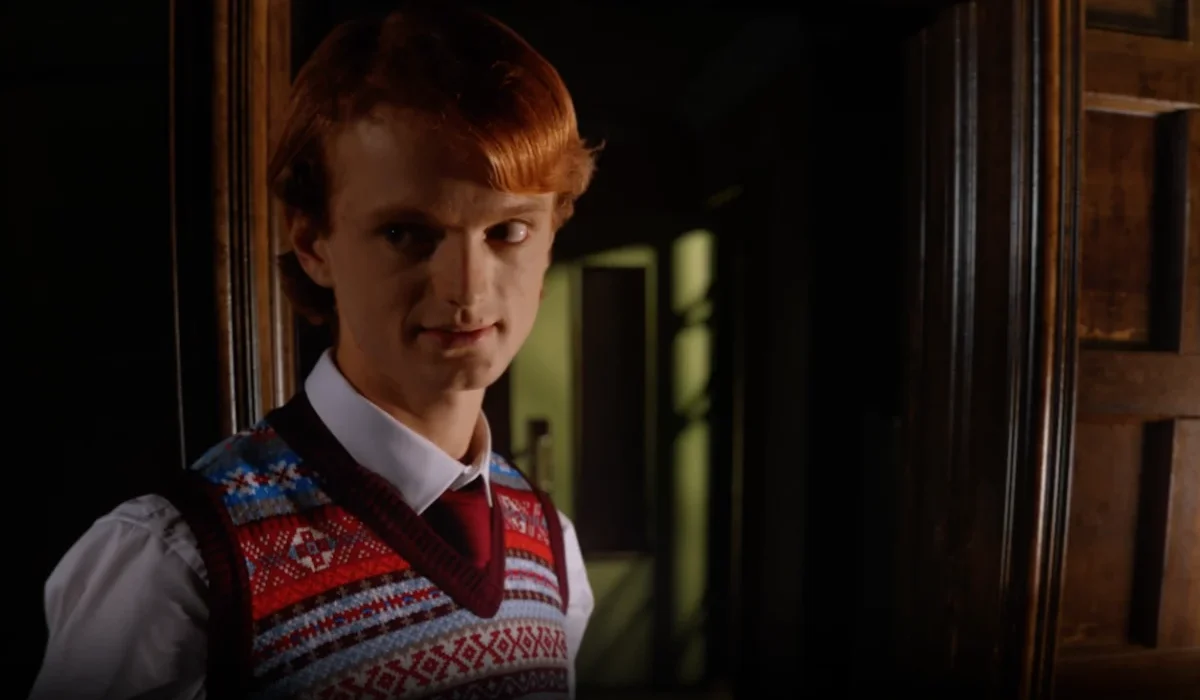
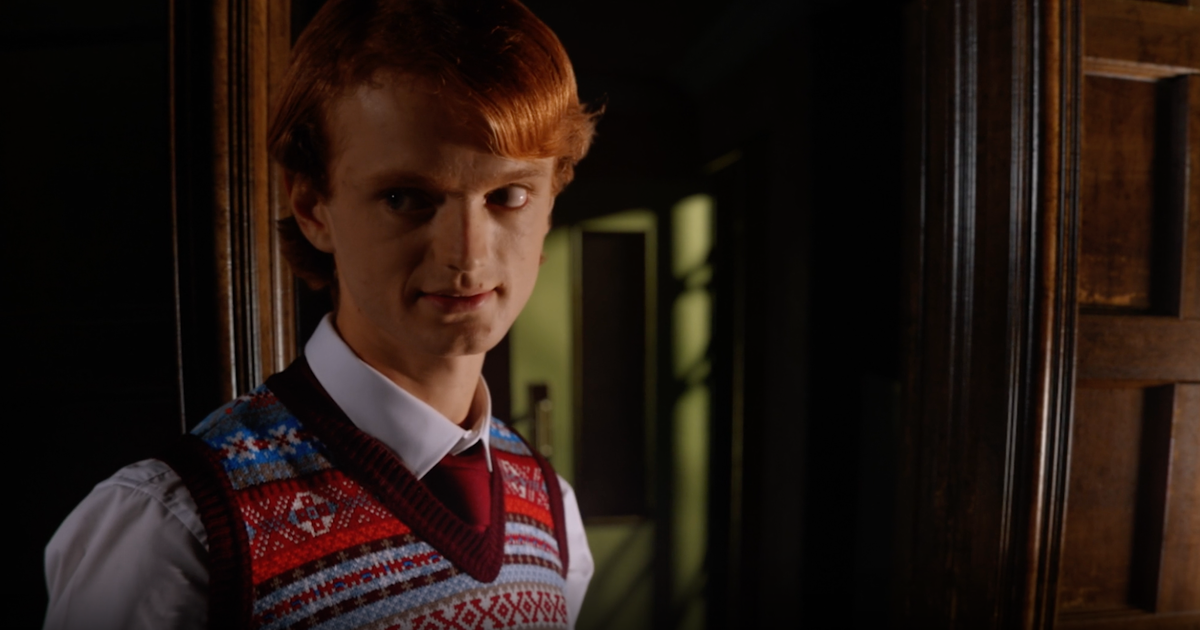
If the trailer is any indication, the visual fidelity and the unsettling, smirk-filled menace of the antagonist remain the pillars of the experience. The inclusion of the "Great Hugo" subtitle also hints at a more prominent, perhaps more malevolent role for the antagonist’s alter ego, suggesting that the sequel may explore the darker, more supernatural aspects of his origins.
As the release date approaches, the gaming community will be watching closely to see if Baggy Cat Games can replicate the lightning-in-a-bottle success of their initial offering. For now, the prospect of returning to a world where a simple antique device can bridge the gap between the living and the dead is enough to sustain the momentum built over the last five years. Whether this sequel will redefine the FMV genre remains to be seen, but the anticipation surrounding the project confirms that At Dead Of Night remains a formidable force in the indie horror landscape.