









The Origins and Evolution of Project F-Stop
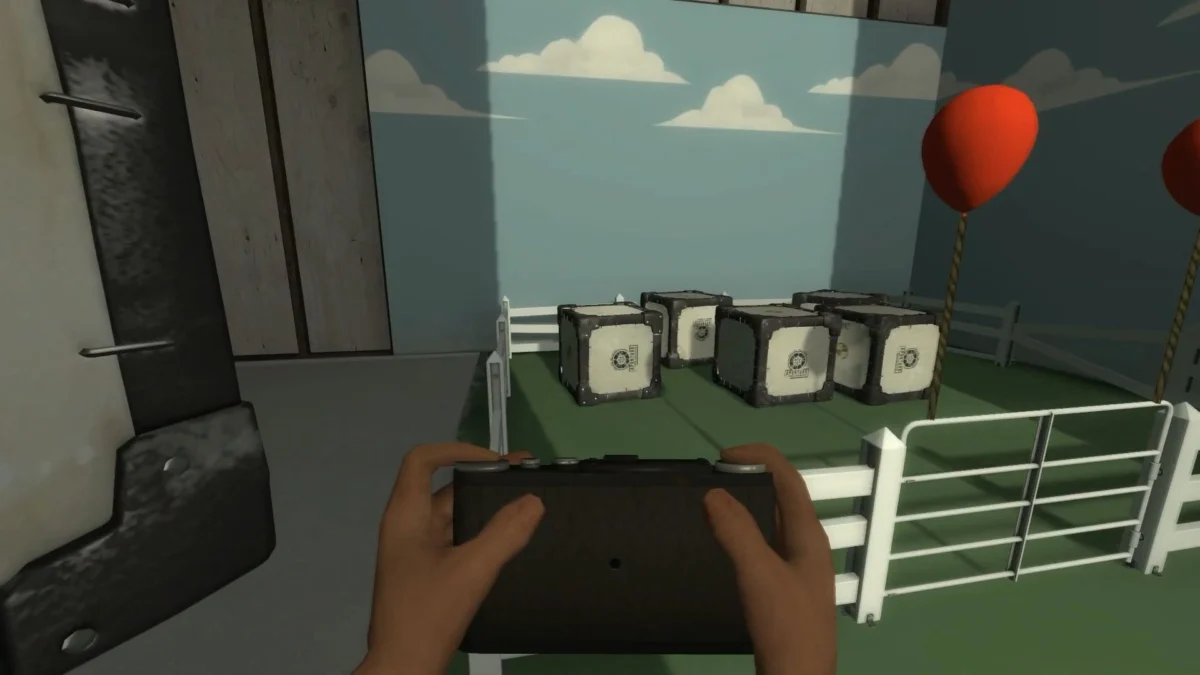
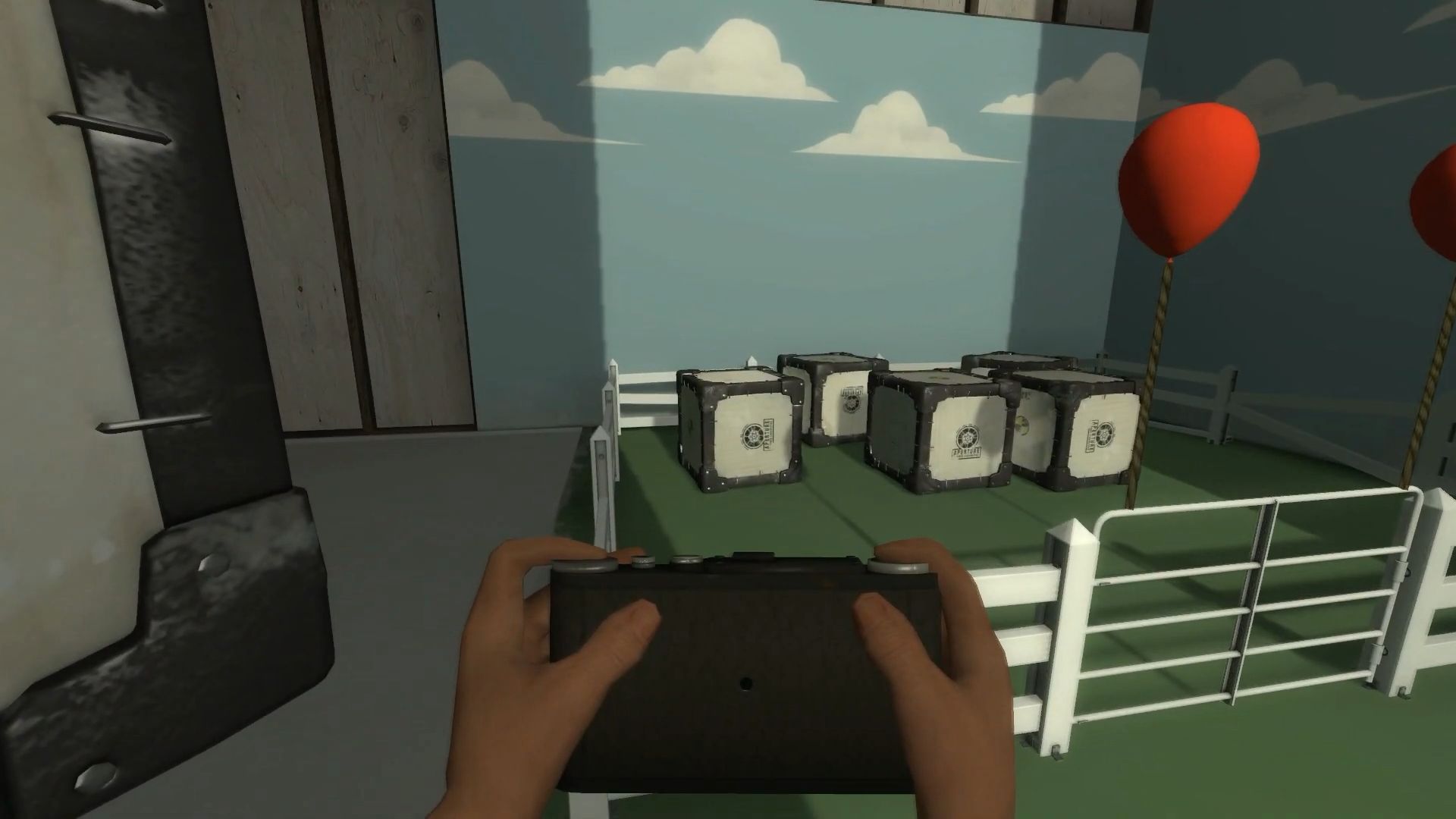
The development of F-Stop began in the mid-2000s, shortly after the release of the first Portal. Valve, known for its iterative design philosophy, sought to explore new ways to challenge players without relying exclusively on the portal-gun mechanics that defined the franchise’s debut. The project, which was eventually codenamed "Aperture Camera," focused on a revolutionary mechanic: the ability to photograph objects in the environment, freeze them in time as digital images, and subsequently rescale or relocate them into the three-dimensional game world.
This mechanic, while novel at the time, predated the release of indie titles like Superliminal, which later gained critical acclaim for employing nearly identical forced-perspective and object-manipulation mechanics. During its development cycle, the team at Valve experimented with various iterations of this camera system. Despite the enthusiasm of the internal development team and reportedly even Gabe Newell himself, the project faced significant hurdles during playtesting sessions. Early feedback suggested that while the concept was intellectually stimulating, it lacked the cohesive narrative momentum and the intuitive "flow" that players had come to expect from a title bearing the Portal brand.
Chronology of a Cancelled Title
The timeline of F-Stop is a testament to the volatile nature of game development, characterized by long periods of silence followed by sudden, fragmented revelations:
- 2007–2008: Development of F-Stop begins as a direct follow-up to the original Portal.
- 2009–2010: The project undergoes extensive playtesting. Following poor reception regarding the game’s pacing and accessibility, Valve shifts its internal focus toward the development of a more traditional sequel, leading to the creation of Portal 2.
- 2010–2020: F-Stop is officially relegated to the status of "cut content." Small fragments of its logic are integrated into the puzzle-solving segments of Portal 2, but the game itself remains unreleased.
- 2020: A deeper, semi-official retrospective on the game is released, detailing the mechanics of the camera system and confirming the game’s existence to a wider audience.
- August 2024: A massive data leak involving 12 terabytes of Steam-related files surfaces online. While this leak contained significant internal assets for various Valve projects, it notably included the primary assets for F-Stop.
- Late 2024: The Valve Cut Content team, in collaboration with various data miners, successfully compiles the leaked source code and map data, resulting in a fully playable version of the game.
The Mechanics of Perception
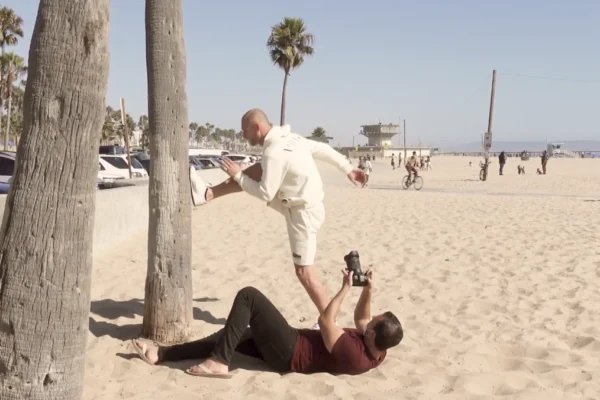
The core gameplay loop of F-Stop revolves around the "camera" tool. By capturing an image of an object, the player effectively removes that object from the world, transforming it into a photograph. The player can then "place" that photo back into the environment. When the object re-materializes, its size is determined by the player’s perspective at the time of placement.
For instance, a small toy box captured from a distance can be placed as a massive, climbable platform, or a large, obstructive crate can be shrunk down to a portable size. This mechanic effectively turned the environment itself into a puzzle, forcing players to think about geometry and depth in ways that traditional platformers rarely demanded. The technical challenge for Valve in the late 2000s was ensuring that these manipulations remained stable within the Source engine, which at the time was being pushed to its limits by the game’s recursive physics calculations.
The Economics of Data Leaks
The path to a playable version of F-Stop was not straightforward. While the 12TB data leak in August provided the raw assets, the specific map data required to build a cohesive experience was held back by an anonymous individual who reportedly demanded $1,000 for the files. The refusal of the community to engage in such transactions underscores the complex ethics surrounding digital archaeology and game preservation.
The eventual release of the data via the Valve Cut Content Discord server was achieved through community persistence rather than financial incentive. This act of preservation is critical, as it allows historians and developers to study how Valve pivoted from a purely puzzle-based mechanics experiment to the character-driven, narrative-rich experience that eventually became Portal 2.
Broader Implications for the Industry
The story of F-Stop serves as a poignant reminder of the "kill your darlings" philosophy often cited in game development. Valve’s decision to move away from F-Stop was not necessarily a failure of vision, but a calculated pivot toward a product that could reach a broader audience. By integrating the best elements of F-Stop into the larger framework of Portal 2, Valve ensured that the technology did not go to waste, even if the individual game itself was abandoned.
However, the release of the playable build raises questions regarding the future of archival gaming. As more source code leaks, the industry is forced to reckon with how unreleased content is handled. For Valve, this leak is an involuntary public relations moment, forcing a re-evaluation of how much of their "secret" history is actually at risk of being exposed. Conversely, for the modding and preservation communities, the release of F-Stop is a triumph of technical ingenuity, proving that even "dead" games can be resurrected for study and entertainment.
Technical Analysis and Reception
From a modern perspective, F-Stop feels remarkably ahead of its time. When compared to the success of titles like Superliminal, which successfully commercialized similar concepts, one might argue that Valve’s decision to cancel the game was perhaps premature. However, internal reports from the era suggested that the complexity of the puzzle-solving mechanics often alienated testers who struggled to grasp the relationship between the camera lens and the spatial geometry of the rooms.
The version now available to the public is, by all accounts, a "proof of concept" build. It lacks the polish of a retail product, featuring placeholder textures and occasionally buggy collision detection. Despite this, it provides an invaluable case study for developers interested in the evolution of first-person puzzle games. It demonstrates that the transition from a novel idea to a coherent game requires more than just a clever mechanic; it requires a level of player onboarding and narrative integration that, in the case of F-Stop, simply was not there at the time.
Conclusion
The emergence of F-Stop as a playable experience is a landmark event in the history of digital gaming preservation. It demystifies a legendary "lost" title, transforms speculation into tangible data, and provides a clear window into the developmental crossroads that led to one of the most successful puzzle franchises in history. While the game may never have been intended for the mass market, its survival—and the subsequent community effort to restore it—ensures that the creative spirit behind the Aperture Science project will continue to be analyzed and appreciated by future generations of gamers and developers alike.