








The modern music industry is currently defined by the ubiquity of streaming platforms, yet a robust counter-movement has solidified the relevance of physical media. As What Hi-Fi? marks its 50th anniversary, the discourse surrounding audio consumption has shifted from pure convenience to a more nuanced appreciation of ownership, fidelity, and the tactile experience of music. While streaming services dominate market share, the persistent growth of vinyl records and the stabilization of the compact disc market demonstrate that consumers are seeking more than just digital accessibility; they are pursuing an emotional and physical connection to their libraries that only tangible media can provide.
A Chronology of Audio Evolution
The trajectory of physical music has been characterized by rapid technological leaps, each promising higher fidelity or greater portability. In the 1970s, the vinyl record was the standard, valued for its analog warmth and large-format album art. By the early 1980s, the introduction of the compact disc (CD) revolutionized the industry, offering a digital format that promised durability and pristine sound quality without the surface noise inherent in vinyl.
Throughout the 1990s, the market saw a diversification of formats. The MiniDisc, introduced by Sony in 1992, offered a compact, recordable alternative to the CD, though it struggled to achieve mass-market dominance outside of Japan. Simultaneously, the cassette tape remained a staple for mobile listening due to its affordability and the rise of the Walkman. The early 2000s saw the brief emergence of high-resolution physical formats like Super Audio CD (SACD) and DVD-Audio, which targeted audiophiles seeking studio-quality sound beyond the standard CD specifications. However, the rise of compressed MP3 files and the subsequent dominance of digital streaming platforms temporarily relegated physical media to the status of a niche interest.
Market Data and the Physical Resurgence
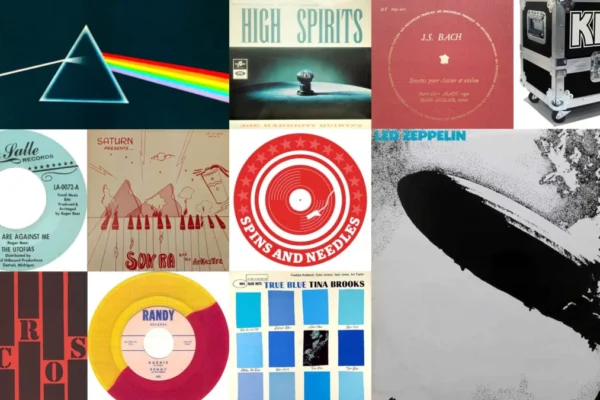
The current landscape suggests a reversal of the predicted obsolescence of physical formats. According to recent reports from the Recording Industry Association of America (RIAA), vinyl sales have experienced a consistent upward trend for over 15 years. In 2023, vinyl records accounted for over 70% of physical music revenue in the United States, marking a significant milestone for the format.
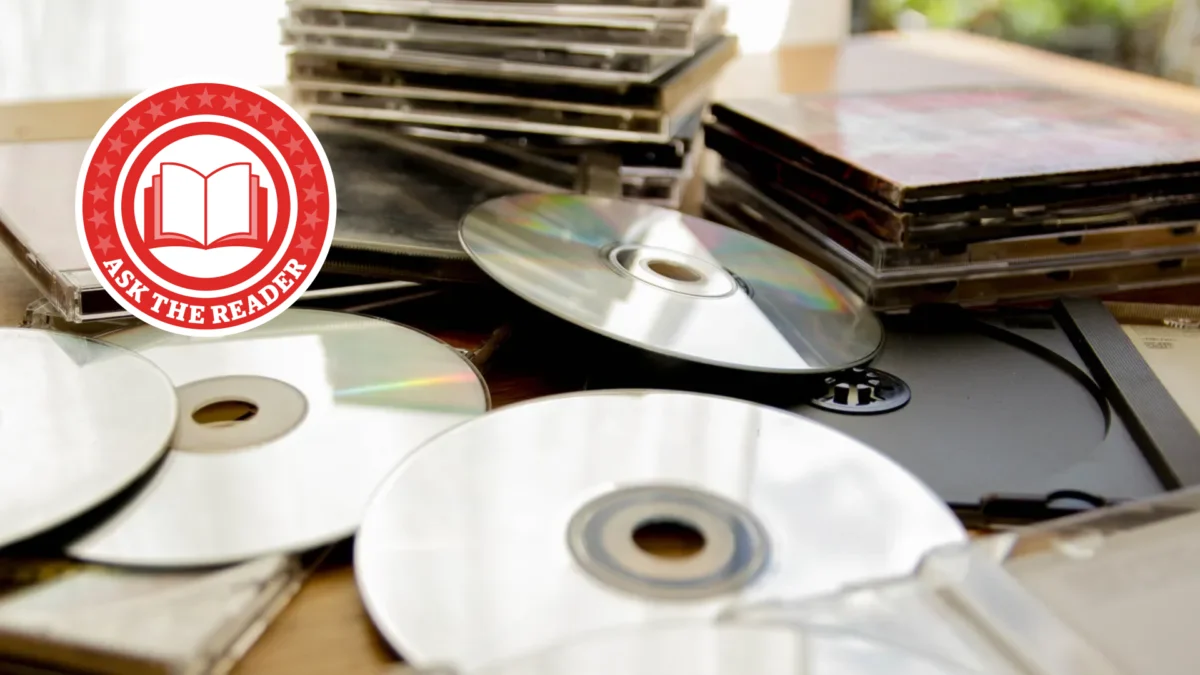
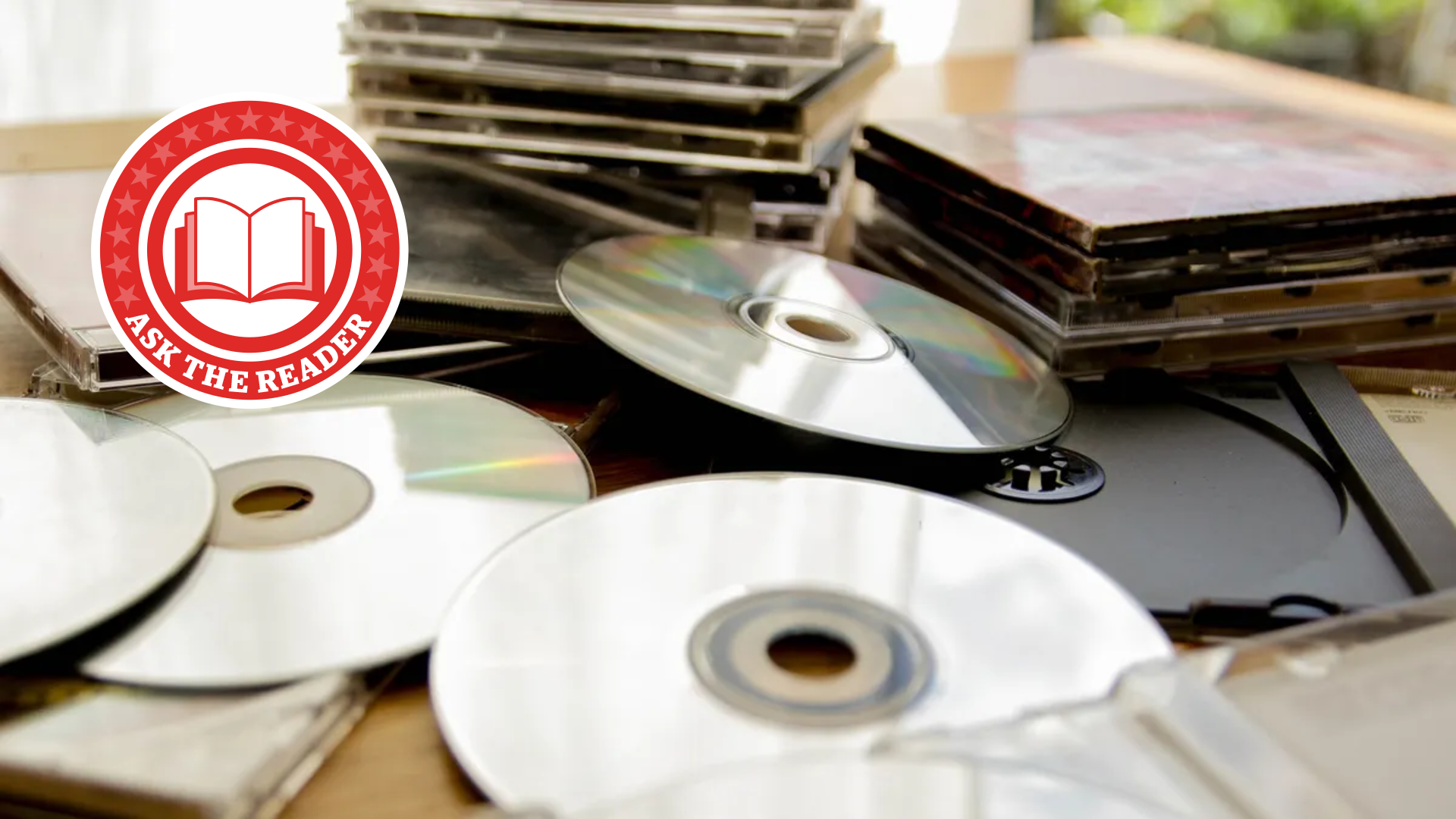
The compact disc, once thought to be on the verge of total erasure, has also seen a stabilization in its decline. Market analysts note a modest but notable uptick in CD sales as younger generations discover the format’s affordability compared to vinyl and its superior sonic consistency compared to lossy streaming streams. For many enthusiasts, the physical ownership of an album—complete with liner notes, lyric sheets, and cover art—serves as a hedge against the ephemeral nature of digital licenses, where albums can be removed from platforms at the whim of licensing agreements.
The Psychology of Ownership and Fidelity
The resurgence of physical media is driven by a combination of factors, ranging from the psychological comfort of tangible objects to the technical pursuit of high-fidelity audio. In a professional sense, the "ownership model" provides a sense of security. When a listener purchases a vinyl record or a CD, they are in possession of a permanent copy of the recording. This stands in stark contrast to the subscription-based model of streaming, where users pay for access rather than possession.
From a technical perspective, vinyl records provide an analog signal path that many audiophiles argue is more natural and engaging than digital counterparts. Conversely, the CD provides a 16-bit/44.1kHz standard that remains the baseline for "Red Book" audio quality, offering a dynamic range and signal-to-noise ratio that often exceeds that of standard streaming services. For the critical listener, the physical format acts as a dedicated playback experience, forcing the listener to engage with the music in a focused, intentional manner rather than treating it as background noise in a playlist-heavy ecosystem.
Industry Implications and Future Outlook
The sustained interest in physical formats has forced manufacturers to re-evaluate their production lines. Companies that had ceased production of turntables, CD players, and cassette decks during the digital boom have returned to the market or increased production to meet demand. This has led to a revitalization of the hi-fi hardware sector, with a new generation of equipment catering to both entry-level collectors and high-end enthusiasts.
The broader impact on the industry is a bifurcated market. On one side, the mainstream consumer continues to prioritize the convenience of algorithmic streaming. On the other, a growing demographic of music lovers is investing in hardware that supports a more immersive listening experience. This divide has fostered a diverse ecosystem where new releases are often simultaneously distributed across streaming platforms, high-resolution digital downloads, and premium physical editions such as limited-run vinyl pressings.
Diverse Perspectives on Format Preference
Industry experts and long-time listeners often debate the merits of these formats with significant intensity. The appeal of the cassette tape, for instance, has shifted from a utilitarian necessity to a cult-favorite among indie music fans, prized for its retro aesthetic and the ritualistic process of "winding" the tape. The MiniDisc continues to hold a dedicated fan base who appreciate its combination of digital-style navigation and physical portability.
Meanwhile, those who favor SACD and DVD-Audio emphasize the importance of multi-channel audio and the higher bit-depths that these formats provide, which remain largely unavailable through standard streaming interfaces. The choice of format is rarely purely objective; it is deeply tied to the listener’s personal history and their introduction to music. For those who grew up in the era of the LP, the vinyl format represents a return to a familiar, high-quality standard. For those who came of age during the CD era, the convenience of the digital disc remains the gold standard of music collection.
Conclusion: A Coexistence of Media
As the audio industry looks toward the next 50 years, the conclusion is clear: physical media is not a dying technology, but rather a permanent, albeit transformed, pillar of music consumption. The coexistence of streaming and physical media allows for a hybrid approach, where listeners can utilize digital platforms for discovery and physical media for deep listening and curation.
The "format wars" of the past have effectively ended, replaced by a sophisticated appreciation for the unique benefits offered by each medium. Whether it is the crackle of a stylus in a groove, the laser-read precision of a CD, or the nostalgic hum of a cassette motor, the physical connection to music remains an essential part of the cultural experience. As industry stakeholders continue to support these formats, it is evident that for millions of listeners, the music is not truly "there" until it can be held in their hands.