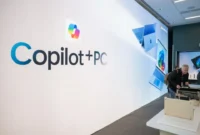
For over three decades, Dell has remained a cornerstone of the personal computing market. From the iconic "Dude, you’re getting a Dell" marketing blitz of the early 2000s to the modern, high-performance engineering found in the current XPS and Inspiron lineups, the company has consistently adapted to the shifting needs of both casual consumers and enterprise professionals. As we move through 2025, Dell has implemented a significant restructuring of its product nomenclature, aimed at simplifying a historically fragmented naming convention to better compete with rivals like Apple. This shift, which began in January 2025, marks the most substantial change to Dell’s branding strategy in recent memory.

The Evolution of Dell’s Product Lineup and Branding
The 2025 branding transition replaces legacy series names—Inspiron, XPS, Latitude, and Precision—with a more streamlined hierarchy. The goal is to provide consumers with a clearer understanding of a device’s capabilities by using a tiered naming system. Standard consumer laptops are now simply categorized under the "Dell" banner, while the premium tier is designated as "Dell Premium" (formerly XPS). For business users, the "Latitude" line has transitioned to "Dell Pro," with three distinct tiers: Dell Pro, Dell Pro Plus, and Dell Pro Premium. The workstation-class "Precision" line has been rebranded as "Dell Pro Max," similarly divided into Pro Max, Pro Max Plus, and Pro Max Premium tiers.
While the names have changed, the fundamental architecture and design philosophies remain largely consistent with the previous generation. This rebranding effort is largely viewed by industry analysts as a strategic move to lower the barrier to entry for new customers who may have previously found the diverse nomenclature confusing. By aligning its naming structure closer to the simplified tiers seen in smartphones and tablets, Dell is positioning its hardware to be more accessible in a global marketplace that increasingly favors clarity over legacy technical branding.
Top Performers in the 2025 Dell Ecosystem
Identifying the "best" laptop depends heavily on the specific use case, whether it is high-end creative work, budget-conscious productivity, or mobile gaming. Based on rigorous testing, several models have emerged as the current benchmarks for the brand.
The Dell Inspiron 14 Plus (7441), equipped with the Qualcomm Snapdragon X Plus processor, has set a new standard for general-purpose computing. In laboratory testing, this model achieved an impressive 18 hours and 20 minutes of battery life, far exceeding the industry average of approximately 13 hours. With a multicore Geekbench 6 score of 13,281, it proves that Windows on ARM architecture has matured significantly, offering efficiency and speed that rivals the performance of many Intel-based counterparts.
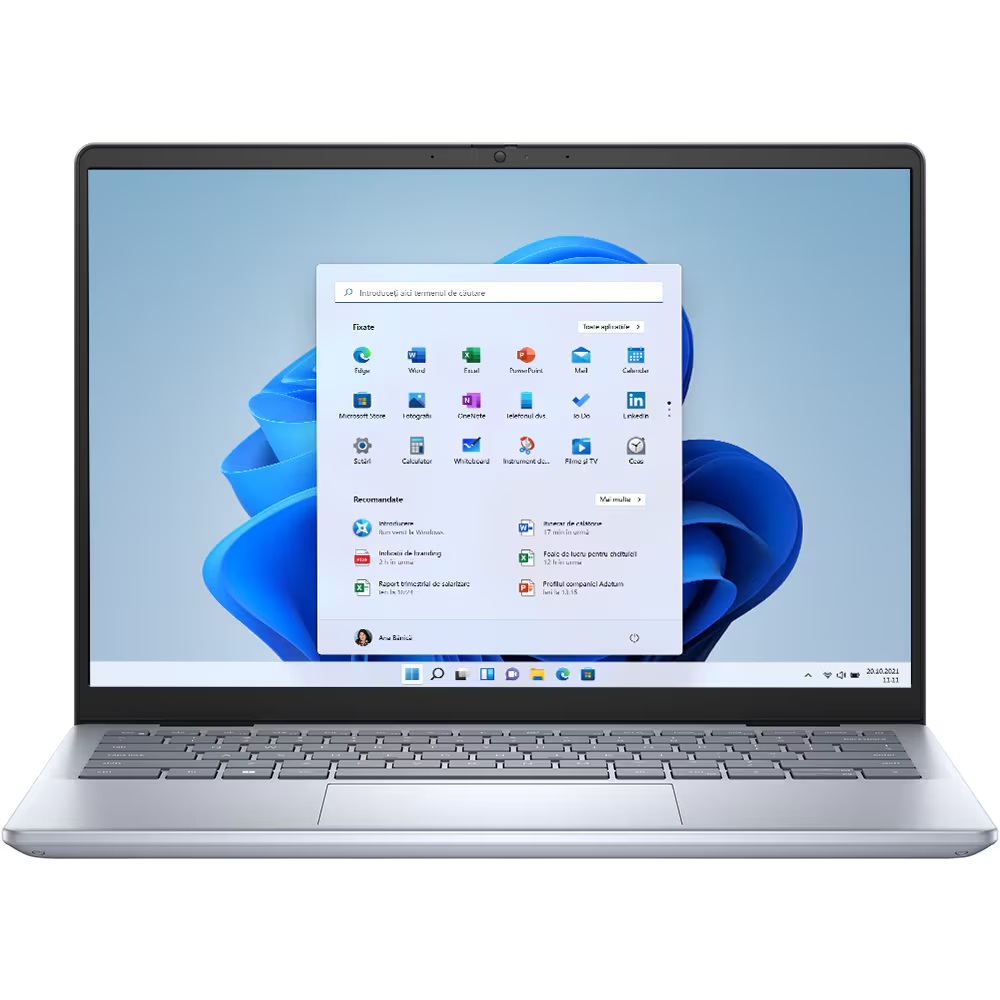
For users prioritizing value, the Intel-based Inspiron 14 Plus (7440) remains a powerhouse. While it does not match the battery longevity of the Snapdragon version, its Intel Core Ultra 7 155H processor and integrated Intel Arc graphics provide a distinct advantage in graphic-intensive tasks. It scored 8,082 in 3DMark’s Fire Strike benchmark, a 27% increase in graphical performance over its Snapdragon sibling. This makes it an ideal candidate for students or professionals who need to balance productivity with light creative work, such as photo editing or legacy gaming.
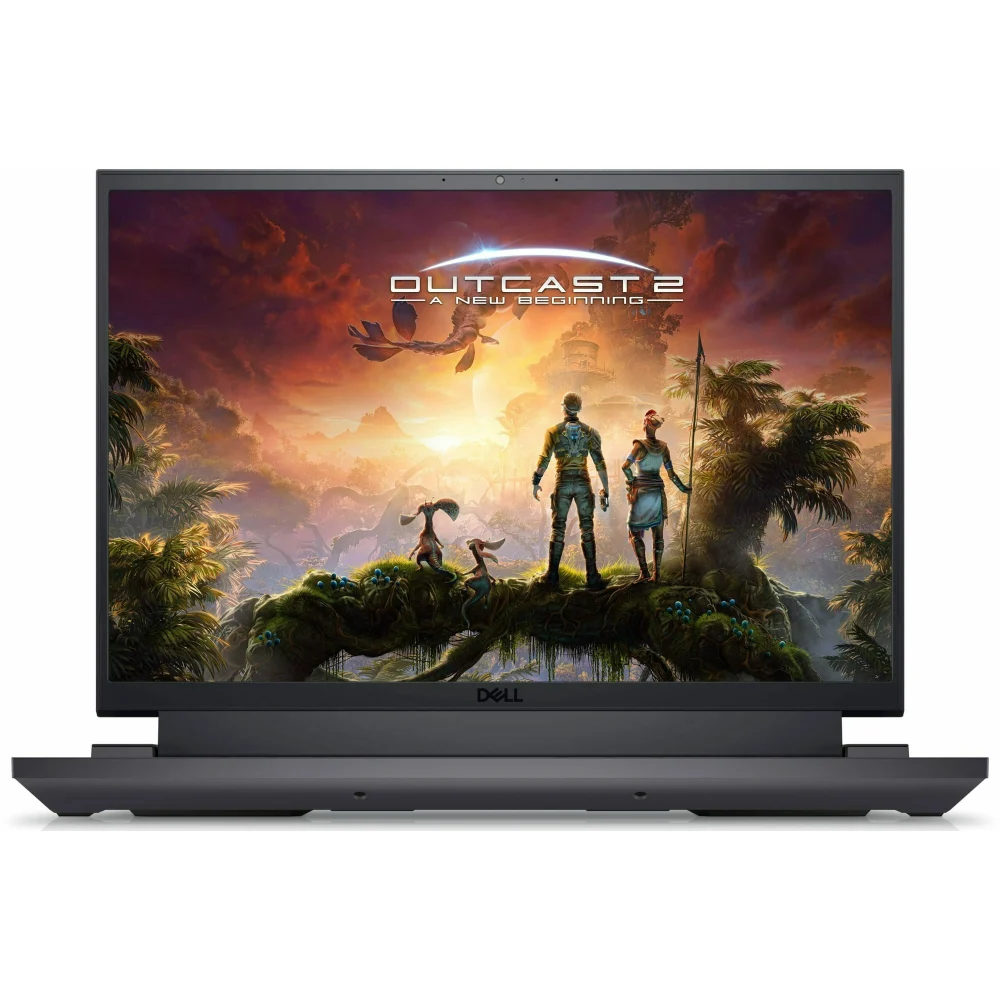
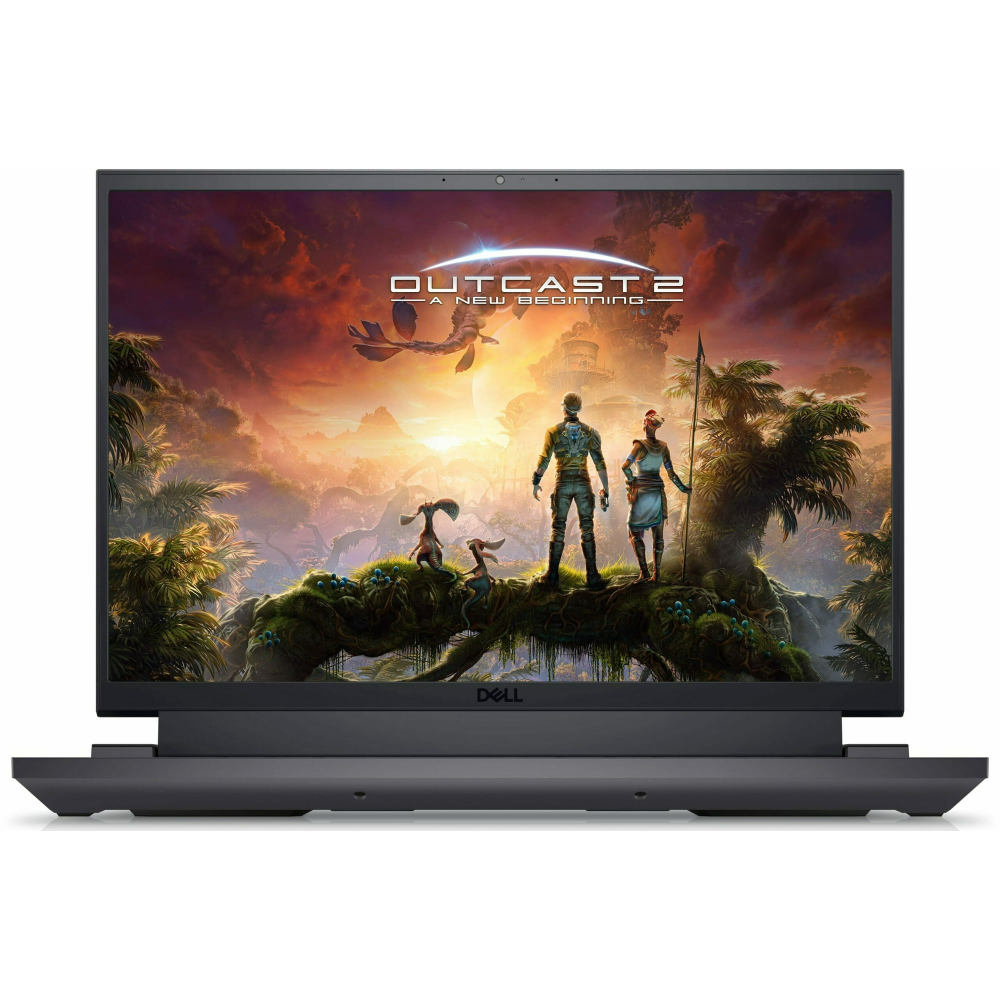
Gaming remains a specialized segment, and the Dell G16 (7630) continues to be the standout choice for budget-conscious gamers. By pairing an Intel Core i7-1365HX processor with an Nvidia GeForce RTX 4060, the G16 achieves playable frame rates in demanding titles like Cyberpunk 2077. Its inclusion of a 240Hz display and a mechanical keyboard with Cherry MX switches is an outlier in the sub-$1,000 price category, where manufacturers typically sacrifice build quality to maintain affordability.
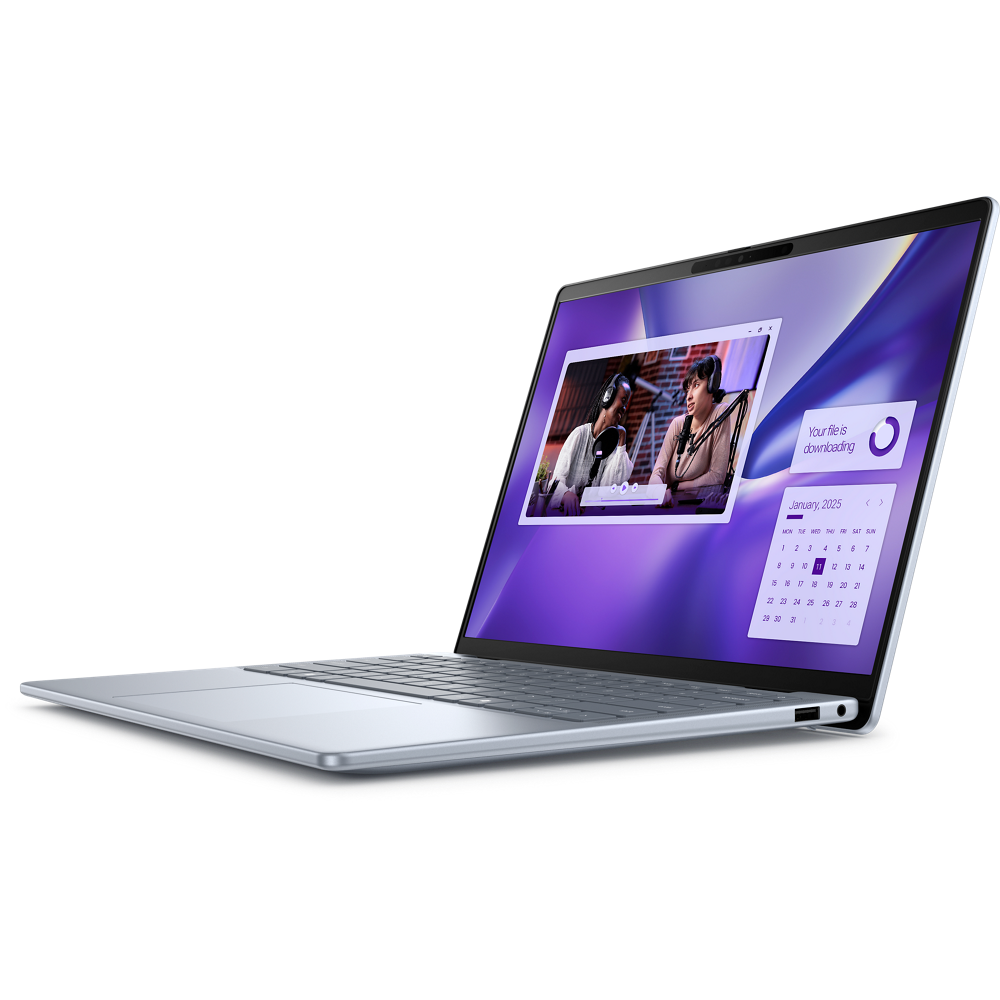
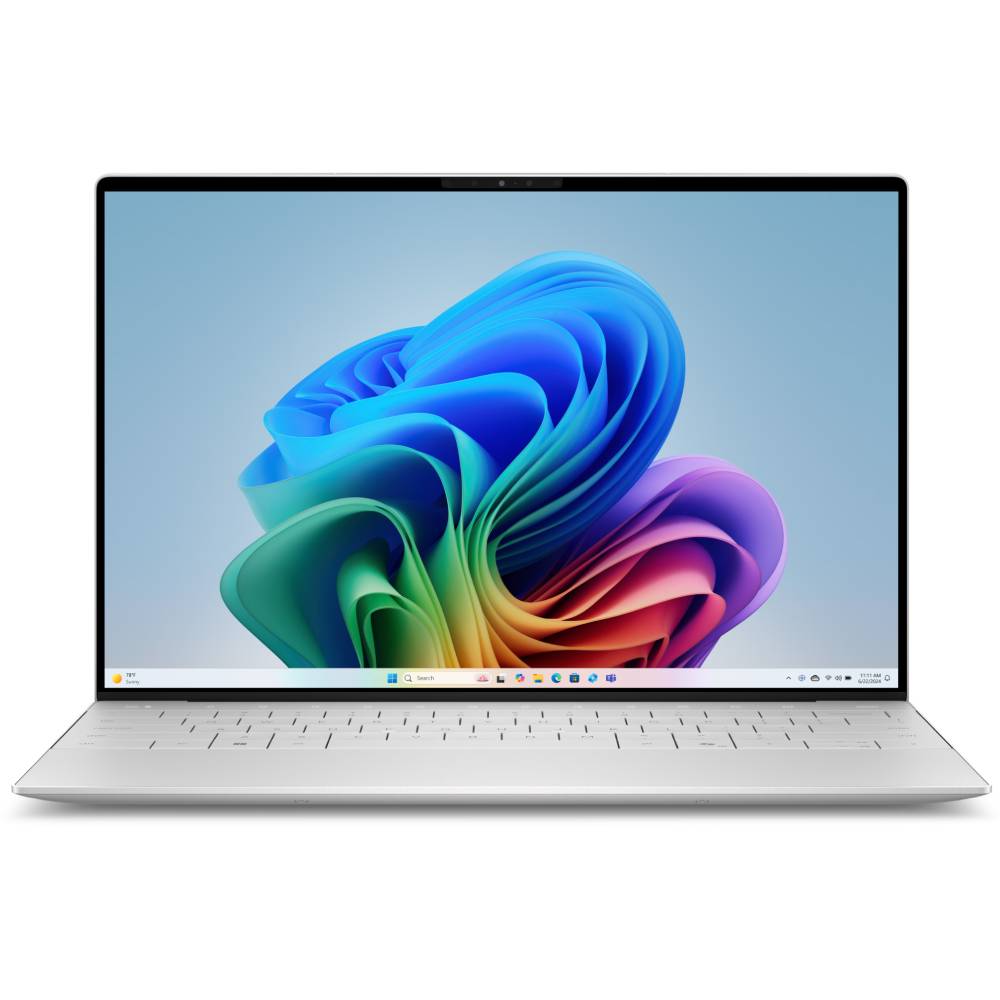
The premium segment is anchored by the Dell XPS 13 OLED (9350). Featuring an Intel Core Ultra 7 258V, this device is designed for professionals who demand color accuracy. Its tandem OLED display covers 144.6% of the DCI-P3 color gamut, making it one of the most vibrant screens currently available in a 13-inch chassis. However, this level of display fidelity comes at a power cost, with the OLED model yielding 8 hours and 40 minutes of battery life—significantly lower than the non-OLED configurations.
Data-Driven Analysis of Performance Metrics
The following table illustrates the comparative performance of these top-tier models, highlighting the trade-offs between battery life, raw processing power, and display quality.
| Model | Geekbench 6 (Multi) | Battery Life (Web Surf) | DCI-P3 Gamut |
|---|---|---|---|
| Inspiron 14 Plus (Snapdragon) | 13,281 | 18h 20m | 69.1% |
| Inspiron 14 Plus (Intel) | 12,729 | 15h 06m | 68.4% |
| Dell G16 (7630) | 11,209 | 05h 04m | 114.0% |
| XPS 13 OLED (Lunar Lake) | 11,033 | 08h 40m | 144.6% |
| XPS 13 (Snapdragon) | 14,635 | 19h 01m | 66.9% |
These metrics reveal a clear trend: the integration of Snapdragon X-series chips has fundamentally altered the battery-life landscape for Windows laptops. While the Intel-based models maintain their dominance in graphical benchmarks and compatibility with legacy software, the ARM-based chips are effectively doubling the battery endurance required for "all-day" professional use.
Broader Industry Implications and Market Impact
The decision by Dell to overhaul its product names in 2025 reflects a broader trend in the PC industry, where hardware differentiation is increasingly defined by software ecosystem integration and power efficiency rather than just raw clock speeds. By grouping products into "Pro" and "Pro Max" categories, Dell is signaling to enterprise clients that it is prioritizing the scalability of its workstation solutions.
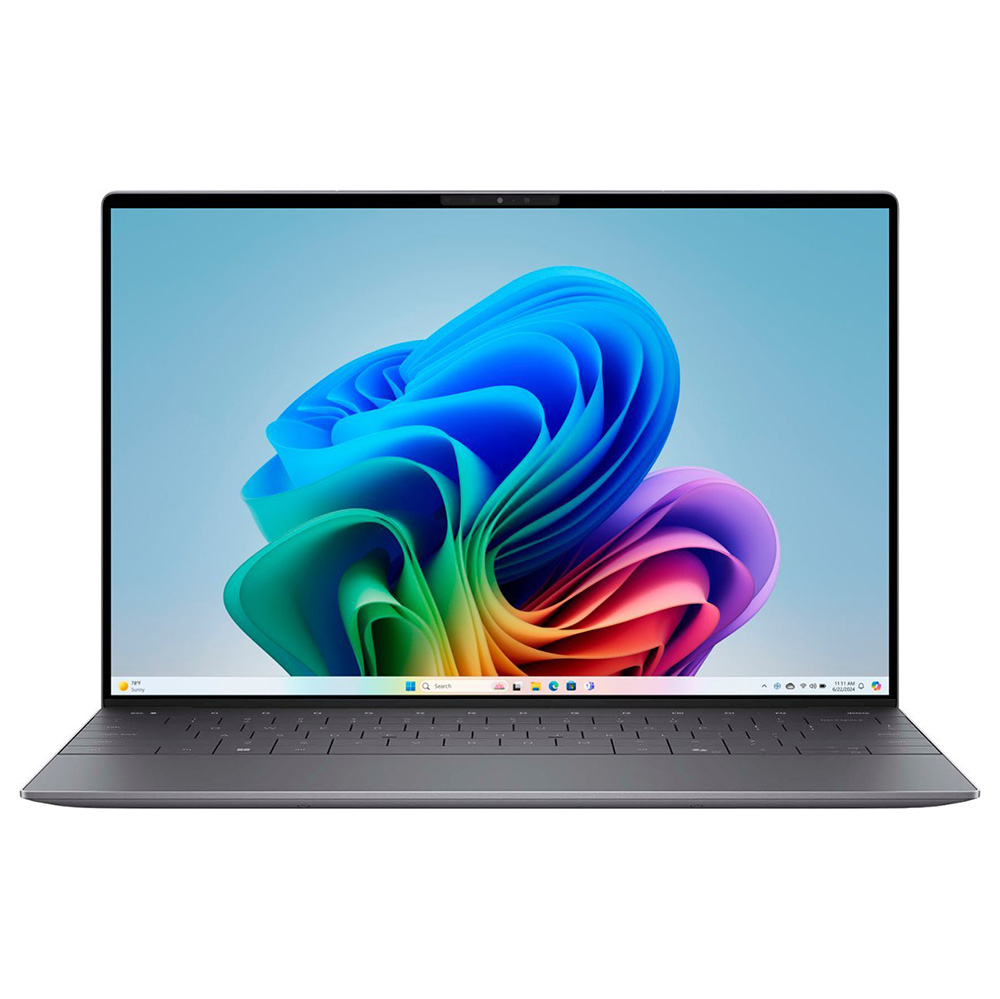
Furthermore, the shift toward ARM-based processors—demonstrated by the Snapdragon-equipped XPS 13 and Inspiron 14 Plus—indicates that Dell is preparing for a future where Windows on ARM is the primary driver for thin-and-light productivity machines. This aligns with Microsoft’s own initiatives to optimize Windows for non-x86 architectures, potentially challenging the long-standing dominance of Apple’s M-series silicon in the high-efficiency, premium laptop market.
For the average consumer, these changes imply a period of transition. As retailers phase out "XPS" and "Latitude" inventory, buyers should remain vigilant regarding specifications, as older models may still be present in the supply chain under the legacy naming conventions. The 2025 catalog represents a maturation of Dell’s strategy: it is no longer just selling hardware based on historical series reputation, but is instead categorizing its entire output by the functional needs of the end user.

Conclusion and Future Outlook
As 2025 progresses, Dell’s strategy appears to be one of cautious evolution. While the new naming convention is a significant departure from the past, the underlying engineering continues to emphasize the same pillars that have defined the brand: reliability, build quality, and a commitment to diverse performance profiles.
The rise of the "Dell" and "Dell Pro" brands will likely be the primary focus of the company’s Q3 and Q4 financial reporting. Whether this rebranding will successfully capture a broader market share remains to be seen, but for the discerning buyer, the path to finding the right machine has become significantly more linear. Whether one is in need of a high-end workstation like the Dell Pro Max Premium or a reliable daily driver under the Dell Plus banner, the current landscape offers a robust set of tools for a wide array of professional and personal requirements. As always, consumers are encouraged to prioritize their specific workload—be it creative, analytical, or recreational—when selecting from these newly classified tiers.