The debut of the Garmin Fenix 9 series marks a significant evolution in the company’s flagship multisport watch lineup, introducing a structured balance of hardware enhancements, expanded software architectures, and a strategic shift regarding feature deployment across generations. Unlike previous iterations that often prioritized hardware-exclusive milestones—such as the speaker and microphone arrays of the Fenix 8 or the cellular and satellite integrations of the Fenix 8 Pro—the Fenix 9 launch delivers comprehensive sport-focused software updates alongside structural improvements across the entire model architecture.

For the past several weeks, extensive field testing involving swimming, cycling, running, gym workouts, indoor rowing, free diving, and long-form mountaineering expeditions has provided a clear picture of how the Fenix 9 performs under rigorous real-world conditions. This review evaluates the hardware tiers, software additions, GPS accuracy, heart rate tracking, battery realities, and broader implications for the outdoor sports technology market.
Comprehensive Hardware Upgrades Across the Fenix 9 Tier
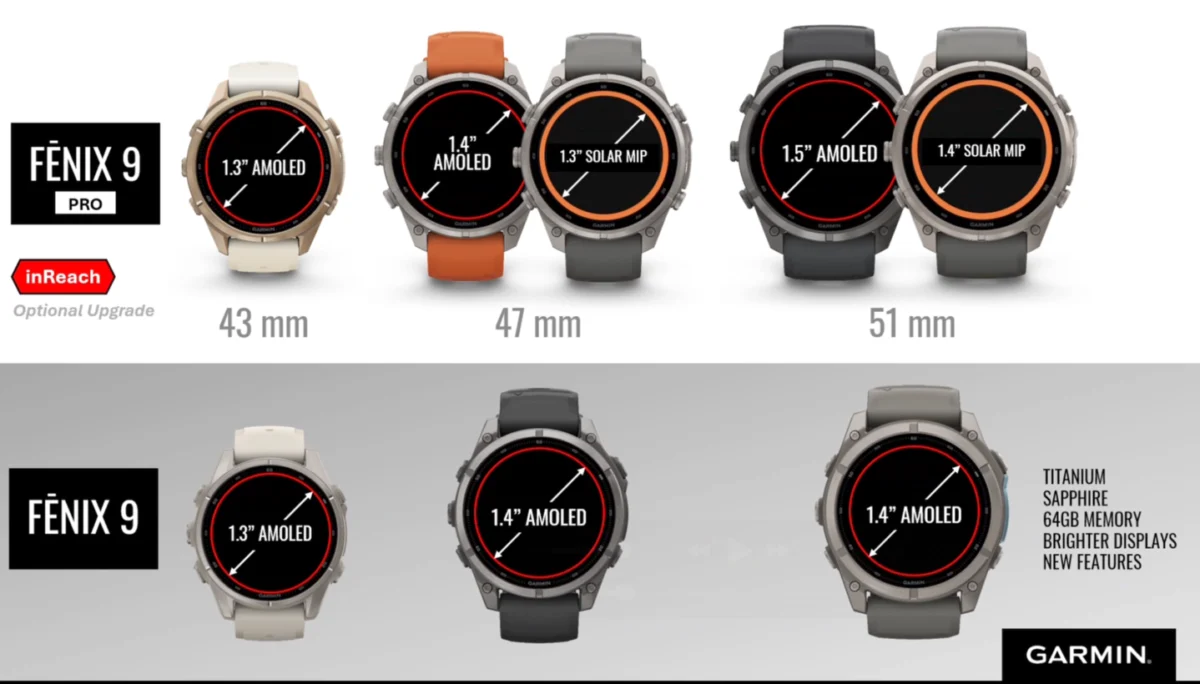
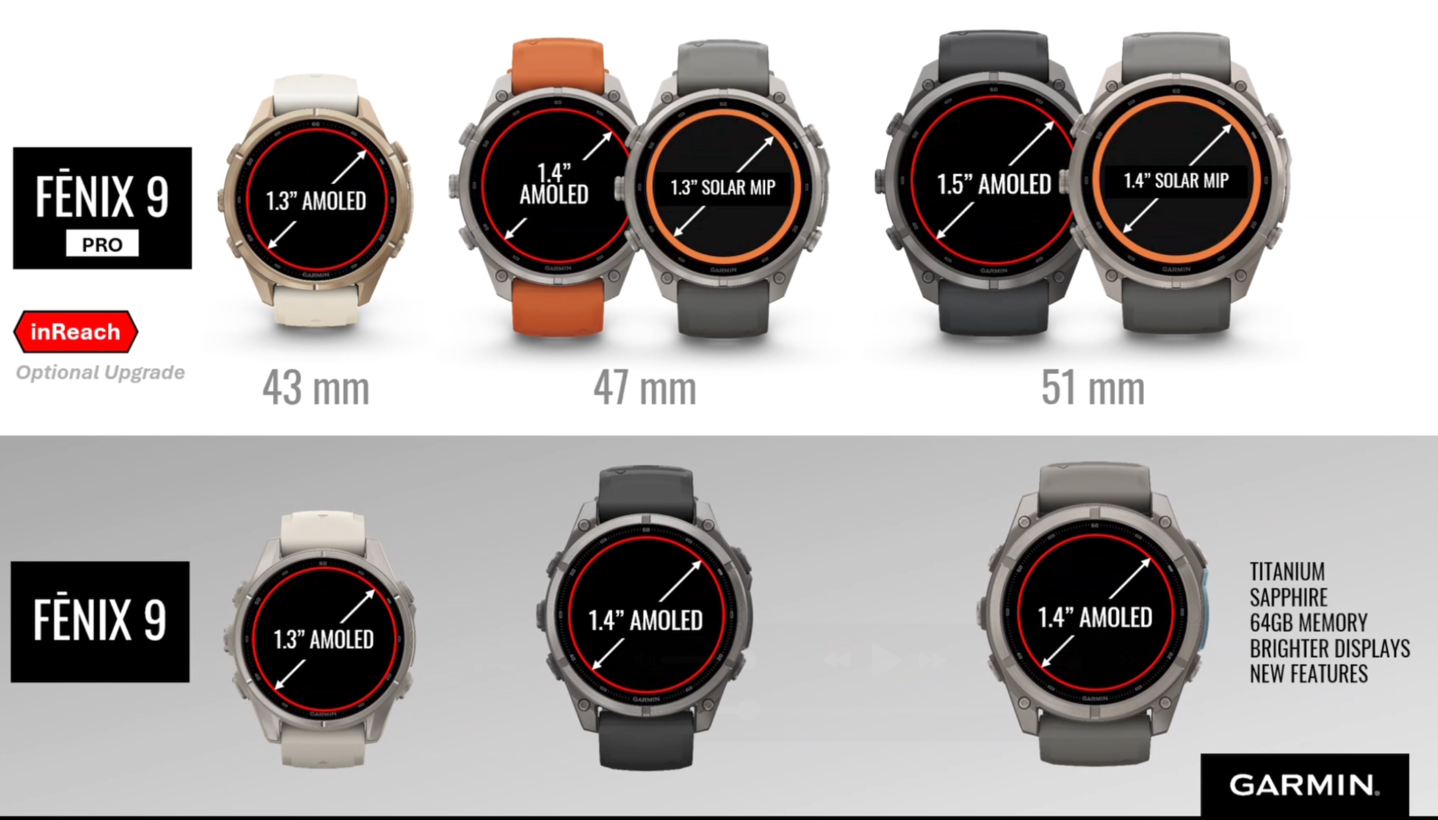
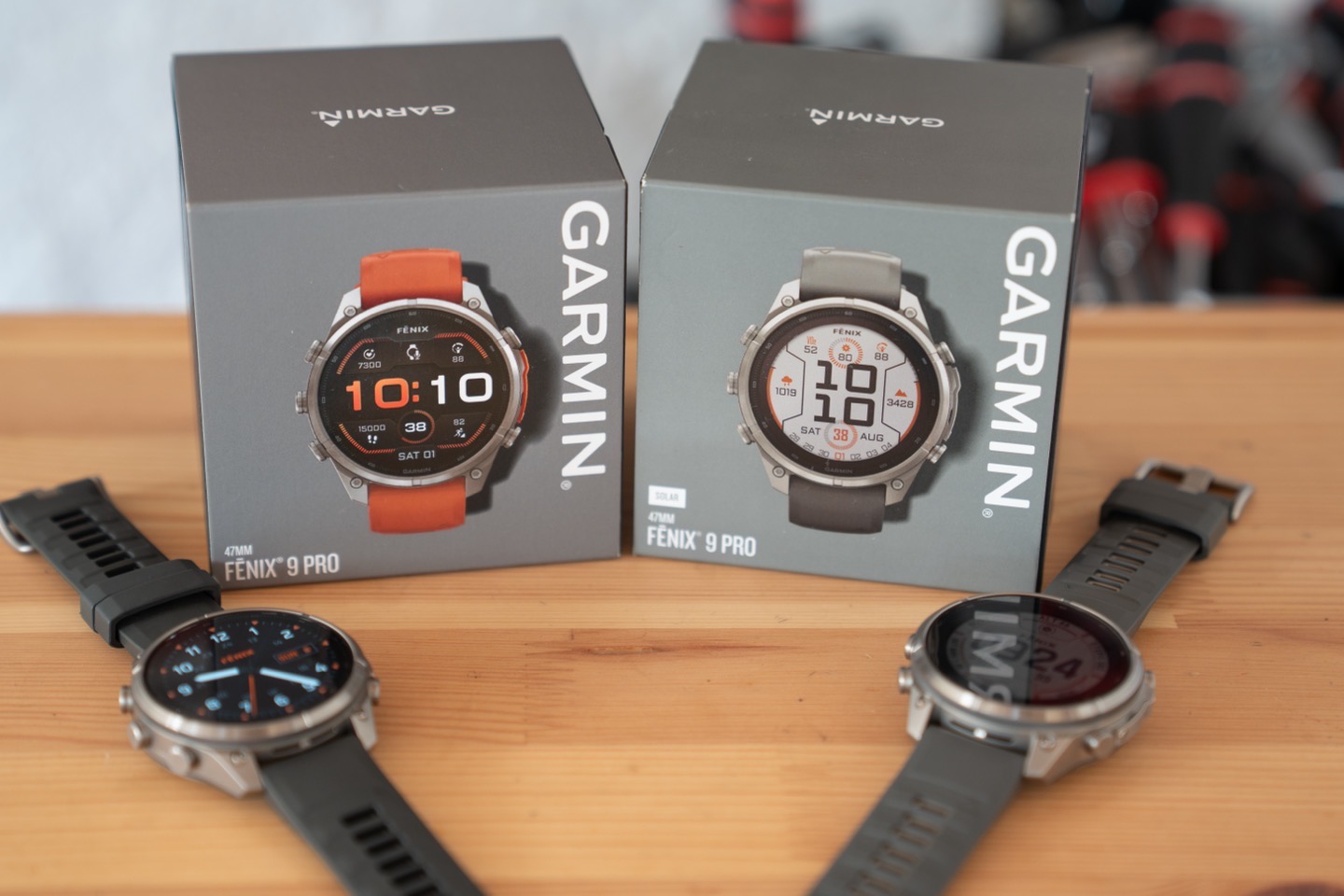
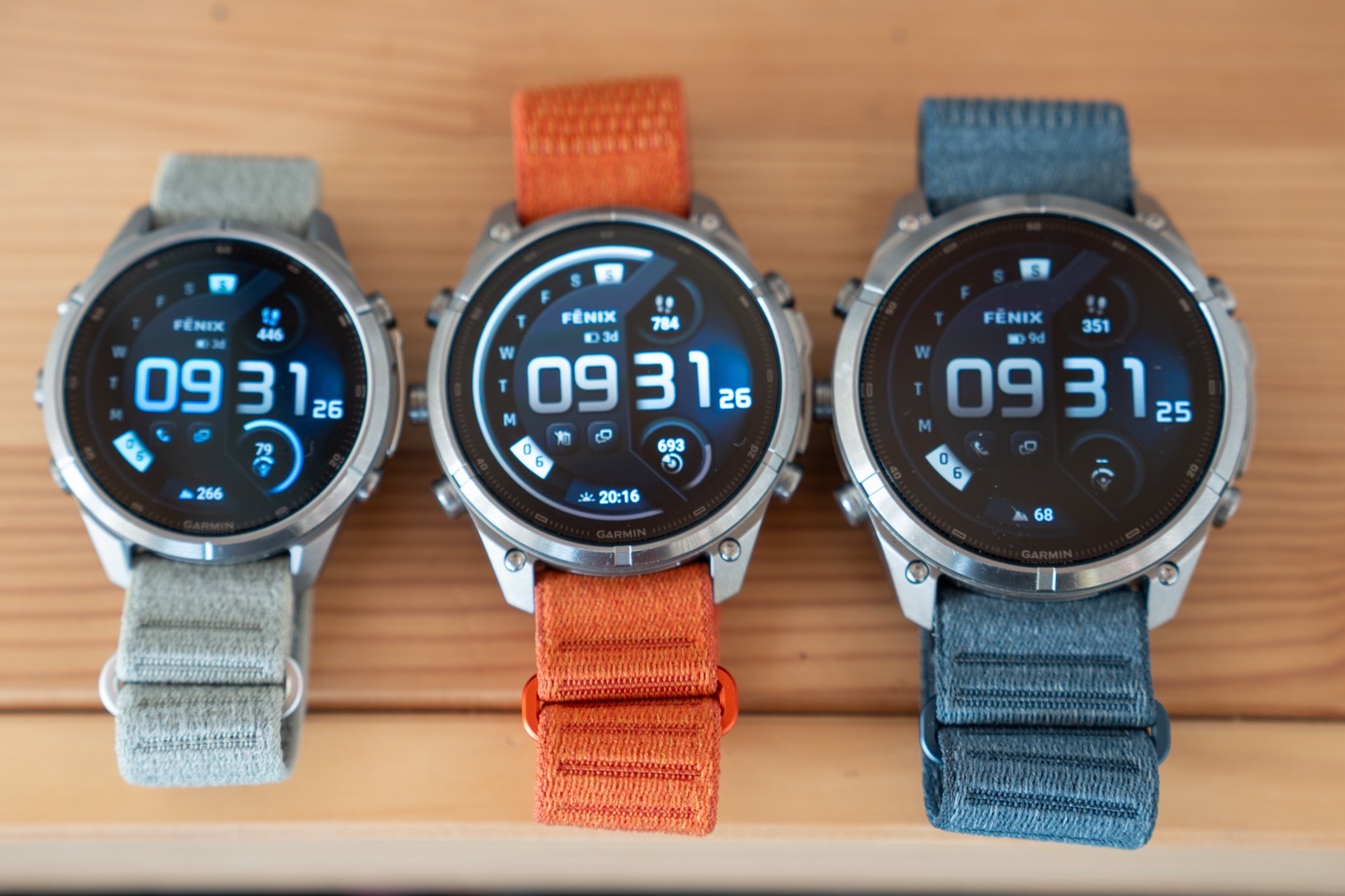
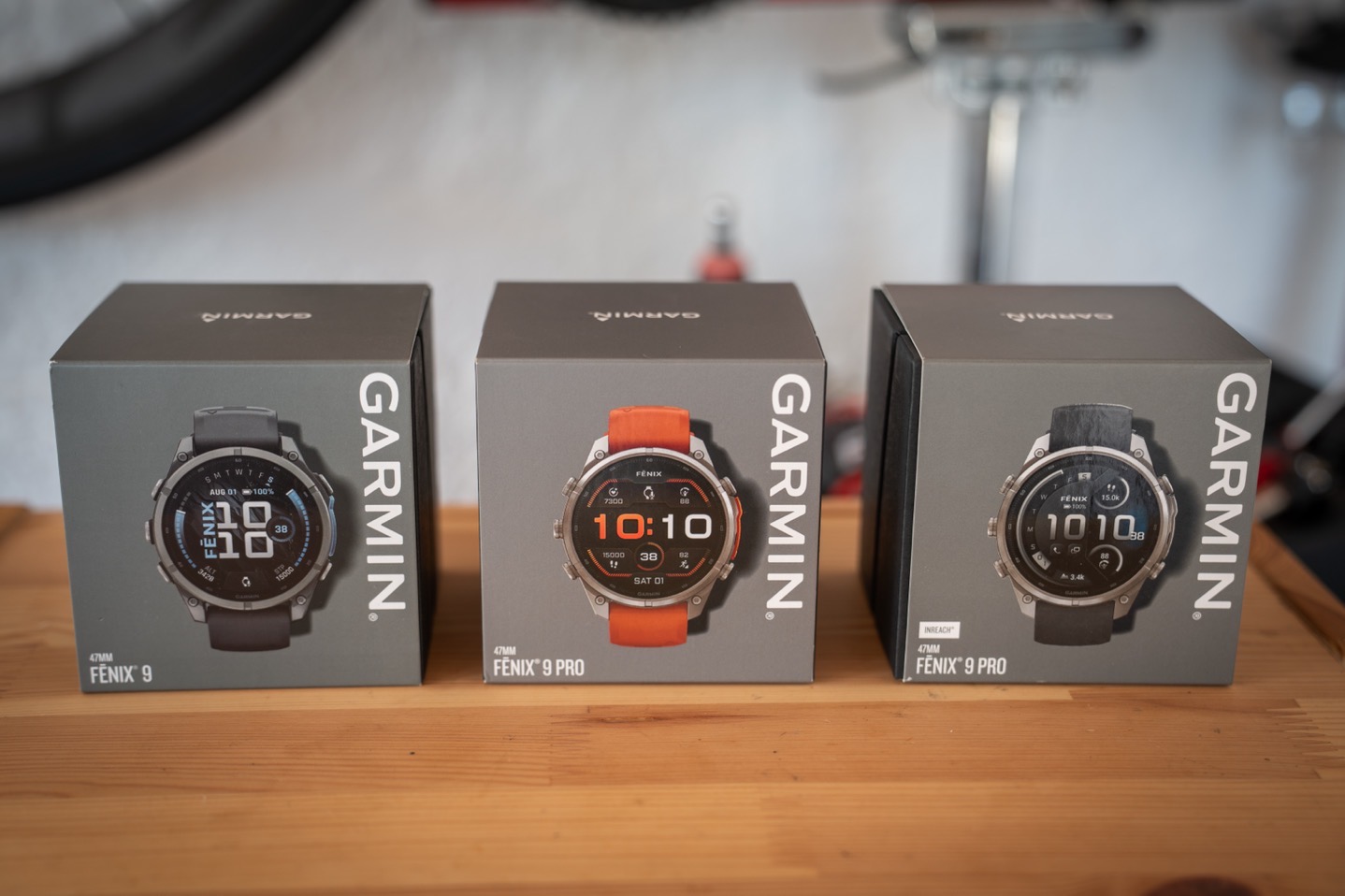
The Fenix 9 lineup is structured around three core configuration choices: display technology (AMOLED versus Memory-in-Pixel Solar), case sizing (43mm, 47mm, and 51mm), and performance tier (Base, Pro, and Pro inReach). This tiered structure ensures that a wide array of wrist dimensions and functional needs are accommodated from launch, correcting past gaps such as the absence of a smaller form factor in the Pro lineup.
Core Hardware Improvements
- Pro Flashlight Redesign: Pro models now incorporate an additional green LED alongside the traditional white and red LEDs, offering specialized night-vision and signaling options.
- Maximized Display Real Estate: The 51mm Pro model features a 1.5-inch display, representing the largest screen size ever integrated into a Garmin timepiece, accompanied by scaled display increases across select models.
- Enhanced Luminosity: Base model series feature displays capable of 2,000 nits, while Pro model series increase peak brightness to 3,000 nits for improved legibility under direct sunlight.
- Standardized Materials: Titanium cases and sapphire glass are now standard equipment across all Pro models.
- Storage Expansion: Internal storage capacity has been doubled to 64GB across all Pro models.
- Case and Profile Adjustments: The 47mm Fenix 9 Pro sees a thickness reduction of 0.5mm to 13.3mm, matching the non-Pro Fenix 8 thickness. Conversely, the Fenix 9 Pro Solar models have increased in thickness by 0.5mm to 15.8mm.
Pricing Structure
- Fenix 9 Base: Starting at $999 for 43mm and 47mm variants, scaling to $1,099 for the 51mm version.
- Fenix 9 Pro: Starting at $1,099 for 43mm and 47mm models, and $1,199 for the 51mm variant.
- Fenix 9 Pro inReach: Starting at $1,199 for 43mm and 47mm models, and $1,299 for the 51mm variant.
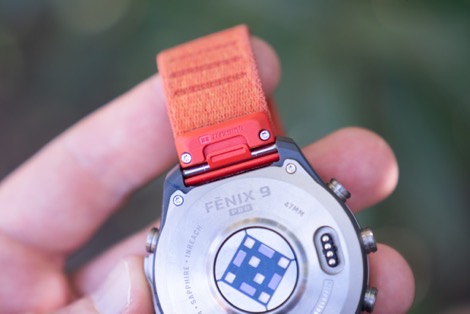
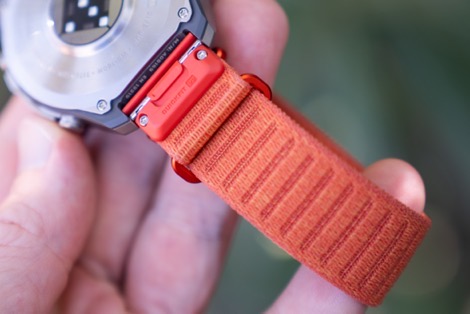
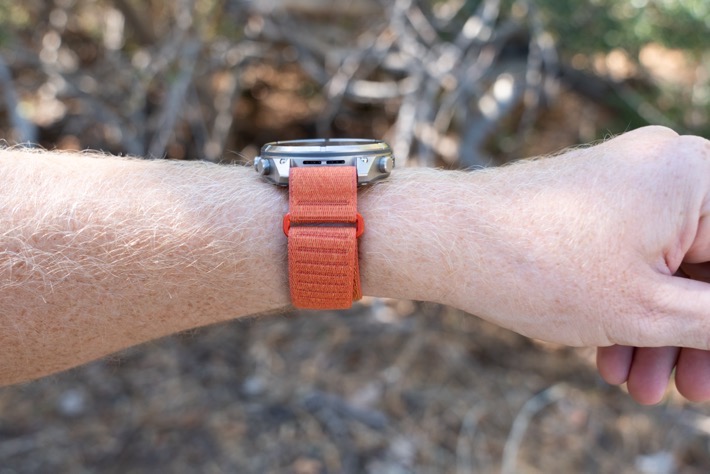
Additionally, Garmin has introduced ComfortFit bands—nylon straps equipped with QuickFit adapters that allow for rapid band swapping, combining the comfort of the UltraFit design with the mechanical convenience of traditional quick-release mounts.
Software Ecosystem and Cross-Generational Updates
One of the most noteworthy developments surrounding the Fenix 9 launch is Garmin’s operational shift regarding software longevity. Historically, new software features debuted on a new hardware generation remained exclusive to that specific device for extended periods. With the Fenix 9, Garmin has committed to pushing the new operating codebase and feature set back to existing Fenix 8 series watches and other compatible recent models, though rollout timelines remain extended.
New Software Architecture and Training Tools
- Garmin Epics: A multi-day adventure tracking and journaling feature that aggregates multi-sport activities, sleep data, and training loads into a unified timeline accessible on both the watch and the Garmin Connect mobile platform.
- Stamina Zones and Endurance Metrics: Expanded stamina tracking now incorporates zone-based analytics, real-time endurance time predictions, trending metrics via Garmin Connect, and detailed running and cycling stamina curves.
- Advanced Rucking Suite: Dedicated rucking profiles featuring pack-weight calorie impact algorithms, an on-watch rucking target calculator, mid-activity weight adjustment capabilities, specialized rucking performance reports, multisport rucking integration, and structured workouts developed in partnership with GoRuck.
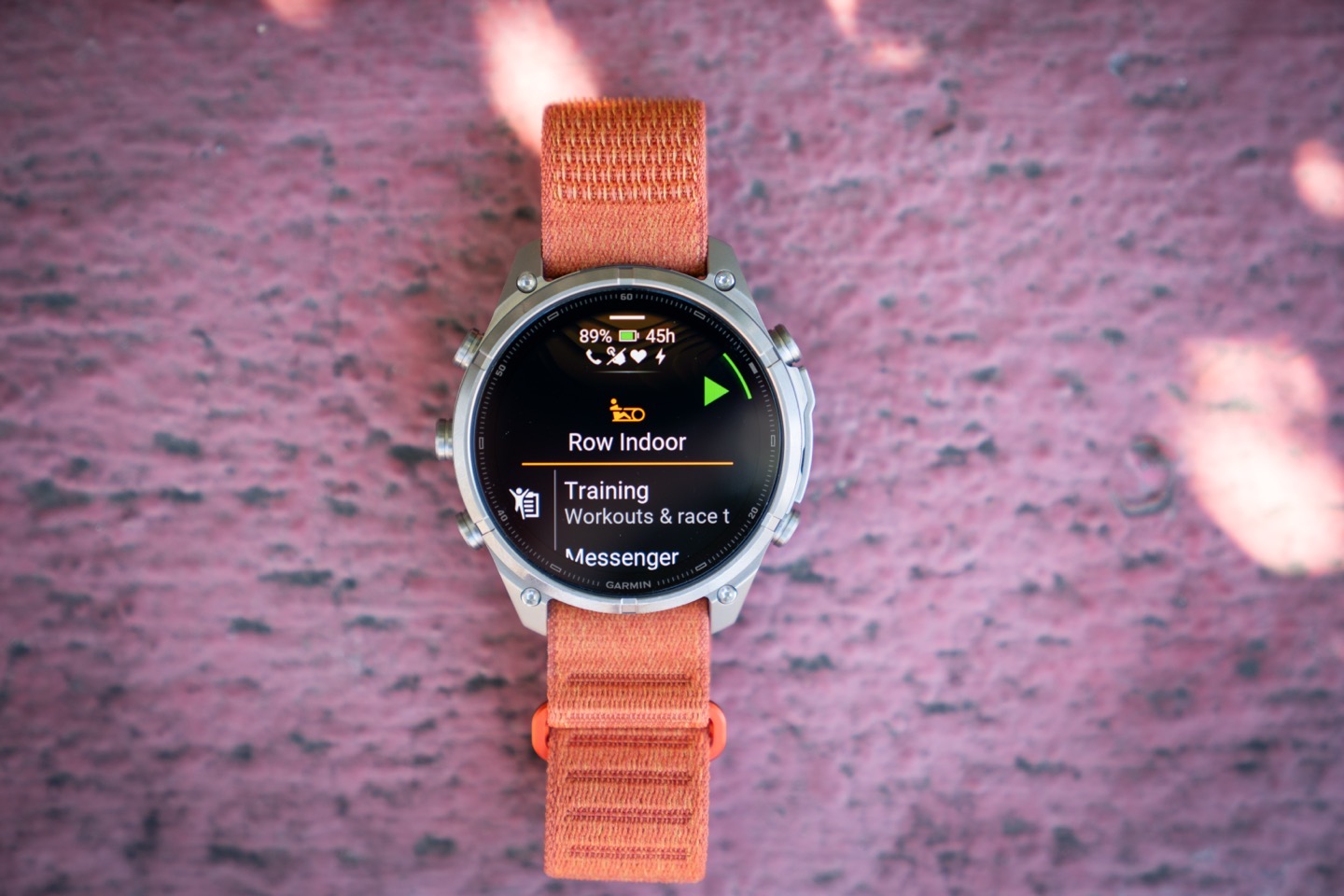
- Indoor Rowing and SkiErg Enhancements: Comprehensive updates for indoor rowing (XC Ski Indoor for SkiErg), including custom power and heart rate zones, FTP estimation, VO2 max tracking for rowing, lactate threshold detection, performance condition metrics, and a 5-second countdown timer for interval starts.
- Expanded Navigation and GAP Integration: Rolling Grade Adjusted Pace (GAP) added as a customizable data field and structured workout target, alongside a new perspective map view, faster rendering and zoom speeds, and more responsive heading orientation.
Display Technology: AMOLED Versus MIP Solar
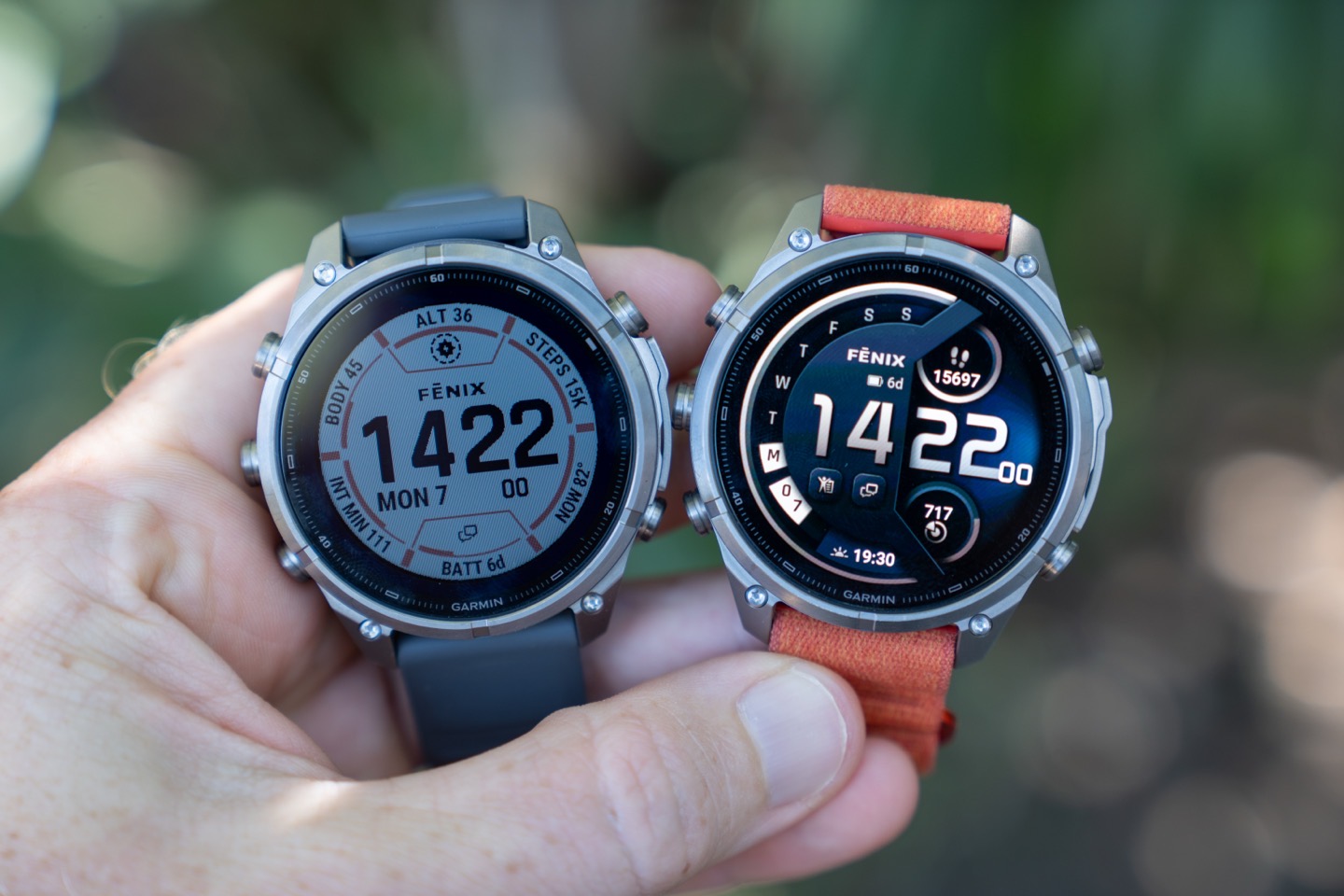
The debate between AMOLED and Memory-in-Pixel (MIP) Solar displays continues to define consumer choice within the rugged outdoor watch market. The Fenix 9 offers bright, high-resolution AMOLED panels across its base and Pro lines, while MIP Solar options remain available exclusively within the Pro tier.
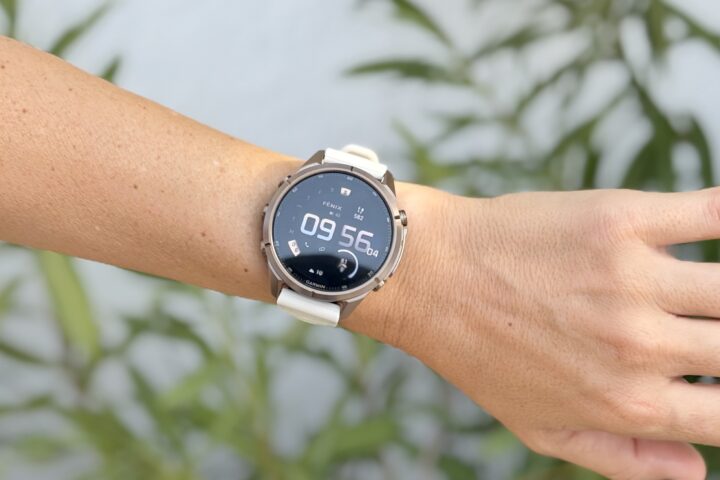
Side-by-side field testing across varied environments—including Mediterranean midday sun, mountain ridges, and low-light conditions—indicates that modern high-nit AMOLED displays maintain superior legibility and contrast at viewing angles compared to MIP panels. While MIP Solar models retain an advantage in absolute battery longevity, particularly under direct, unobstructed sunlight, the visual clarity of the AMOLED screens effectively neutralizes traditional arguments concerning outdoor visibility.
LTE and Satellite Connectivity in the Pro inReach Models
The Fenix 9 Pro inReach models integrate dual-path communication hardware, supporting both LTE-M cellular connectivity and direct satellite messaging via GEO satellite networks.
LTE Functionality
Operating via low-power LTE-M networks, the watch supports independent LiveTrack broadcasting, two-way voice calls, voice and text messaging via the Garmin Messenger app, remote weather updates, incident detection, and emergency SOS routing. This capability allows users to leave their smartphones behind during training sessions while maintaining continuous safety monitoring.
Satellite Functionality
Designed for remote environments lacking cellular coverage, the satellite communication suite supports text messaging, location check-ins, weather updates, and emergency SOS via the Garmin Response coordination center. Because the integrated antenna relies on GEO satellites rather than low-Earth orbit (LEO) constellations found in dedicated handheld devices, users must maintain a specific arm orientation to establish a satellite lock. While effective as an emergency backup or status-reporting tool, field testing confirms that dedicated satellite communicators, such as the Garmin inReach Mini series, remain superior for frequent, automated tracking and messaging in obstructed terrain.
Performance Analysis: GPS and Heart Rate Accuracy
GPS Positioning
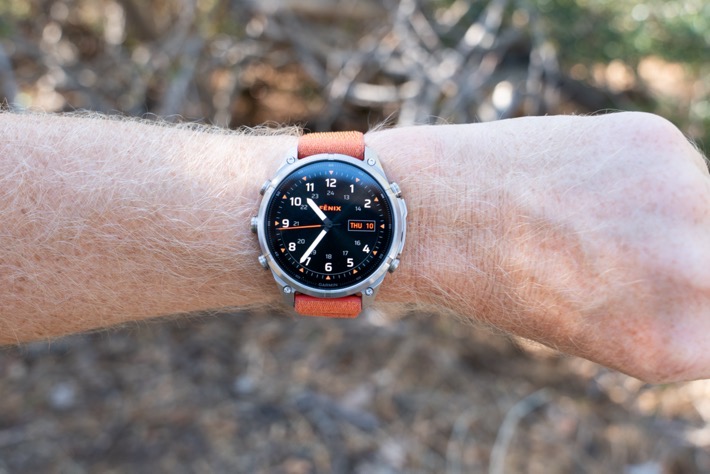
The Fenix 9 series refines satellite management through updated software-defined modes and universal integration of Garmin’s SatIQ technology. Testing across dense urban canyons (such as downtown San Francisco), rugged mountain ranges, and open water reveals that the default SatIQ configuration dynamically adjusts multi-band usage without sacrificing tracking fidelity. In benchmark routing tests, the Fenix 9 calculates complex on-device courses significantly faster than previous generations, though real-world navigation typically relies on pre-loaded routes rather than on-device generation.
Optical Heart Rate Tracking
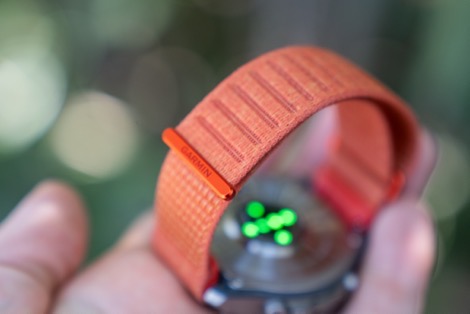
Equipped with Garmin’s fifth-generation optical heart rate sensor (Elevate Gen5), the Fenix 9 maintains industry-leading performance for wrist-based photoplethysmography. Evaluations across steady-state runs, high-intensity interval rowing, gravel cycling, and mountain ascents show close alignment with dedicated chest straps. The sensor’s 1-second update frequency provides responsive data capture during rapid cardiovascular transitions, performing reliably even under challenging outdoor conditions.
Battery Performance Realities
Real-world battery consumption varies significantly based on display choice, workout duration, and connectivity settings.
- AMOLED Models: Standard daily usage encompassing notifications, health tracking, and 60 to 90 minutes of daily GPS activity yields approximately five days of operation for a 47mm device. During continuous GPS recording, AMOLED units maintain a stable consumption rate projecting roughly 40 hours of runtime.
- Solar Models: MIP Solar variants demonstrate extended endurance, particularly when exposed to direct sunlight during outdoor activities. In optimal solar conditions, battery longevity can extend to double or triple the duration of AMOLED equivalents, though performance drops under heavy cloud cover or dense forest canopy.
- LTE Impact: Engaging active LTE tracking without a connected smartphone increases power consumption, reducing total operational hours during extended expeditions.
Market Implications and Strategic Outlook
The introduction of the Fenix 9 series reflects a mature hardware strategy by Garmin, consolidating features across a unified product family rather than staggering capabilities between base and Pro releases. By committing to backward software compatibility for recent generations, Garmin has responded to shifting consumer expectations regarding software lifecycle support in high-end wearable technology.
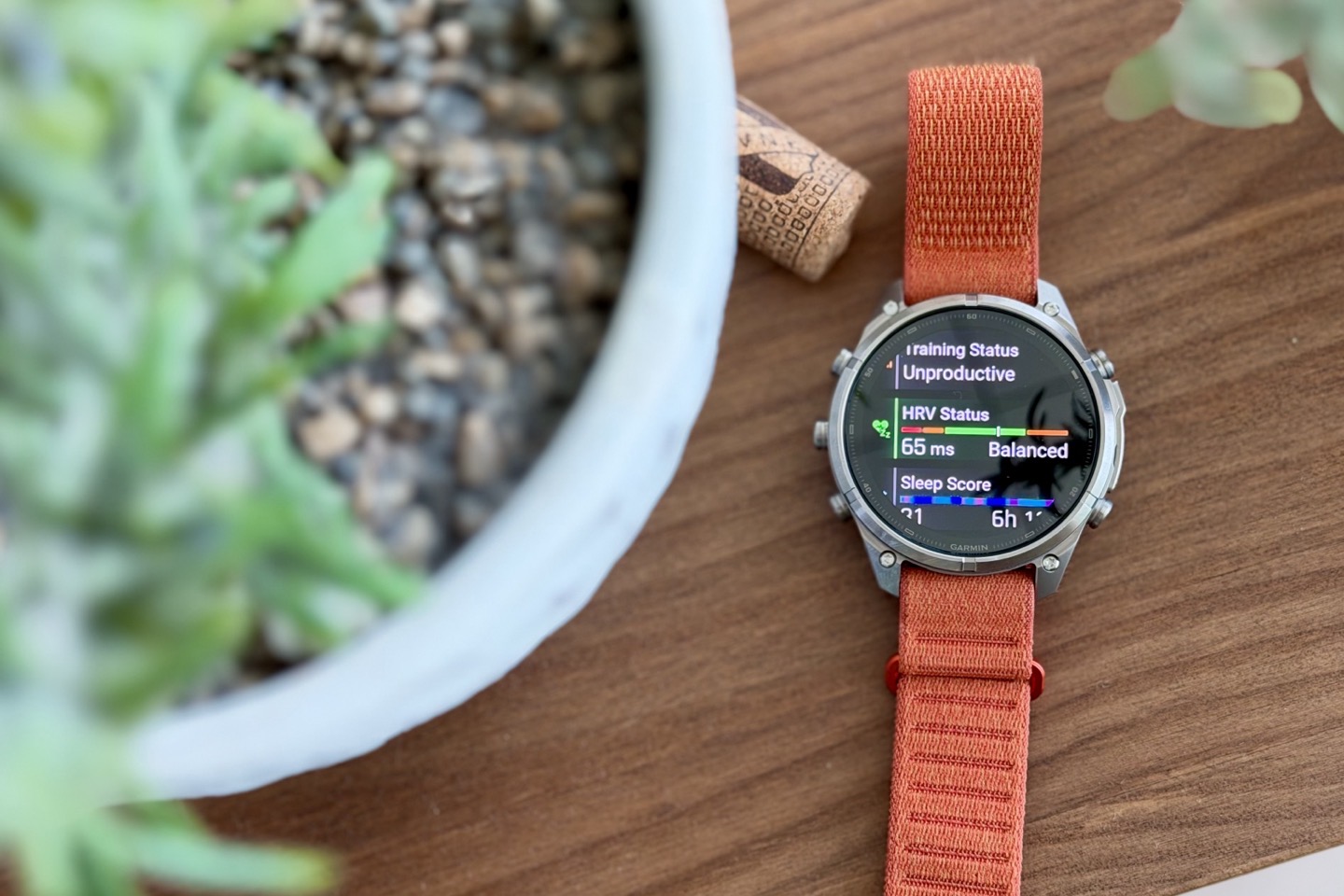
Positioned at the upper tier of the sports watch market, the Fenix 9 targets endurance athletes, mountaineers, and outdoor professionals who demand comprehensive physiological analytics, robust offline mapping, and reliable emergency communication options. While software bugs typical of major platform rollouts require ongoing patch stabilization, the foundational hardware and ecosystem depth solidify Garmin’s market position against competing smartwatch manufacturers.