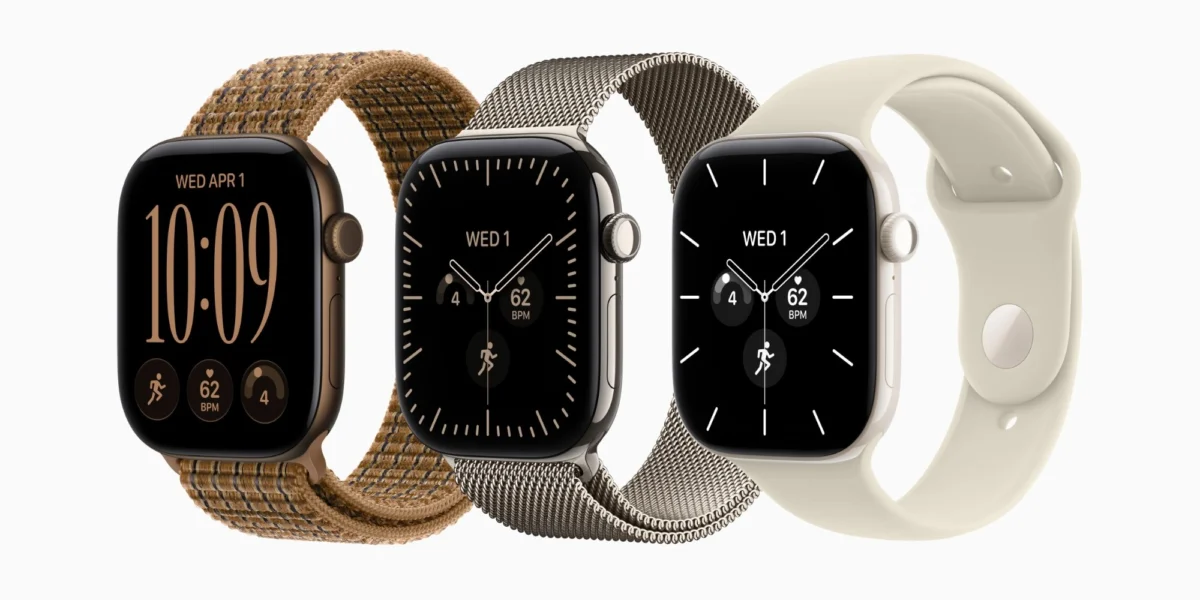
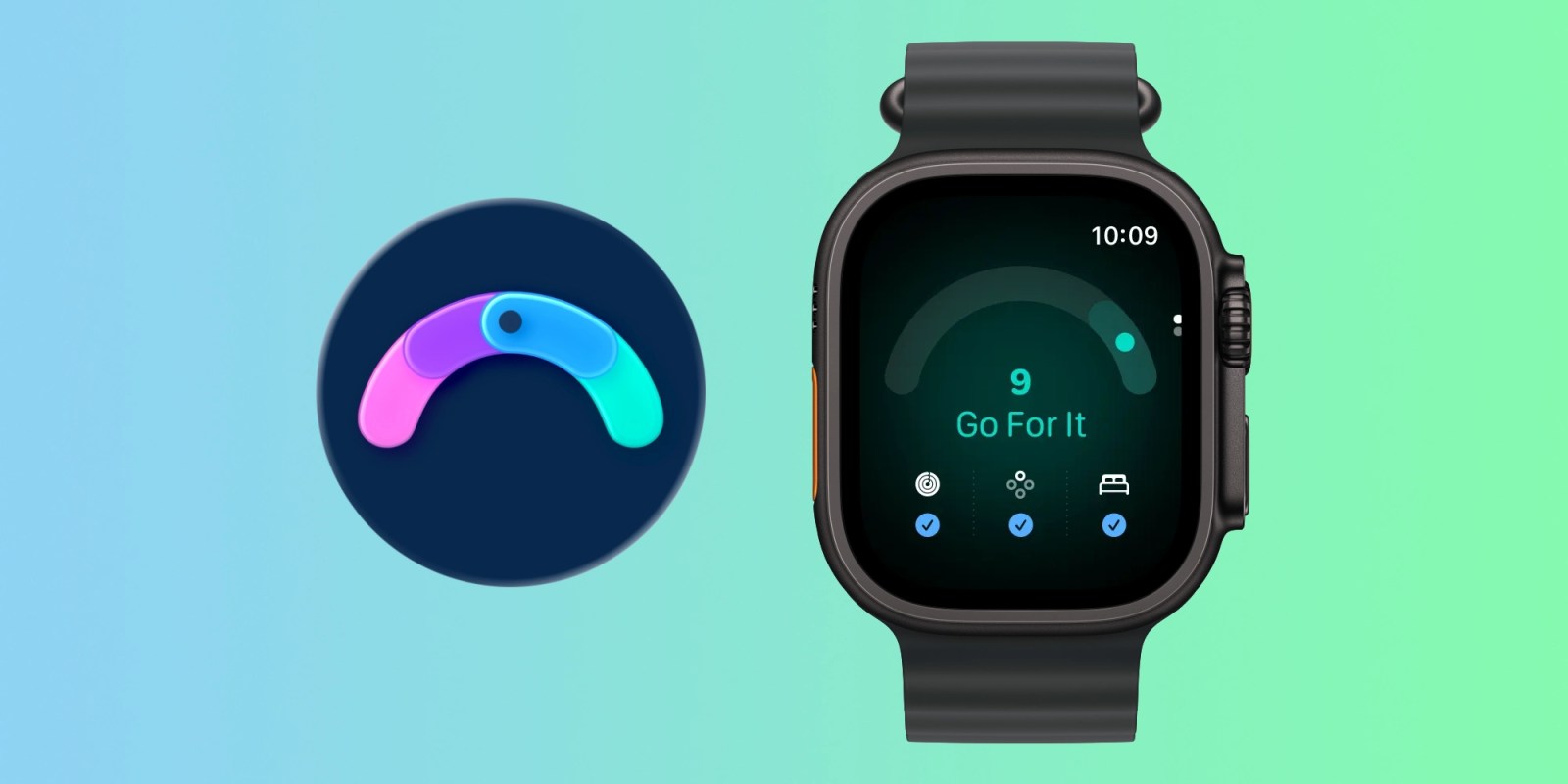
Apple has officially unveiled its most significant advancement in wearable health technology to date: the Readiness app. Designed exclusively for the newly announced Apple Watch Series 12 and Apple Watch Ultra 4, this software represents a fundamental shift in how the company interprets biometric data. By leveraging a redesigned Health Sensing System, the Readiness app aims to provide users with a daily, actionable metric that quantifies their physical and mental preparedness for strain, recovery, and daily exertion.
A New Era of Health Sensing Architecture
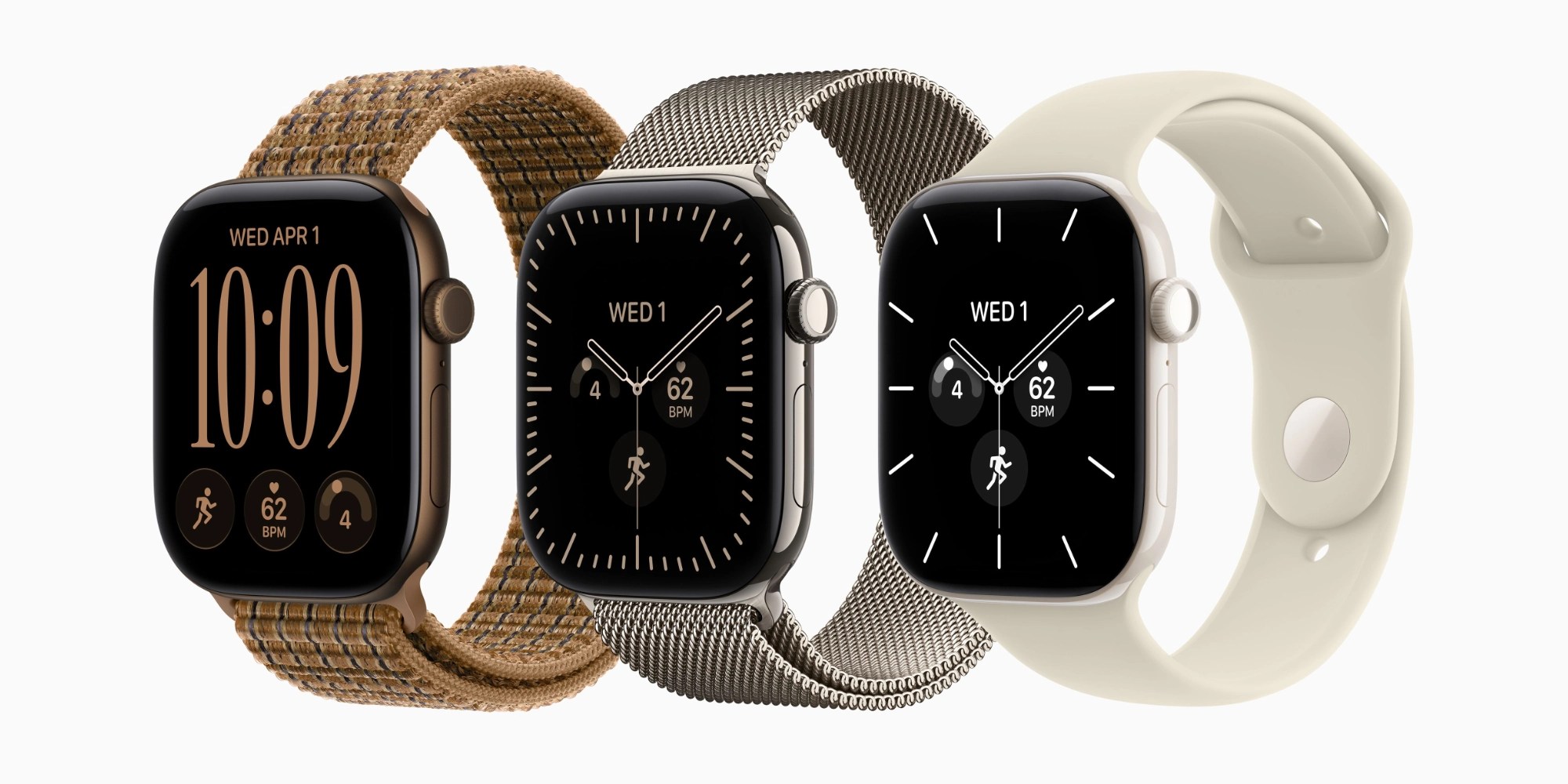
The introduction of the Readiness app is intrinsically linked to a major hardware overhaul. The Apple Watch Series 12 and the Ultra 4 feature a completely re-engineered sensor array. This new Health Sensing System utilizes more sophisticated optical and electrical sensors, supported by larger, high-efficiency green LEDs. According to Apple’s technical specifications, this updated hardware allows for a significantly higher sampling rate and increased precision in heart rate and heart rate variability (HRV) detection.
The necessity of this hardware upgrade is the primary reason for the exclusivity of the Readiness feature. While previous models, such as the Series 11 or Ultra 3, are capable of tracking sleep and activity, the specific algorithms powering the Readiness score require the high-fidelity data streams provided exclusively by the new, more capable sensing hardware found in the 2026 flagship devices.
The Chronology of the Readiness Launch
The journey to the Readiness app began years ago as Apple sought to compete more aggressively with dedicated fitness trackers like Oura and Garmin, which have long utilized "body battery" or "readiness" scores to guide athlete recovery.
- Early Development (2024–2025): Apple began refining its sleep staging and HRV algorithms, integrating them into the native Health app.
- Keynote Announcement (September 2026): During the annual hardware event, Apple showcased the Series 12 and Ultra 4, positioning the Readiness app as the centerpiece of its health strategy.
- App Store Deployment (September 2026): Shortly after the event, Apple published the Readiness app to the App Store, allowing for seamless reinstallation and updates, though access remains hardware-locked.
- Market Launch (September 18, 2026): The official release date marks the beginning of consumer access to these new devices and the full integration of the Readiness ecosystem.
Understanding the Readiness Score (0–10)
The Readiness app synthesizes a complex array of physiological markers into a simplified, user-friendly metric. The score, ranging from 0 to 10, provides an immediate snapshot of the user’s recovery state.
- Low Scores (0–3): Indicate that the body is under significant physiological stress, suggesting a need for rest or light recovery activities.
- Moderate Scores (4–7): Suggest that the user is in a standard state, capable of maintaining their typical exercise routine.
- High Scores (8–10): Signal that the body is fully recovered and well-rested, indicating an optimal window for high-intensity training or peak performance.
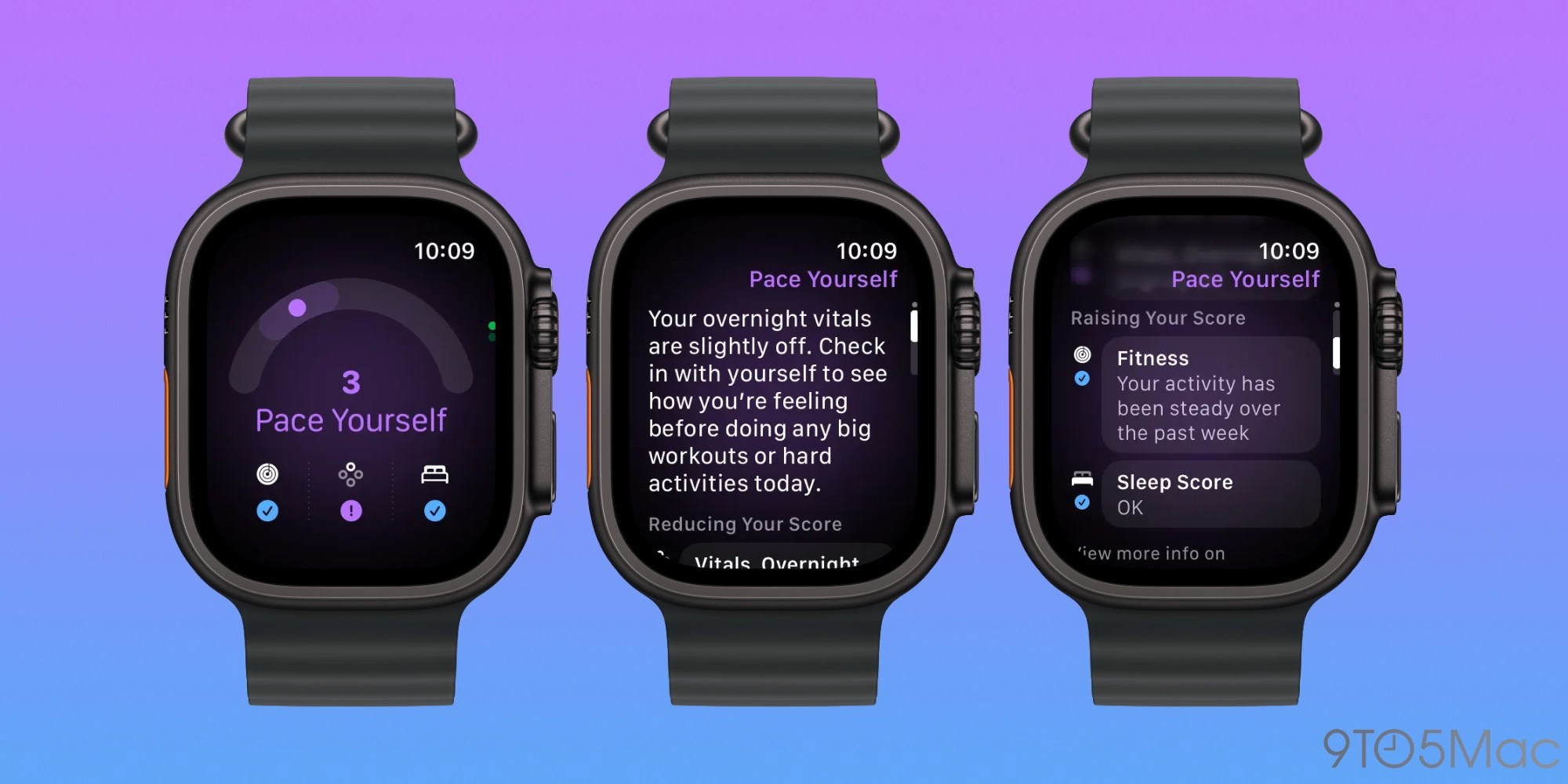
The algorithm calculates this figure by weighing three primary pillars: sleep data, overnight vitals, and recent activity levels. By monitoring resting heart rate, respiratory rate, and oxygen saturation during the night, the app establishes a baseline for the user’s "normal" state. When current data deviates from this baseline—perhaps due to illness, overtraining, or poor sleep quality—the Readiness score adjusts accordingly.
The Integration of Sleep and Activity Data
Unlike older iterations of Apple’s health tracking, which often treated sleep and activity as disparate data silos, the Readiness app acts as a bridge. Apple has confirmed that the system continuously analyzes daytime and overnight vitals to ensure the score reflects the user’s holistic state.
For instance, if a user performs a high-intensity workout but does not achieve sufficient deep or REM sleep that night, the Readiness app will penalize the following day’s score. This proactive feedback loop is designed to prevent burnout and reduce the risk of injury, essentially acting as a personal health coach that lives on the wrist.
Official Responses and Technical Documentation
In conjunction with the launch, Apple has released a comprehensive support document (Support ID 128112) to assist users in interpreting their metrics. The documentation emphasizes that the Readiness score is intended to be a long-term trend tool rather than a daily diagnostic test. Apple officials noted during the product reveal that the goal of the system is to foster "biometric literacy," encouraging users to listen to their bodies rather than relying solely on arbitrary workout goals.
Critics and industry analysts have noted that by locking this software behind new hardware, Apple is betting heavily on the performance improvements of the Series 12 sensor suite. While some users may be disappointed by the lack of backward compatibility, the consensus among hardware experts is that the new sensors provide a higher level of data granularity—particularly in heart rate variability—that older models simply cannot replicate with the same level of clinical accuracy.
Broader Impact and Market Implications
The launch of the Readiness app is a clear strategic move to capture the growing demographic of "data-driven" athletes. The wearable market has seen a surge in demand for devices that provide actionable recovery insights. By integrating this into the Apple Watch, the company is positioning its wearable as the ultimate all-in-one device, effectively diminishing the need for users to carry secondary recovery trackers.

From a competitive standpoint, the move puts pressure on companies like Garmin and Oura, whose value propositions have historically rested on their proprietary recovery metrics. By democratizing this level of health monitoring and adding it to the most popular smartwatch in the world, Apple is raising the bar for the entire industry.
Furthermore, this development reflects Apple’s long-term commitment to preventative healthcare. By encouraging users to monitor their readiness, the company is nudging the public toward a lifestyle that prioritizes sleep hygiene and recovery alongside physical activity.
Future Considerations
As of mid-September 2026, the Apple Watch Series 12 and Ultra 4 are available for pre-order, with pricing starting at $399 and $799, respectively. The full market availability starting September 18 will serve as the first real-world stress test for the Readiness app.

Industry observers will be watching closely to see how the Readiness algorithm performs in varied conditions, such as high-altitude training, extreme heat, or illness, where biometric data often fluctuates wildly. If the app proves to be as accurate as Apple’s internal testing suggests, it will likely set a new gold standard for consumer-grade wearable health technology.
Ultimately, the Readiness app is more than just a new software feature; it is a testament to the evolution of the Apple Watch from a notification companion to a sophisticated, proactive health diagnostic tool. As the technology continues to mature, it is probable that this type of predictive health monitoring will become the standard requirement for all future wearable devices, pushing the entire industry toward a more integrated, health-focused future.
For those looking to adopt the technology early, the rollout signifies a transformative step. With the hardware now capable of deeper, more nuanced insights, the Readiness app provides the context that data alone previously lacked, offering a clearer picture of what the body needs to perform at its best.