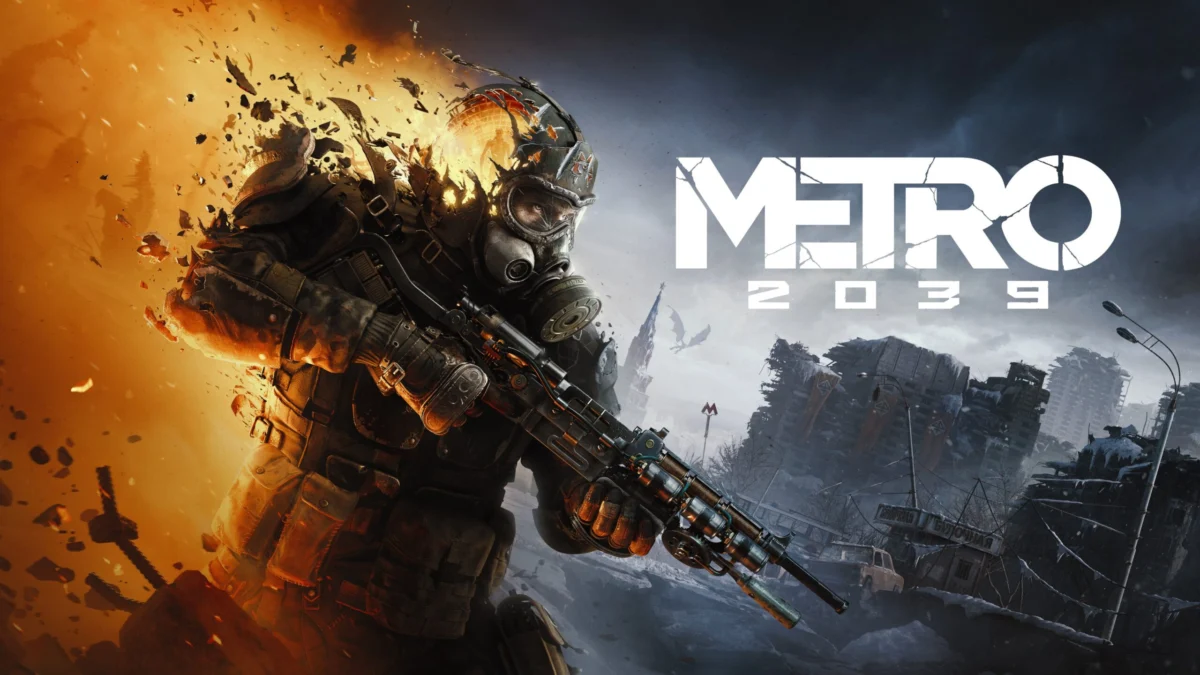
Developer 4A Games and publisher Plaion have officially announced Metro 2039, the highly anticipated next installment in the critically acclaimed post-apocalyptic franchise. Serving as a direct follow-up to 2019’s commercially successful and critically lauded Metro Exodus, the upcoming title shifts away from the expansive, semi-open-world sandbox design of its predecessor. Instead, Metro 2039 brings the survival horror series back to its narrative and environmental roots: the dark, claustrophobic, and perilous tunnels of the Moscow Metro.
Scheduled for a winter release window, Metro 2039 is slated to launch on PC, PlayStation 5, and Xbox Series X/S. While the reveal trailer provided only a brief glimpse blending cinematics and early gameplay, the announcement has immediately revitalized excitement within the gaming community for one of the industry’s most enduring single-player narrative experiences.
A Return to the Tunnels: Core Gameplay and Structural Shifts
Unlike Metro Exodus, which saw protagonist Artyom and a small band of Spartans travel across the vast, irradiated Russian wilderness aboard the Aurora, Metro 2039 re-establishes a localized, subterranean focus. 4A Games has confirmed that the title remains staunchly committed to its identity as a story-driven, single-player adventure.
By pulling players back into the tight corridors, rusted iron tracks, and damp stations of the Moscow Metro, the developers aim to resurrect the suffocating, psychological tension that defined the franchise’s first two entries, Metro 2030 and Metro Last Light.
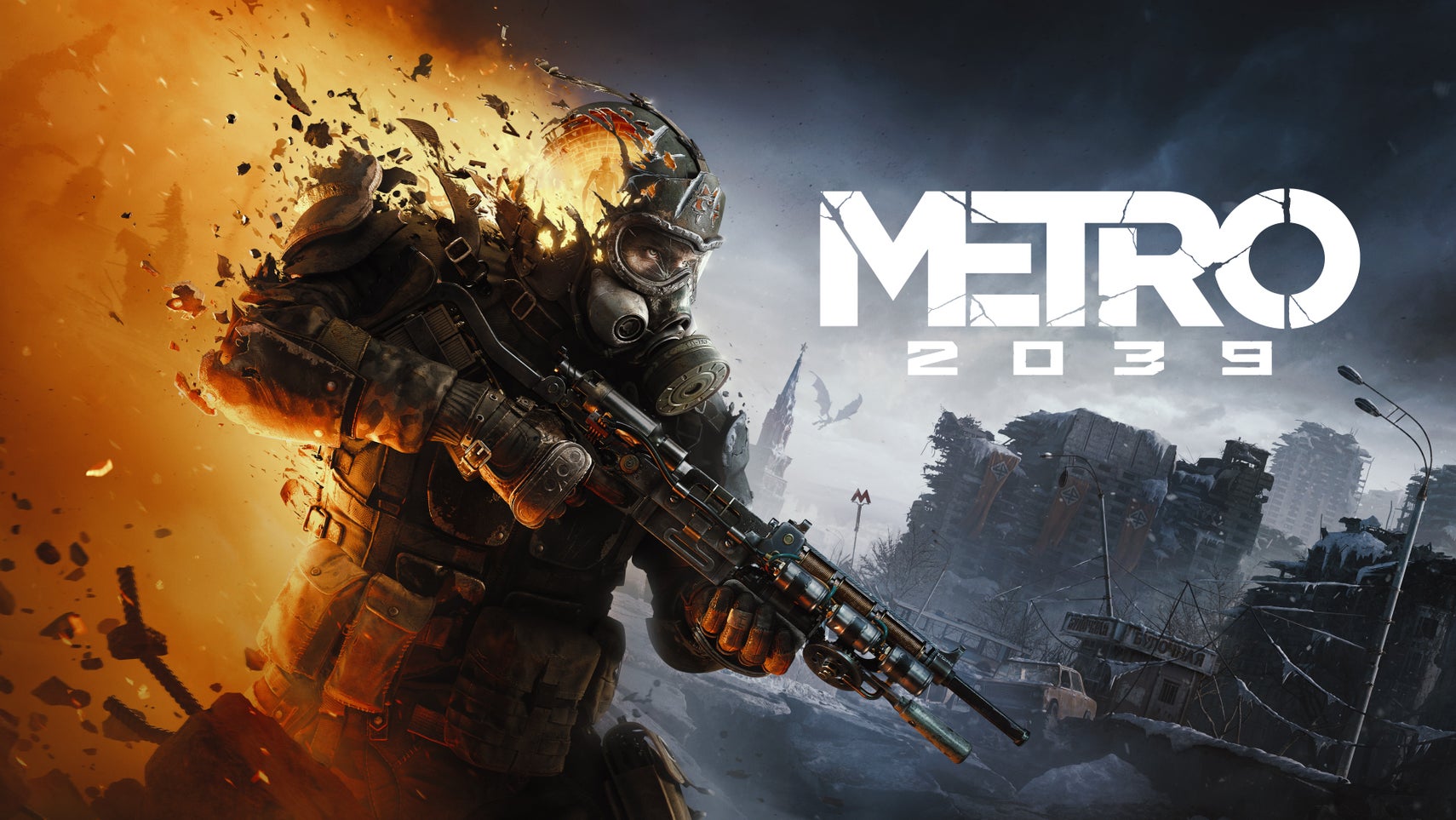
However, several notable changes are coming to the core formula. For the first time in the franchise’s history, the protagonist will be fully voiced throughout the entirety of the experience. This creative shift is intended to ground the narrative more deeply, allowing the psychological horror of the setting to manifest through a clearer personal lens. The psychological dread in Metro 2039 is heavily tied to the compounding generational trauma of a society that has spent decades surviving beneath the surface of a destroyed world.
Furthermore, 4A Games has emphasized that choice and consequence will play an expanded, more impactful role in the upcoming game. Renowned Russian author Dmitry Glukhovsky, whose bestselling novels inspired the franchise, returns to co-write the script. Glukhovsky’s involvement ensures that the narrative will retain its trademark philosophical depth, exploring the compromised morality, ethical decay, and factional politics of a post-war society struggling against extinction.
The Rise of Novoreich and the Evolution of Metro Politics
The narrative premise of Metro 2039 introduces a grim political consolidation within the ruins of Moscow. According to early details from the developers, the previously fractured and warring factions of the underground have fundamentally changed. Years of isolation, resource scarcity, and psychological attrition have forced a union under a single, authoritarian banner known as the Novoreich.
Led by a former member of the elite Spartan Order, the Novoreich regime presents itself to the desperate denizens of the Metro as the sole path to collective salvation. Yet, as the title’s opening premise explicitly highlights through its return to Nazi ideology festering in the dark, the regime’s vision of salvation is built upon oppressive control, extremist philosophies, and ruthless subjugation. Players will navigate this treacherous sociopolitical landscape, where survival often demands difficult compromises and moral ambiguity.
Development Challenges, Resilience, and the Ukrainian Perspective

The journey to bring Metro 2039 to fruition has been exceptionally arduous for 4A Games. The title has been in development for several years, a timeline heavily disrupted by unprecedented global and geopolitical crises.
In 2020, the studio—which maintains primary operations in Kyiv, Ukraine, alongside a studio in Malta—had to rapidly adapt to the remote-working conditions imposed by the global COVID-19 pandemic. Far more devastating, however, was the full-scale Russian invasion of Ukraine in February 2022. The conflict directly impacted the lives of developers, their families, and their local communities.
Despite the immense personal and operational hardships faced by the predominantly Ukrainian workforce, 4A Games persevered. The studio has confirmed that the harrowing realities of the past several years have directly shaped the narrative tone of Metro 2039. The developer’s collective perspective, forged through living through war and displacement, has been woven into the thematic fabric of the game. The result is a significantly darker, more mature story that reflects the profound toll of conflict, nationalism, and societal collapse—themes that have tragically transitioned from fiction to lived reality for the team.
Technological Advancements and the 4A Engine
In an era where many major AAA game development studios have transitioned to third-party software like Epic Games’ Unreal Engine, 4A Games remains steadfast in utilizing its proprietary technology. The studio’s in-house 4A Engine has received a comprehensive, ground-up overhaul specifically for Metro 2039.
The updated engine is designed to maximize the performance capabilities of current-generation hardware, specifically the PlayStation 5, Xbox Series X/S, and high-end PCs. Ray tracing, which was previously integrated as an advanced graphical option in Metro Exodus, has now been rebuilt as a fundamental, core component of the rendering pipeline in 2039.

Despite the heavy graphical fidelity afforded by these technological upgrades, 4A Games has reiterated that artistic direction remains focused on environmental storytelling. The team’s primary design philosophy continues to center on building cluttered, believable, lived-in spaces that make the underground world feel organically lived in, claustrophobic, and terrifyingly real.
Industry Implications and Market Position
The announcement of Metro 2039 arrives at a time when the market for premium, single-player, narrative-driven action games remains robust, yet increasingly sparse among major publishers. By resisting industry trends toward live-service multiplayer models, free-to-play monetization, and endless open-world bloat, 4A Games continues to carve out a distinct niche for uncompromising single-player campaigns.
The decision to return to the linear, claustrophobic structure of the original titles can be interpreted as a direct response to core fan feedback. While Metro Exodus proved that the franchise could successfully scale outward, the soul of the franchise has always remained tethered to the oppressive darkness of the Metro tunnels. By pairing this atmospheric return with a mature, war-shaped narrative perspective and cutting-edge visual technology, 4A Games is positioning Metro 2039 as a definitive high-water mark for the studio.
As the winter release window approaches, fans of the franchise and newcomers alike await further deep-dives into gameplay, mechanics, and story elements. With Dmitry Glukhovsky’s narrative guidance, a newly voiced protagonist, and a deeply personal creative vision shaped by resilience, Metro 2039 stands poised to redefine survival horror when it arrives on PC and current-gen consoles.