As autumn air settles across high-altitude trails and morning temperatures dip below freezing, the struggle of transitioning from a warm sleeping bag into the biting chill of a dawn campsite remains one of the universally acknowledged trials of backpacking. For decades, outdoor enthusiasts have had to choose between the thermal efficiency of restrictive mummy bags and the sprawling comfort of rectangular camping quilts. Mountain Hardwear seeks to bridge this perennial compromise with the Yawn Patrol 15, a shoulder-season sleeping bag engineered specifically to deliver household-bed comfort without sacrificing the thermal performance required when the mercury drops. Currently drawing attention from gear analysts and autumn backpackers alike—not least due to a prominent retail promotion pricing the unit at $227, representing a 35 percent discount from its standard retail value—the Yawn Patrol 15 represents a calculated evolution in how manufacturers approach cold-weather rest.
Main Facts and Technical Specifications
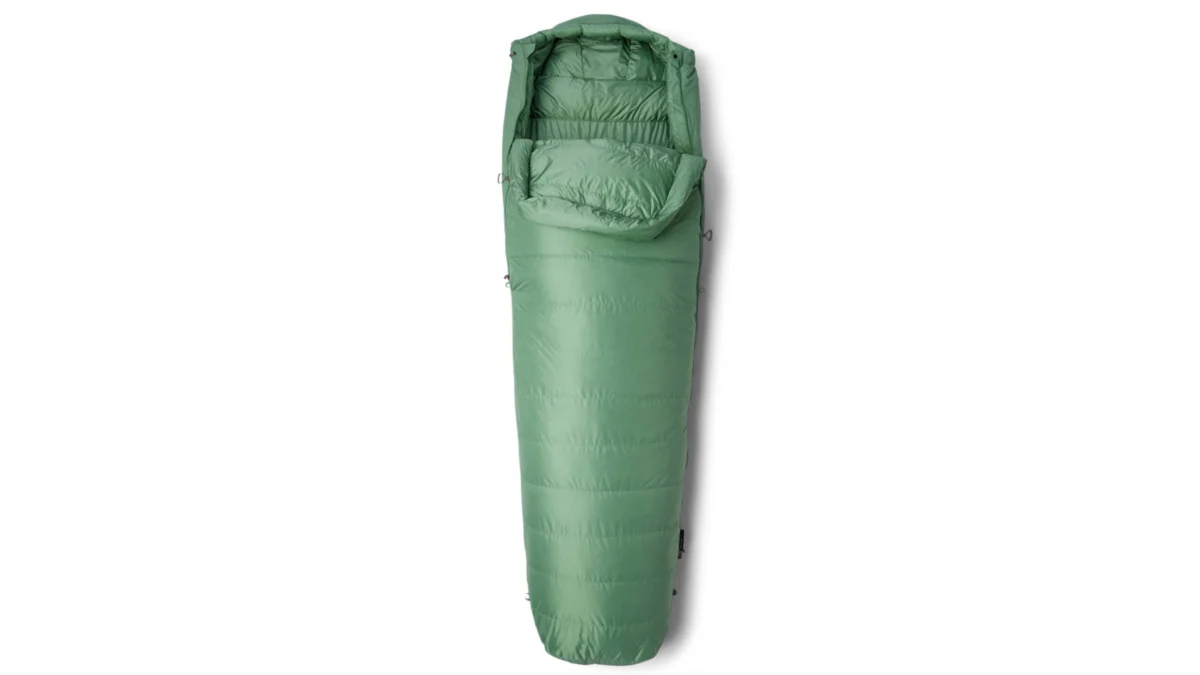
At its core, the Mountain Hardwear Yawn Patrol 15 is meticulously designed for crisp autumn nights, late-winter excursions, and high-elevation summer camping where shoulder-season conditions prevail. Unlike traditional technical mummy bags that taper aggressively from shoulders to toes to minimize dead air space, the Yawn Patrol adopts a hybrid architectural philosophy. It utilizes a lightly tapered silhouette that occupies the functional middle ground between a restrictive mummy bag and an extra-roomy rectangular bag. This geometry allows side-sleepers, restless movers, and campers who simply despise the constrained feeling of standard technical bags to shift positions naturally throughout the night.
Insulation duties are handled by 650-fill down, offering a plush, lofty feel that traps body heat effectively while maintaining compressibility when packed into a rucksack. To combat convective heat loss—a common vulnerability in less rigidly designed bags—Mountain Hardwear integrated a full-length draft tube along the zipper track. This insulated barrier prevents cold air from seeping through the zipper teeth, a critical design feature when ambient temperatures hover in the teens and twenties.
Attention to detail extends to user-centric interface features. The bag includes four integrated webbing loops positioned along the bottom exterior, allowing campers to securely anchor their sleeping pad directly to the bag. This prevents the common frustration of sliding off an insulating pad onto the frozen tent floor in the middle of the night. Furthermore, interior storage solutions have been thoughtfully modernized: a dedicated interior pocket keeps camp pillows from migrating during sleep, while a specialized smartphone pocket keeps essential electronics close to the user’s core. This prevents lithium-ion batteries from draining rapidly under the duress of sub-freezing night temperatures—a frequent technical headache for backcountry photographers, navigators, and emergency communicators—without the risk of devices sliding irretrievably down into the footbox.
Chronology and Product Evolution
The development of the Yawn Patrol 15 reflects broader historical shifts within the outdoor recreation equipment sector over the past decade. Historically, the sleeping bag market was strictly dichotomous: mountaineers and serious backpackers utilized high-efficiency mummy bags that maximized warmth-to-weight ratios at the expense of comfort, while car-campers relied on bulky, uninsulated rectangular bags that offered zero thermal protection against sub-freezing environments.
As outdoor participation broadened significantly following the pandemic-era surge in backcountry camping, manufacturers recognized a rapidly expanding demographic of consumers who prioritized sleep quality and comfort over shaving every possible gram of pack weight. This demographic shift prompted research and development teams to revisit thermal efficiency metrics and experiment with hybrid geometries.
By the mid-2020s, brands began releasing semi-rectangular and hybrid-taper bags utilizing advanced ethical down sourcing and body-mapping insulation techniques. Mountain Hardwear’s formal launch of the Yawn Patrol series built directly upon these iterative design breakthroughs. Industry analysts tracking gear releases through the fall of 2026 noted that the Yawn Patrol 15 quickly gained traction among weekend warriors and thru-hikers tackling segments of long trails during shoulder seasons, culminating in strong retail positioning and competitive promotional pricing by mid-September 2026.
Supporting Data and Market Context
To evaluate the positioning of the Yawn Patrol 15, industry researchers examine the broader economics of the outdoor gear market, particularly the sleeping bag and quilt segment, which accounts for hundreds of millions of dollars in annual North American retail sales. Shoulder-season equipment—typically rated for temperatures between 15°F and 30°F—represents one of the most fiercely contested categories because it bridges the gap between lightweight summer gear and heavy-duty winter mountaineering equipment.
Consumer data consistently indicates that sleep comfort is the primary factor cited by novice and intermediate backpackers when explaining why they curtail or abandon multi-day trips. Traditional mummy bags score high on warmth retention but frequently alienate casual users due to claustrophobia and restricted leg movement. Conversely, oversized rectangular bags fail thermal safety margins when unexpected cold snaps drop temperatures below freezing.
Priced natively around the mid-$300 tier, the Yawn Patrol 15’s introduction to the market at a competitive price point—amplified by seasonal promotional markdowns bringing it down to approximately $227—positions it as an accessible entry point for consumers seeking premium down insulation without committing to elite-tier, expedition-grade pricing. The integration of 650-fill down provides an optimal balance between loft, durability, and cost-efficiency, avoiding the extreme price inflation associated with ultra-premium 850- or 900-fill down products while still delivering superior compressibility compared to synthetic alternatives.
Official Responses and Industry Reception
While Mountain Hardwear has not released extraordinary corporate statements regarding the Yawn Patrol 15, product designers and brand representatives have consistently emphasized the philosophy of "inclusive comfort" during trade exhibitions and media previews. According to brand communications, the design mandate behind the Yawn Patrol line was to eliminate the intimidation factor often associated with technical alpine gear.
Field testers and gear reviewers across major outdoor publications have responded favorably to these design priorities. Independent evaluations highlight the effectiveness of the hybrid taper, noting that side-sleepers experience significantly fewer pressure points and restricted knee movement compared to traditional mummy alternatives. Reviewers have similarly praised the inclusion of practical amenities such as the dedicated phone pocket and pad-securing loops, identifying them as evidence of user-informed engineering rather than superficial aesthetic additions.
Retail partners, including major outdoor outfitters such as REI, have noted robust early-season demand for the product. Sales metrics from mid-September indicate that consumers actively seeking shoulder-season upgrades are gravitating toward hybrid designs that do not sacrifice thermal ratings for interior spatial volume.
Broader Impact and Market Implications
The reception of the Mountain Hardwear Yawn Patrol 15 points toward a lasting evolution in the design paradigms of cold-weather camping equipment. As the demographic profile of outdoor enthusiasts continues to diversify, equipment manufacturers are recognizing that technical performance and ergonomic comfort are not mutually exclusive design goals.
For the broader industry, the success of hybrid-geometry sleeping bags suggests that traditional classifications—such as the rigid boundary between mummy bags and rectangular bags—will continue to blur. Manufacturers are increasingly incentivized to adopt user-centric design principles that address psychological comfort (such as reducing claustrophobia) alongside physical metrics like temperature ratings and gram weights.
Furthermore, the pricing strategy surrounding the Yawn Patrol 15 underscores current retail dynamics within the outdoor sector. Amid fluctuating consumer spending habits and heightened price sensitivity, brands that can deliver premium materials—such as responsibly sourced down and specialized technical hardware—at accessible price points are better positioned to capture market share among intermediate participants.
Ultimately, the Mountain Hardwear Yawn Patrol 15 serves as a case study in functional refinement. By addressing minor yet persistent pain points—ranging from sliding sleeping pads to dead phone batteries and restricted sleeping postures—the product elevates the standard for what consumers can expect from shoulder-season sleep systems. As autumn temperatures continue to drop and backcountry travelers head into the hills, innovations of this nature ensure that the transition from a warm sleeping bag to a frosty morning landscape remains a deliberate choice rather than an endurance test.