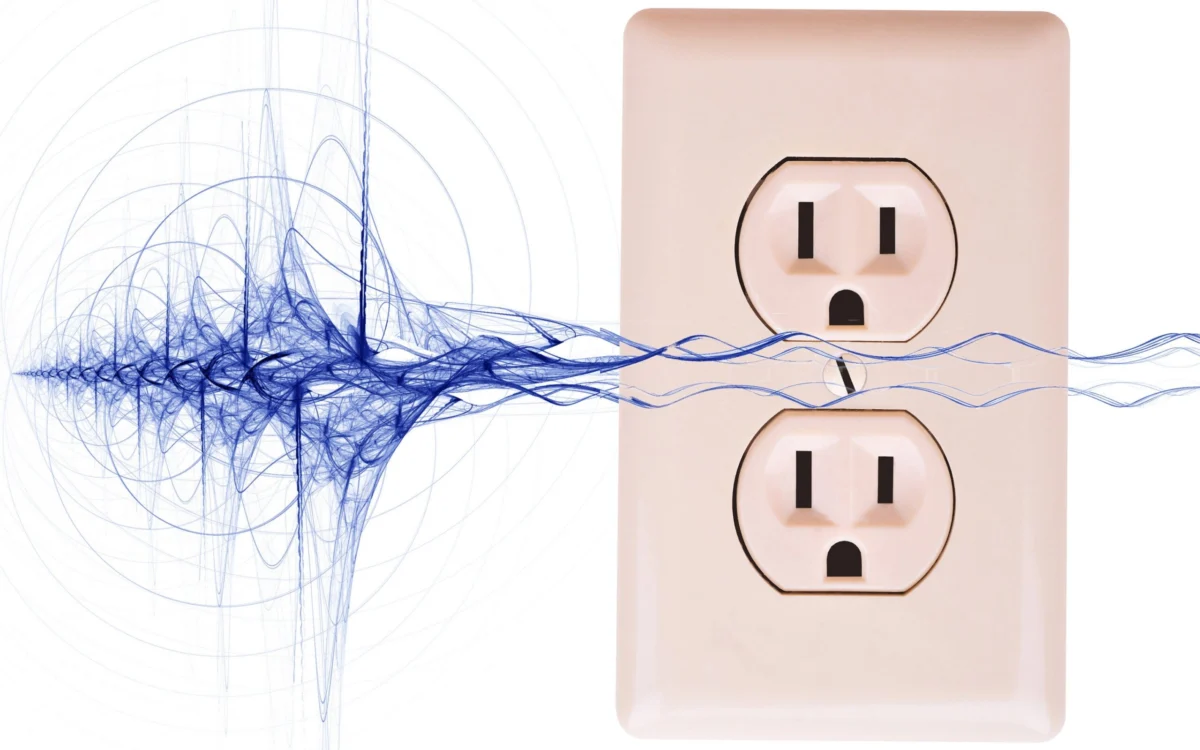
The experience of unboxing and installing high-end home entertainment equipment is often met with the expectation of pristine audio and razor-sharp visuals, yet many enthusiasts find their investment marred by an array of intrusive sounds and visual artifacts. These issues—ranging from low-frequency hums and sharp whines to visual banding and flickering on displays—are rarely the fault of the new equipment itself. Instead, they are typically the result of external electrical phenomena, such as ground loops, electromagnetic interference (EMI), or poor AC line quality. Understanding the mechanics of these disturbances is the first step toward achieving a studio-quality environment in a residential setting.

The Mechanics of Electrical Noise in Modern Environments
To address the various forms of audio and video interference, one must first categorize the nature of the noise. In a professional diagnostic context, these disturbances are usually classified into two categories: conducted interference, which travels through power lines and signal cables, and radiated interference, which moves through the air as electromagnetic waves.
The evolution of home electronics has exacerbated these issues. Historically, home theaters consisted of a few analog components. Today, a typical setup includes a mix of high-speed digital processors, switching power supplies, wireless routers, and smart home devices. Each of these components contributes to a "noisy" electronic environment. For instance, the switching power supplies used in modern LED lighting and laptop chargers operate by rapidly turning current on and off, a process that can inject high-frequency noise back into the home’s electrical grid.

Ground Loops: The Primary Source of System Hum
The most prevalent cause of audio noise is the ground loop. This phenomenon manifests as a steady 60Hz hum (in North America) or 50Hz hum (in Europe) emanating from speakers. In video systems, it often appears as "hum bars"—horizontal bands that scroll vertically across the screen.
A ground loop occurs when two or more interconnected pieces of equipment have multiple paths to the electrical ground. This creates a closed conductive loop. Because different wall outlets can have slightly different electrical potentials, a small amount of current begins to flow through the shielding of the signal cables (such as RCA or HDMI) to reach the ground. This shield, which is supposed to protect the signal, becomes a carrier for noise.

Chronology of Mitigation Strategies
The methodology for resolving ground loops has evolved from "lifting" grounds to sophisticated isolation techniques:
- The Single-Point Grounding Approach: The most immediate and cost-effective solution is to ensure all interconnected components are powered from a single AC outlet. By using a high-quality power strip or surge protector connected to one wall socket, the potential difference between components is minimized, effectively breaking the loop.
- Ground Line Filtration: For systems where components must be separated geographically, devices like the Ebtech Hum X provide a safe alternative. Unlike "cheater plugs" (three-prong to two-prong adapters) which pose a significant shock hazard by disconnecting the safety ground, these filters use a system of diodes to block low-voltage ground currents while maintaining a path for high-voltage faults.
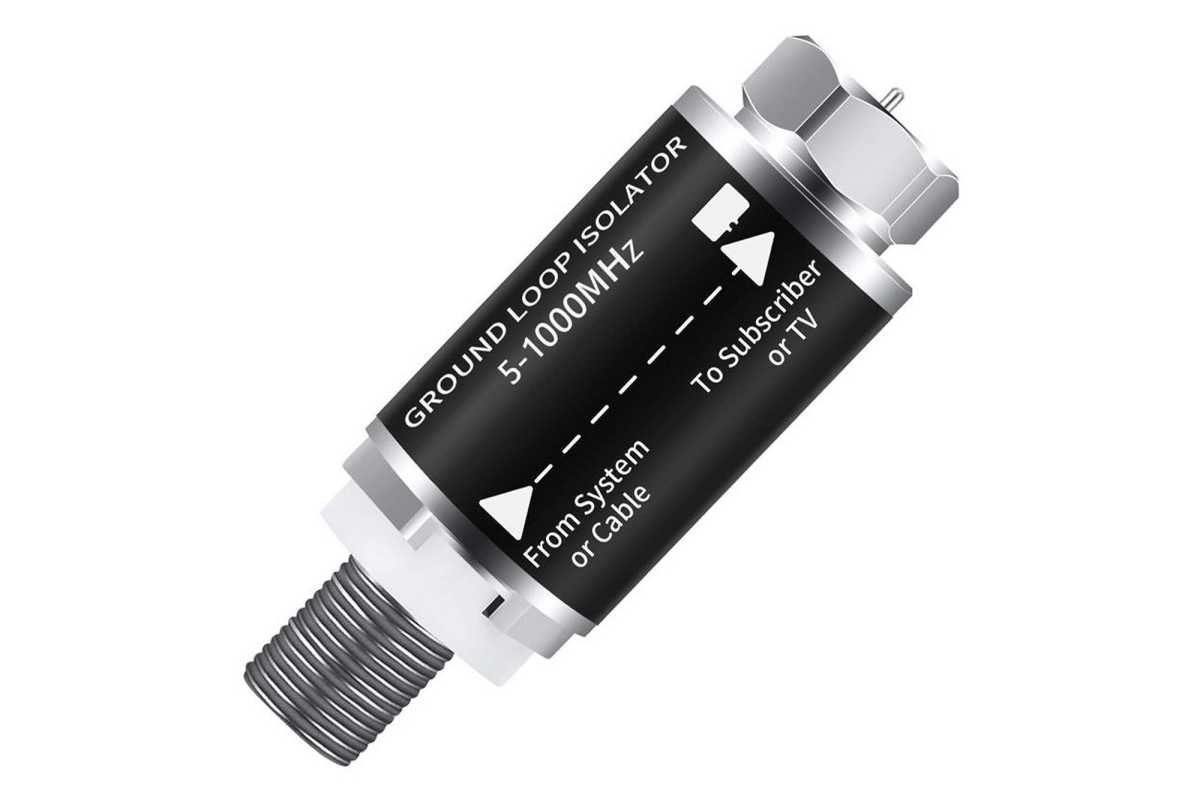
- Signal Isolation: If the noise persists, the loop must be broken at the signal level. Ground loop isolators for RCA cables or coaxial lines use small transformers to pass the audio or video signal via induction while physically disconnecting the electrical path of the shield.
AC Line Contamination and Power Infrastructure
Beyond ground loops, the quality of the AC power entering the system can introduce "hash" or "jitter." This is often caused by heavy appliances, such as refrigerators or air conditioners, or by failing fluorescent ballasts. These devices create transient voltage spikes and high-frequency noise that sensitive audio-visual (A/V) equipment may not be able to filter out.

Technical Data on Power Conditioning
For enthusiasts seeking total isolation, the industry points toward two primary hardware solutions:
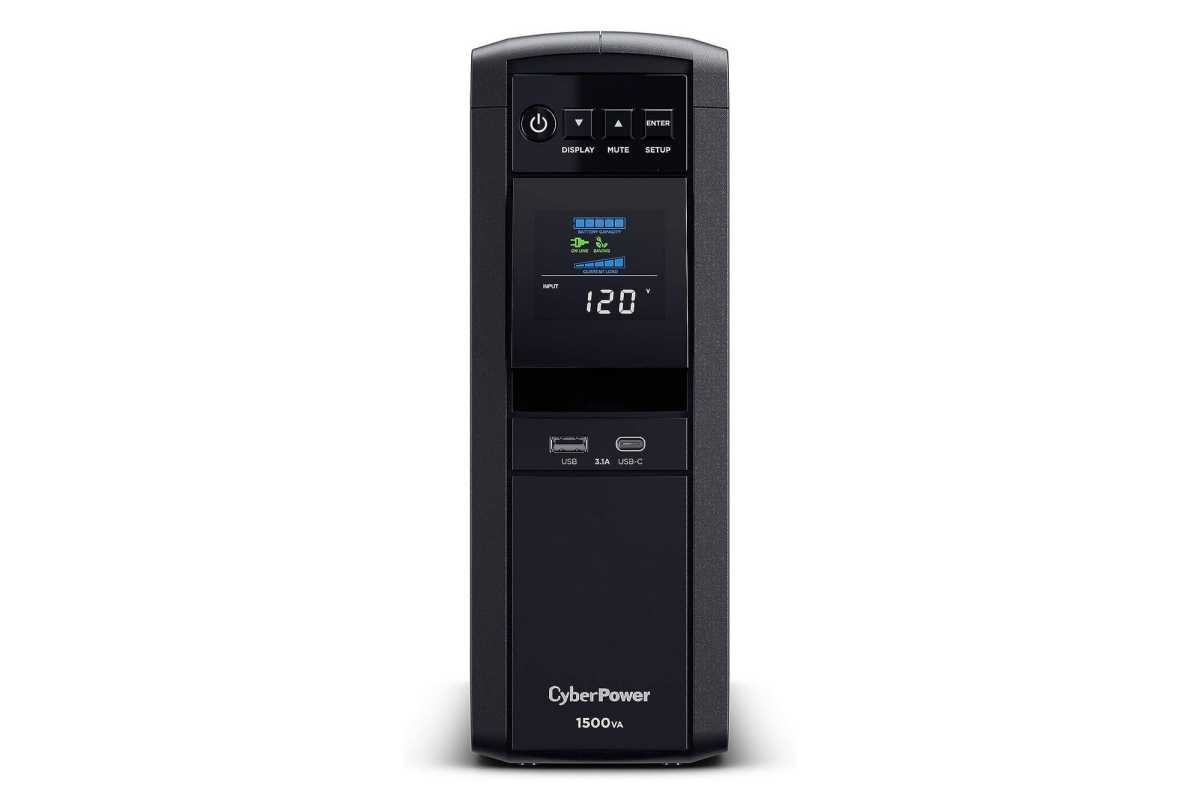
- Line Interactive Uninterruptible Power Supplies (UPS): Unlike standard standby UPS units, line interactive models (such as the Cyberpower CP1500PFCLCD) continuously regulate voltage. The most advanced "double-conversion" units convert incoming AC to DC and back to AC again, providing a "pure sine wave" that is virtually free of utility-line noise.
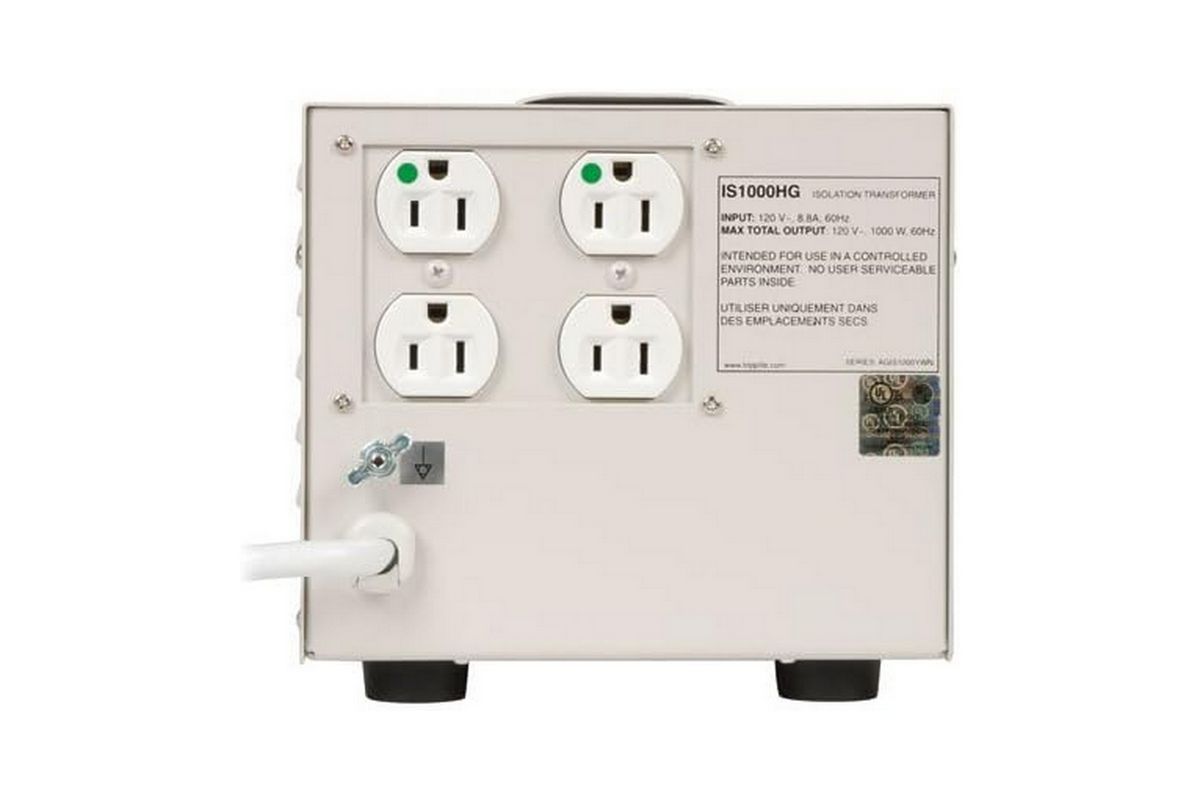
- Isolation Transformers: Used extensively in medical and laboratory environments, isolation transformers (like the Tripp Lite IS1000HG) provide a physical barrier between the utility grid and the equipment. They utilize a 1:1 ratio transformer that allows energy to pass through electromagnetic induction while blocking the physical connection to the source power. This effectively eliminates common-mode noise and provides a clean electrical "reset" for the connected gear.
Cable Integrity and the Material Science of Shielding
The cables connecting components act as the nervous system of a home theater, and their susceptibility to interference is a critical factor in system performance. A common misconception in the audiophile market is that the price of a cable is directly proportional to its noise-rejection capabilities. In reality, the effectiveness of a cable is determined by its geometry and shielding.
Balanced vs. Unbalanced Connections
In high-end audio, the transition from unbalanced (RCA) to balanced (XLR) connections is the most effective way to combat noise. Balanced cables use two conductors for the signal—one carrying the original signal and the other carrying an inverted version—plus a third wire for ground. At the receiving end, the equipment uses differential signaling to compare the two wires. Any noise picked up along the cable run will be identical on both wires; when the signals are recombined, the noise is mathematically canceled out. This process, known as Common Mode Rejection (CMR), allows for long cable runs in environments with high EMI.
Digital Signal Noise: USB and HDMI
Digital interfaces are not immune to noise. High-speed data transmission through USB or HDMI can suffer from "bus noise," where the power ground from a computer or media player interferes with the digital-to-analog converter (DAC).
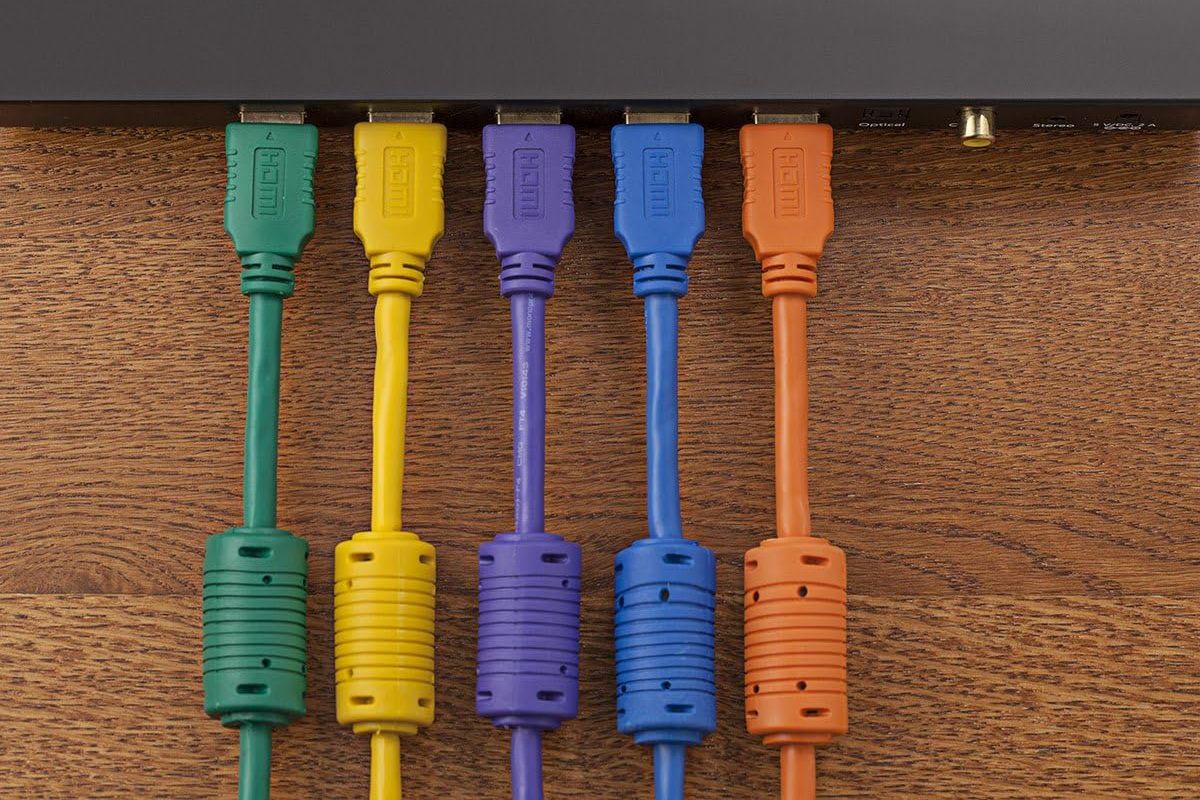
- Ferrite Beads: These small, cylindrical blocks of ferrimagnetic material are often found on high-quality cables. They act as a low-pass filter, dissipating high-frequency noise as heat.
- Ground Shunts: For USB audio interfaces, running a separate, low-resistance ground wire between the computer chassis and the interface chassis can provide a "path of least resistance" for noise, steering it away from the sensitive signal shielding.
Radio Frequency Interference (RFI) and Environmental Factors
The modern home is saturated with radio frequency signals from Wi-Fi, Bluetooth, cellular networks, and smart devices. This RFI can be rectified by internal components in an amplifier, turning a high-frequency radio signal into audible noise.
The "Faraday Cage" principle is the primary defense against RFI. Most high-quality A/V equipment is housed in metal enclosures designed to shunt radio signals to the ground before they reach internal circuitry. However, consumer trends toward aesthetic designs, such as computer cases with tempered glass panels or plastic-housed peripherals, have reduced the effectiveness of this shielding. Professional recommendations suggest keeping high-frequency emitters, such as routers and cordless phone bases, at least three to six feet away from sensitive audio pre-amplifiers and turntables.
Broader Impact and Industry Implications
The struggle for clean audio and video signals has significant implications for the consumer electronics industry. As home theaters move toward 8K resolution and "High-Res" 24-bit/192kHz audio, the tolerance for noise floor interference becomes nearly zero. Small amounts of jitter or electrical noise that were imperceptible in the era of standard-definition video can now cause visible "sparkles" or audio dropouts in high-bandwidth digital streams.
Manufacturers have responded by integrating better filtering into their power supplies, but the fundamental limitations of residential electrical wiring remain a bottleneck. The rise of the "smart home" means that every light switch and appliance is now a potential source of RFI. Consequently, the market for power conditioning and sophisticated grounding solutions—once the exclusive domain of recording studios and hospitals—is becoming a standard requirement for the modern home theater enthusiast.
In summary, the elimination of system noise is rarely achieved through a single "silver bullet" solution. It requires a systematic approach: identifying the source of the noise, breaking ground loops through proper power distribution, isolating the AC line from household contaminants, and utilizing superior cable architectures like balanced XLR or ferrite-shielded digital lines. By treating the home theater as an integrated electrical ecosystem rather than a collection of independent boxes, users can finally realize the full performance potential of their audio and video equipment.