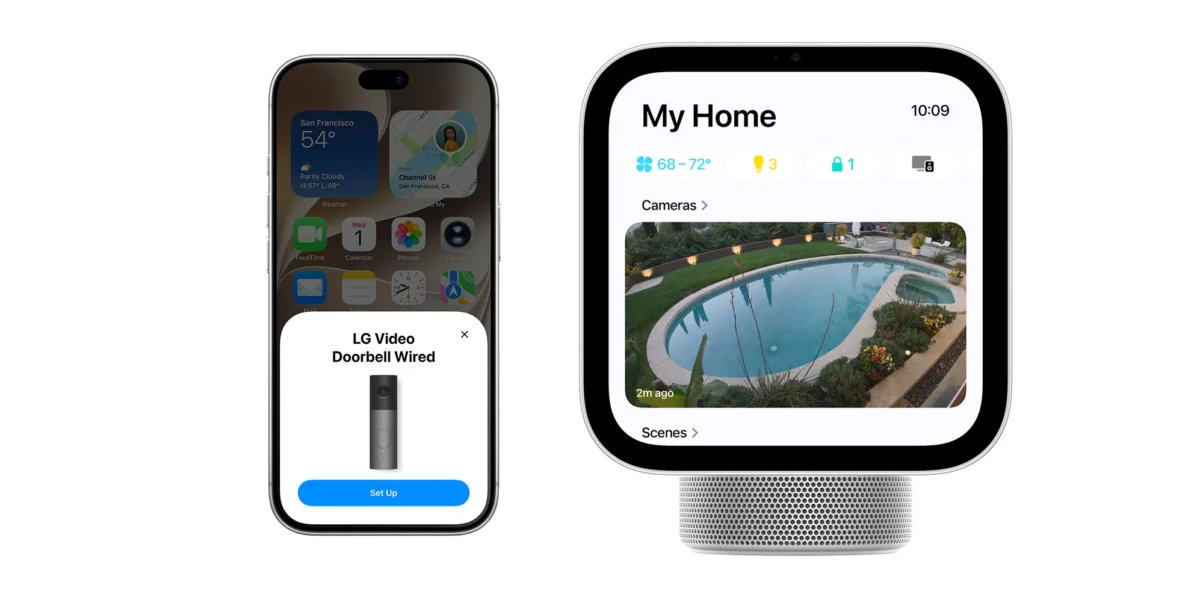
The unveiling of the Apple Home Collection—a curated line of smart home hardware developed in strategic partnership with industry stalwarts LG and Schneider Electric—marks a fundamental shift in the consumer electronics landscape. While tech enthusiasts have navigated the complexities of smart home integration for decades, the broader public has largely remained on the sidelines, deterred by fragmented ecosystems, inconsistent standards, and arduous configuration processes. By integrating its signature "AirPods-style" seamless pairing experience into the smart home environment, Apple is positioning itself to bridge the gap between niche hobbyism and mainstream utility.
The Evolution of the Smart Home: A Chronology
The trajectory of the smart home has been characterized by a transition from specialized, wired infrastructure to wireless, software-defined ecosystems. In the late 1990s and early 2000s, early adopters utilized protocols such as X10, which required significant technical proficiency, often necessitating manual programming and hardware soldering to ensure device communication.
By the early 2010s, the introduction of smartphone-controlled devices offered a temporary respite, but created a new problem: "app fatigue." Users were forced to download individual manufacturer applications for every lightbulb, thermostat, or lock, with little to no interoperability between brands.
Apple’s 2014 introduction of HomeKit was the first significant attempt to centralize this control. It established a common language for manufacturers to communicate with iOS devices, but early implementation remained uneven. Many devices still required secondary, vendor-specific apps to establish a bridge to the HomeKit ecosystem. This period, often characterized by frustrating "network engineer" experiences for the average consumer, stunted the growth of Apple’s footprint compared to the rapid commercial expansion of Amazon’s Alexa and Google’s Assistant.
The industry landscape shifted again in 2022 with the widespread adoption of the Matter standard and Thread networking technology. These initiatives were designed to decouple hardware from software ecosystems, allowing devices to communicate across platforms seamlessly. However, while Matter improved reliability, it did not entirely solve the user experience hurdles associated with initial device discovery and provisioning.
The Apple Home Collection: Engineering Simplicity
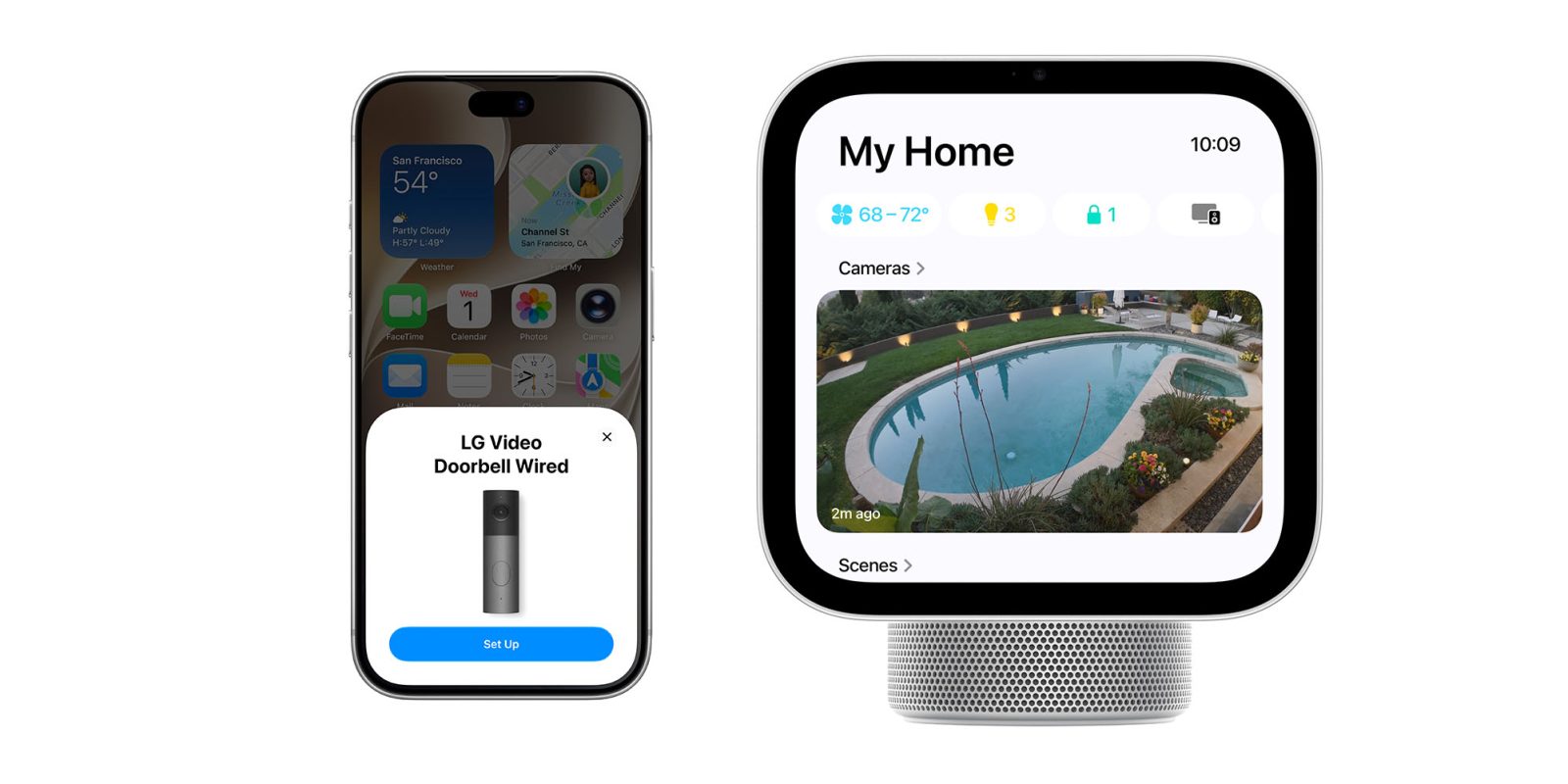
The Apple Home Collection represents a pivot toward vertical integration of the user experience. By collaborating directly with LG and Schneider Electric, Apple is ensuring that the hardware-to-software handshake is optimized at the firmware level.
According to early demonstrations, including those at the recent Apple HomeView showcase, the setup process for these new accessories is virtually invisible. A user simply brings an accessory near an iPhone or Apple Home hub; the device is instantly detected, authenticated, and provisioned without the need for manual QR code scanning or third-party app authentication.
This mechanism leverages Apple’s proprietary U1 and U2 ultra-wideband chips, combined with secure, encrypted token handshakes that occur in the background. This effectively removes the friction point that has historically prevented non-technical consumers from expanding their smart home installations. For the average household, the removal of the "IT department" burden is expected to be the primary catalyst for mass-market penetration.
Market Implications and Industry Data
Industry analysts have long pointed to the "complexity gap" as the primary reason for slow smart home adoption. According to recent market research from IDC, while the global smart home market is expected to reach a valuation of over $200 billion by 2028, the penetration rate in average households remains below 30% in many developed markets.
The primary barrier identified in consumer surveys is not price—though the Apple Home Collection carries a premium—but rather the "fear of failure." Consumers report a high level of anxiety regarding the potential for devices to lose connectivity or require constant troubleshooting. By branding these devices under the Apple Home Collection, the company is effectively providing a "guarantee of compatibility," shifting the perceived risk from the consumer to the manufacturer.
Furthermore, the involvement of established manufacturers like Schneider Electric suggests a move toward permanent, high-quality home infrastructure rather than disposable "gadgets." This aligns with a broader industry shift toward "Smart Home as a Utility," where smart capabilities are integrated into the home’s electrical and climate control systems at the point of construction or renovation.

Strategic Perspectives from Key Stakeholders
While official comments remain focused on the integration of technology, the move has been welcomed by smart home integrators and developers. In a briefing following the announcement, representatives from the Home Connectivity Alliance (HCA) noted that the Apple Home Collection’s focus on standardized, low-friction setup acts as a "rising tide" for the entire industry. By validating that a simple, unified experience is possible, Apple forces competitors to optimize their own onboarding flows to remain competitive.
Conversely, some industry observers remain cautious regarding the "walled garden" approach. By keeping the configuration process tied so closely to Apple’s proprietary stack, there is a risk of further fragmenting the market. However, because these devices are built on top of the open Matter standard, they remain interoperable with other platforms, mitigating the risk of long-term vendor lock-in.
Future Outlook and Societal Impact
The broader implication of this release is the normalization of the "connected home." As smart home features become as intuitive as pairing wireless headphones, the expectation for home responsiveness will increase. We are moving toward an era where the home is no longer a collection of disparate devices, but a unified environment that responds to occupant presence, environmental conditions, and behavioral patterns.
For the average consumer, the Home Collection provides a pathway to automation that does not require an understanding of IP addresses, VLANs, or firmware update cycles. If the technology functions as demonstrated, it effectively renders the "technical barrier" obsolete.
As we look toward the next fiscal year, the market will likely monitor the adoption rate of these devices closely. If the Apple Home Collection achieves significant sales volume, it will serve as a clear indicator that the market is ready for a "premium-utility" model. In this scenario, lower-cost, high-friction devices will be increasingly relegated to the budget sector, while the mid-to-high market will be defined by ease-of-use and reliability.
The Apple Home Collection does not introduce new categories of devices—there are no radical inventions here, simply cameras, sensors, and controllers that have existed for years. Instead, the innovation lies in the erasure of the setup process. By treating the smart home as a cohesive, plug-and-play extension of the user’s mobile device, Apple is attempting to solve the final hurdle in a decade-long quest for domestic automation. Whether this strategy will successfully convert the remaining skeptics remains to be seen, but the industry is clearly moving toward a standard where ease of use is no longer a feature, but a baseline requirement.