










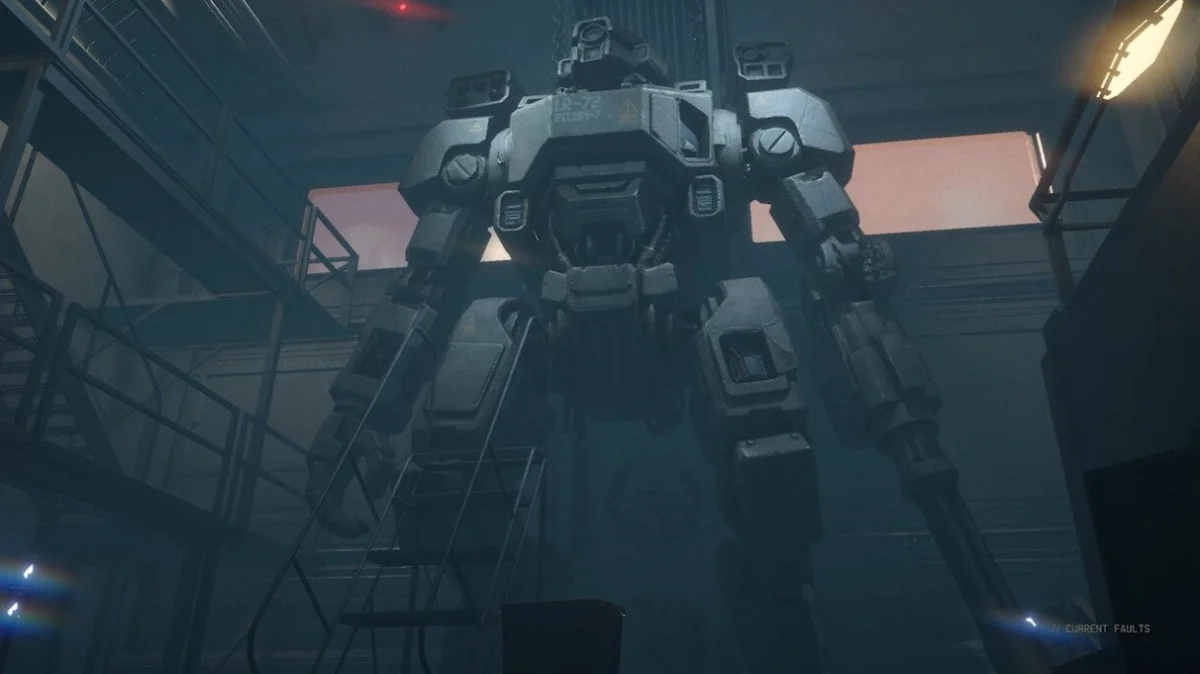
The landscape of simulation gaming is expanding to include the grittier, behind-the-scenes realities of science fiction conflict with the announcement of Bay 12: Mech Repair. Developed by Crimson Herring Studios—the team previously responsible for the Victorian-era fantasy RPG Sovereign Syndicate—this new title shifts the focus from the glory of the cockpit to the industrial necessity of the hangar. Unlike speculative biomechanical franchises such as Evangelion, which treat the mecha as an extension of the pilot’s psyche, Bay 12: Mech Repair grounds its gameplay in the tangible, high-stakes mechanics of industrial engineering and military logistics. The game positions players as a frontline technician responsible for maintaining massive, hydraulic-powered war machines, a role that bridges the gap between high-octane combat simulators like MechWarrior and the grounded, procedural nature of modern job-simulation titles.
The Mechanics of Industrial Maintenance
At its core, Bay 12: Mech Repair is a simulation of high-stakes maintenance. Players are tasked with managing a steady flow of damaged "Iron Giants" that arrive in their hangar following combat deployments. The diagnostic process is multifaceted, requiring players to synthesize data from three primary sources: digital sensor scans, pilot debriefings, and physical inspection.
The gameplay loop mirrors real-world logistical operations. Once a unit is docked, the player must identify mechanical failures—such as a compromised actuator or a failing cooling system—and employ a suite of specialized tools, including welders, drills, and pneumatic spanners, to restore the unit to peak operational capacity. The economic layer of the game requires a delicate balance: players earn credits for completed work orders, which must then be strategically allocated between restocking spare parts, purchasing advanced diagnostic tools, and upgrading hangar infrastructure.
A notable feature is the inclusion of a salvage system, where parts recovered from destroyed or irreparable mechs can be repurposed or broken down into scrap to manufacture custom components. This adds a layer of depth to the inventory management, forcing players to decide which components are worth preserving and which should be discarded to maximize hangar efficiency.
Context and Narrative Integration
While the gameplay is rooted in technical simulation, Crimson Herring Studios has integrated narrative stakes to ensure that the maintenance process carries significant emotional weight. Each war-bot comes with a backstory and a mission log, providing the player with insight into the pilot who operates the machine.
For instance, a pilot might report a specific failure, such as "left leg hesitation" occurring during high-temperature engagements. This detail is not merely flavor text; it serves as a functional diagnostic clue while simultaneously humanizing the pilot, Lieutenant Iona Vale. By framing mechanical repairs through the lens of pilot safety, the game creates a sense of urgency. The player is not just repairing a machine; they are ensuring the survival of an individual currently embroiled in a broader, off-screen war. Whether the game allows for diagnostic errors that could lead to subsequent combat failures for the pilot remains a point of intense interest for the gaming community, as such a feature would elevate the simulation from a static puzzle to a dynamic participant in the game’s wider conflict.
Aesthetic Choices and Customization
Beyond the functional requirements of repair, Bay 12: Mech Repair offers a creative suite that allows for the cosmetic modification of the mechs. Players are given the option to strip away oxidation, apply fresh coatings, and utilize intricate camouflage patterns.
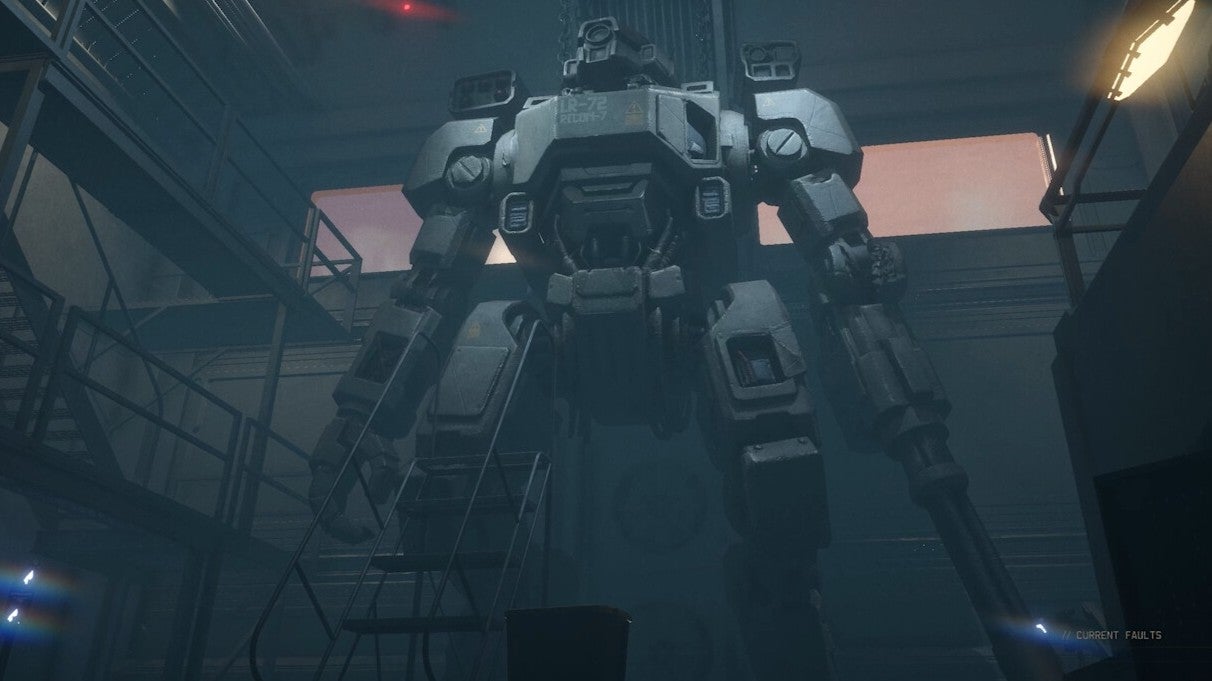
From an analytical standpoint, the impact of these aesthetic choices on the game’s internal economy or narrative remains to be fully explored. However, the developer’s emphasis on the "dazzle camouflage" and aesthetic precision suggests that the hangar experience is intended to be a meditative, albeit demanding, counterpart to the chaos of the battlefield. This "cosy" simulation aspect—often seen in titles like PowerWash Simulator—is effectively hybridized with the high-pressure environment of a military depot, creating a juxtaposition that is unique within the mecha genre.
Industry Background and Development History
Crimson Herring Studios has previously established a reputation for narrative-driven depth with their debut title, Sovereign Syndicate. The move to a specialized simulation title like Bay 12: Mech Repair represents a significant pivot in the studio’s portfolio. The gaming industry has seen a resurgence in "job sims" over the past five years, with players demonstrating a consistent appetite for titles that simulate hyper-specific, expert-level trades.
The decision to focus on the technical side of mecha warfare also aligns with a wider trend of "grounded" sci-fi. While the mecha genre is often dominated by high-fantasy concepts or superhero-adjacent narratives, the "MechWarrior school" of design—where machines are treated as heavy, vulnerable, and expensive industrial equipment—continues to resonate with players who value mechanical realism.
Comparative Analysis and Market Position
When contrasted with other upcoming titles in the genre, such as the visual novel-style Valkyrie Iteration, Bay 12: Mech Repair occupies a distinct niche. While Valkyrie Iteration explores the psychological toll of piloting, Bay 12: Mech Repair explores the material toll of sustaining that war. This distinction is vital for the target demographic: players who prefer the tactile satisfaction of repairing a complex machine over the narrative-heavy approach of visual novels.
The game is currently slated for release on Steam, and its performance will likely serve as a benchmark for how well the "job sim" format can integrate with traditional military sci-fi aesthetics. If the developers can successfully balance the "cosy" nature of mechanical repair with the looming threat of the war outside the hangar doors, they may carve out a significant presence in a crowded market.
Broader Implications and Future Outlook
The success of Bay 12: Mech Repair will ultimately depend on the complexity of its simulation engine. If the diagnostic requirements are sufficiently deep, the game could provide a level of replayability that sustains interest long after the initial novelty wears off. Furthermore, the inclusion of custom component crafting suggests a desire to provide players with a sense of agency that transcends simple task completion.
As the development cycle progresses, the industry will be watching to see how Crimson Herring Studios manages the balance between technical accuracy and accessibility. For now, the game stands as a compelling look at the unsung heroes of the mecha genre: the mechanics and technicians who keep the machines moving. In a world where the spotlight is usually reserved for the pilot, Bay 12: Mech Repair offers a necessary, detailed look at the machinery that makes the war possible, ensuring that every weld and every hydraulic adjustment serves a purpose greater than the sum of its parts.