







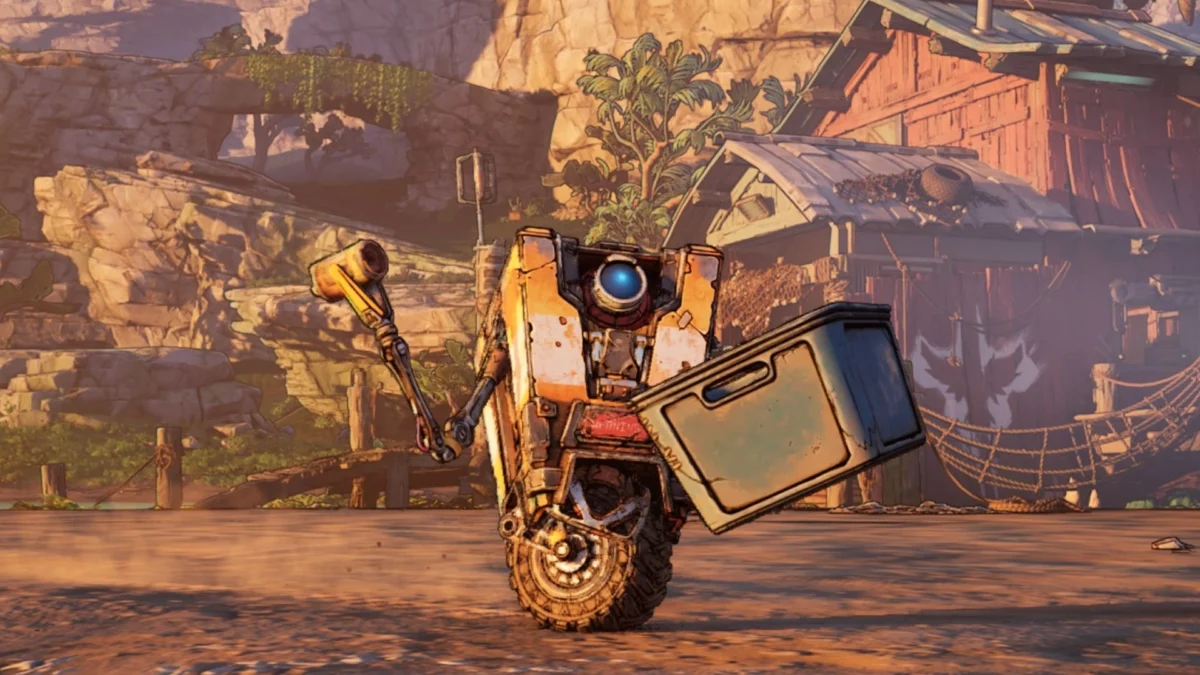
The Borderlands franchise has officially crossed the monumental threshold of 100 million units sold, cementing its status as one of the most successful intellectual properties in the history of the video game industry. Developer Gearbox Software confirmed the milestone in a recent public statement, marking a significant victory for the long-running looter-shooter series that first debuted in 2009. As the studio celebrates this financial and cultural achievement, it has simultaneously pivoted its focus toward the future, promising substantial content updates for its latest installment, Borderlands 4, and hinting at a broader strategic expansion for the franchise’s narrative and gameplay scope.
A Legacy of Looter-Shooter Dominance
Since its inception, the Borderlands series has been defined by its distinct "cel-shaded" aesthetic, irreverent humor, and addictive gameplay loop centered on the pursuit of procedurally generated weaponry. Starting with the original title in 2009, the franchise has consistently pushed the boundaries of the first-person shooter genre. Over the past fifteen years, the series has grown to include four primary mainline entries, various spin-offs, and an extensive catalog of downloadable content that has kept the player base engaged across multiple console generations and PC platforms.
The journey to 100 million units is a rarity in gaming. Only a handful of franchises—such as Grand Theft Auto, Call of Duty, Mario, and Pokémon—have reached or exceeded this sales volume. The achievement serves as a testament to the enduring appeal of the "Vault Hunter" concept, which successfully blended RPG-lite mechanics with traditional arcade-style shooting, effectively creating a sub-genre that many competitors have attempted to replicate.
Chronology of the Franchise
The growth of the Borderlands universe has been marked by several key developmental stages:
- 2009: The release of the original Borderlands, which established the core mechanics and the desolate world of Pandora.
- 2012: Borderlands 2 launches, widely considered the high-water mark of the series, significantly expanding the lore and introducing the iconic antagonist, Handsome Jack.
- 2014: Borderlands: The Pre-Sequel bridges the narrative gap between the first and second titles.
- 2019: Borderlands 3 arrives, modernizing the series’ gunplay and expanding the scope to multiple planets.
- 2024–2025: Borderlands 4 enters the market, introducing a more open-world approach and a refined, if controversial, launch period.
Navigating the Borderlands 4 Launch
Despite the franchise’s overall success, the launch of Borderlands 4 was not without its challenges. Industry observers and financial analysts noted that the game’s initial performance was "softer" than anticipated by publisher Take-Two Interactive. The primary point of friction was the game’s technical state on PC, which suffered from optimization issues at release. While Gearbox CEO Randy Pitchford initially defended the title’s performance, the consensus among the player base and critical outlets—including Eurogamer—suggested that the title struggled to maintain consistency, even as it introduced welcome innovations to the series’ formula.
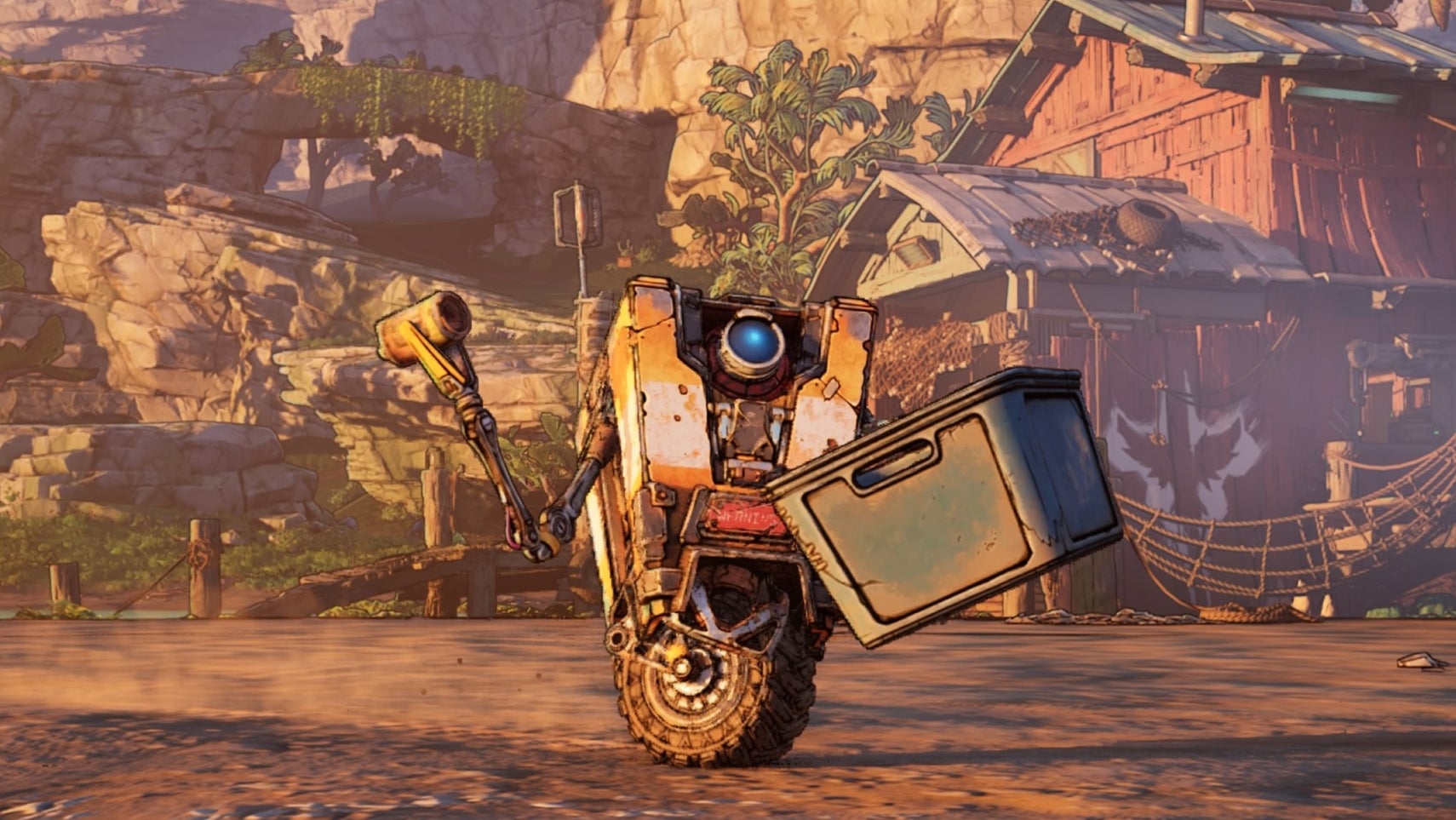
Furthermore, the intended expansion of the game to other platforms, specifically a reported port for the successor to the Nintendo Switch, was indefinitely paused. This strategic pivot was intended to allow the development team to focus exclusively on refining the core experience on current hardware. By prioritizing the stability of the existing game, Gearbox and Take-Two have sought to restore confidence in the title, transitioning it from a rocky launch into a stable, long-term service platform.
Gearbox’s Future Roadmap and Community Engagement
With the Year One roadmap for Borderlands 4 now concluded—a period that saw the introduction of two new playable characters and two substantial story expansions—Gearbox has confirmed it is actively developing additional content for the upcoming year. While specific details remain sparse, the studio has emphasized that this new wave of content will be shaped by direct feedback from the community.
The developer is currently initiating a consultative phase, asking players to identify which characters deserve further exploration and which narrative arcs require a definitive conclusion. This "community-led" approach is a departure from previous, more rigid development cycles, suggesting that Gearbox is attempting to cultivate a more collaborative relationship with its player base to ensure the longevity of the franchise.
In the interim, the studio has committed to maintaining the momentum of Borderlands 4 through recurring weekly activity refreshes and global community challenges. These initiatives are designed to keep the game’s "evergreen" status intact, ensuring that the player base remains active while the development team works on larger, more ambitious content updates.
Fact-Based Analysis of the Franchise’s Trajectory
The 100-million-unit milestone offers several insights into the current state of the gaming industry. First, it highlights the resilience of established "AA" and "AAA" franchises that possess a strong, recognizable brand identity. Even when faced with technical hurdles or mixed critical reception—such as those noted in Eurogamer’s review of Borderlands 4, which praised the open-world elements but criticized the exploration mechanics—a well-established fan base can provide the necessary cushion to turn a project into a long-term commercial success.
Second, the shift toward a "live service" model for Borderlands 4 reflects a broader industry trend where the launch date is no longer the final word on a product’s quality. Gearbox’s willingness to pause secondary projects like the Switch 2 port to fix the base game demonstrates a shift in priorities toward quality assurance as a tool for reputation management.

Finally, the studio’s explicit desire to "take a bigger look at the franchise as a whole" suggests that Gearbox is considering the next evolutionary step for the series. Whether this involves a shift in genre, a complete narrative reboot, or a deeper integration of emergent gameplay systems, the studio is clearly positioning itself for a new era of the franchise.
Implications for the Future
The road ahead for Gearbox is one of careful balancing. They must appease a long-term, highly critical fanbase while simultaneously attracting new players in a crowded market saturated with looter-shooters and live-service titles. The success of the "Year Two" content will likely determine the long-term viability of Borderlands 4.
For now, the studio remains tight-lipped about the specifics, adhering to a "when the time is right" communication strategy. This calculated silence suggests that Gearbox is aware of the high stakes involved. With 100 million units in the rearview mirror, the pressure to maintain the quality and relevance of the Borderlands brand has never been higher. As Gearbox continues its efforts to refine the current title and plan for the next phase, the industry will be watching closely to see if they can once again redefine the boundaries of the genre they helped popularize.
The transition from a single-player-focused experience to a persistent, evolving platform is a challenge many studios have faced, but few have navigated successfully for over a decade. By leaning into community feedback and focusing on core stability, Gearbox aims to ensure that the next 100 million players—or at least the next chapter in the series’ history—will be just as engaged as the first. The success of the franchise remains a pillar of the Take-Two portfolio, and the coming months will likely see the unveiling of a more concrete roadmap that bridges the gap between current frustrations and the studio’s ambitious vision for the future of Pandora.