







The Evolution of Wearable Health Technology
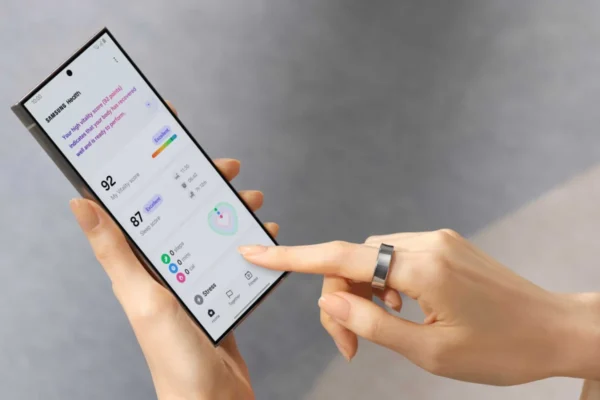
The wearable technology sector has experienced a paradigm shift over the past decade. Initially, devices like the Fitbit and the Apple Watch prioritized notification management, GPS navigation, and on-wrist interaction. However, a significant portion of the consumer base has begun to favor "invisible computing"—devices that track biometric data such as heart rate variability (HRV), blood oxygen levels, and recovery metrics without the constant distraction of a digital display.
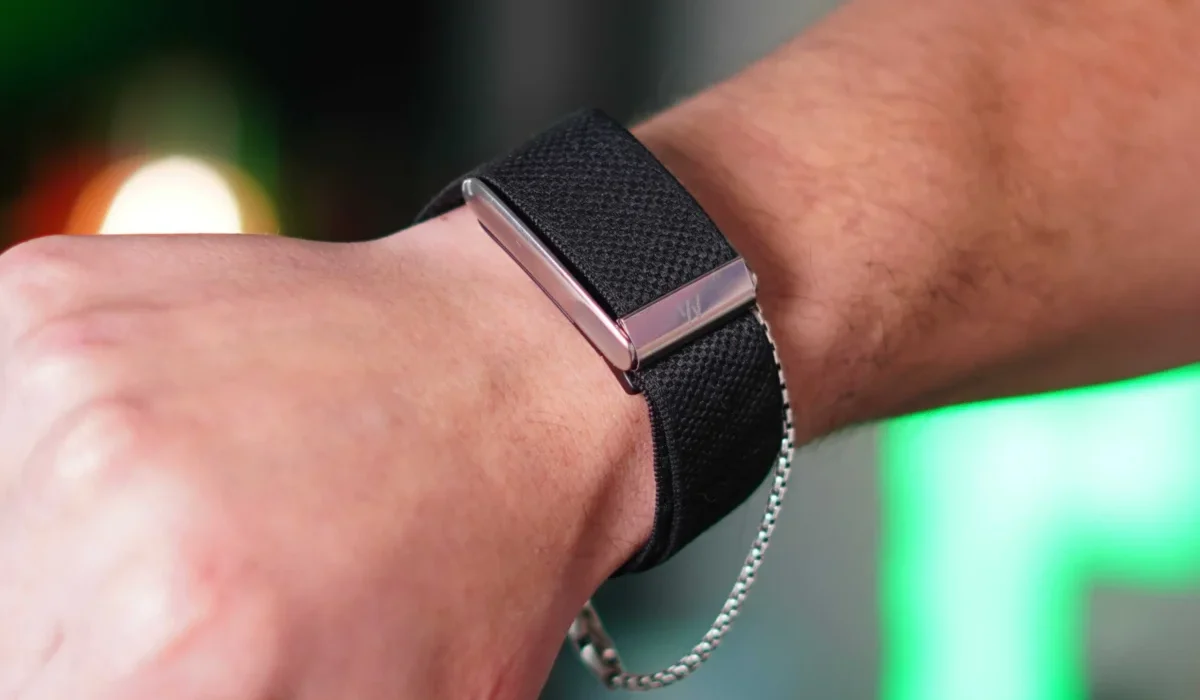
The current market leader in this category, WHOOP, has popularized the screenless form factor. By focusing entirely on data synthesis and recovery coaching rather than real-time interaction, WHOOP has carved out a niche among athletes and data-driven wellness enthusiasts. Apple’s potential entry into this space represents a strategic pivot, suggesting that the company recognizes a segment of users who want the ecosystem integration of Apple Health but desire a more subtle, long-lasting device that does not demand active user engagement.
Chronology of Development and Strategic Planning
While Apple has not issued an official press release confirming the project, reports from Bloomberg indicate that the initiative is in its early research and development phase. Internal projections suggest a possible market debut around 2028. This four-year development runway is consistent with Apple’s historical approach to entering new hardware categories, where the company typically spends years iterating on sensor miniaturization and power efficiency before a public unveiling.
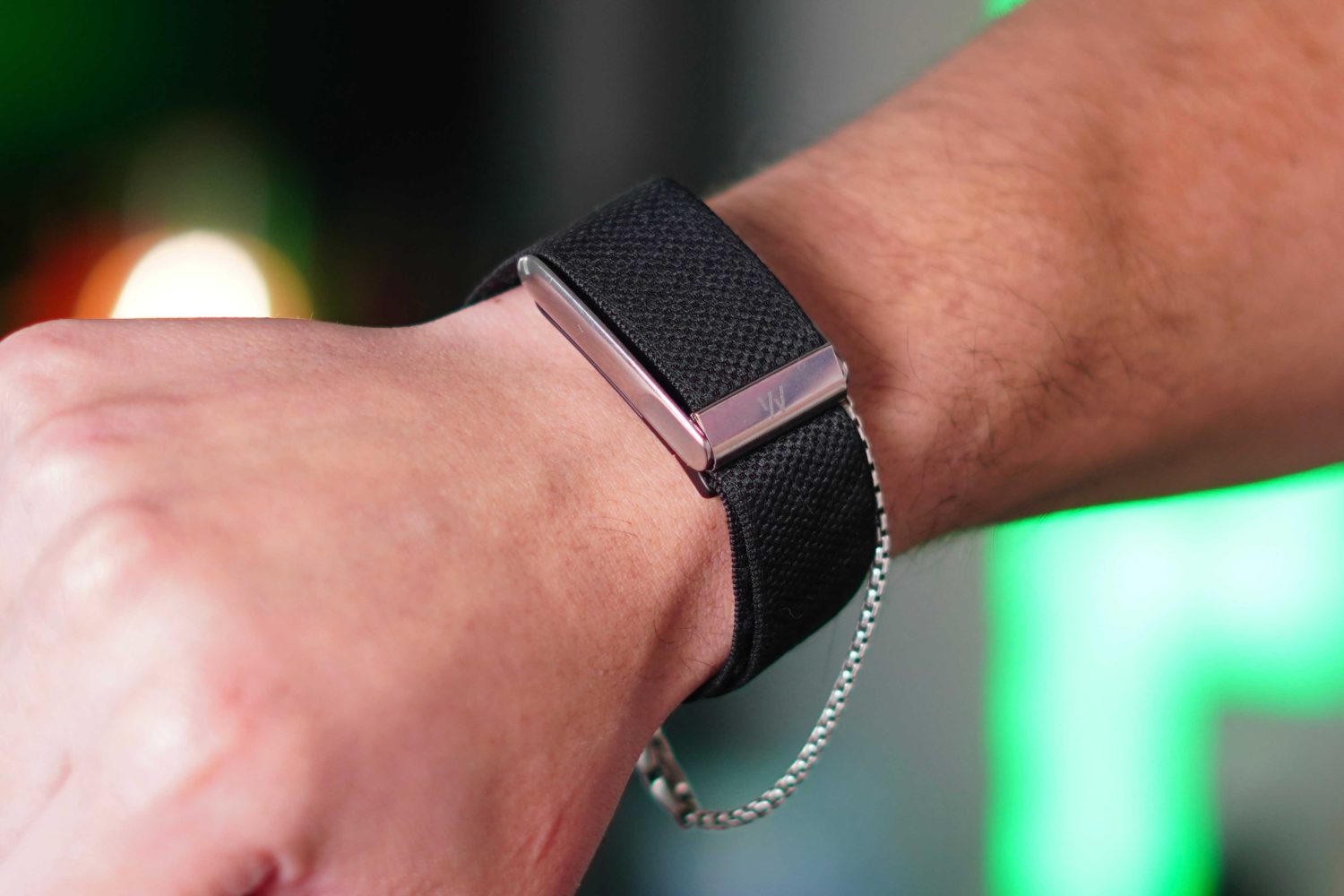
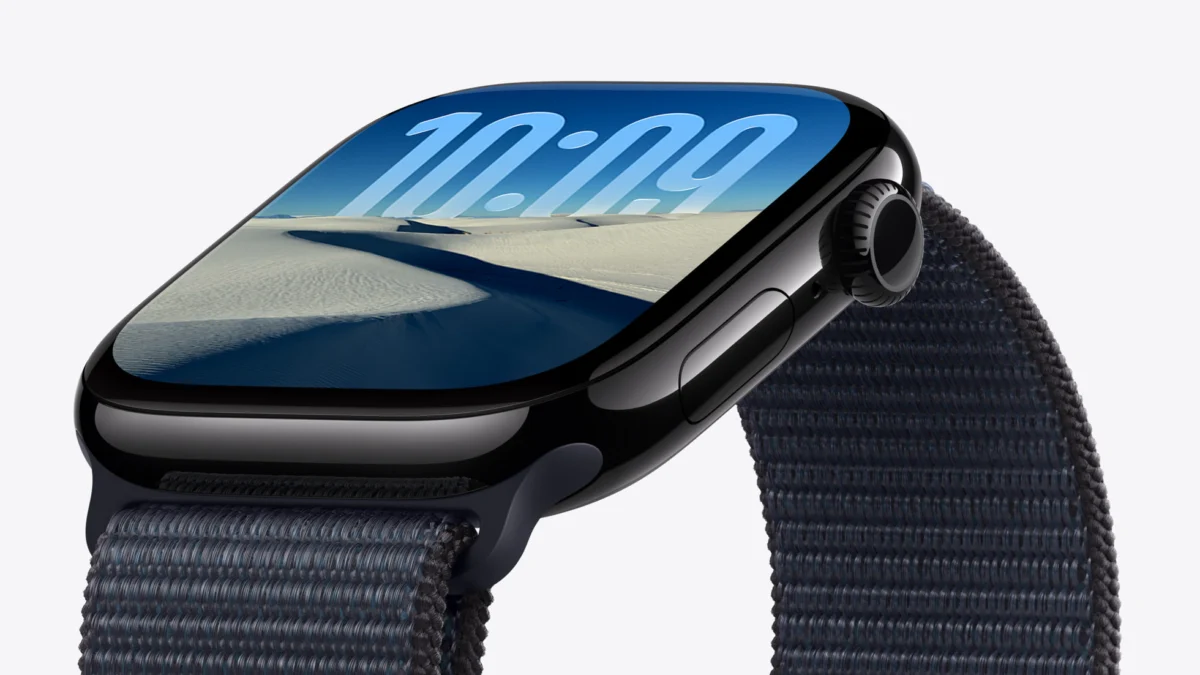
The project is currently conceptualized as a thin, fabric-based band housing a modular computing unit. This design language reflects a departure from the rigid, metal-and-glass construction of the Apple Watch. By utilizing fabric or woven materials, the device could offer improved comfort during sleep and high-intensity exercise, two areas where the current Apple Watch series occasionally faces criticism regarding bulkiness and battery longevity.
Technical Challenges and User Experience Requirements
The transition to a screenless device introduces significant challenges for the Apple ecosystem. Currently, the Apple Watch relies heavily on the watchOS interface to initiate and terminate specific exercise regimes. Without a screen, the device must achieve high-fidelity automatic activity detection.
Industry experts note that while existing sensors are capable of distinguishing between walking, running, and swimming, the "start/stop" friction remains a primary pain point for users of screenless trackers. For a device to successfully integrate into the Apple ecosystem, it would likely require:
- Enhanced Haptic Feedback: A tactile interface, such as a physical button or a capacitive surface, that provides physical confirmation of a status change.
- Indicator Logic: A subtle LED array or haptic pattern to confirm that a workout session has been successfully initiated, eliminating the need for a companion smartphone.
- Advanced Classification Models: Improved machine learning on the device itself to identify workout types without manual input, minimizing the post-workout administrative burden on the user.
Market Data and Competitive Analysis
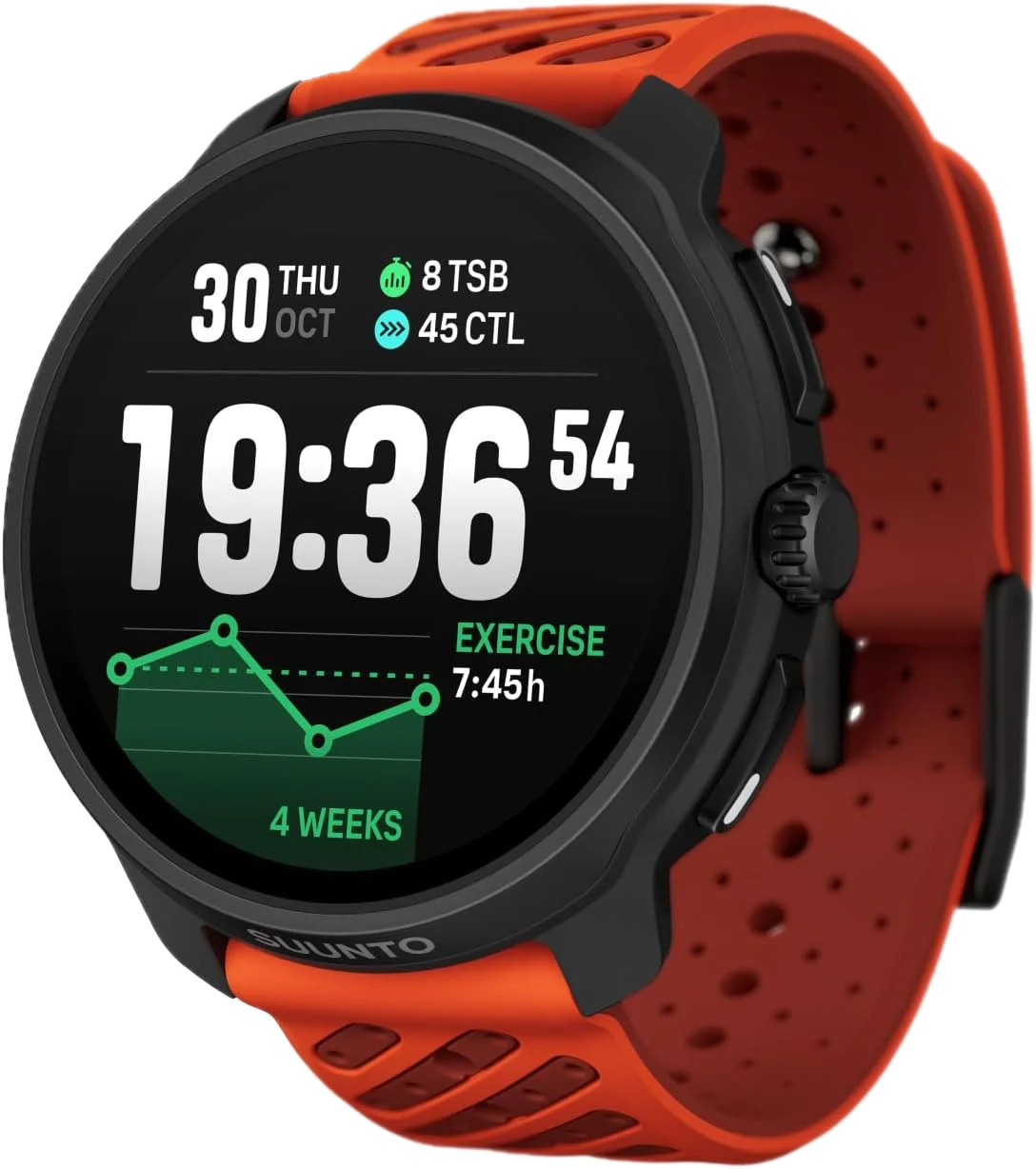
The fitness tracker market remains highly competitive. According to recent industry data, global wearable shipments continue to grow, with a significant uptick in the "basic wearable" segment—devices without complex operating systems. This growth is driven by consumer demand for battery life exceeding the typical 18-to-24-hour cycle of high-end smartwatches.
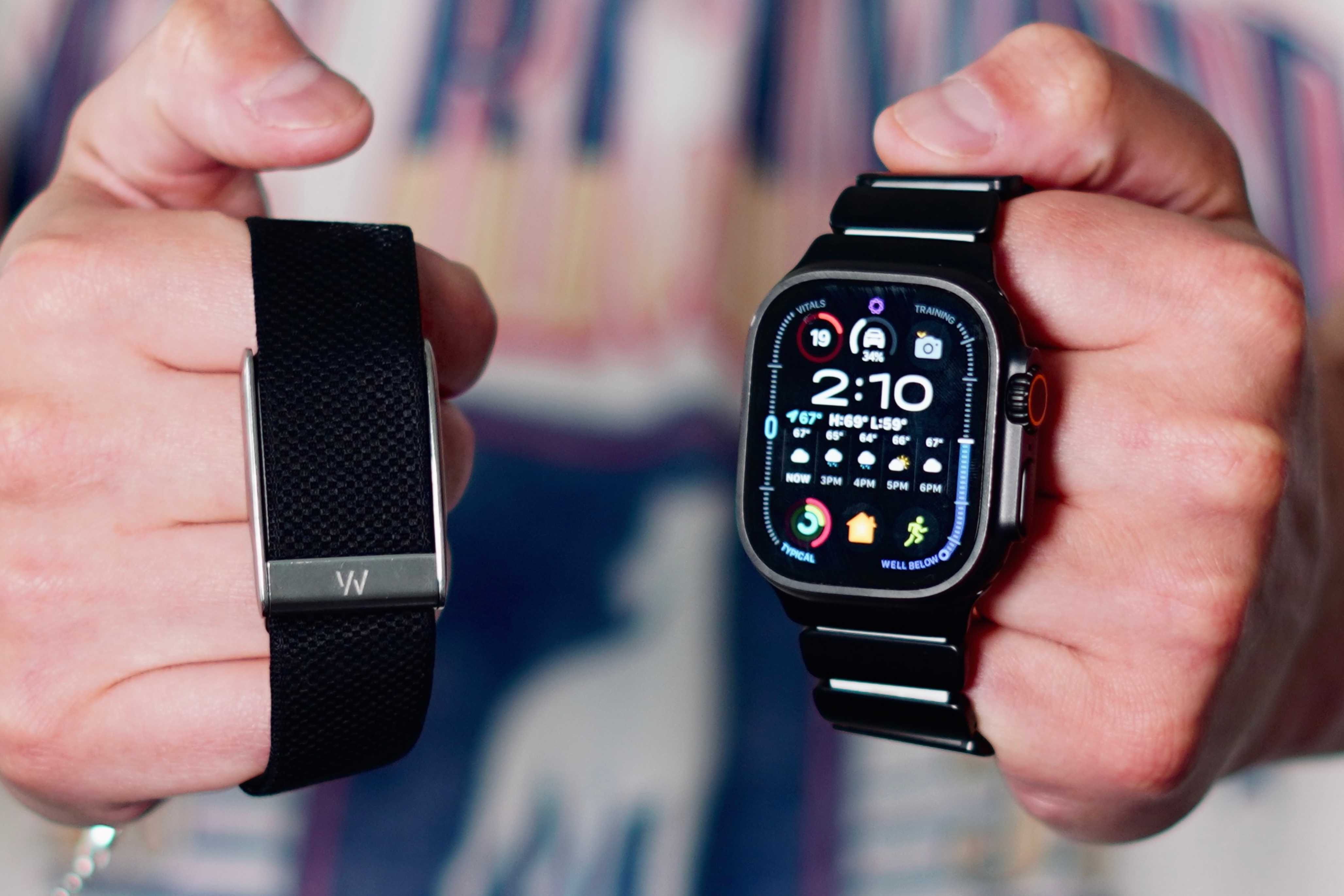
WHOOP and similar devices typically offer battery life ranging from five to seven days. For Apple to compete, it must solve the energy consumption trade-off. Integrating the sophisticated sensor suite found in the Apple Watch Series 10 or 11 into a smaller, battery-constrained module will require significant advancements in custom silicon architecture. The S-series chips currently used in smartwatches are optimized for power, but a screenless tracker would necessitate a new class of ultra-low-power processors capable of "always-on" biometric sampling without sacrificing data integrity.
Implications for the Apple Ecosystem
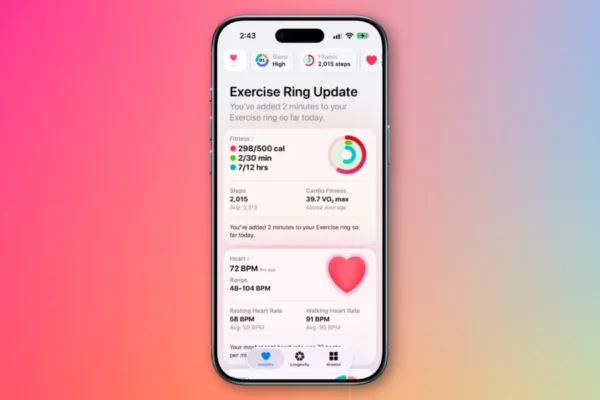
The introduction of a screenless tracker would have profound implications for Apple Health and the broader Fitness+ service. If this device can effectively sync with the existing Apple Health framework, it would allow users to maintain their "Rings" and health streaks without the need to wear a formal watch at all times.
Furthermore, this device could serve as a secondary data point. Many users currently wear a high-end watch during the day and a different, more comfortable tracker at night to capture sleep data. Apple’s entry could potentially capture this "nighttime segment," keeping users within the Apple ecosystem for the full 24-hour cycle.
Regulatory and Health Privacy Considerations
As with any health-monitoring device, Apple will face rigorous scrutiny regarding data privacy and regulatory clearance. Because the device is expected to track metrics that could be interpreted as medical data—such as irregular heart rhythm notifications—it will likely require FDA clearance (or equivalent international regulatory approval) to market specific health features.

Apple has established a reputation for "privacy-first" health data management, ensuring that data is encrypted on-device. A screenless tracker would likely follow this architecture, keeping the raw data processed locally and only syncing anonymized, high-level summaries to the user’s iCloud-backed health profile.
The Broader Impact on Consumer Behavior
The shift toward screenless tracking mirrors a broader cultural trend toward "digital minimalism." Many consumers are actively seeking ways to reduce their screen time and notification fatigue. A device that tracks health silently, operating in the background, aligns with this lifestyle movement.
If Apple succeeds in creating a device that is as comfortable as a wristband but as intelligent as an Apple Watch, it could redefine the "smart wearable" category. The product would not necessarily cannibalize Apple Watch sales; rather, it could act as a companion device, expanding Apple’s reach into demographics that previously rejected the "always-connected" nature of a smartwatch.
Future Outlook and Industry Speculation
The 2028 timeline suggests that Apple is not rushing to compete with the current generation of trackers, but is instead positioning itself to dominate a more refined version of this market. As the company continues to refine its sensor technology, the integration of non-invasive glucose monitoring or advanced hydration tracking could eventually find its way into such a device, making it a powerful tool for health management rather than just a fitness accessory.

Ultimately, the success of this project will hinge on whether Apple can balance its penchant for high-quality, complex interfaces with the simplicity required by a screenless device. If the company can maintain its standard for aesthetic design and data accuracy while removing the digital "noise," the screenless tracker could become a staple of the next decade of personal technology.
As analysts and tech enthusiasts await further leaks from the supply chain, the focus remains on whether Apple will maintain its premium pricing strategy or if the lack of a screen will necessitate a more aggressive, mid-tier price point to capture the fitness enthusiast market. Regardless of the pricing strategy, the move signals that Apple is no longer satisfied with being a smartwatch manufacturer; it is intent on becoming the primary infrastructure for personal health data, regardless of the form factor.