








The product’s initial release will be strictly confined to the United States and South Korea. This limited geographic rollout underscores a cautious "wait-and-see" approach from Samsung, as the company navigates the complexities of local regulatory environments, data privacy concerns, and the logistical challenges inherent in launching a novel AI-integrated wearable. While the tech giant has yet to issue an official press release confirming the revised date or the specific pricing tiers, industry observers suggest that the decision to prioritize these two markets is likely tied to the strong existing ecosystem of Galaxy users and the maturity of AI-support infrastructure in these regions.
The Evolution of the Samsung Intelligent Eyewear
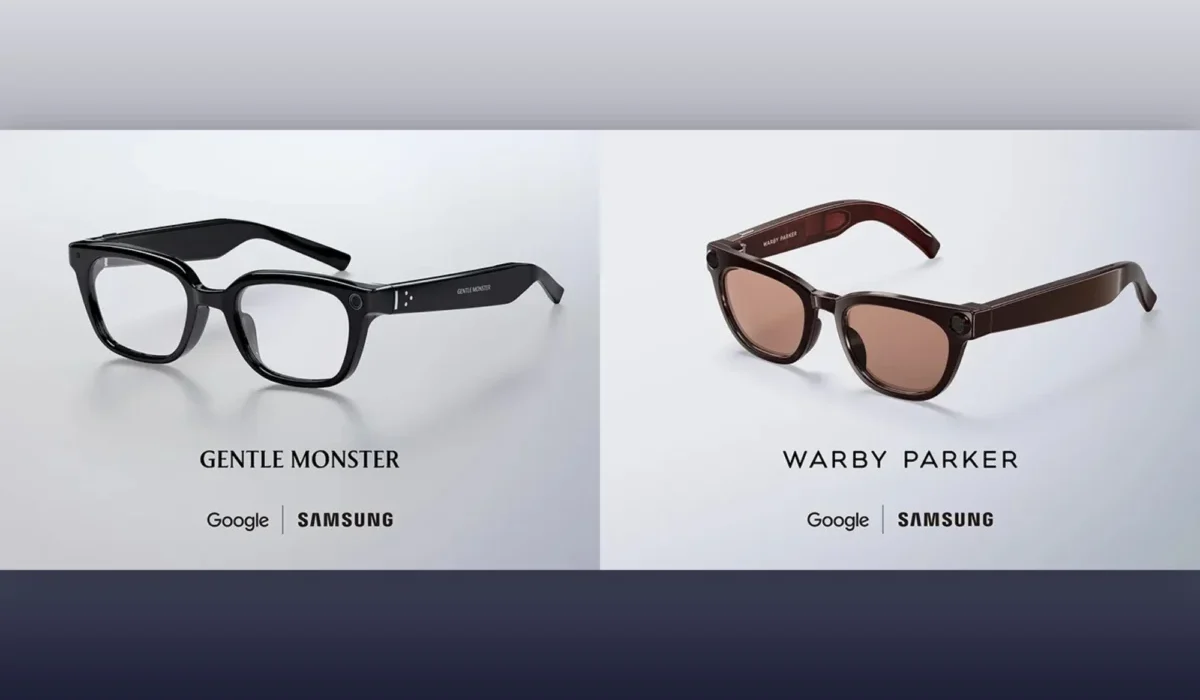
The trajectory of Samsung’s smart glasses has been marked by a deliberate, incremental reveal strategy. The project first entered the public consciousness during Google I/O in May, where the foundational vision for Android XR-integrated eyewear was presented to developers. This was followed by a more comprehensive showcase during the July Galaxy Unpacked event, where Samsung demonstrated the hardware’s capabilities in partnership with iconic fashion and eyewear brands, Gentle Monster and Warby Parker.

By collaborating with established eyewear designers, Samsung is attempting to sidestep the "clunky tech" aesthetic that has hampered the adoption of previous smart glasses in the consumer market. The four initial designs unveiled by the company emphasize a seamless blend of style and substance, signaling that the device is intended for daily wear rather than niche professional use.
Technical Foundations and Capabilities
At the core of the Intelligent Eyewear is a sophisticated integration of hardware and software. The device is built upon Google’s Android XR platform, which acts as the operating system layer, while Google’s Gemini AI serves as the cognitive engine. The glasses utilize an array of high-fidelity cameras and microphones to perform real-time environmental analysis.
The intended use cases are varied and practical. Users will be able to initiate real-time language translations—a critical feature for international travel—receive turn-by-turn navigation overlays, and interact with the Gemini assistant to resolve queries without ever needing to touch a smartphone. Furthermore, the device is designed to function as an extension of the productivity suite, allowing users to capture images of documents or record meeting notes, which are then autonomously organized and formatted within the Samsung Notes application on a paired Galaxy smartphone.

Hardware-wise, the device is powered by the Qualcomm Snapdragon AR1 Gen 1 processor. This chipset is specifically optimized for the unique power and thermal constraints of lightweight wearables. Samsung has officially stated that the device is capable of providing up to nine hours of battery life on a single charge, a benchmark that positions it competitively against current industry standards for non-display AR wearables.
The "No-Display" Strategy and Future Roadmaps
One of the most notable aspects of this first-generation launch is the absence of an integrated visual display. Unlike augmented reality headsets that project digital imagery directly onto the lenses, Samsung’s current model relies on audio-visual cues and external connectivity. This design choice represents a significant departure from the trend of "True AR" glasses.
Industry analysts suggest this is a calculated risk. By opting for a lighter, more comfortable frame that lacks a power-hungry display, Samsung is targeting a wider demographic of users who are looking for an AI-assisted assistant rather than a dedicated virtual reality or gaming device. Reports indicate that a second-generation version, which will incorporate a heads-up display, is already in development for a future release. This tiered strategy allows Samsung to establish a foothold in the market while refining the complex optics and miniaturization required for fully integrated AR overlays.

Strategic Market Limitations
The decision to restrict the launch to the United States and South Korea is significant. Major markets in Europe, Japan, and China are notably absent from the initial rollout. This strategy is likely driven by several factors, including the need to synchronize Gemini’s regional AI capabilities with local laws and the desire to limit potential supply chain bottlenecks.
Furthermore, the privacy landscape regarding camera-equipped wearables is increasingly contentious. As seen with the recent scrutiny faced by Meta over its own smart glasses—which led to inquiries from U.S. senators regarding the potential for non-consensual surveillance—Samsung is undoubtedly aware that a global launch would invite a fragmented and potentially hostile regulatory reception. By limiting the launch, the company can monitor user feedback and address security vulnerabilities in a controlled environment before expanding into more heavily regulated jurisdictions.
The Broader Context of Wearable AI
The wearable technology sector is currently in a state of rapid transformation. The shift away from pure fitness tracking toward AI-centric, context-aware assistants is being driven by advances in Large Language Models (LLMs) and edge computing. Samsung’s entry into this space puts it in direct competition with players like Meta, as well as emerging startups like The Subvocal Company, which is exploring non-invasive methods of communication such as subvocalization.

The competition is not just about hardware specifications; it is about the "AI interface." The company that creates the most fluid, unobtrusive way to access AI capabilities will likely dominate the next decade of personal computing. For Samsung, the stakes are exceptionally high. If the Intelligent Eyewear fails to deliver on its promise of convenience, or if it runs into the same privacy-related headwinds as its competitors, the company risks alienating its core user base.
Implications and Future Outlook
As December approaches, the tech world will be watching closely to see how the market reacts to the omission of a built-in display and the efficacy of the Gemini integration. The success of these glasses will be measured by two primary metrics: the actual utility of the AI-driven workflow in real-world scenarios and the social acceptance of camera-integrated wearables in public spaces.
The lack of an official price point remains a major variable. A premium price tag may limit the device to early adopters, whereas a competitive, mid-range entry could force a market-wide pivot toward AI-integrated eyewear. Regardless of the initial sales figures, Samsung’s move represents a clear signal that the era of the "smart accessory" has officially arrived. The company is betting that the future of the smartphone is not necessarily a device in the pocket, but a digital layer integrated into the very frames through which we see the world.

For now, international consumers will have to wait for official confirmation regarding a global expansion. Until then, the December launch in the U.S. and South Korea serves as the primary test case for the next chapter in Samsung’s hardware evolution. The company’s ability to manage consumer expectations, prioritize privacy, and deliver a seamless AI experience will ultimately determine whether these glasses become a standard tool of modern life or remain a niche gadget for the tech-curious.