







The rapid evolution of wearable technology has transformed these devices from simple step counters into sophisticated health-monitoring platforms. Modern smartwatches and fitness trackers now possess the hardware necessary to monitor electrocardiograms, detect sleep apnea, and track oxygen saturation. However, a recent breakthrough highlighted by the American Heart Association (AHA) suggests that the integration of these wearables with artificial intelligence (AI) models could represent a paradigm shift in cardiovascular medicine. According to new research, data collected from consumer-grade wearables can now be utilized to predict a hypertensive crisis—a life-threatening spike in blood pressure—up to three days before it occurs.
This discovery emerges from a comprehensive 12-month study involving more than 4,000 participants diagnosed with stage 2 hypertension. By analyzing the intersection of heart rate variability (HRV), blood pressure patterns, and AI-driven data processing, researchers have identified a predictive window that could significantly reduce the incidence of emergency room visits and prevent acute organ damage.
The Clinical Significance of Hypertensive Crises
A hypertensive crisis is defined as a severe increase in blood pressure that can lead to acute organ damage. This medical emergency is characterized by readings exceeding 180/120 mmHg. When blood pressure reaches these extreme levels, the body becomes susceptible to catastrophic health events, including hemorrhagic strokes, myocardial infarctions (heart attacks), pulmonary edema (fluid in the lungs), and acute kidney failure.
Historically, managing these crises has been reactive rather than proactive. Patients often do not experience distinct symptoms until the damage has already begun to manifest, leading to a reliance on emergency department intervention. The ability to forecast such events with a 72-hour lead time provides a critical window for medical professionals to adjust medication, implement dietary interventions, or advise lifestyle changes, effectively mitigating the risk before the patient reaches a critical state.
Methodology and Chronology of the Research
The 12-month study utilized a multi-modal approach to data collection. Participants were equipped with two primary devices: a portable, cuff-style blood pressure monitor and a consumer-grade fitness wearable. The cuff-style device was utilized to gather precise, clinical-grade blood pressure readings throughout the day and night, including during periods of physical activity and sleep.
Simultaneously, the wrist-based wearables captured continuous streams of heart rate and heart rate variability data. HRV, which measures the variation in time between each heartbeat, has become a standard metric in modern smartwatches. It serves as a physiological marker for the autonomic nervous system’s balance, reflecting how well the body manages stress and physical exertion.

By feeding these disparate data streams into an AI model, researchers were able to establish a baseline for each individual and identify specific deviations that correlate with impending hypertensive spikes. The chronological analysis of the participants revealed that those whose blood pressure failed to drop—or "dip"—during sleep were five times more likely to experience a hypertensive crisis compared to those with healthy nocturnal blood pressure patterns.
Impact of Early Intervention
The study’s outcomes underscore the power of predictive analytics in clinical settings. Among the 4,000 participants, 312 experienced documented hypertensive crises. The statistical findings were significant: 97.4% of patients who did not receive an AI-generated alert remained crisis-free throughout the study period. Conversely, among those who received a positive alert and subsequently sought medical guidance or medication adjustment within 24 hours, the incidence of hypertensive crises was reduced by 61%. Furthermore, the frequency of emergency hospital admissions among this group decreased by 45%.
These metrics suggest that the AI-powered sensing system acts as a force multiplier for primary care physicians, allowing them to triage high-risk patients more effectively and prioritize interventions for those whose biometric data suggests an imminent health event.
The Current Landscape of Wearable Sensing
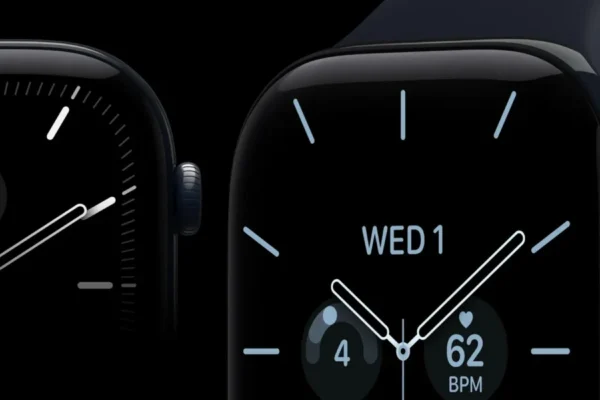
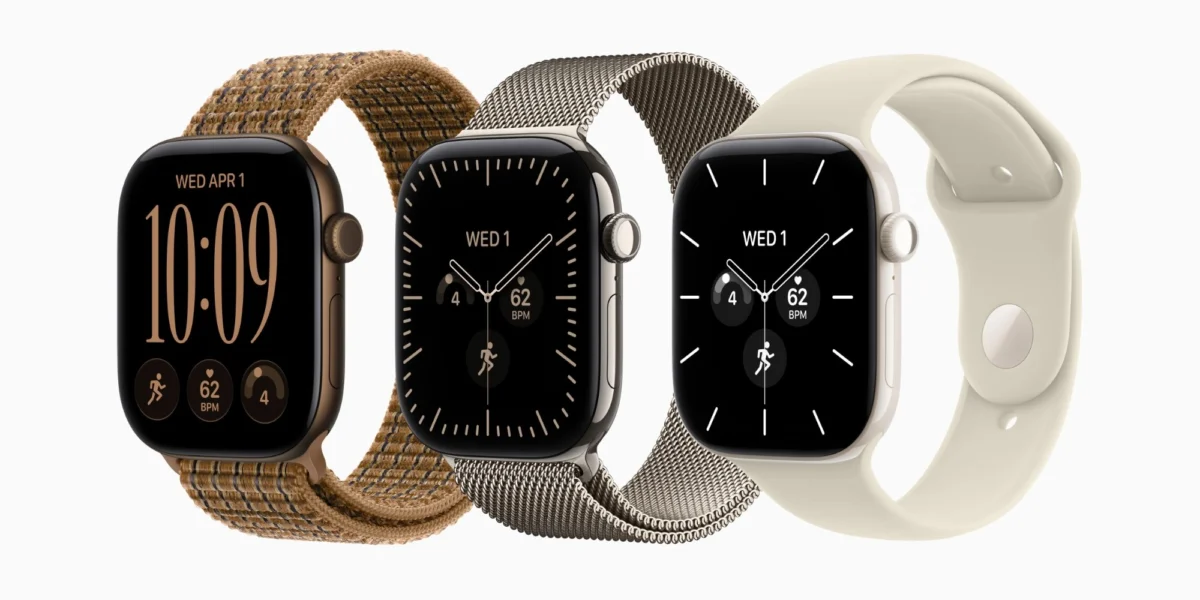
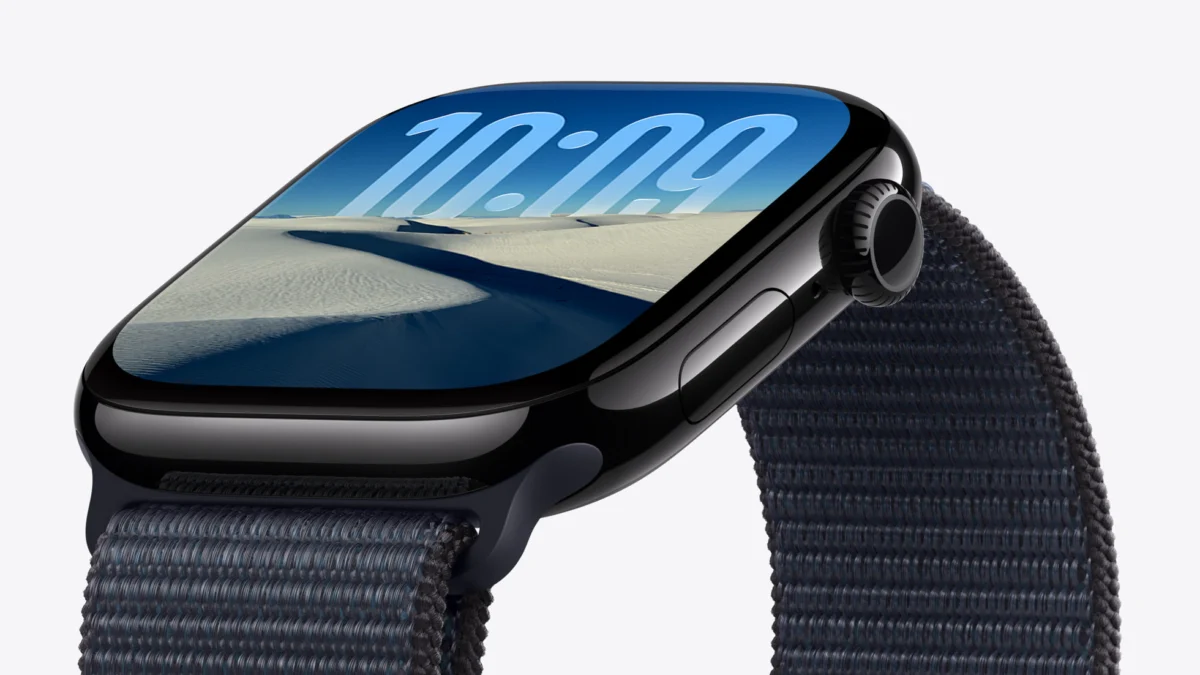
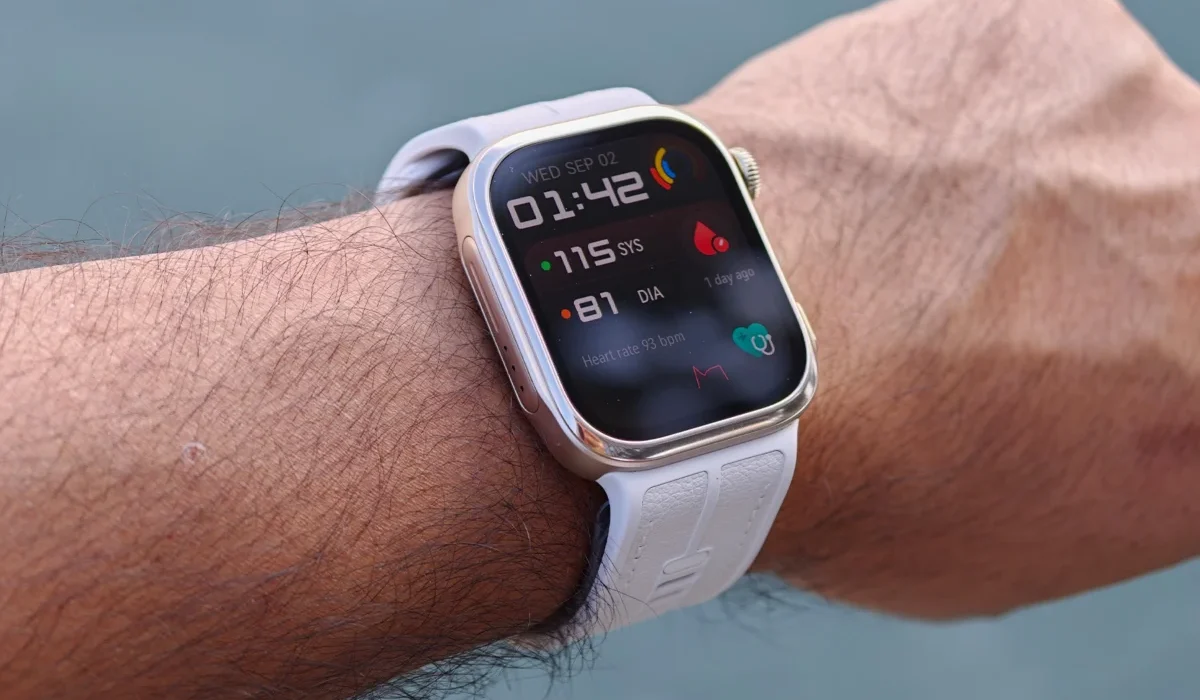
The technological infrastructure supporting this research is not entirely experimental. Wearable manufacturers have been aggressively integrating more robust sensors into their devices. For instance, the Apple Watch Series 12 and the Samsung Galaxy Watch 9 have introduced features that track blood pressure fluctuations, though they do not currently provide the precise systolic and diastolic values required for clinical diagnosis.
The Huawei Watch D3 represents a significant technical outlier in the consumer market, utilizing a miniature pump system that inflates a cuff to obtain actual pressure readings, bridging the gap between consumer comfort and medical-grade accuracy. Despite these advancements, the consensus among medical professionals remains clear: wearables are currently best utilized as tools for trend analysis rather than diagnostic replacements.
Challenges and Limitations
While the potential for life-saving intervention is high, the integration of wearables into standard clinical practice faces several hurdles. First is the issue of data standardization. Different manufacturers utilize varying algorithms to calculate HRV and blood pressure trends, which can complicate the ability to create a universal AI model for clinical prediction.
Second, there is the risk of "alarm fatigue." If AI models are calibrated too sensitively, patients may receive frequent, inaccurate alerts, leading to unnecessary medical visits and increased anxiety. Conversely, a lack of sensitivity could result in missed warnings. The AHA study suggests that the accuracy of these models is highly dependent on the quality of data collected during sleep, highlighting the need for continuous, 24-hour monitoring rather than sporadic spot-checks.

Finally, the issue of data privacy and medical-legal liability remains at the forefront. As tech companies move deeper into the healthcare space, the question of who owns the health data and how it is protected against unauthorized access remains a subject of ongoing debate in policy circles.
Broader Implications for Cardiovascular Health
The implications of this research extend far beyond the individual user. If integrated into healthcare systems, such AI-driven platforms could lead to a fundamental restructuring of how chronic hypertension is managed. Instead of periodic clinic visits every six months, a "continuous care" model could be established, where physicians receive automated alerts when a patient’s biometric trends move into a high-risk zone.
This could lead to a massive reduction in the long-term healthcare costs associated with chronic disease. Cardiovascular disease remains the leading cause of death globally, and the ability to prevent just a fraction of these crises could save health systems billions of dollars annually. Furthermore, it empowers patients to take a more active role in their own care, providing them with tangible data that encourages adherence to medication and healthy lifestyle behaviors.
Future Perspectives
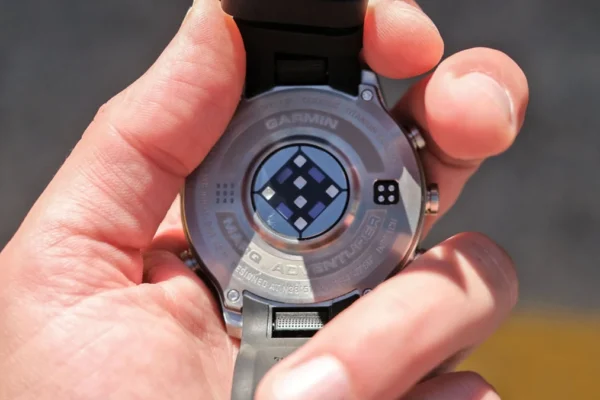
Looking forward, the integration of AI and wearables is expected to move toward more non-invasive monitoring techniques. Researchers are currently exploring methods to track blood pressure via optical sensors—similar to those used for heart rate—which would eliminate the need for cumbersome cuffs or micropumps. If these technologies mature, the "early warning system" identified in the AHA study could become a standard feature on every entry-level smartwatch.
However, healthcare experts emphasize that technology is not a panacea. The data provided by a watch is only as useful as the action taken by the user. A wearable can detect an impending crisis, but it cannot administer medication or perform a surgical intervention. Therefore, the future of cardiovascular health relies on a collaborative model: high-fidelity sensors generating actionable data, AI models interpreting that data with clinical precision, and a healthcare system capable of responding to those insights in real-time.
As the industry stands, we are at the precipice of a new era in preventative cardiology. The research conducted by the American Heart Association serves as a blueprint for how consumer technology, when vetted by rigorous scientific study, can transition from a lifestyle accessory into a fundamental component of the modern medical toolkit. While we must remain cautious about the limitations of current hardware, the trajectory is clear: the data on our wrists is becoming a vital lifeline for our hearts.