








The integration of artificial intelligence into industrial hardware has shifted from cloud-centric processing toward the edge, a transition characterized by the rise of Tiny Machine Learning (TinyML). This week, Honeywell’s Vice President of AI/ML Product and Services, Muthu Sabarethinam, joined a discussion on the evolving landscape of sensor-based intelligence, highlighting how major industrial conglomerates are pivoting to deploy localized algorithms to improve security, power efficiency, and latency across massive sensor networks.
The Shift Toward Edge Intelligence
Honeywell currently maintains a footprint of over one million sensors in the field, a scale that presents significant logistical challenges for data processing. Traditionally, industrial IoT (IIoT) architectures relied on transmitting raw data to central servers or cloud platforms for analysis. However, this model introduces latency and bandwidth constraints that are often untenable in mission-critical environments.
TinyML represents a paradigm shift by enabling machine learning models to run directly on microcontrollers and low-power hardware. By processing data at the sensor level, Honeywell aims to minimize the energy expenditure required for data transmission while simultaneously bolstering cybersecurity. Because the data remains localized, the surface area for potential interception during transmission is significantly reduced. Sabarethinam emphasized that for global industrial leaders, the future of AI lies in the ability to package these algorithms into modular, deployable formats that can be scaled across thousands of disparate sites without requiring a complete overhaul of existing infrastructure.
The Matter Interoperability Challenge
While industrial IoT advances, the consumer smart home sector faces a different set of hurdles. The Matter standard, designed to unify smart home device communication across platforms like Apple, Google, and Amazon, has encountered significant adoption friction. Industry analysis has highlighted critical issues regarding Thread credentialing—a networking protocol essential for Matter’s operation—and inconsistent device support among vendors.
The primary conflict currently resides not within the technical specifications of the Matter standard itself, but in the implementation strategies adopted by individual hardware manufacturers. When device vendors fail to adhere to universal interoperability protocols, the result is a fragmented user experience that undermines the promise of a seamless "connected home." This tension has prompted calls for more rigorous certification processes and greater transparency from hardware developers regarding their software compatibility.
Cybersecurity and Critical Infrastructure
The vulnerability of industrial sensors has been brought into sharp focus by recent reports of anomalous activity in sensitive environments. Cybersecurity expert Kim Zetter recently documented mysterious radiation spikes recorded by sensors in the Chernobyl Exclusion Zone. These incidents have fueled debates regarding the security of remote sensing equipment. When sensors are connected to networks, they become potential vectors for cyberattacks. The ability of hackers to manipulate data from radiation sensors or other critical monitoring equipment presents a severe threat to public safety, reinforcing the necessity of edge-based security measures where data validation occurs locally rather than relying on potentially compromised remote servers.
Semiconductor Industry Realignments
The hardware underpinning these IoT advancements is undergoing a major structural shift, driven by the emergence of the RISC-V open-source instruction set architecture. A new company, backed by a consortium of industry titans including Qualcomm, NXP Semiconductors, and Infineon, has been formed to accelerate the commercial adoption of RISC-V. This move is widely viewed as a strategic hedge against the licensing costs and geopolitical vulnerabilities associated with proprietary architectures like ARM.
Simultaneously, consolidation continues to reshape the IoT market. Renesas Electronics recently moved to acquire Sequans Communications, a specialist in cellular IoT modules. This acquisition underscores the growing demand for specialized connectivity solutions that can support the next generation of 5G-enabled, power-efficient IoT devices. By integrating cellular capabilities directly into its semiconductor portfolio, Renesas is positioning itself to capture a larger share of the industrial and automotive IoT market.

Innovation in Autonomous Logistics
Beyond stationary sensors, the landscape of autonomous technology is evolving with the emergence of on-demand drone networks. Startups such as Birdstop are currently securing funding to expand networks of Beyond Visual Line of Sight (BVLOS) drones. These networks function similarly to satellite constellations, providing persistent, localized aerial surveillance and data collection for critical infrastructure monitoring.
While the technology offers significant efficiency gains for utility inspections and security patrolling, it also raises complex regulatory and privacy questions. The integration of these networks into the national airspace requires high-precision navigation and robust collision-avoidance systems, both of which are heavily dependent on the same edge-processing technologies that Honeywell and others are currently refining.
The Move Toward Home Automation Standards
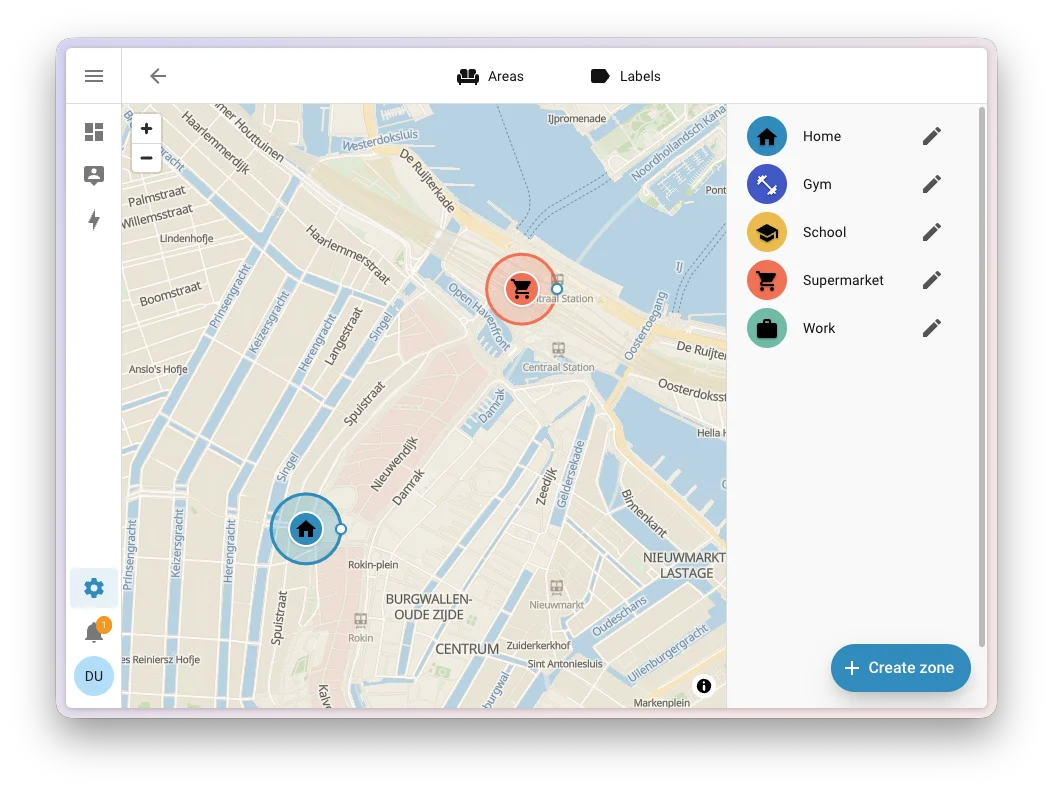
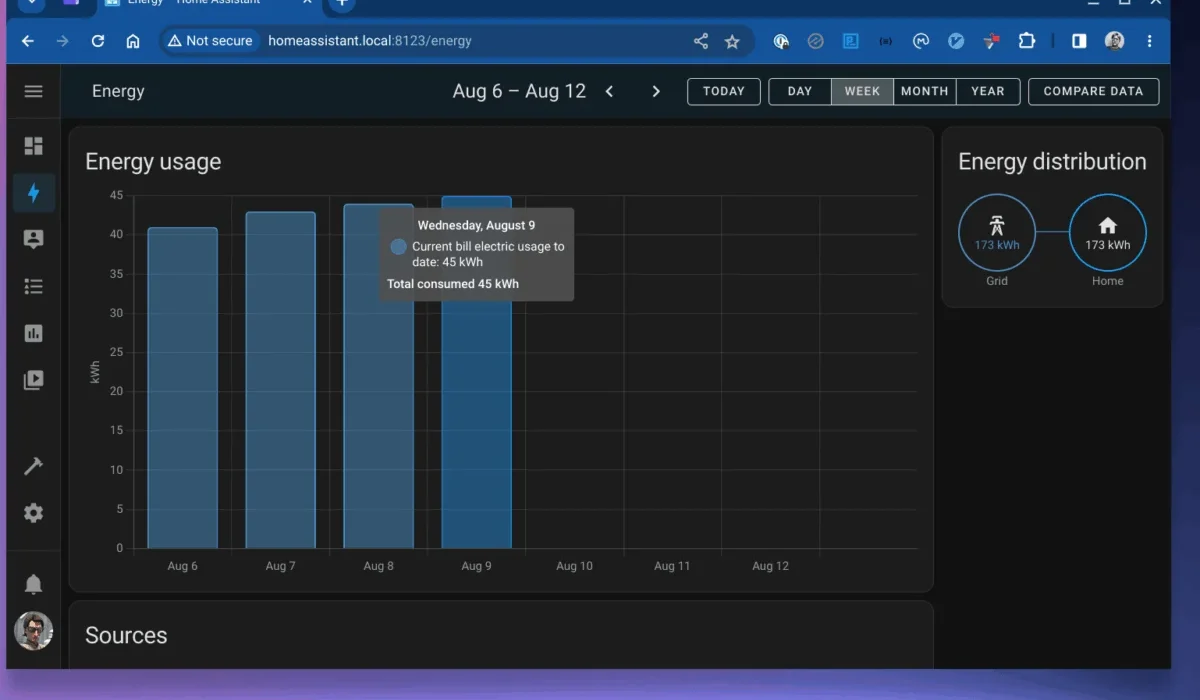
Consumer-grade home automation is also undergoing a maturation phase. The transition of enthusiast users toward platforms like Home Assistant reflects a growing demand for local control and data privacy. Unlike proprietary ecosystems that require cloud connectivity to function, Home Assistant offers a self-hosted alternative that appeals to users who prioritize data sovereignty and system reliability.
For those preparing their homes for smart energy management programs—often incentivized by utility companies to reduce grid strain during peak hours—the key is the establishment of a robust local network. Experts recommend ensuring that smart thermostats, energy monitors, and battery storage systems are compatible with open protocols before enrolling in demand-response initiatives.
Analyzing the Implications of Edge AI
The common thread linking these developments is the transition from a "cloud-first" mentality to an "edge-first" reality. Whether it is a radiation sensor in a remote facility, an industrial motor in a factory, or a smart plug in a residential home, the ability to perform real-time analysis locally is becoming a competitive necessity.
The implications for this shift are threefold:
- Security: By reducing the reliance on cloud-based processing, companies can implement "zero-trust" architectures at the device level, mitigating the risks associated with data breaches and man-in-the-middle attacks.
- Economic Efficiency: Processing data at the source significantly lowers the cost of data transmission and cloud storage, allowing for the deployment of sensors in environments where connectivity is expensive or unreliable.
- Operational Resilience: Localized processing ensures that mission-critical systems remain functional even in the event of a network outage.
Future Outlook
As the semiconductor industry shifts toward open architectures like RISC-V and companies like Honeywell refine their TinyML deployment strategies, the barrier to entry for intelligent industrial systems will continue to lower. However, the path forward is not without risks. The ongoing challenges with Matter interoperability demonstrate that technological standards are only as effective as the vendors who implement them. Furthermore, as the density of connected devices increases, the industry must prioritize the development of standardized security protocols to prevent the weaponization of sensor networks.
Looking ahead, the next 24 months will likely see a surge in the integration of AI models into everyday hardware. As these systems become more autonomous, the role of human oversight will shift from managing data streams to overseeing the policies and parameters that govern these intelligent agents. For businesses, the focus will be on creating sustainable business models that provide value to customers while maintaining the integrity and privacy of the underlying data. The convergence of these technologies suggests that the "smart" revolution is entering its second phase—one defined not by connectivity, but by the intelligence of the devices themselves.