







Bridging the Security Gap: A New Focus on Perimeter Defense
For years, the smart home security market has been saturated with internal motion detectors, window contact sensors, and high-definition indoor cameras. However, security professionals have long noted that the most common entry points for unauthorized access—side gates, detached sheds, and garage doors—are frequently left without any electronic monitoring. Abode’s expansion into ruggedized, exterior-specific hardware represents an attempt to standardize security across the entire property footprint.
The new Garage Tilt Sensor is designed specifically for up-and-over or tilt-style garage doors, which are notoriously difficult to monitor with traditional contact sensors. By detecting a physical orientation change of more than 45 degrees, the device provides a reliable status update on whether a garage door is open or closed. Simultaneously, the IP66-rated Outdoor Contact Sensor is engineered to withstand the elements, featuring a reinforced magnetic mechanism that is resistant to the false-triggering common in outdoor environments.
Strategic Timeline and Market Context
The release follows a steady trend of consolidation in the smart home space. As Apple Home, Amazon Alexa, and Google Assistant continue to dominate the consumer landscape, manufacturers are increasingly forced to prioritize interoperability. Abode has positioned itself as a bridge between professional-grade monitoring and DIY accessibility.
The chronology of Abode’s product development reveals a consistent focus on the "CUE" automation engine. Since its inception, the platform has sought to move beyond simple notification-based security toward proactive automation. By integrating these new sensors into the existing CUE framework, users can now trigger complex automations: for example, turning on exterior floodlights when a backyard gate is opened, or creating a "closing routine" that automatically shuts the garage door if it remains open after 10:00 PM.
Technical Specifications and Performance Metrics
The hardware specifications released by Abode highlight a focus on longevity and reliability. The Garage Tilt Sensor boasts an impressive 10-year battery life, a significant milestone for a wireless device that minimizes the maintenance burden on the homeowner. This longevity is achieved through high-efficiency internal circuitry and a low-power communication protocol.
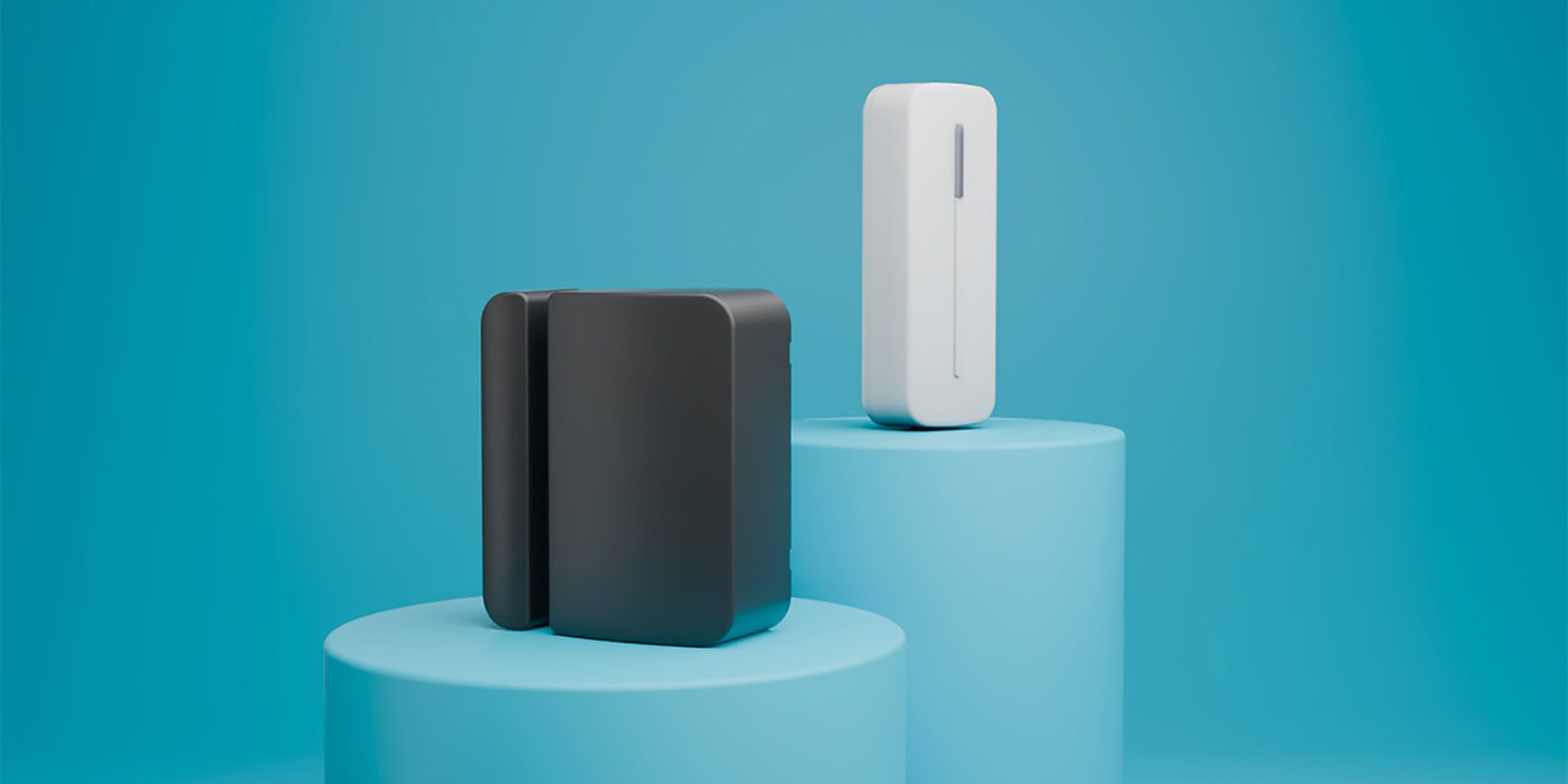
The Outdoor Contact Sensor’s IP66 rating is particularly noteworthy. In the context of exterior security hardware, an Ingress Protection (IP) rating of 66 confirms that the device is completely dust-tight and capable of withstanding heavy rainfall and high-pressure water jets. This makes it suitable for deployment in climates ranging from the humid coastal regions to the snow-heavy northern states.
Connectivity remains a primary concern for outdoor sensors, which often struggle to maintain a signal through exterior walls. Abode claims an effective range of up to 500 feet under optimal conditions. To mitigate potential connectivity issues, the company has integrated a testing mode that allows users to verify signal strength at the intended mounting location before applying adhesive or screws, reducing the risk of "dead zones" that often render outdoor security systems ineffective.
Official Statements and Industry Perspective
Chris Carney, CEO and Founder of Abode, emphasized the philosophy behind the new product line during the launch announcement. "Break-ins usually don’t start at the front door," Carney stated. "Unlocked side gates or garages present vulnerable access points often left unmonitored by homeowners. We built these sensors because the perimeter of a home deserves the same protection as the inside of it."
Industry analysts observe that this move aligns with broader shifts in the security sector. With homeowners increasingly viewing the "smart home" as a holistic system rather than a collection of disparate devices, the demand for ecosystem-wide, unified management is at an all-time high. By ensuring that both new sensors are compatible with Apple Home, Alexa, and Google Assistant, Abode is catering to the "walled garden" consumer who refuses to invest in hardware that does not integrate seamlessly with their preferred central controller.
Implications for Home Security and Privacy
The implications of these devices extend beyond simple deterrence. In an era where package theft and property encroachment are increasing, the ability to monitor external entry points provides a vital layer of evidence and situational awareness. However, the introduction of more sensors inevitably raises questions regarding data privacy and the management of home activity logs.
Abode has historically utilized encrypted communication channels for its sensor data. As these devices are added to the exterior of the home, the volume of data generated regarding the occupants’ comings and goings will increase. The reliance on the CUE automation engine means that users have the power to define exactly how this data is utilized, keeping the decision-making process local to the home rather than relying solely on cloud-based processing.

Economic and Market Analysis
Priced at $34.99 for the Garage Tilt Sensor and $49.99 for the Outdoor Contact Sensor, these products are positioned in the mid-range of the DIY security market. This pricing strategy reflects a balance between mass-market affordability and the premium cost of producing weather-resistant, durable hardware.
The security market is currently experiencing a transition from "reactive" systems—which only notify users once a breach has occurred—to "preventative" systems. By providing alerts for gates left ajar or garages that fail to close, Abode is helping users mitigate risks before they manifest as security incidents. This "preventative" value proposition is expected to drive adoption among suburban homeowners, a demographic that is increasingly looking for set-and-forget security solutions.
Looking Toward the Future of the Smart Perimeter
As the Internet of Things (IoT) matures, the standard for what constitutes a "secure" home is evolving. The perimeter of the home is the first line of defense, and for years, it has been the weakest link in the smart home chain. The introduction of these sensors suggests that we are moving toward a future where every point of entry—from the mailbox to the backyard shed—is connected to a unified, intelligent security network.
The success of these sensors will ultimately depend on their real-world performance, particularly in terms of battery reliability and signal stability over time. However, by providing robust, easy-to-install, and highly compatible hardware, Abode is clearly aiming to capture a larger share of the residential security market.
For the average consumer, the choice to invest in these sensors is a trade-off between the initial cost and the long-term peace of mind associated with a fully secured property. As urban and suburban density increases, the demand for sophisticated, perimeter-focused security tools will likely continue to grow, pushing companies like Abode to innovate further in the space of environmental sensors and automated defense.
The launch serves as a reminder that as we digitize our living spaces, the physical boundaries of our homes remain as important as the digital ones. With the release of the Garage Tilt Sensor and the Outdoor Contact Sensor, Abode has taken a significant step toward ensuring that the digital umbrella of the smart home finally covers the entire property, rather than just the interior rooms. As these devices enter the market, they will likely become a benchmark for what consumers expect from comprehensive, DIY-friendly, and interoperable home security systems moving forward.