









Electric vehicle batteries operate under significantly more demanding conditions than the power cells found in consumer electronics like smartphones or laptops. While a phone battery resides in a climate-controlled environment and faces minimal physical stress, an EV battery is subjected to the harsh realities of the automotive environment: constant exposure to extreme temperature fluctuations, the persistent vibration of road travel, the impact of road debris, and the jarring forces of potholes. Consequently, for modern automotive manufacturers, engineering for durability has become as vital as optimizing energy density or charging speed. To address these challenges, Ford has established a dedicated task force focused exclusively on battery abuse, design, and testing, aiming to decode the failure mechanisms of lithium-ion technology.
Wesley Thibault, the global chief engineer of battery product development at Ford, emphasized the scope of this operation during a recent media roundtable at the automaker’s newly commissioned BlueOval Battery Park in Marshall, Michigan. According to Thibault, this specialized team is entirely committed to the study of battery abuse, design, and functional testing. By shifting the focus from post-production destruction to early-stage design integration, the company aims to engineer safety and longevity directly into the chemistry and architecture of its cells.
The Shift to LFP Technology and the Fathom Pickup
Ford’s foray into the battery manufacturing sector represents a significant pivot in its corporate strategy. The BlueOval Battery Park facility has officially commenced the production of lithium iron phosphate (LFP) battery packs. This initiative utilizes technology licensed from CATL, the China-based global leader in battery manufacturing. These LFP packs are slated to power the upcoming Ford Fathom pickup, a high-stakes vehicle scheduled to enter production toward the end of next year. The Fathom is widely considered a cornerstone of Ford’s broader electrification strategy, intended to usher in a new generation of EVs that offer improved performance, better range, and, crucially, higher profit margins than the company’s current offerings.
Despite the licensing agreement with CATL, Ford officials maintain that the development process for these batteries was a collaborative effort from the inception. The automaker has prioritized durability and safety, ensuring that the specific needs of American driving conditions—such as the heavy-duty use cases associated with pickup trucks—are embedded in the cell design.
Engineering for Failure and Safety Protocols
The engineering philosophy at Ford’s new facility departs from the traditional model of building a product and testing it to destruction. Instead, the "battery abuse team" is involved in the earliest stages of the product development cycle. The objective is to understand, at a granular, physics-based level, exactly how and why a cell might fail. By identifying the triggers for thermal events or structural degradation, engineers can design preventative measures that ensure the safety of vehicle occupants even in extreme scenarios.
One critical focus area is the "venting" process. When an internal cell temperature spikes due to a fault or external damage, the electrolyte—the liquid medium that facilitates ion flow—can begin to vaporize, creating high-pressure gases. If these gases are not released in a controlled manner, they can trigger internal short circuits or the dreaded "thermal runaway" condition. Ford’s engineers utilize advanced analytical computer modeling to simulate these events before a single physical prototype is validated, allowing them to optimize the pressure-relief pathways within the battery housing.
Thousands of Quality Checks and the "Red Rabbit" Protocol
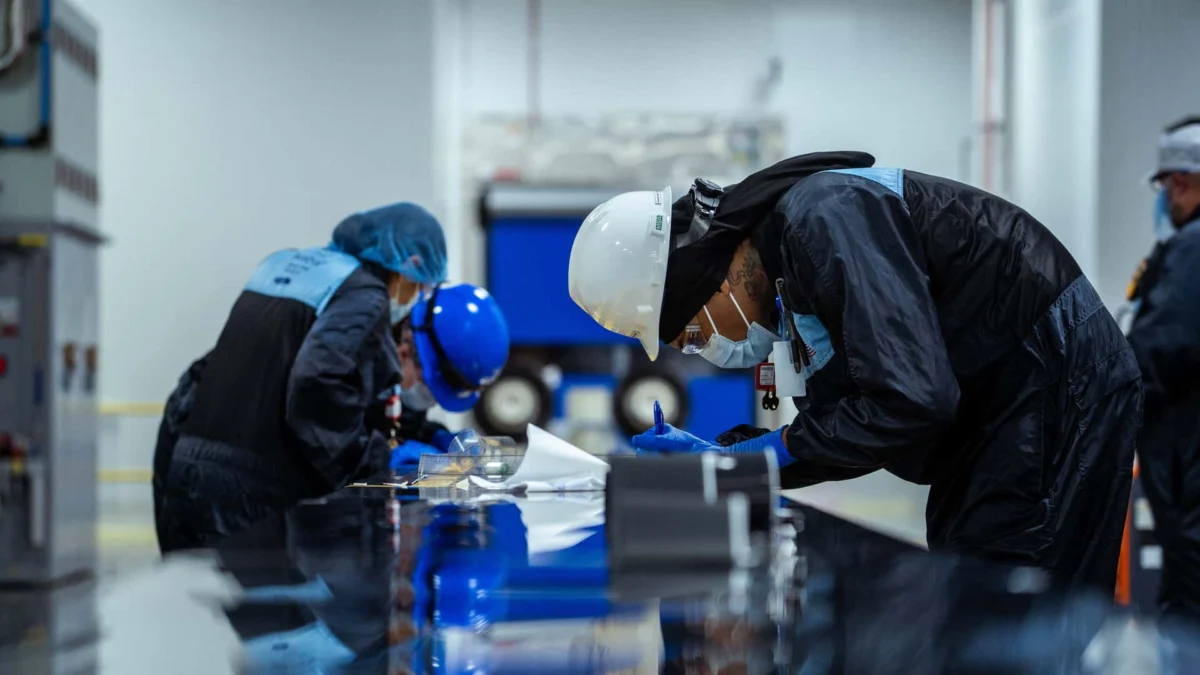
The manufacturing process at the Marshall facility is defined by an exhaustive series of quality assurance measures. Every stage of production, from raw material handling to the final assembly of the pack, is subject to thousands of individual data points. The facility employs a suite of high-precision diagnostic tools, including automated CT scanning, X-ray inspection, laser-guided measurement, and AI-driven camera systems.
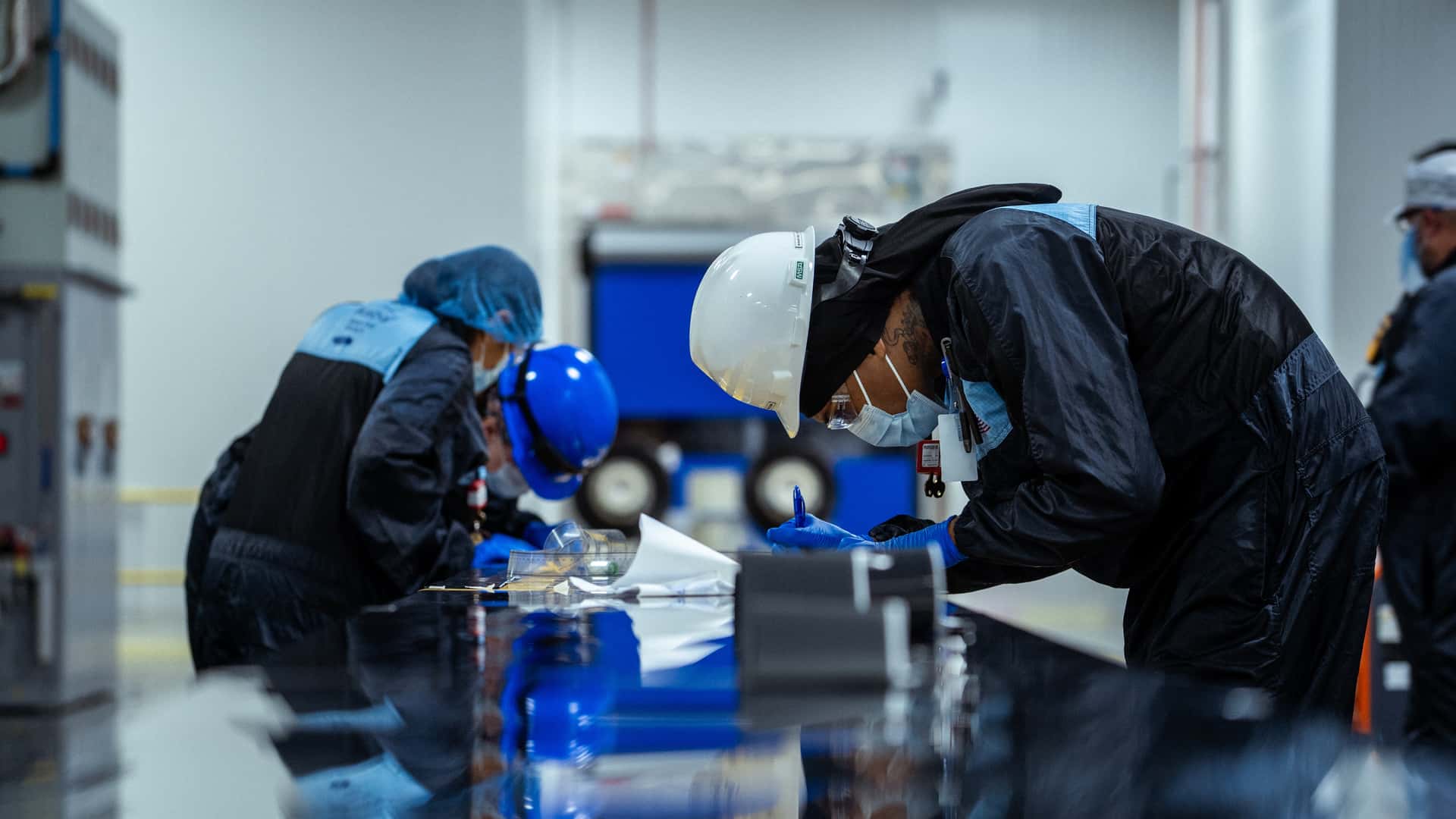
For instance, as the anode slurry is applied to the copper foil, laser sensors scan the material in real-time at the millimeter level to detect wrinkles, inconsistencies, or microscopic contaminants that could compromise the cell’s longevity. A critical component of this quality culture is the empowerment of line workers: any employee has the authority to halt the entire production line if a potential anomaly is detected. When a concern arises, the affected cells are immediately quarantined, and the company utilizes a traceability system that allows them to track the origin of the materials back to the specific batch and the individual vehicle into which they are installed.
Furthermore, Ford employs a rigorous "red rabbit" protocol. This involves intentionally introducing damaged components or flawed cells into the manufacturing machinery to ensure that the automated quality systems successfully identify and reject the defects. This proactive stress-testing confirms that the monitoring systems are operating within their specified parameters at all times. Following the assembly, the packs undergo additional verification, including helium leak testing to ensure hermetic seals and prolonged exposure to hydraulic shakers. These shakers mimic years of real-world driving by subjecting the packs to the complex combinations of twisting, diving, and vibrating forces encountered on public roads.
Contextualizing the Quality Push: Historical Hurdles
Ford’s emphasis on extreme battery durability is not merely a proactive safety measure; it is also a necessary response to the company’s recent history regarding warranty costs and vehicle reliability. In the last few years, the automaker has dealt with notable issues concerning its high-voltage battery systems. For example, the Mustang Mach-E faced a significant recall due to battery contactors that could overheat during repeated DC fast-charging sessions. Similarly, a subset of F-150 Lightning trucks required intervention due to internal defects in the battery cells that led to a temporary halt in production in 2023.
These historical challenges underscore the difficulty of scaling EV production while maintaining the rigorous standards required for long-term reliability. Ford’s data on the Mustang Mach-E, released earlier this month, provides some optimism; the company reported that even high-mileage units—some with 100,000 to 200,000 miles—exhibit minimal degradation in battery capacity. This performance suggests that as the company gains more operational experience, it is becoming more effective at managing the lifecycle of its battery chemistry.
Broader Implications for the Automotive Industry
The transition to in-house battery manufacturing, combined with this heavy investment in "abuse testing," signals a broader trend within the automotive industry. Manufacturers are moving away from treating batteries as modular commodities supplied by third parties and are instead bringing the "intellectual property" of battery safety and performance inside the company’s own walls.
The Fathom pickup will serve as a crucial test case for this strategy. As the company looks to expand its share of the electric truck market, the perception of its vehicle reliability will be tied directly to the durability of its LFP packs. If Ford can successfully mitigate the common failure points of these batteries, it will not only reduce its own warranty expenses but also potentially set a new benchmark for domestic EV reliability.
While the automotive world will have to wait for years of real-world data to fully assess the performance of the Fathom’s batteries, the current evidence suggests that Ford is adopting a highly disciplined, data-driven approach to manufacturing. By treating every failure as a learning opportunity and every production step as a data point, the company is attempting to move past its recent recalls and establish a more robust, long-term foundation for its electric future. Whether this methodology results in the desired leap in profitability and consumer confidence remains the central question for Ford’s leadership as they approach the production launch of the next generation of their fleet.