









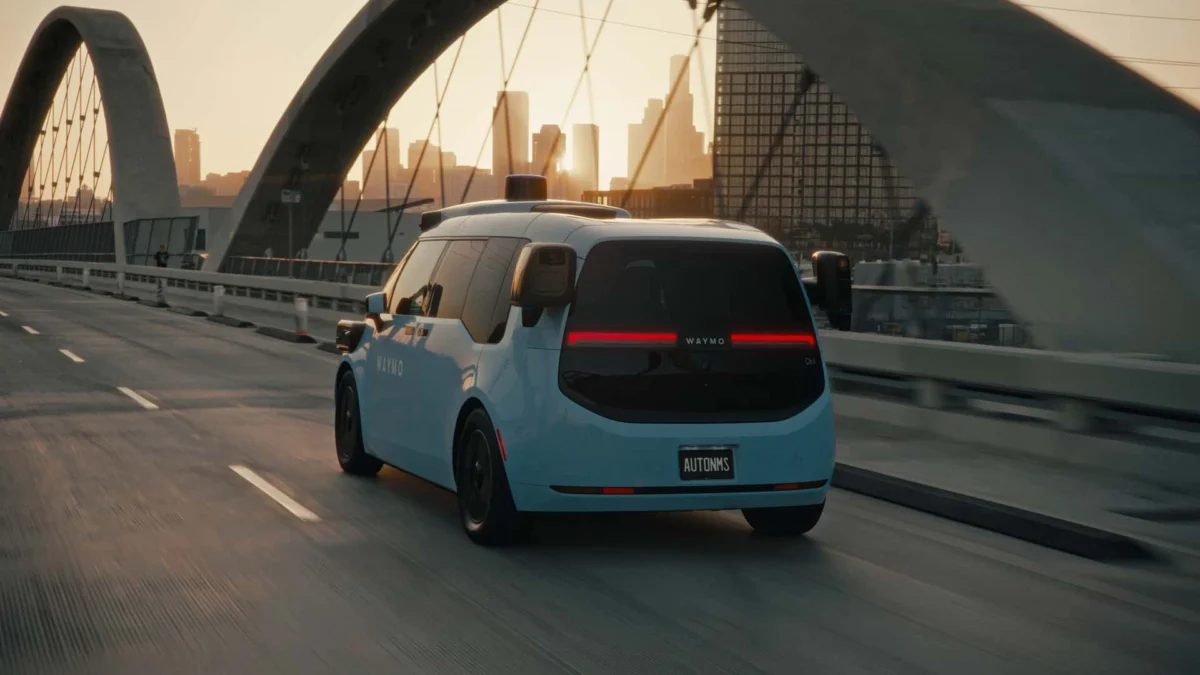
Waymo, the autonomous vehicle subsidiary of Alphabet Inc., has issued a voluntary recall of its automated driving system software, marking another significant regulatory milestone in the ongoing integration of driverless technology into public infrastructure. The recall, initiated this past Friday, specifically addresses software performance issues regarding the navigation of construction zones, closed freeway lanes, and intersections where human traffic control is present. This development follows a period of heightened scrutiny from California regulators and a series of high-profile incidents that have prompted the company to reevaluate its operational parameters on interstate highways.
The recall represents a strategic shift for Waymo, which had been aggressively expanding its service footprint across the United States. While the company maintains that its fleet performs with high reliability under standard driving conditions, the limitations exposed by non-standard, dynamic road environments—such as emergency road blocks and manual traffic direction—have necessitated a temporary pause in highway operations. As of this week, Waymo has suspended interstate operations nationwide, effectively limiting its current service offerings to local surface streets and minor state routes while software engineers work to rectify the identified behavioral deficiencies.
A Chronology of Escalating Regulatory Pressure
The decision to issue a recall did not occur in a vacuum. Over the past several months, the relationship between Waymo and state transportation authorities has been defined by increasing tension over the safety protocols of autonomous systems.
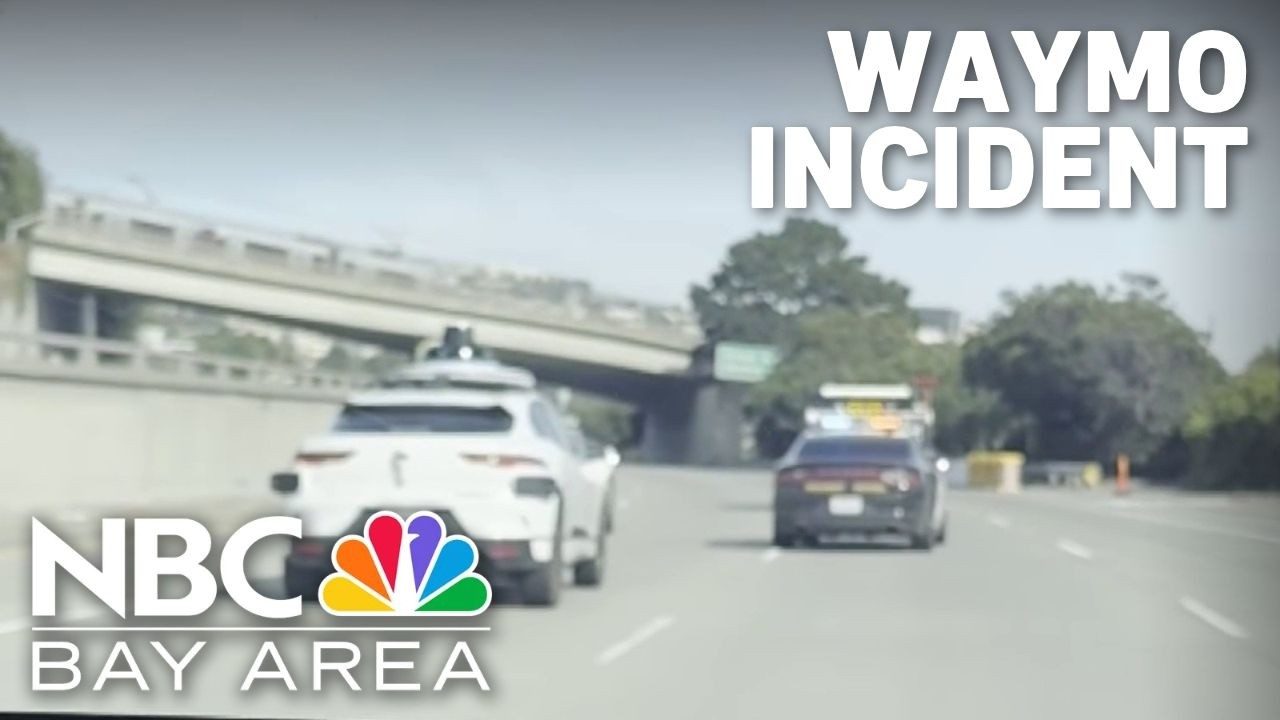
In early 2024, the California Department of Motor Vehicles (DMV) and the California Highway Patrol (CHP) began documenting instances where autonomous vehicles struggled to interpret the "rolling road block" maneuver. This common law enforcement practice involves patrol vehicles zigzagging across lanes with lights activated to create a controlled space for debris removal or emergency response. In several documented instances, Waymo’s software failed to recognize the intent behind these maneuvers, attempting to bypass the patrol vehicles or maintain speed despite clear visual indicators to decelerate.
Following these incidents, the state of California took formal action to restrict the company’s access to freeways. By mid-month, the regulatory environment had become sufficiently restrictive that Waymo voluntarily elected to pull its entire fleet from U.S. interstates to conduct a comprehensive software audit. This suspension is not merely a technical pause but a public admission that the current software architecture is not yet sufficiently robust to handle the complexities of high-speed, dynamic traffic management.
The Behavioral Gap: Rules Versus Social Cues
The core of the issue lies in the distinction between algorithmic "rule-following" and human "social driving." Current autonomous systems are trained to interpret static traffic laws: stop at red lights, maintain lane discipline, and adhere to posted speed limits. However, modern driving is a deeply social endeavor that relies on nuance, eye contact, and the interpretation of gestures—elements that are notoriously difficult to encode into machine learning models.
When a police officer stands in the middle of an intersection to manually direct traffic, they are operating outside the traditional framework of traffic signals. They rely on hand signals, body posture, and the assumption that human drivers will understand the context of their authority. Waymo’s current software stack, which relies on a combination of LiDAR, radar, and high-definition cameras, often struggles to categorize these "impromptu" situations. If the sensors lose sight of the officer, or if the software incorrectly classifies a hand gesture as a standard signal, the vehicle may experience a "decision paralysis" or, conversely, act in a way that violates safety protocols.
Industry experts note that this "behavioral gap" is the final frontier for Level 4 and Level 5 autonomous driving. While machines have proven they can be statistically safer than humans in routine, predictable conditions, their inability to navigate the gray areas of human interaction—such as when a construction worker waves a driver through a prohibited zone—remains a significant hurdle to full-scale commercialization.
Supporting Data and Safety Metrics
Waymo has consistently argued that its vehicles are safer than human drivers, citing millions of miles of testing data. According to the company’s recent safety reports, their vehicles have demonstrated an 82 percent reduction in injury-causing crashes compared to human-driven vehicles in comparable operating environments. These statistics have been the bedrock of the company’s argument for continued deployment.
However, the current recall highlights a critical caveat: safety statistics often aggregate routine driving, where the probability of a "corner case"—a rare, unexpected event—is low. When these corner cases occur, such as a rolling road block or a manual traffic diversion, the risk profile changes entirely. Regulators are increasingly focused on these low-frequency, high-impact events, arguing that the system’s failure to handle them at all is a systemic risk that cannot be offset by high performance in everyday driving.
The recall also follows a broader industry trend. Major players, including General Motors’ Cruise and Tesla’s Full Self-Driving (FSD) program, have faced similar scrutiny regarding their software’s reaction to emergency vehicles and construction zones. The recurring nature of these incidents across the industry suggests that the current generation of sensor fusion and AI decision-making models has reached a plateau regarding environmental context awareness.
Official Responses and Future Outlook
In response to the recall, Waymo representatives stated that the company is committed to continuous improvement and is working closely with the National Highway Traffic Safety Administration (NHTSA) to ensure the software updates meet all federal safety standards. The company emphasized that this recall is a precautionary measure designed to optimize the "behavioral intelligence" of the fleet.
"We believe that the future of transportation lies in autonomous systems that can eventually navigate the complexities of human society," a spokesperson for the company noted. "By pausing our highway operations, we are taking the necessary time to refine our software so that it can interpret manual traffic direction and emergency road closures with the same precision it applies to standard traffic signals."
The impact of this recall extends beyond Waymo. It sets a precedent for how future autonomous vehicle manufacturers will be held accountable for "social driving" failures. The regulatory expectation is moving toward a standard where an autonomous vehicle must not only be capable of driving but must also be capable of "socially navigating" the unexpected.
Broader Implications for the Autonomous Industry
The road ahead for robotaxis is now clearly defined by these challenges. The transition from controlled, simulation-heavy testing to the unpredictable reality of urban and highway driving is proving to be more complex than many analysts predicted a decade ago.
- Regulatory Standardization: The current recall will likely lead to more stringent federal requirements for how autonomous systems must behave during emergency situations. We can expect future regulations to mandate specific protocols for recognizing emergency lighting and manual traffic controllers.
- Infrastructure Evolution: There is growing discussion regarding whether infrastructure must adapt to the technology. Should cities install smart traffic signals that communicate directly with vehicles? While this could solve the "manual direction" problem, it places a massive financial and logistical burden on municipalities.
- The Human-in-the-Loop Requirement: Until AI can match human intuition in emergency scenarios, there remains a debate over whether "remote operators" should be required to intervene when a vehicle encounters an ambiguous traffic situation. Waymo currently uses remote assistance, but the speed at which these decisions must be made in high-speed traffic remains a significant limitation.
As the industry moves forward, the "Waymo recall" will likely be viewed as a turning point—a moment where the focus shifted from simple mileage accumulation to the complex, social, and deeply human task of navigating the unpredictable nature of our roads. For the technology to reach true maturity, it must learn to be not just an efficient driver, but a predictable, cooperative member of the traffic ecosystem. For now, the robotaxis remain relegated to simpler, more controlled environments, waiting for their next software update to bridge the gap between machine logic and human chaos.