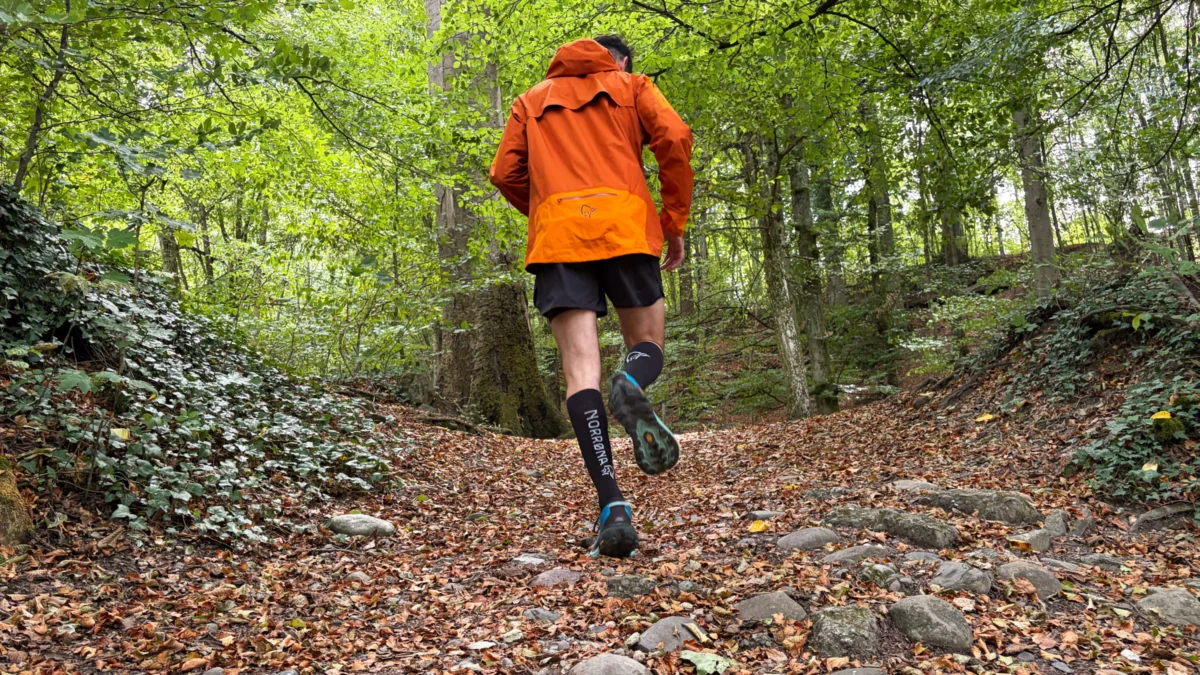
For nearly a century, the Norwegian outdoor apparel manufacturer Norrøna has maintained a reputation as a quiet giant in the mountaineering industry. Since its founding in 1929 by Jørgen Jørgensen, the family-owned, fourth-generation company has been responsible for several seminal breakthroughs in outdoor gear, including the introduction of the tunnel tent and the development of the first GORE-TEX jackets in Europe in 1977. Despite this deep-seated history in alpine exploration and the outfitting of historic expeditions to Mt. Everest, the brand has historically operated with a low public profile. However, this strategy shifted in 2023 with the introduction of the Senja collection, a specialized line of technical apparel and gear designed specifically for the rapidly expanding sport of trail running.
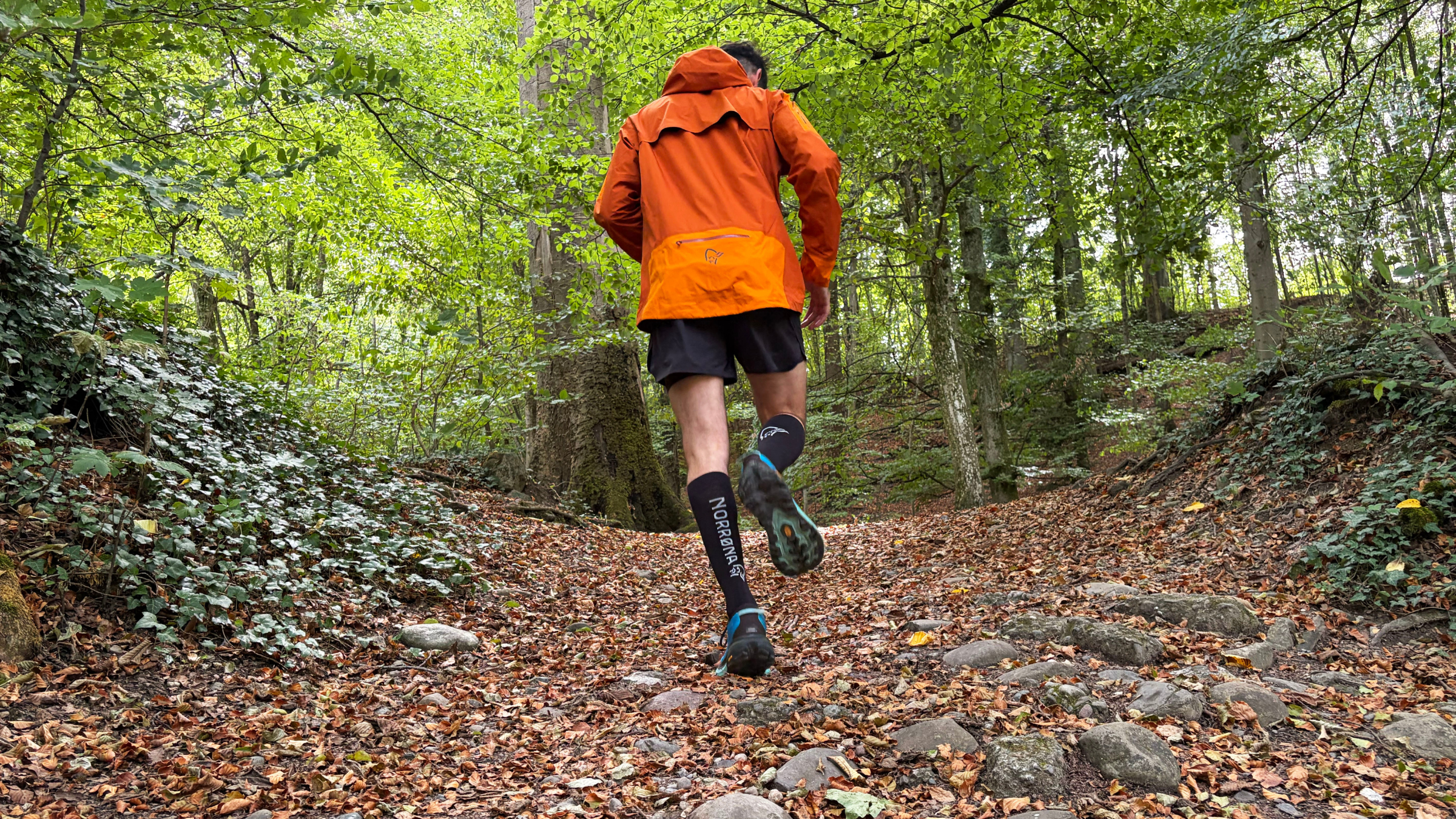
The move into the trail running category represents a calculated diversification for the brand. Having successfully established a presence among ice climbers, mountaineers, and mountain bikers, Norrøna’s expansion into running is rooted in the same design philosophy that has defined its legacy: the creation of high-durability gear capable of withstanding the harsh, unpredictable conditions of the Nordic wilderness. Named after Senja, an island in northern Norway characterized by its dramatic mountain topography, the collection is designed to provide high-performance solutions for athletes operating in demanding environments.
Chronology of Expansion
The development of the Senja line did not occur in a vacuum. Industry data suggests that the global trail running market has seen an accelerated growth trajectory over the past five years, prompting legacy mountaineering brands to adapt their product portfolios. Norrøna’s entry followed a three-year period of internal research and development, during which the company leveraged its existing expertise in lightweight, waterproof fabrics and ergonomic architecture.
The rollout began in 2023 with a limited capsule of core essentials. Throughout 2024 and 2025, the company incrementally added specialized items, ranging from hydration systems to technical apparel, effectively filling the gaps in a runner’s kit. By September 2026, the collection had reached a state of relative maturity, incorporating feedback from professional mountain athletes and testers who evaluated the equipment in diverse terrains, including the Swiss Alps and the rugged trails of northern Norway.
Engineering the Senja 7L Hydration Pack
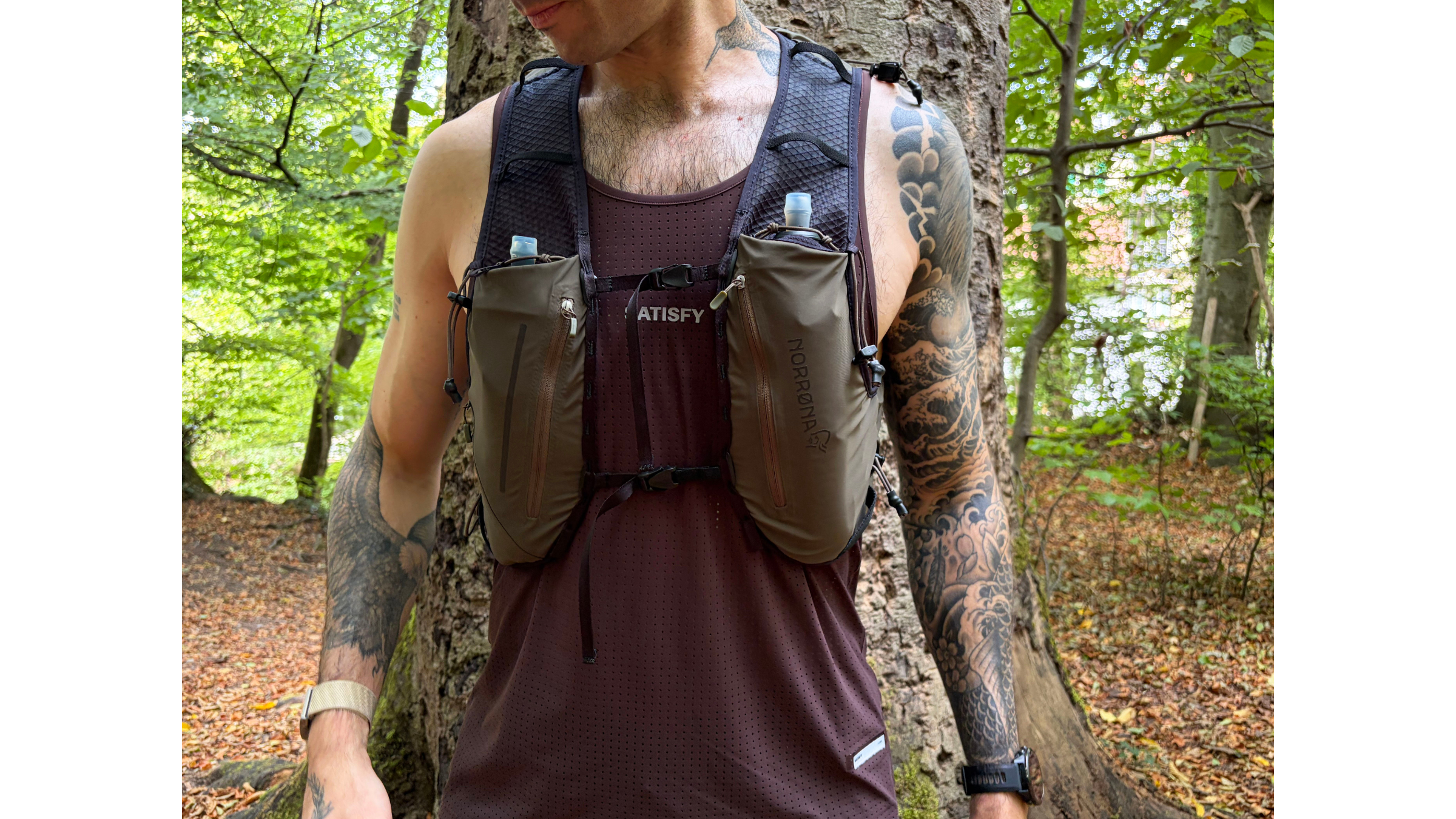
Central to the collection is the Econyl 70 7L Pack. Utilizing recycled nylon (Econyl), the pack highlights the brand’s commitment to sustainable manufacturing—a growing standard in the outdoor industry. The pack’s design is heavily informed by Norrøna’s century of experience in creating expedition-grade rucksacks.
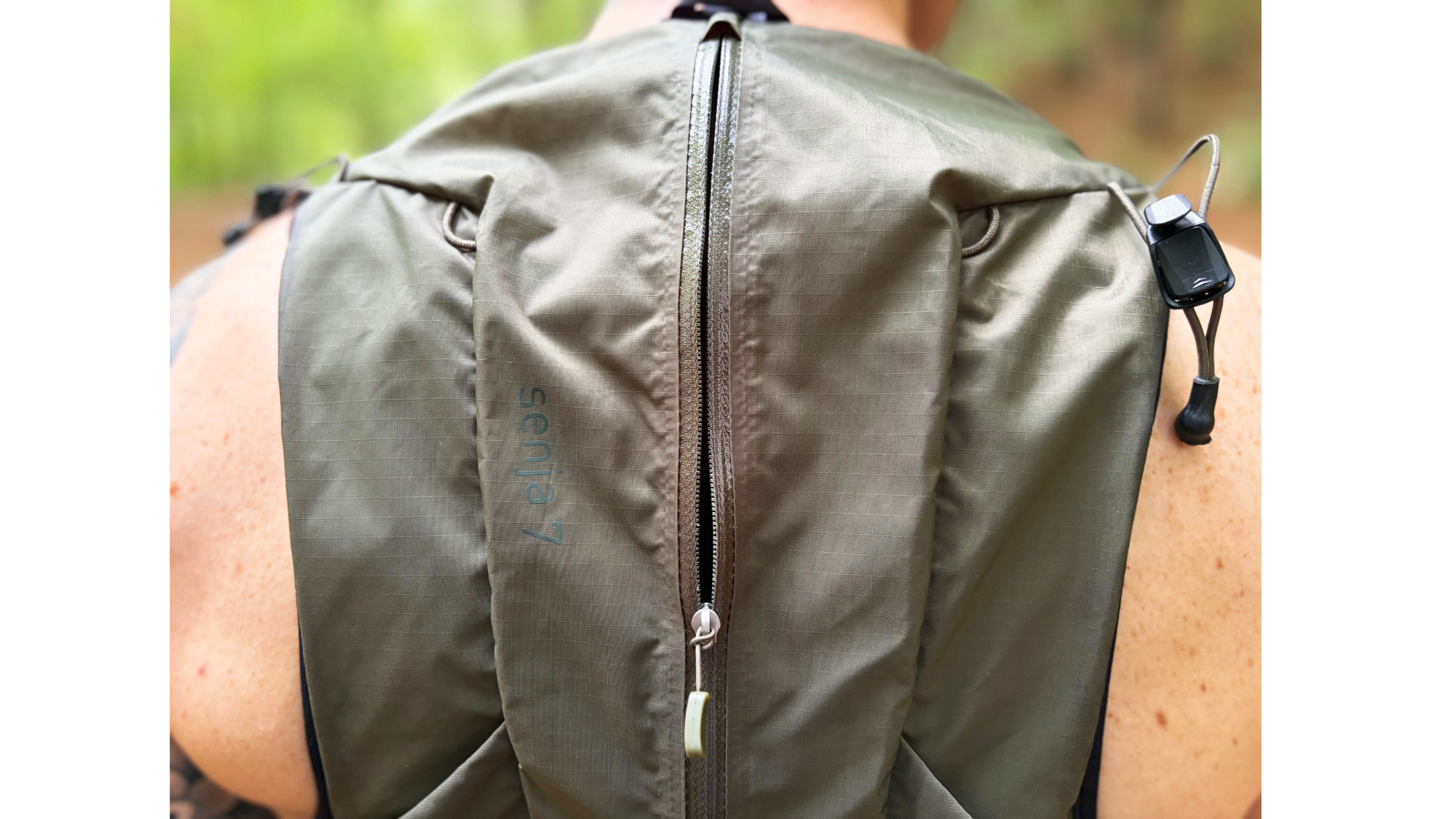
Technical specifications of the vest include:
- Storage Architecture: Two front-facing, high-capacity zippered pockets designed for electronics or nutrition, supplemented by two open lateral pockets for gel storage.
- Main Compartment: A 7-liter rear volume constructed from waterproof ripstop fabric with a sealed zipper, designed to protect essential safety equipment from moisture.
- Stabilization: A dual-adjustment chest strap system paired with internal drawstrings at the waist to minimize vertical oscillation (bounce) during high-intensity movement.
While the pack represents a successful debut, industry analysts note that the integration of proprietary hydration systems remains a point of competitive friction. The current iteration features soft flasks that have been identified as having room for improvement in cap functionality, though the vest’s modularity allows for the integration of third-party flasks, a feature that aligns with the brand’s focus on long-term utility.
Apparel Performance: The Flex 1 Shorts and Equalizer Line
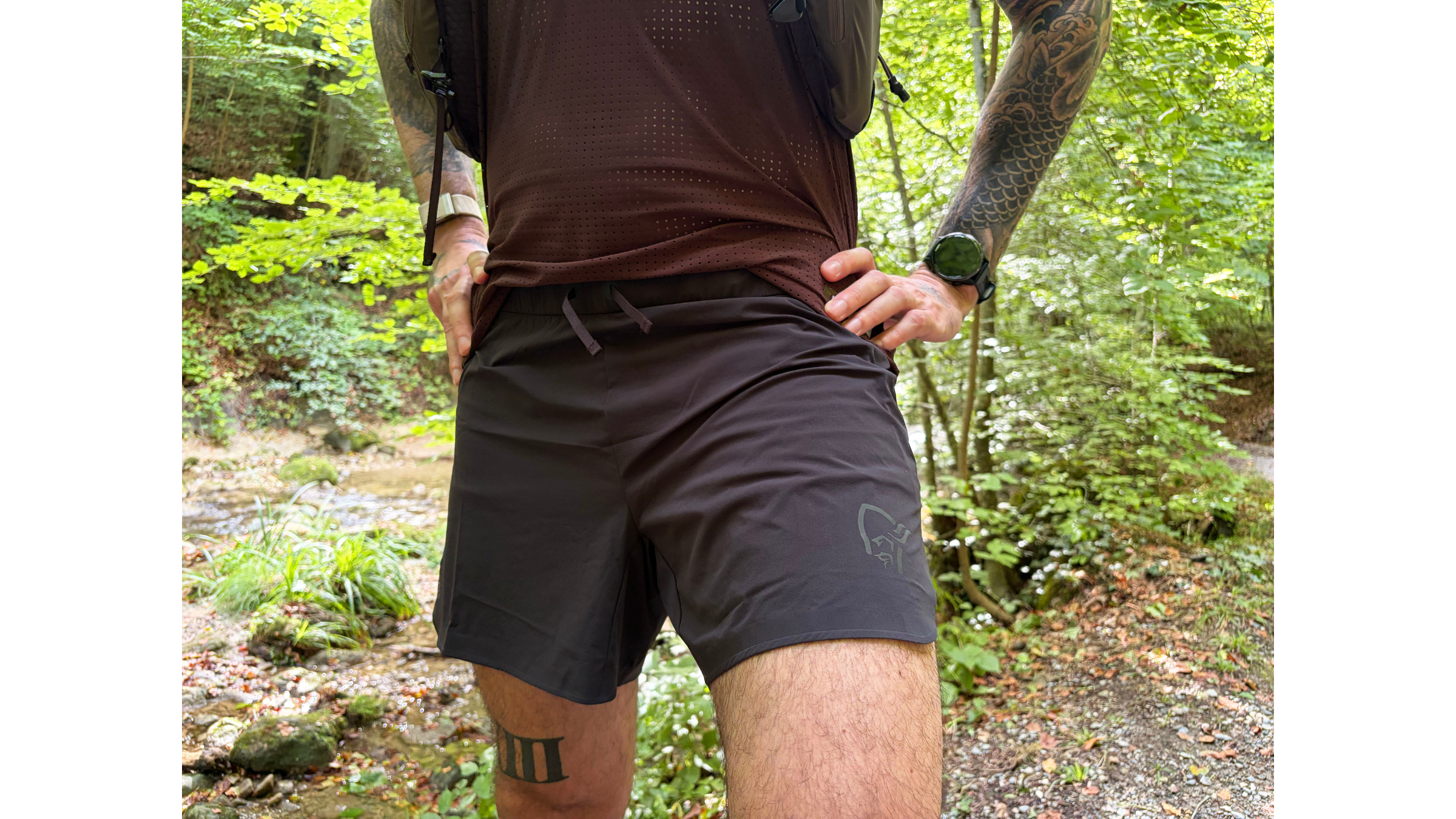
Norrøna’s approach to apparel follows a "less is more" design language, emphasizing weight reduction without compromising structural integrity. The Flex 1 shorts, available in both 5-inch and 9-inch inseams, represent the brand’s focus on frictionless movement. Weighing approximately 4.1 ounces for a size large, the shorts utilize a proprietary stretch fabric that balances abrasion resistance with breathability.
The design of the shorts includes hidden utility features that cater to the needs of long-distance trail runners, such as a secure rear zippered pocket for mobile devices and integrated clips for key management. This integration of "invisible" utility—features that remain unobtrusive until needed—is a hallmark of Norrøna’s engineering.
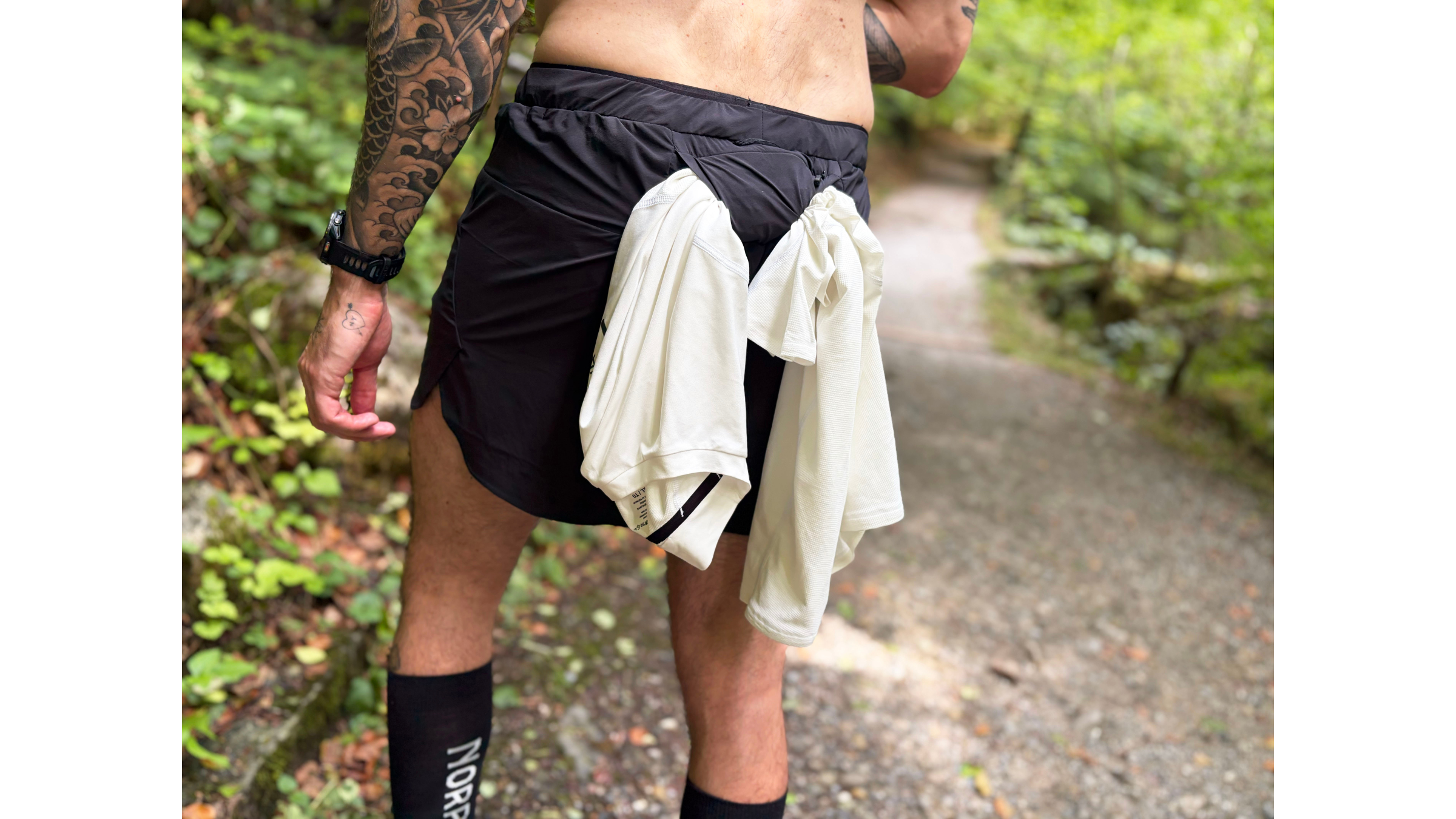
Similarly, the Equalizer Long Sleeve shirt demonstrates a shift toward segmented construction. By utilizing distinct panels of fabric, the garment optimizes range of motion for taller athletes, a demographic often underserved by mass-market sizing. The technical treatment of the fabric is also notable; the shirt utilizes anti-odor polymers that break down proteins and fats in sweat to mitigate bacterial growth. Furthermore, the strategic application of UPF 45 fabric in high-exposure areas like the shoulders underscores the brand’s focus on protection in alpine environments where solar radiation is intensified.
Technical Weather Resistance
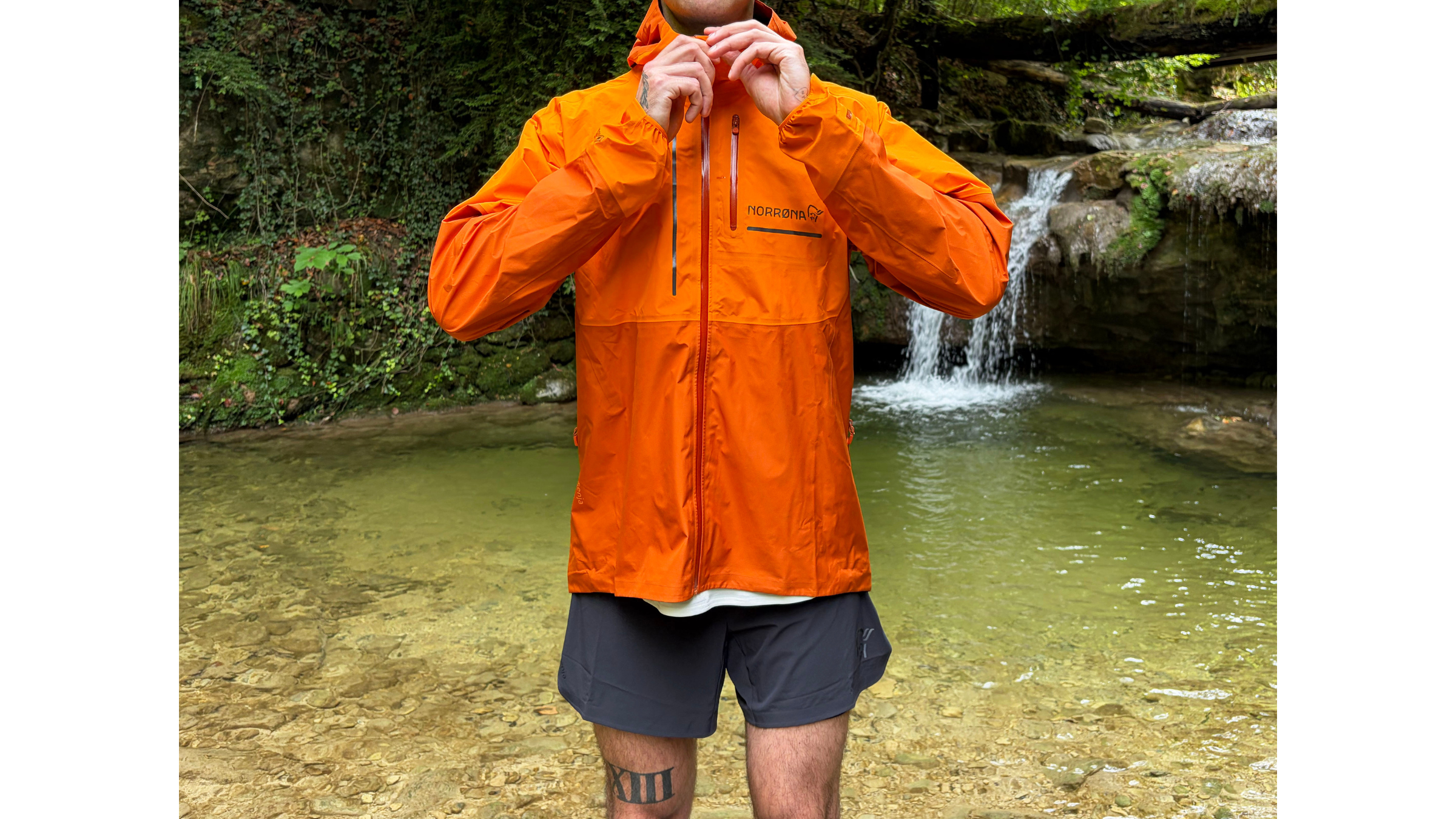
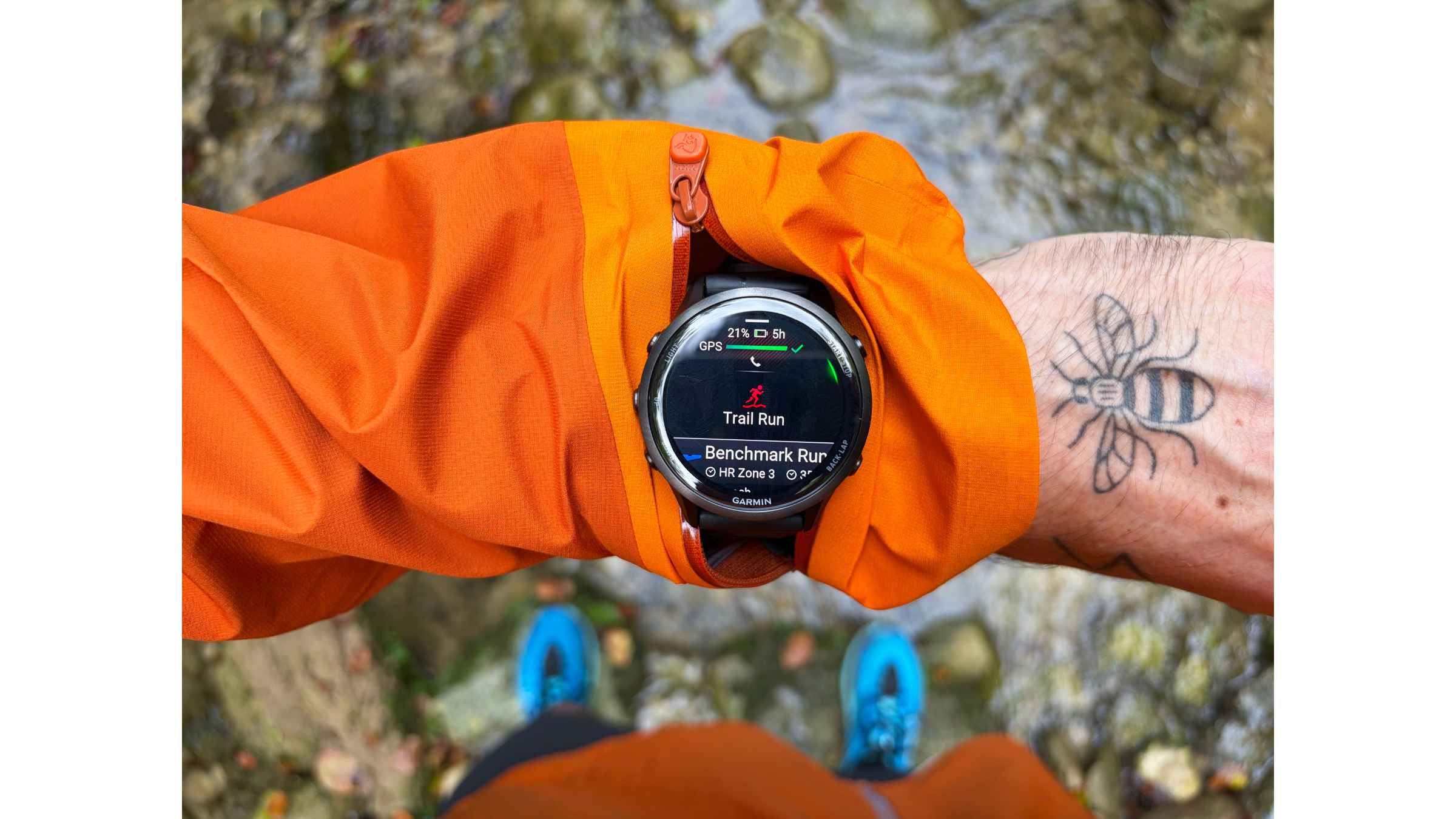
The brand’s expertise in GORE-TEX remains its strongest competitive advantage. The Senja GORE-TEX jacket serves as a testament to this, weighing 282 grams and offering a high strength-to-weight ratio. While some light-duty trail shells prioritize extreme weight reduction, Norrøna has opted for a more durable construction. The jacket includes specific design features tailored for athletes, such as a zippered wrist opening for quick access to heart-rate monitors or GPS watches and a chest strap that allows for ventilation without the jacket flapping during descent.
Broader Implications and Market Impact
Norrøna’s entry into the trail running market carries significant implications for the broader outdoor industry. By applying the durability-first standards of high-altitude mountaineering to the high-cadence, high-sweat world of trail running, the company is positioning itself as a premium "pro-sumer" brand.
Market data from 2026 indicates that consumers are increasingly prioritizing longevity and sustainability in their gear purchases. Norrøna’s strategy—which emphasizes repairability, the use of recycled materials, and the creation of timeless, high-performance pieces—positions it favorably against competitors that rely on seasonal, fast-fashion design cycles.
The brand has also expanded its ecosystem through the launch of an adventure travel business. By offering trail running retreats and guided mountain expeditions, Norrøna is creating a holistic brand experience that goes beyond product sales. This move effectively closes the loop between the manufacturer and the end-user, fostering a community of athletes who utilize the gear in the exact conditions for which it was designed.
As the Senja collection continues to gain traction, the industry will be watching to see if other legacy mountaineering brands follow suit in formalizing their presence in the trail running sector. For Norrøna, the success of this collection is not merely about market share; it is a validation of the company’s ability to pivot its core competencies—precision, durability, and ergonomic design—to meet the requirements of a new generation of mountain athletes. The company’s continued commitment to rigorous testing in the harshest conditions ensures that, while they may remain "quiet" in their marketing, their technical performance remains highly audible to those who spend their time in the mountains.