










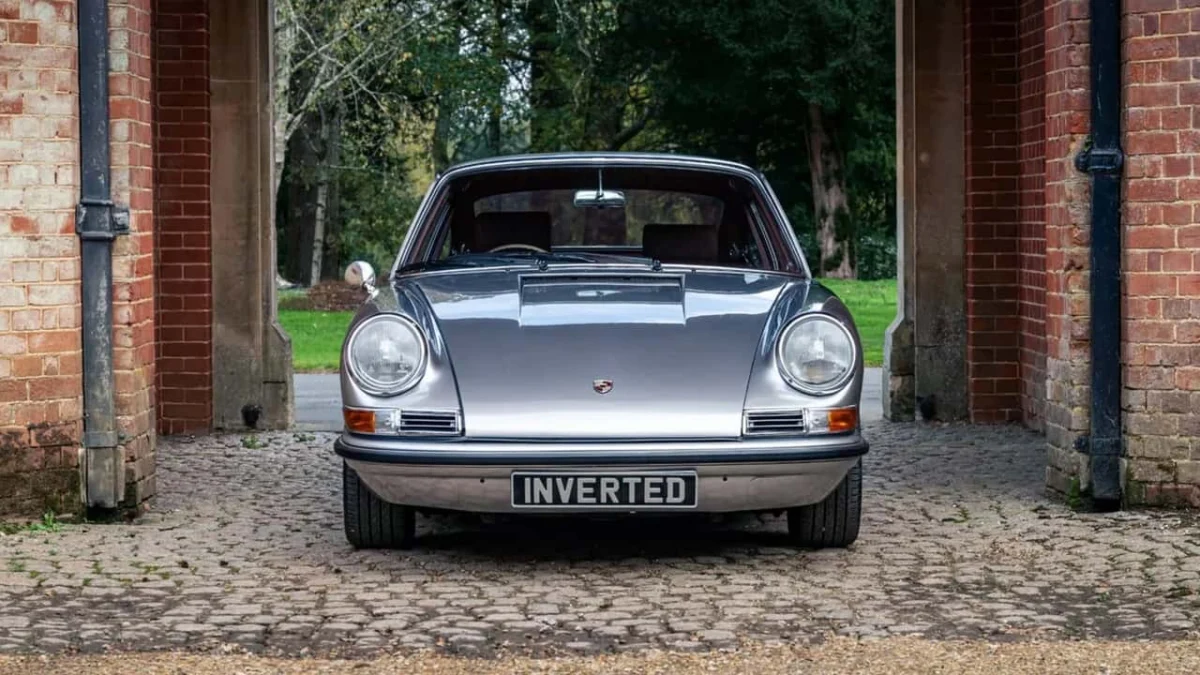
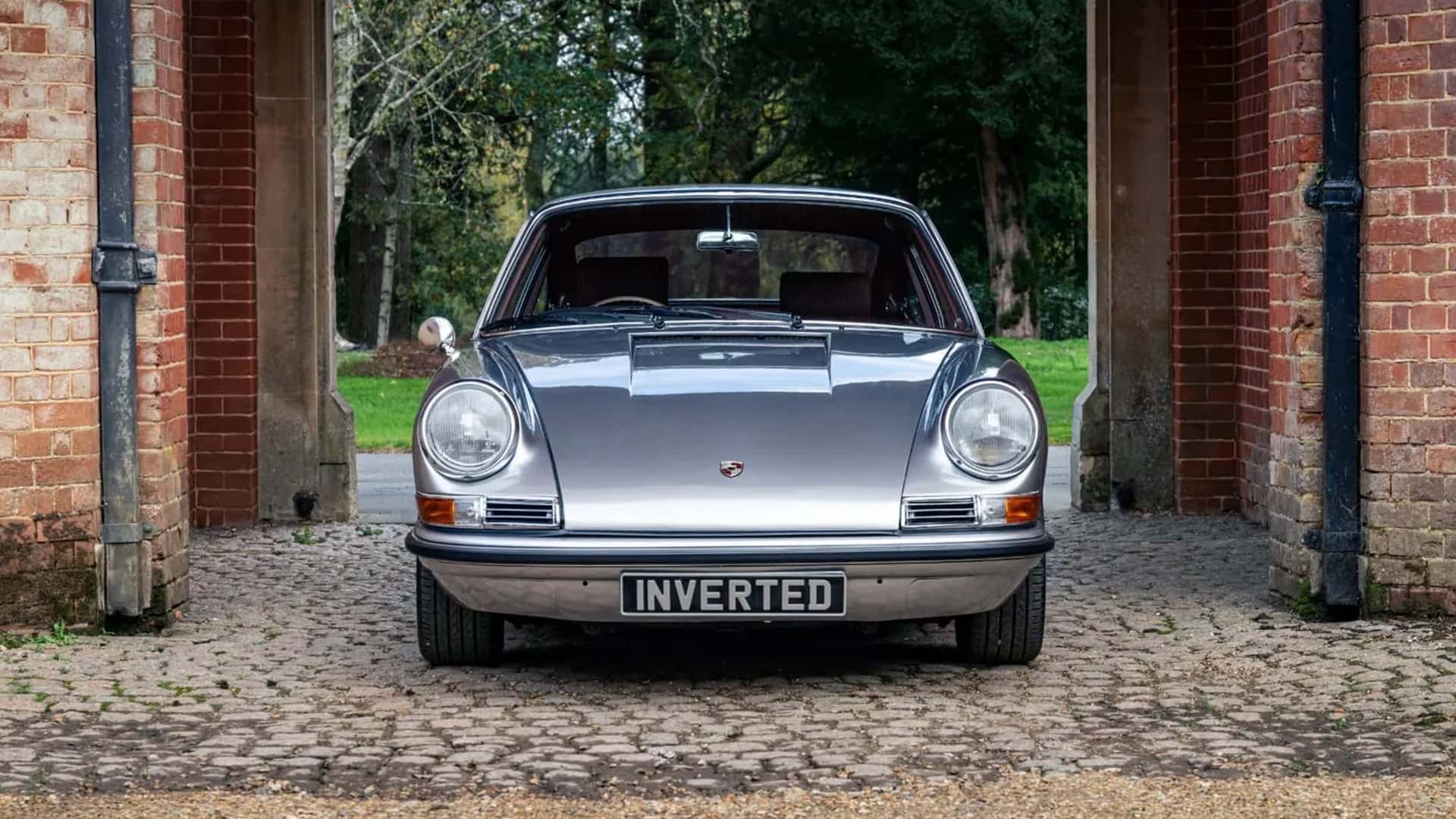
The landscape of automotive restoration and electrification has undergone a significant transformation in recent years, shifting from experimental hobbyist projects to sophisticated, high-end engineering endeavors. Leading this movement is Inverted, a firm that has carved out a niche for itself by breathing new life into vintage vehicles through state-of-the-art electric powertrain swaps. While the company originally gained recognition for its comprehensive electric conversions of classic Land Rover Defenders, it has expanded its operations to include a bespoke program that caters to a wider variety of iconic platforms. The most recent manifestation of this capability is a deeply customized Porsche 912, a vehicle that balances the timeless aesthetic of 1960s German sports car design with the immediate, linear torque and silent operation of a modern electric drivetrain.
A Legacy of Engine Evolution
The specific 912 featured in this project has a storied history of mechanical evolution. Originally factory-equipped with a four-cylinder boxer engine, the car had previously undergone a performance-oriented transplant by its owner, who swapped in a more potent, air-cooled 911 power unit. While the 911 engine provided a visceral driving experience, the owner sought a more refined, reliable, and sustainable solution for daily driving duties. This search led them to Inverted, which proposed a comprehensive conversion that would retain the classic character of the Porsche while optimizing it for the demands of 21st-century commuting.
For the automotive purist, the prospect of removing an air-cooled engine is often met with skepticism. However, the engineering approach taken by Inverted is designed to preserve the vehicle’s original soul while mitigating the inherent reliability and maintenance challenges associated with aging internal combustion engines. This project represents the third distinct powertrain iteration for this particular chassis, illustrating a broader trend where vintage car owners are increasingly opting for "future-proofing" their investments.
Advanced Engineering and Weight Distribution
One of the most significant challenges in converting a classic rear-engine vehicle to electric power is managing weight distribution. Air-cooled Porsches are historically prone to "lift-off oversteer," a handling characteristic exacerbated by shifting center-of-gravity profiles. Adding a large, singular battery pack to the rear engine bay would have theoretically compromised the car’s handling dynamics.
To counteract this, Inverted engineers devised a sophisticated split-battery architecture. By distributing the 62 kWh battery pack across two locations—one section occupying the traditional rear engine bay and the other positioned under the front hood—the team was able to achieve a weight balance that is arguably superior to the original factory specification. This strategic placement ensures that the car maintains its low center of gravity and predictable cornering behavior, essential for a car that is intended to be driven daily rather than displayed as a museum piece.
Performance Metrics and Charging Capability
The performance leap provided by the conversion is substantial. The original 912 four-cylinder engine produced approximately 90 horsepower, a figure that was sufficient for the mid-1960s but modest by modern standards. Inverted’s electric powertrain generates 300 horsepower, a massive increase that transforms the vehicle’s acceleration profile. Where the original 912 required roughly 13 seconds to reach 60 mph, the electrified version achieves the same benchmark in approximately four seconds.
While the raw speed is impressive, the practical usability of the vehicle is equally noteworthy. The car offers a real-world range of approximately 250 miles on a single charge. While the 75 kW DC fast-charging capability may lag behind the latest high-voltage systems seen in purpose-built electric vehicles like the Porsche Taycan, it is more than adequate for the intended usage profile. For a daily driver, the ability to replenish the battery during overnight charging or while parked at a destination provides a seamless user experience that classic cars, with their mechanical idiosyncrasies and fuel requirements, often lack.
Aesthetic Integration and Interior Craftsmanship
The transformation extends well beyond the drivetrain. Recognizing that the interior of a vintage Porsche is part of its core identity, Inverted has meticulously updated the cabin to reflect its new electric heart without stripping away its retro charm. The instrumentation has been re-engineered to provide relevant data to the driver while maintaining the original visual language of the 912 dashboard.
The iconic central tachometer, once a fixture for monitoring engine revolutions, has been repurposed into a power percentage gauge, offering real-time feedback on motor load. Similarly, the fuel gauge has been converted into a precise analog battery state-of-charge indicator. These modifications are executed with a level of craftsmanship that makes them appear as if they could have been factory-installed options in a parallel timeline. The result is an environment that feels familiar and nostalgic to the driver, while providing the technical information necessary to monitor the health and status of the high-voltage electrical system.
The Broader Implications for Restomods
The success of the Inverted Porsche 912 project highlights a growing shift in the collector car market. As environmental regulations become more stringent in urban centers and the availability of high-quality replacement parts for classic internal combustion engines becomes more sporadic, electrification offers a viable path for the long-term preservation of automotive heritage.
This "Restomod" approach—restoring the car to concours-quality standards while modernizing its underlying technology—addresses the primary concerns of classic car ownership: reliability, emissions, and performance. Furthermore, it creates a new category of vehicle that appeals to younger generations of enthusiasts who value the aesthetics of the past but demand the convenience and responsiveness of modern technology.
Industry analysts suggest that the demand for bespoke EV conversions will continue to rise as specialized firms demonstrate their ability to integrate complex systems into delicate, vintage chassis. By successfully navigating the complexities of chassis balance, thermal management, and user interface design, companies like Inverted are proving that the future of classic car ownership is not necessarily static; it can be as dynamic and forward-thinking as the rest of the automotive industry.
Conclusion
The Inverted Porsche 912 serves as a definitive case study in how to bridge the gap between two very different eras of automotive history. By stripping away the limitations of the internal combustion engine and replacing them with a modern, high-torque electric powertrain, the firm has created a vehicle that is not only faster and more reliable but also more usable in modern traffic conditions. For the owner, the result is the best of both worlds: the timeless, analog charm of a vintage Porsche, combined with the silent, instant-on performance of an electric vehicle. It is a compelling argument for the future of preservation, ensuring that these classic icons can remain on the road for decades to come, regardless of the evolving energy landscape.