








When the winter holiday shopping season approaches, outdoor enthusiasts present a uniquely demanding challenge for gift-givers. Hikers, backpackers, and thru-hikers are famously discerning about their equipment, viewing every item through the strict lenses of weight, durability, and functional necessity. In the backcountry, gear is not merely a hobbyist collection; it is safety equipment, shelter, and survival infrastructure. Industry veterans maintain a golden rule for purchasing backcountry gifts: items must offer high versatility, exceptional durability, or multi-purpose utility, and ideally all three.
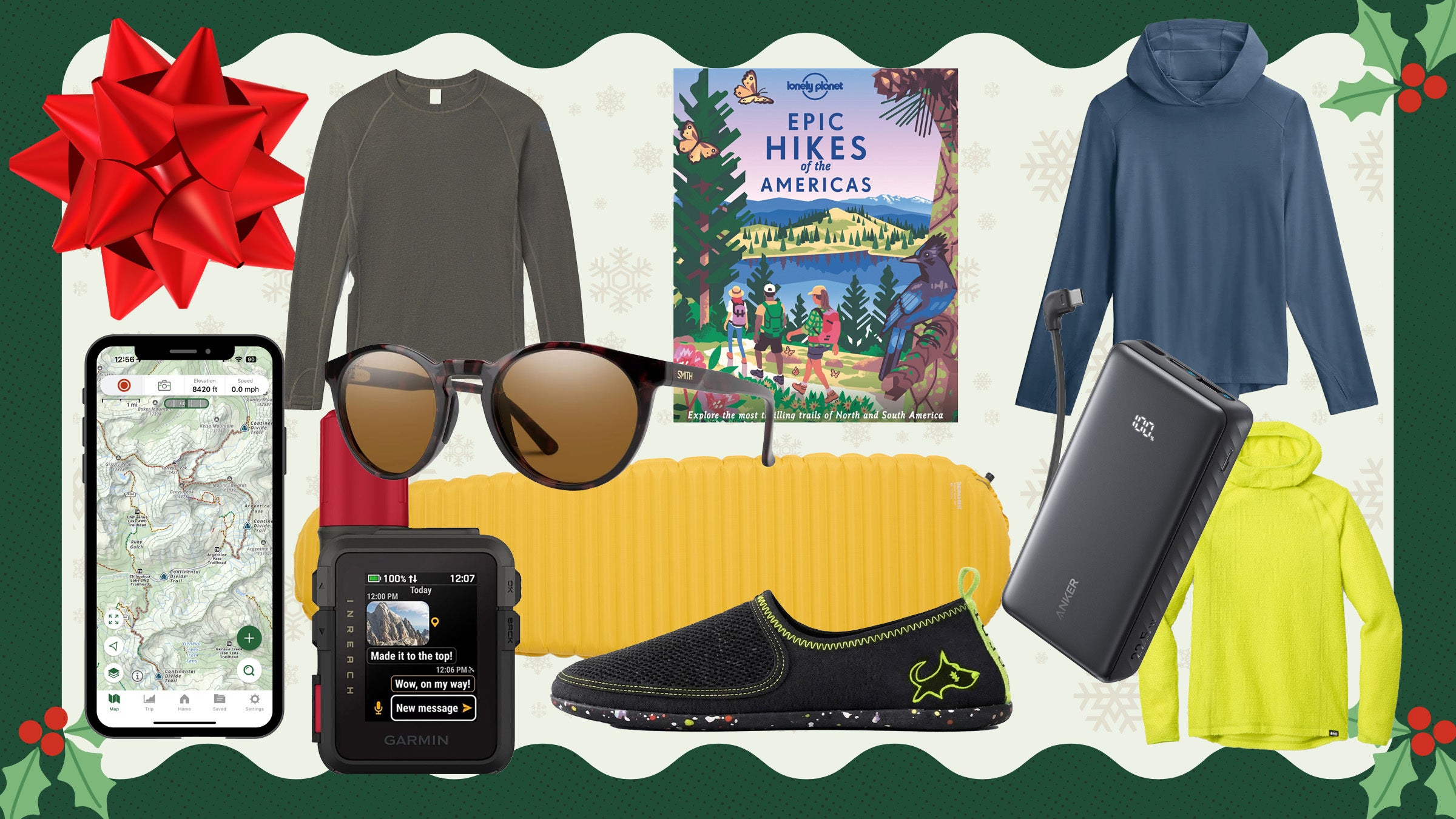
To help consumers navigate the crowded outdoor retail market, outdoor testing editors and gear specialists have compiled an exhaustive, field-tested gift guide for the 2026 holiday season. Spanning categories from ultralight apparel and high-end sleep systems to emergency satellite communication and power delivery, this year’s curated selection highlights innovations designed to enhance comfort, extend range, and ensure safety across diverse wilderness environments.
The Evolution of Outdoor Gear: Balancing Weight and Durability
The outdoor recreation economy has experienced sustained growth over the past decade, driven by an influx of participants seeking wilderness experiences following global shifts in lifestyle and remote work flexibility. According to annual participation reports from the Outdoor Foundation, millions of Americans engage in hiking and backpacking annually, creating a massive consumer base that continually demands lighter, stronger, and more sustainable equipment.
Manufacturers have responded by investing heavily in research and development, utilizing advanced materials originally engineered for industrial, aerospace, or military applications. High-performance synthetic fleeces, recycled technical textiles, and advanced photovoltaic components now dominate the market. This technological leap means modern holiday gift-givers have access to gear that performs exponentially better than equipment available even five years ago. However, navigating these technical specifications requires expert guidance, particularly for gift-givers who may not spend their weekends navigating mountain passes.
Performance Eyewear for Trail and Town
Bridging the gap between technical alpine performance and casual urban aesthetics remains a primary design challenge for eyewear manufacturers. Traditional athletic sunglasses often feature aggressive wraparound frames and neon-tinted lenses that look out of place during post-hike meals or zero days in mountain gateway towns.
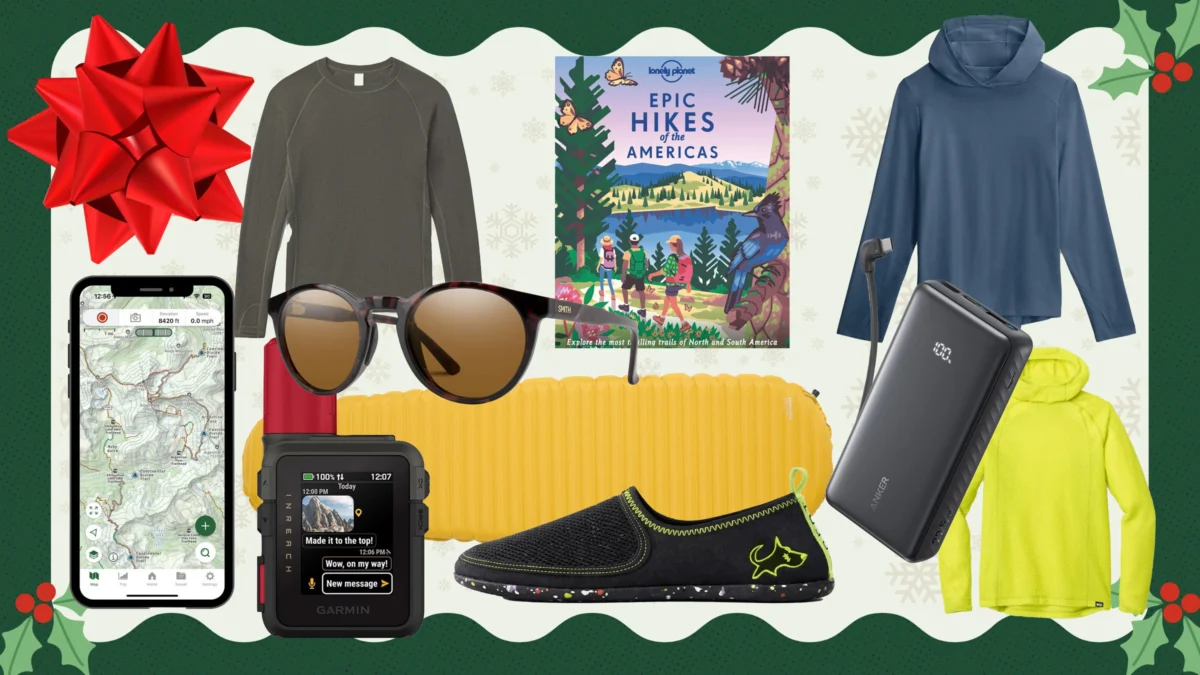
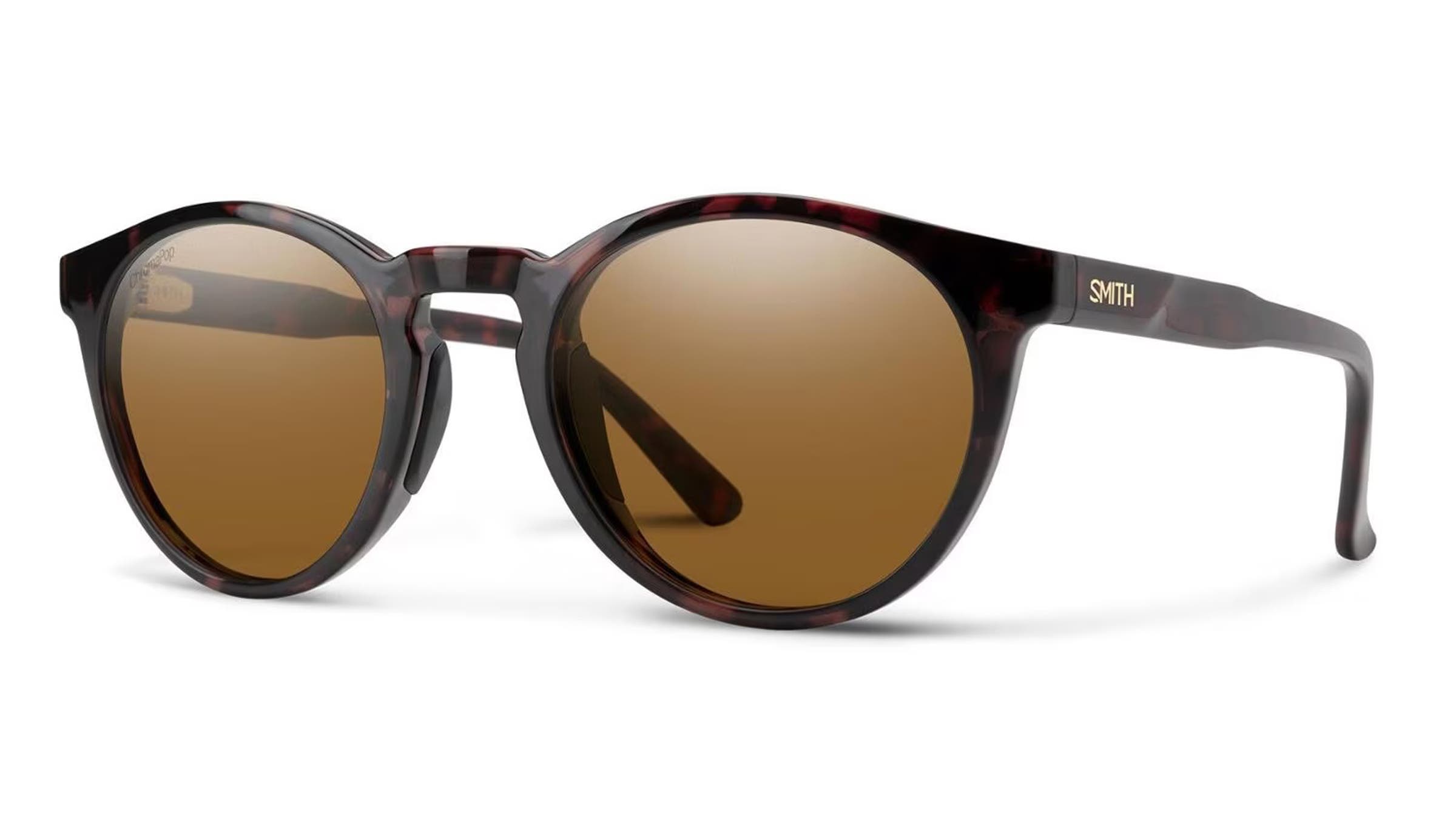
The Smith Westward Sunglasses ($187) successfully bridge this divide, offering lightweight, durable, and polarized optics housed in a frame versatile enough for daily wear. Designed to stay securely positioned during strenuous, high-output climbs, these glasses utilize advanced ChromaPop lens technology to enhance contrast and color definition. For budget-conscious shoppers or those prone to losing accessories on the trail, alternative options like Knockaround or Goodr sunglasses provide entry-level polarized protection, though users typically sacrifice long-term frame durability and scratch resistance compared to higher-end optical offerings.
Advanced Insulation: The Rise of Polarcache and Polartec Alpha
Midlayers have undergone a quiet revolution in the backpacking community, moving away from traditional heavy fleeces toward hyper-breathable, active-insulation systems. Originally developed to meet the rigorous demands of United States Special Forces, Polartec Alpha has emerged as a gold standard for temperature regulation during high-output alpine ascents.
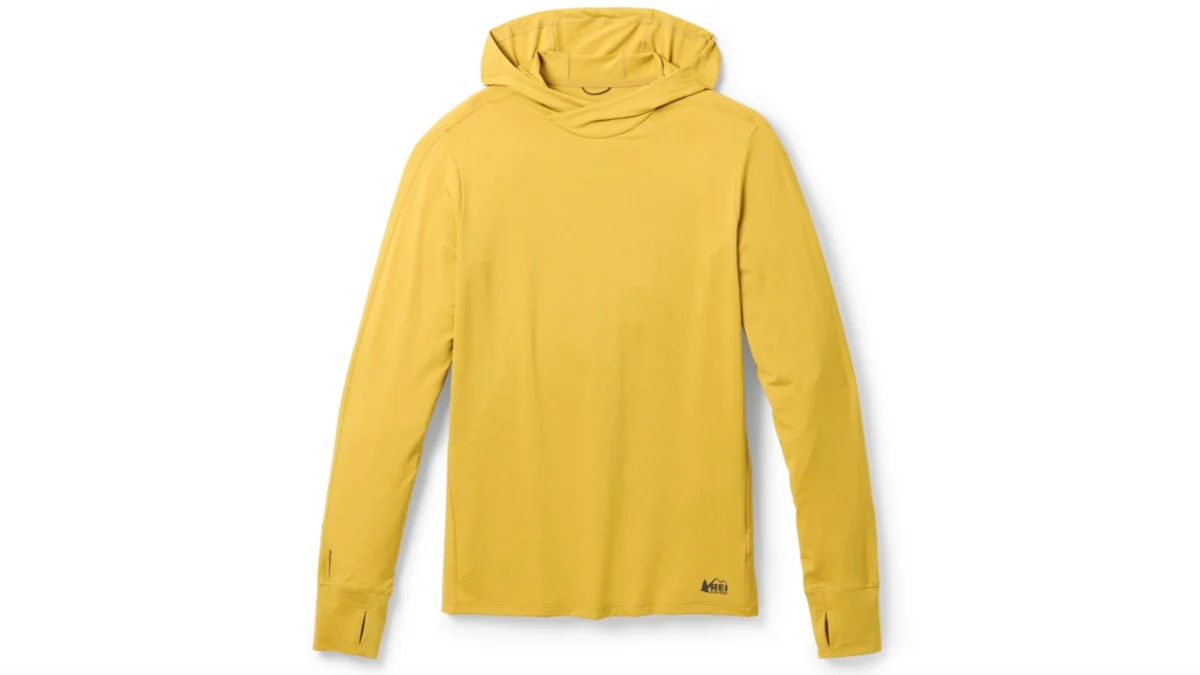
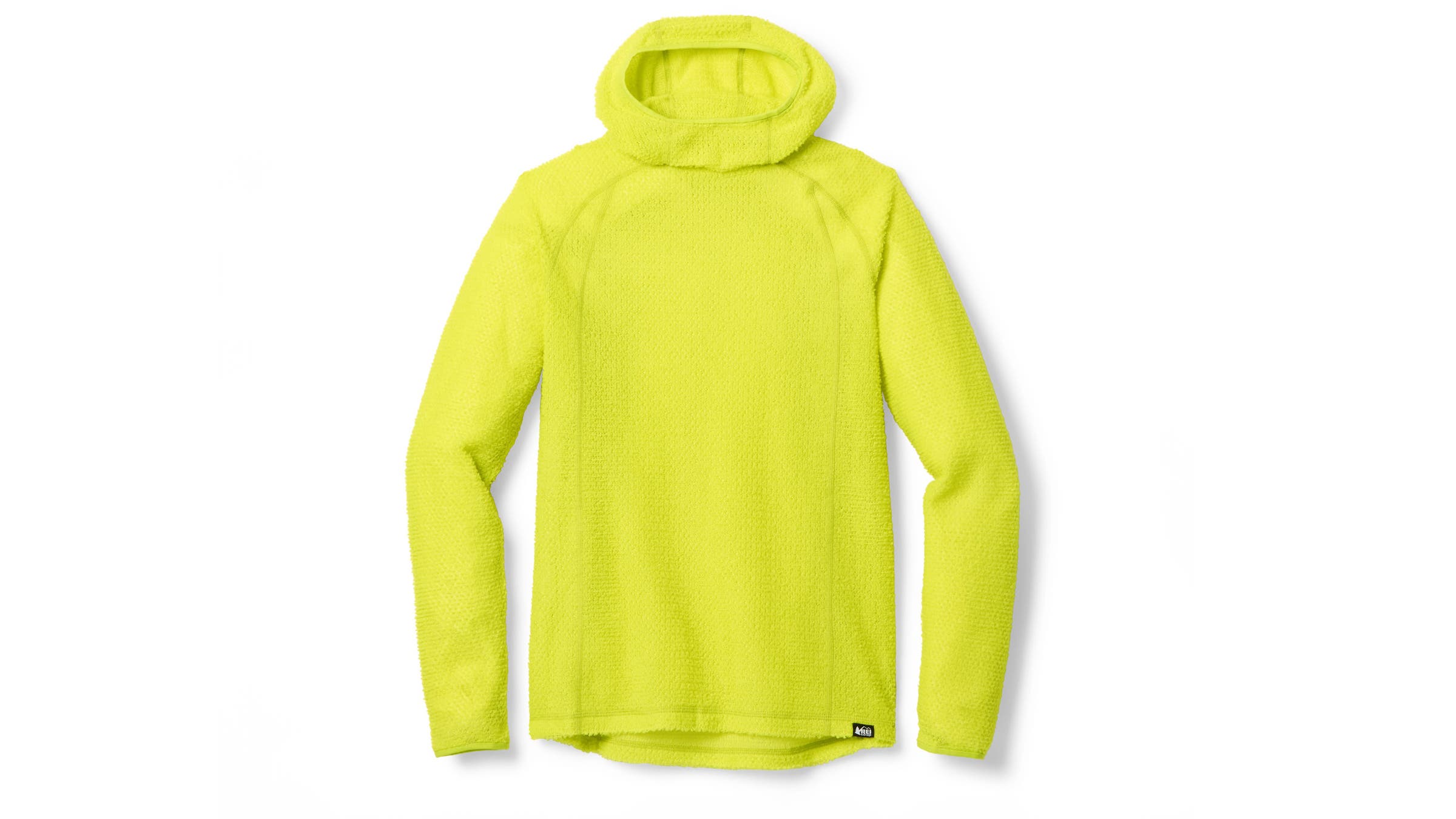
The REI Screeline Alpha Hoodie ($100) harnesses this technology to deliver exceptional warmth-to-weight ratios. By trapping microscopic pockets of air between lofted fibers rather than relying on a dense, windproof face fabric, the material allows excessive body heat and perspiration to escape efficiently, preventing the dreaded "sweat-then-freeze" cycle common during steep climbs. REI’s house-brand pricing model makes this technical fabrication significantly more accessible than competing specialty mountaineering brands, while maintaining a tailored athletic fit optimized for layering.
Sustainable Recovery: Redefining Camp Footwear
After a 15-mile day with a heavy pack, footwear relief is paramount. While traditional foam clogs like Crocs have long dominated the evening camp scene due to their featherlight weight and waterproof nature, the market is shifting toward sustainably conscious alternatives.

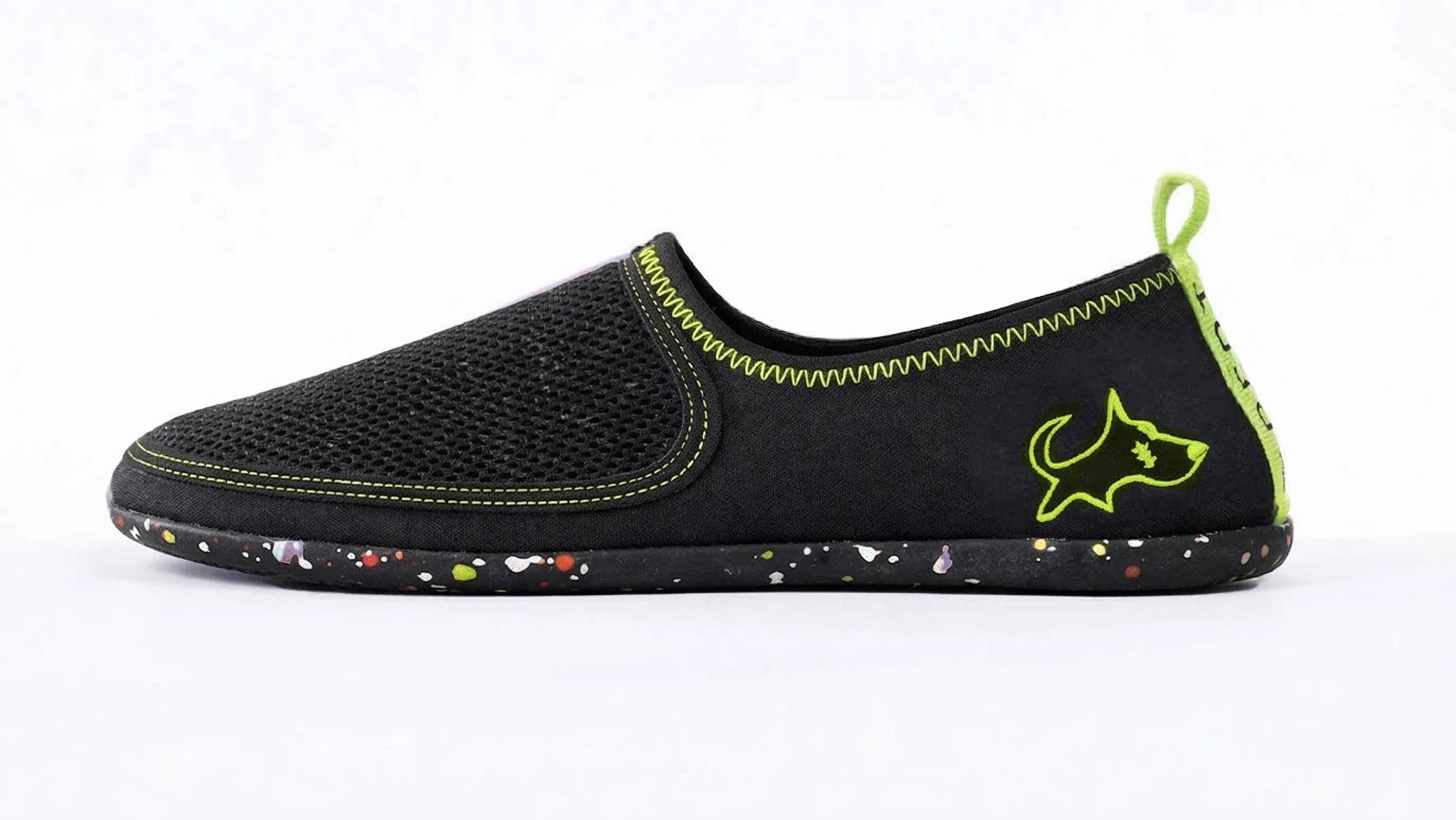
The Bert Camp Shoes ($80), produced by a small Columbia, Oregon-based enterprise, offer a compelling alternative for environmentally minded backpackers. Fabricated using sustainably sourced materials by a predominantly local workforce, the company distinguishes itself through community reinvestment, including direct financial contributions to nonprofit animal spay-and-neuter programs. Functionally, these shoes pack down completely flat to slide easily into exterior backpack mesh pockets, providing a plush, supportive recovery platform for tired feet around the campfire or inside a tent.
Trail Literature and Mental Preparation
While physical gear dominates pack lists, psychological preparation remains equally critical for long-distance success. Industry analysts note a direct correlation between winter reading habits and spring trail permit applications.
Priced at $35, Lonely Planet’s Epic Hikes of the Americas serves as both an aesthetic coffee-table book and a practical logistical resource. Documenting 50 premier routes across North, Central, and South America—ranging from multi-month thru-hikes like the Pacific Crest Trail to demanding high-altitude overnight treks in the Peruvian Andes—the volume features contributions from experienced through-hikers. Each trail profile includes critical planning data, such as optimal seasonal windows, localized gear checklists, and public transportation logistics, providing the necessary inspiration for hikers looking to elevate their ambitions.
Sleep Systems: Engineering Out the Crinkle
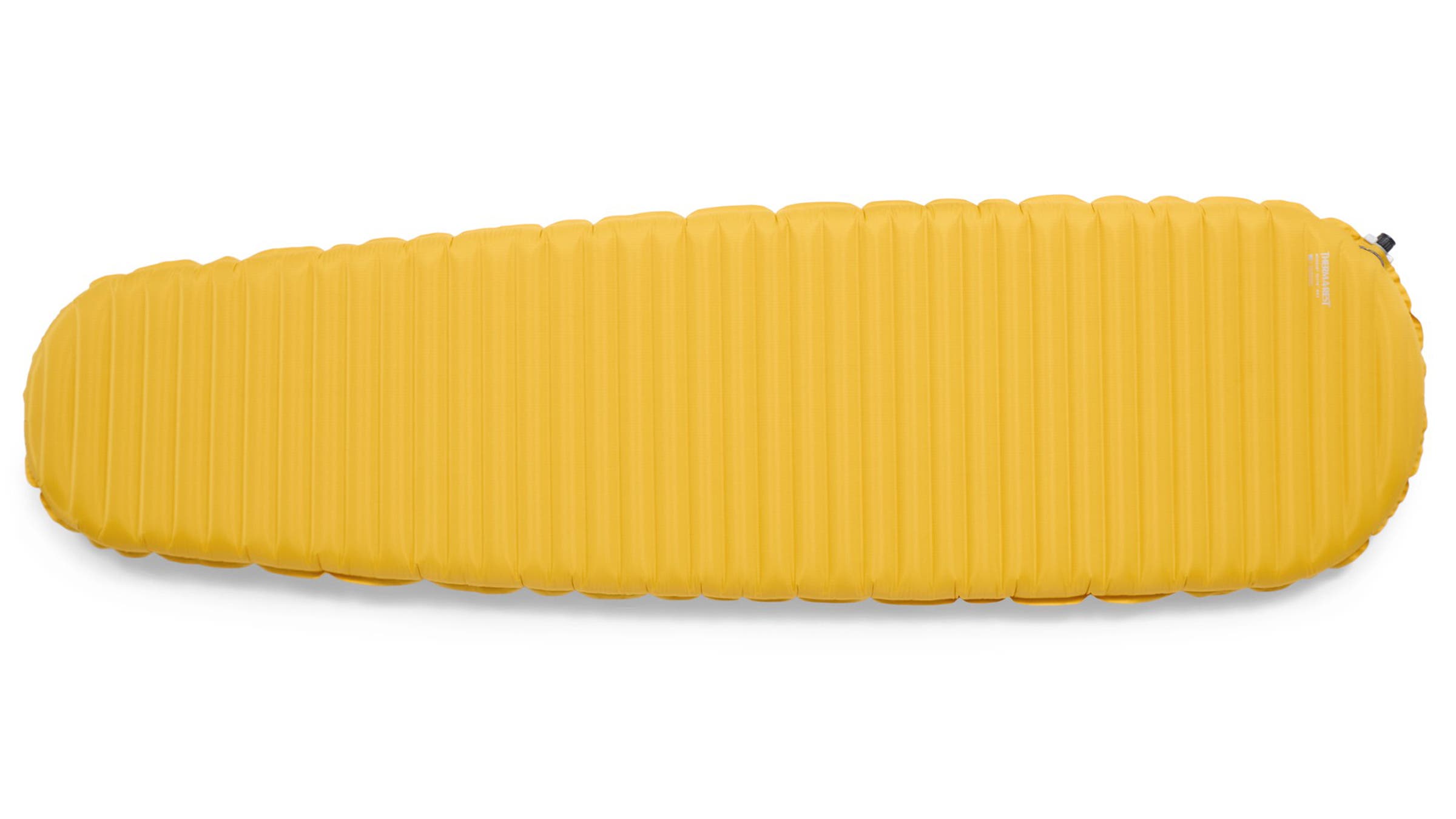
Quality rest is the cornerstone of backcountry endurance. For years, the Therm-a-Rest NeoAir XLite ($210) has reigned as the premier inflatable sleeping pad for backpackers seeking an optimal balance of warmth, minimal packed size, and featherlight construction.
Addressing one of the most common user complaints regarding previous iterations—specifically, the crinkly, noisy internal baffling material that disrupts light sleepers—Therm-a-Rest updated its internal insulation structure to significantly dampen auditory feedback. Additionally, the revised WingLock inflation valve architecture accelerates inflation times while requiring fewer breaths to achieve target firmness, representing a notable ergonomic upgrade for exhausted hikers setting up camp in fading light.
Sun Protection and Odor-Resistant Apparel
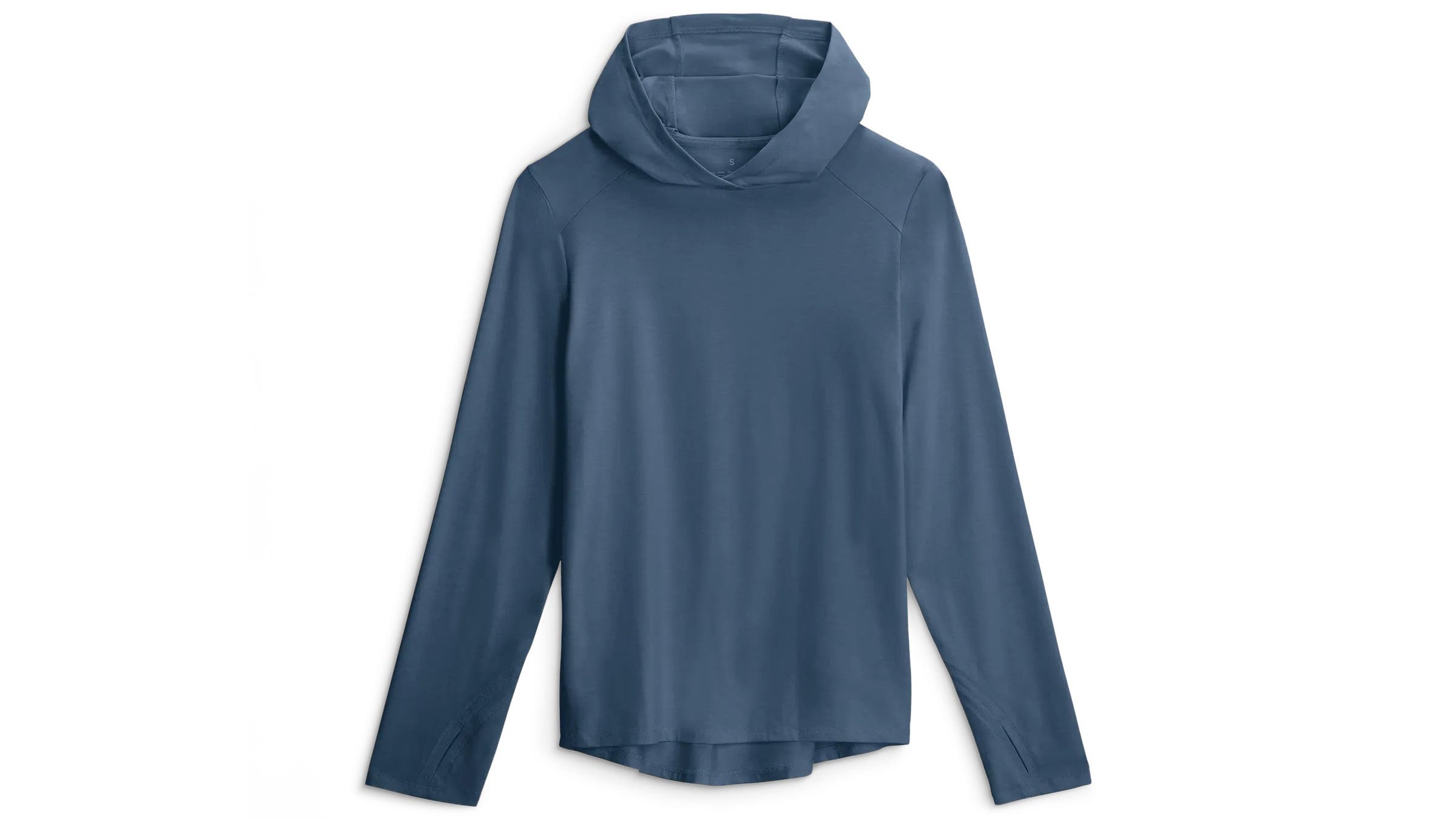
Protecting skin from intense ultraviolet radiation at high elevations without overheating is a delicate balancing act. The Free Fly Shade Hoodie II Sun Shirt ($78) addresses this by utilizing an upgraded proprietary blend of bamboo fibers and polyester. This technical fabric achieves superior durability and pill-resistance compared to earlier generations while preserving the trademark softness of bamboo-derived textiles. Its relaxed, non-clingy cut provides comprehensive coverage without restricting movement.
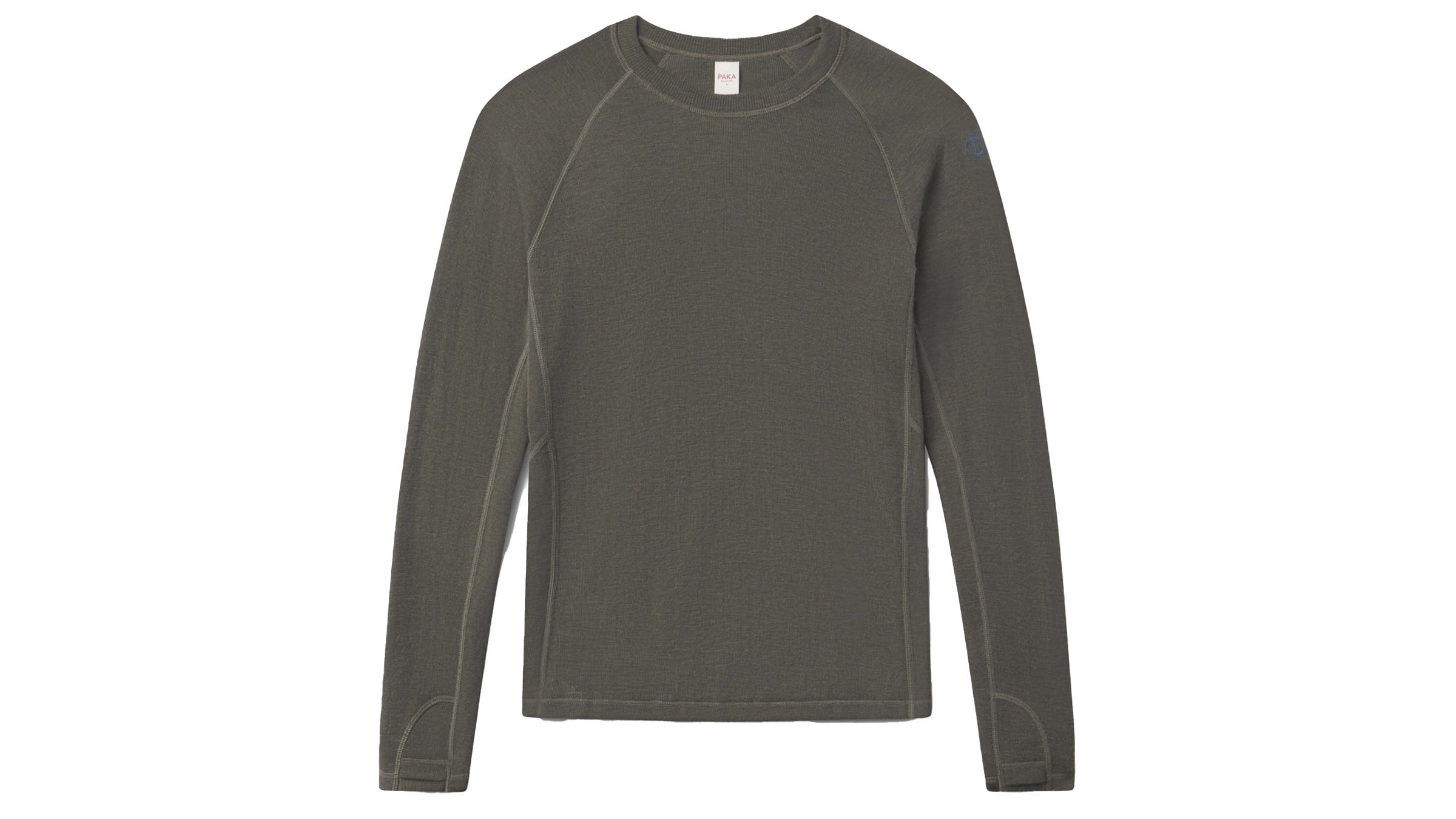
For colder conditions or multi-day excursions where laundering opportunities are nonexistent, the Paka Thermal Base Layer Top ($149) offers an advanced biological solution. Combining merino wool with luxury alpaca fibers, this garment delivers exceptional thermal regulation and natural odor resistance, allowing backpackers to wear the same shirt for days without accumulating offensive odors. Ergonomic shoulder articulation and flat-stitched seams prevent friction beneath heavy pack straps, making the garment versatile enough to transition from a hiking base layer to a sleeping shirt or a resort ski layer.
Emergency Communication and Power Management
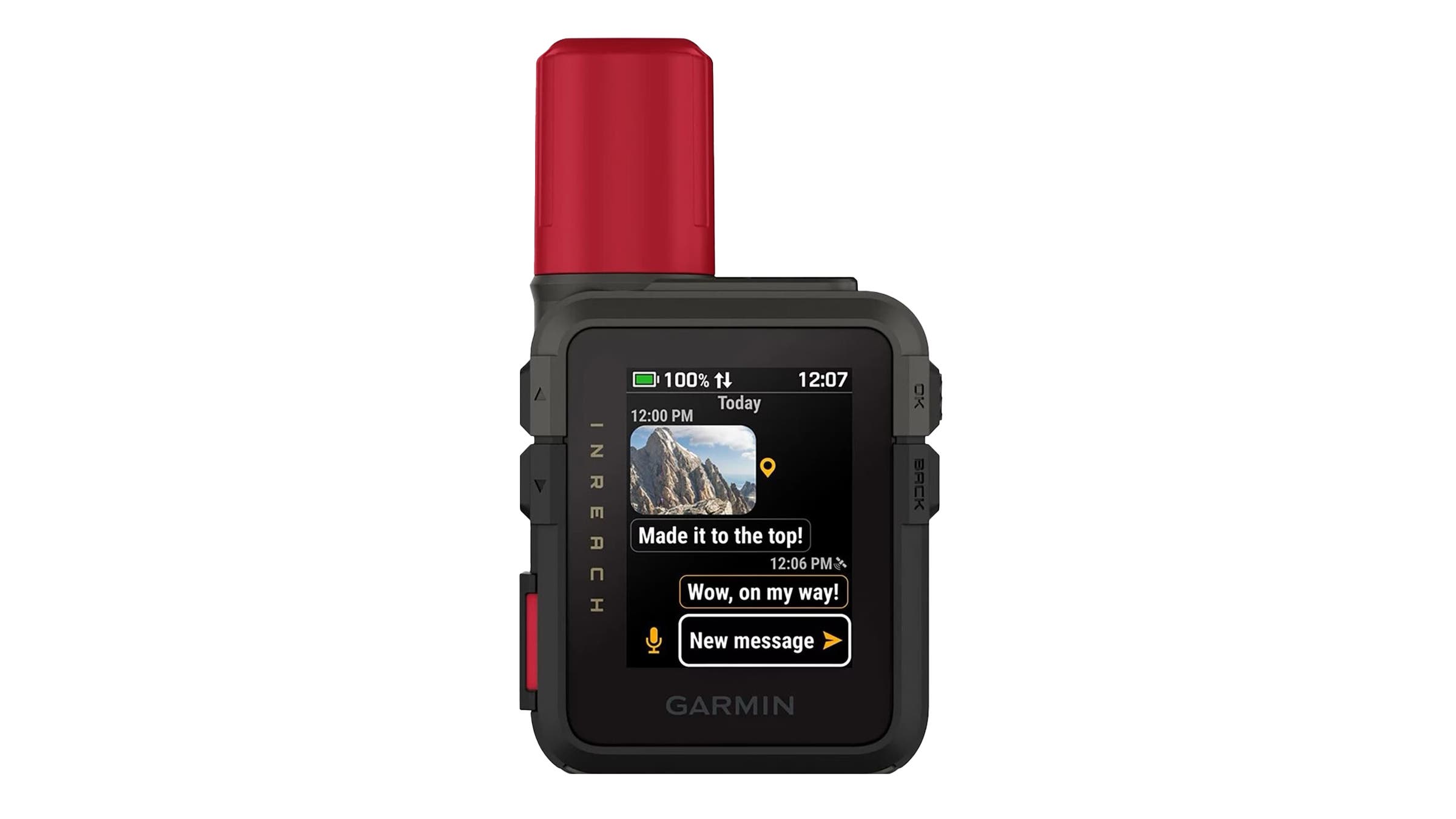
As wilderness recreation pushes further into remote terrain, technological reliance for safety and logistics has expanded. The Garmin inReach Mini 3 Plus ($500) represents the pinnacle of backcountry communication technology, providing traditional features such as global satellite messaging, interactive SOS emergency services, and real-time GPS tracking. The "Plus" iteration introduces modern capabilities including voice memo recording, image transmission, and expanded message storage capacity. Industry safety advocates emphasize that while the hardware investment is substantial, satellite communicators provide vital peace of mind for solo travelers and families alike.
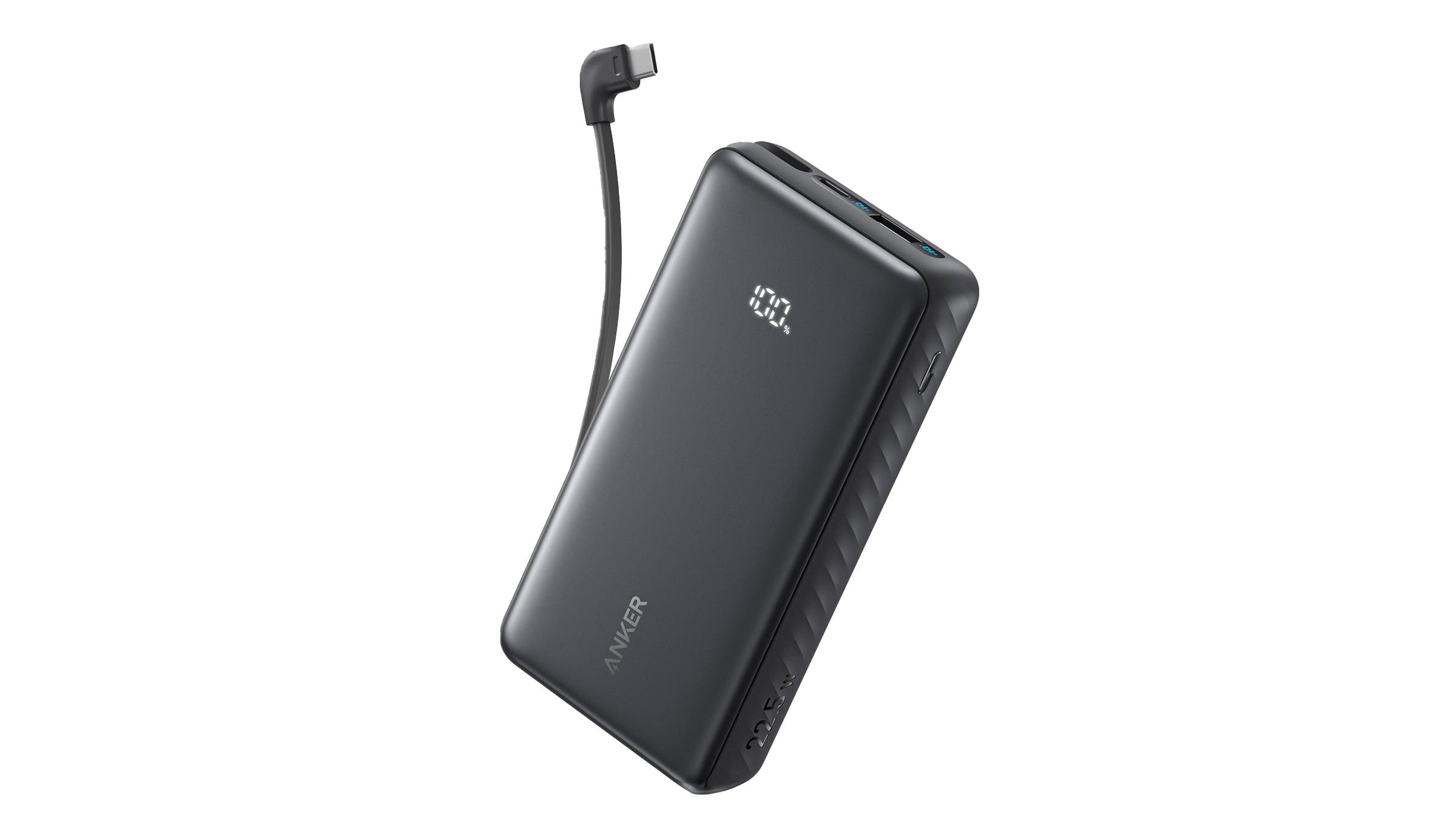
Concurrently, the proliferation of rechargeable headlamps, GPS units, and smartphones necessitates reliable off-grid power solutions. The Anker Zolo Power Bank 20,000 ($40) delivers high-capacity charging with an impressive weight-to-power ratio. Capable of recharging a standard smartphone approximately four times, the unit utilizes fast-charging protocols that restore 50 percent capacity in just over 30 minutes. For ultralight minimalists undertaking shorter routes between town resupplies, a smaller 10,000mAh variant weighing just over eight ounces is also available.
Finally, digital navigation has largely supplanted paper topographical maps for general trail use, though offline reliability remains essential. A Gaia GPS Premium Yearly Subscription ($60) provides users with comprehensive offline mapping tools, route planning capabilities, and GPX track recording interfaces optimized for wilderness navigation without cellular coverage.
Economic and Environmental Implications of Modern Outdoor Gifts
The aggregation of these specialized products underscores broader economic trends within the outdoor recreation sector. Consumers are increasingly willing to invest in premium, multi-use items that reduce overall environmental footprints through enhanced durability and ethical supply chain practices. Brands that incorporate recycled materials, localized labor, and charitable giveback models are gaining market share against traditional fast-fashion outdoor manufacturers.
Ultimately, selecting a gift for a backcountry enthusiast involves understanding that gear is deeply personal. By focusing on field-tested reliability, weight-saving innovations, and safety enhancements, holiday shoppers can provide equipment that not only enriches the outdoor experience but protects the adventurer who relies upon it miles from civilization.