







The release of the La Sportiva TX1 on November 19, 2026, marks a significant evolution in the company’s approach shoe lineup. Designed to succeed the long-standing and cult-favorite TX2, the TX1 enters a competitive market segment where the intersection of weight, durability, and friction performance is critical. With an MSRP of $159, the shoe positions itself as a premium yet accessible option for climbers who prioritize technical precision on rock over aggressive lug-heavy traction on mud or loose scree.
The Evolution of the La Sportiva Approach Series
La Sportiva has spent the last decade refining the concept of the "approach shoe," moving away from heavy, boot-like structures toward lightweight, climbing-focused footwear. The original TX2 was widely regarded as the gold standard for long alpine multi-pitch routes due to its ability to be compressed and clipped to a harness.
The TX1 retains this lineage but introduces structural updates aimed at modernizing the user experience. By transitioning to a TPU-coated polyester upper, the manufacturers have prioritized abrasion resistance without sacrificing the breathability necessary for high-output approaches in the Sierras or the French Alps. This shift reflects a broader industry trend where materials science is increasingly leveraged to reduce weight while simultaneously extending the lifecycle of technical outdoor gear.
Technical Specifications and Performance Metrics
The core performance of the TX1 is anchored by the Vibram MegaGrip outsole. This compound has become the industry benchmark for rubber adhesion on granite and limestone. However, the implementation in the TX1 features shallow dot lugs, which dictates its ideal operating environment.
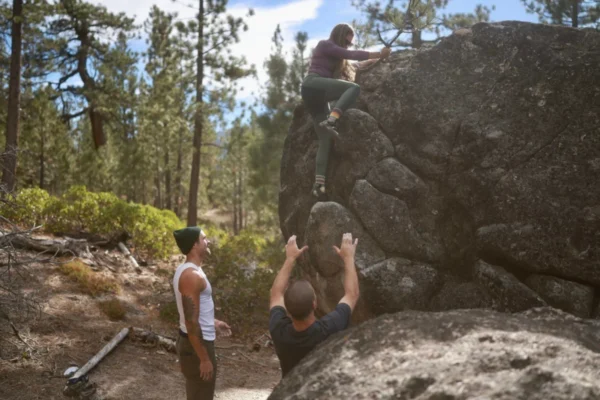
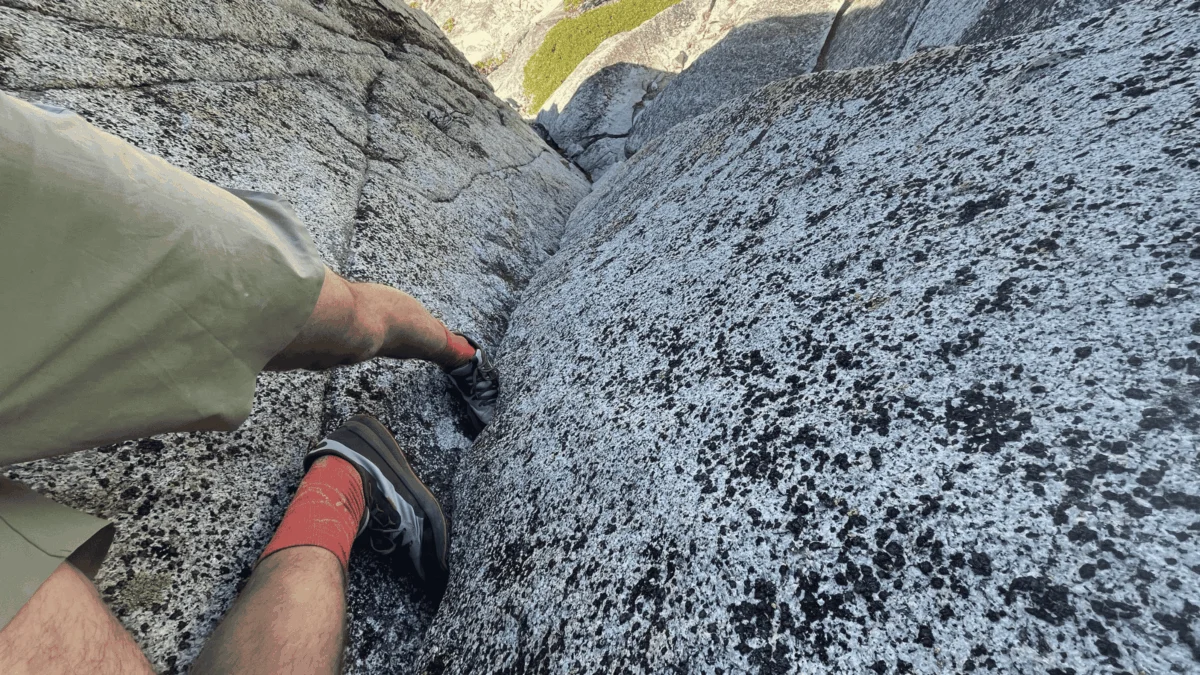
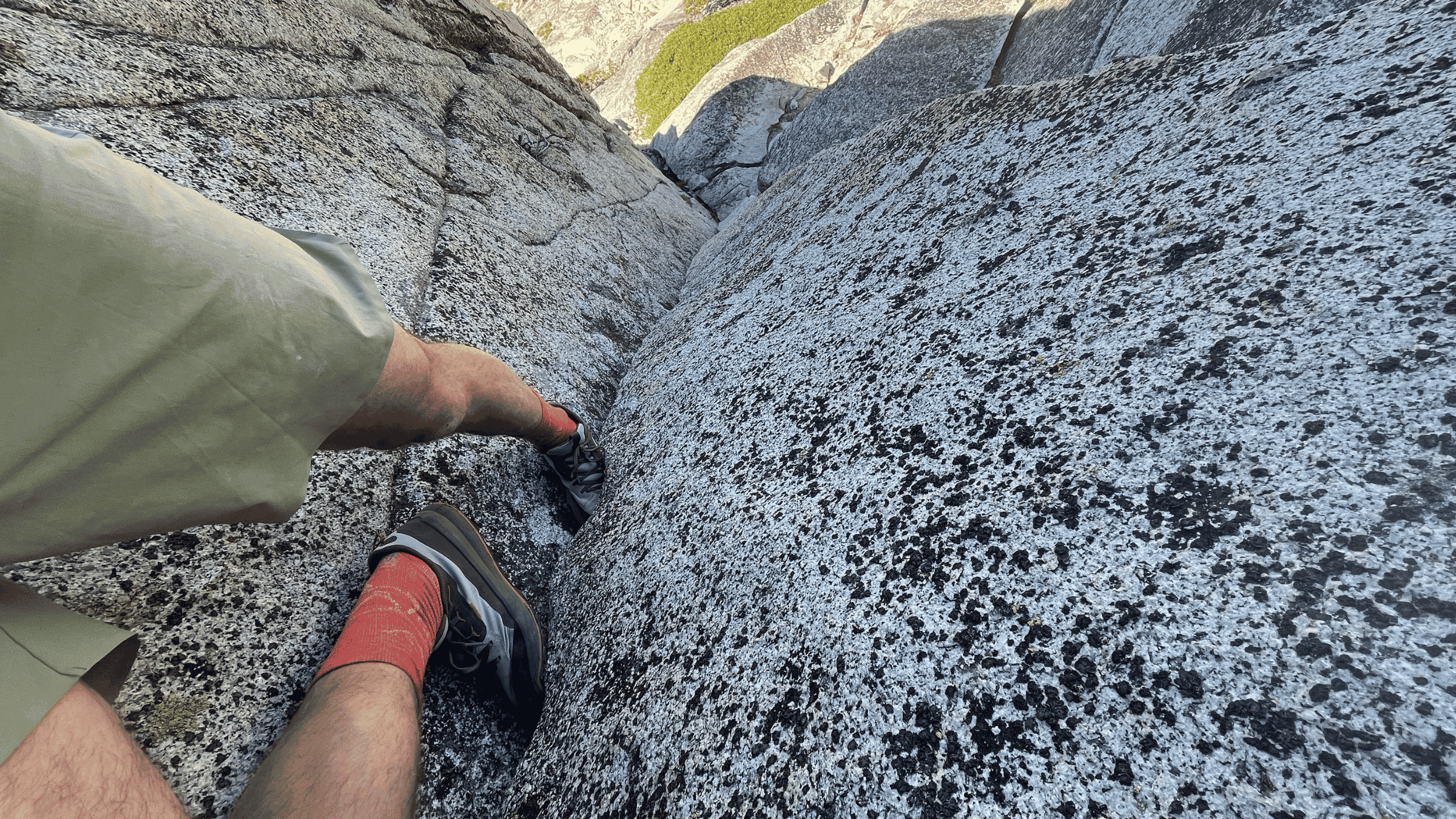
During field testing on the Eagle Lake Buttress Traverse (5.0), the shoe demonstrated superior performance on slabby, friction-dependent terrain. The lack of aggressive, deep-tread lugs allows for greater surface area contact between the rubber and the rock, translating to increased confidence on low-angle, polished surfaces.
Data Summary for the La Sportiva TX1:
- MSRP: $159.00
- Upper Material: TPU-coated polyester for enhanced abrasion resistance
- Outsole: Vibram MegaGrip with shallow dot-lug configuration
- Insole: 4mm Ortholite Hybrid (removable/replaceable)
- Intended Use: Technical approaches, fifth-class scrambling, and multi-pitch transitions
While the shoe excels in dry, technical environments, its performance metrics indicate limitations in muddy or wet conditions. The shallow lug depth—while providing a "high-value" smear—fails to provide the mechanical interlocking required for deep mud or steep, loose trail descents. This design choice confirms the TX1 is optimized for the "fair-weather climber," a demographic that characterizes a significant portion of the modern rock climbing community.
Ergonomics and Fit Analysis
Fit remains the most subjective, yet critical, element of footwear design. The TX1 features an Air Mesh lining and an Ortholite Hybrid insole, contributing to an "out-of-the-box" comfort level that typically requires a break-in period in more rigid models.
An analysis of user fit profiles reveals a divergence based on foot volume. The TX1 is constructed on a last that is slightly wider than its predecessor, the TX2. For users with narrow-to-average foot volumes, the wider toe box is reported to facilitate natural toe splay, which reduces fatigue during extended approaches. Conversely, testers with high-volume, wide feet reported that the lack of additional width options led to discomfort after approximately 60 minutes of sustained use. This suggests that while the shoe is a versatile performer, its specific anatomical profile may necessitate a thorough fitting process for those with non-standard foot dimensions.
Chronology of Development and Market Introduction
The transition from the TX2 to the TX1 did not happen overnight. La Sportiva’s design team began the pivot in early 2024, focusing on addressing the durability concerns common to lightweight knit-upper shoes. The project underwent three distinct phases:
- Phase I (Q1 2024 – Q3 2024): Prototyping focused on material resilience, testing the TPU-coated polyester blend against granite abrasion.
- Phase II (Q4 2024 – Q2 2026): Field testing conducted across diverse climates, including high-altitude granite in the United States and limestone crags in the Chamonix valley.
- Phase III (Q3 2026): Production refinement and retail distribution strategies, leading to the official November 19, 2026, launch date.
Broader Industry Implications
The introduction of the TX1 highlights a shift in consumer demand within the climbing market. There is a growing preference for "quiver-of-one" gear—items that can transition seamlessly from a vehicle to the base of a route and, eventually, to the descent.
By pricing the TX1 at $159, La Sportiva is strategically navigating the middle ground between budget-tier approach shoes and high-end, specialized technical footwear. The durability of the upper, as noted in initial long-term testing, suggests that the product is intended to serve as a long-term investment for the serious climber. However, the limitation regarding mud and hand-jamming performance indicates that the company is comfortable with the TX1 being a specialized tool rather than a "do-it-all" mountain boot.
The Role of Rand Design in Approach Shoes
A notable critique of the TX1, echoed by testers on more technical, crack-heavy terrain, is the height of the rand. The rubber rand, which wraps around the lower perimeter of the shoe to protect the upper from rock contact, is intentionally low-profile to save weight. While this benefits the shoe’s performance on slabs, it presents a liability when climbing hand-sized cracks. In these instances, the unprotected polyester upper is prone to abrasion against the rock walls.
For the average climber, this is a negligible trade-off. For the alpine climber, however, it serves as a reminder that the TX1 is designed for the approach, not for the climb itself. The shoe effectively bridges the gap between a hiking shoe and a climbing shoe, but it remains distinct from the specialized "climbing-approach" hybrids that feature higher rands and stiffer soles for actual vertical movement.
Final Assessment of Value
When evaluating the "high value" of a technical piece of gear, three metrics are paramount: price, versatility, and durability. The TX1 scores high on price and durability, with the TPU-coated polyester showing no premature signs of failure after dozens of pitches. Its versatility is high for technical slab and dry rock, though it is limited by its specialized tread and rand design.
As of November 2026, the TX1 represents a calculated refinement of an existing formula. It is a shoe for the climber who values precision and lightweight construction above all else. While it may not satisfy those who frequently encounter muddy trails or who demand high-level crack climbing performance from their footwear, it provides a stable, comfortable, and durable platform for the vast majority of rock climbing approaches.
The successful integration of the Vibram MegaGrip with a redesigned, more resilient upper ensures that La Sportiva maintains its competitive edge. As the market continues to evolve, the TX1 stands as a testament to the company’s ability to listen to user feedback while maintaining a clear vision for the technical requirements of the modern climber. Future iterations may benefit from a wider variety of lasts or a more robust rand, but as a debut model, the TX1 successfully secures its place in the rotation of the dedicated mountaineer and sport climber alike.