











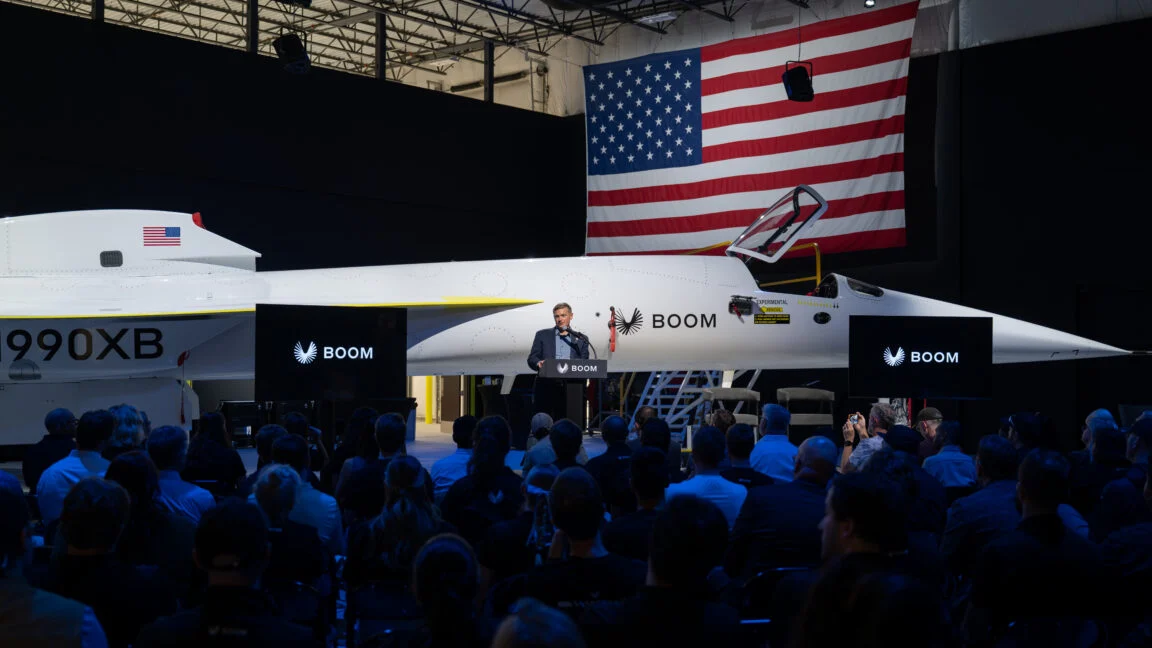
The ambition to restore the era of commercial supersonic flight is meeting the harsh realities of aerospace engineering and capital-intensive infrastructure development. Boom Supersonic, the Colorado-based aerospace firm, is currently navigating a period of significant corporate transition that has cast doubt on its most prominent timelines. As the company attempts to balance the long-term goal of launching its Overture supersonic airliner with a more immediate pivot toward manufacturing natural gas turbines for AI-driven data centers, both projects are facing intensified scrutiny from investors, industry partners, and government stakeholders.
A Shifting Timeline for Supersonic Travel
The most significant indicator of the challenges facing the Overture program comes from one of its most important early partners. United Airlines CEO Scott Kirby, during an October 28, 2026, appearance on the podcast Office Hours: Business Edition, provided a candid assessment of the project’s trajectory. While Boom has long maintained an official target of 2029 for the delivery of its first commercial supersonic airliner, Kirby stated plainly, "It’s not going to happen in ’29—it’s going to take longer."
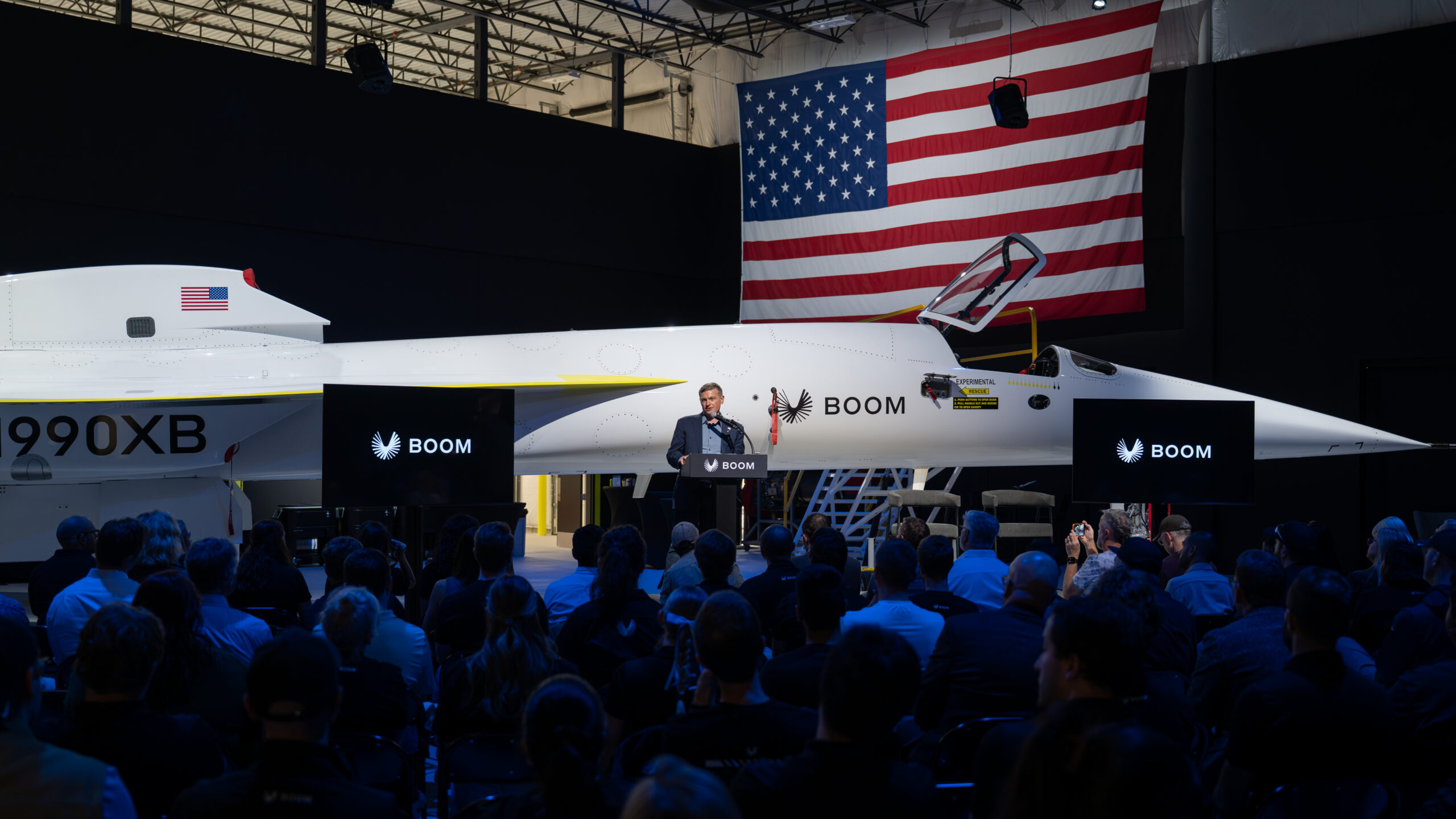
This skepticism is not new; it represents a hardening of a position Kirby first voiced in March 2026, when he estimated the likelihood of the Overture reaching commercial service at approximately 50-50. Kirby’s comments underscore the formidable technical and regulatory hurdles that remain. For a supersonic aircraft to enter service, it must pass rigorous Federal Aviation Administration (FAA) certification processes, a multi-year endeavor that includes extensive flight testing, safety demonstrations, and the finalization of the propulsion system.
Boom’s roadmap has relied on the successful flight testing of its XB-1 demonstrator, which successfully completed supersonic test flights in 2024 and 2025. The company’s "boomless cruise" concept, which seeks to use the Mach cutoff phenomenon—a technique where aircraft fly at specific altitudes and speeds to refract shockwaves upward—is a central pillar of its argument for overcoming the historical noise complaints that led to the original ban on supersonic flight over land. While the Trump administration provided a significant boost to these efforts in June 2026 through an executive order and subsequent FAA rule changes designed to permit commercial supersonic flights over the United States, the political support does not accelerate the underlying physics or the necessary engineering maturation.
The North Carolina Facility and Taxpayer Oversight
The physical infrastructure intended to support this ambition has become a focal point of public debate. In 2024, Boom celebrated the completion of a massive manufacturing facility at the Piedmont Triad International Airport in Greensboro, North Carolina. The plant was designed to serve as the primary production hub for the Overture. However, the facility has seen limited activity since its inauguration, leading to mounting pressure from North Carolina state legislators and taxpayers who contributed more than $50 million in incentives toward the project.
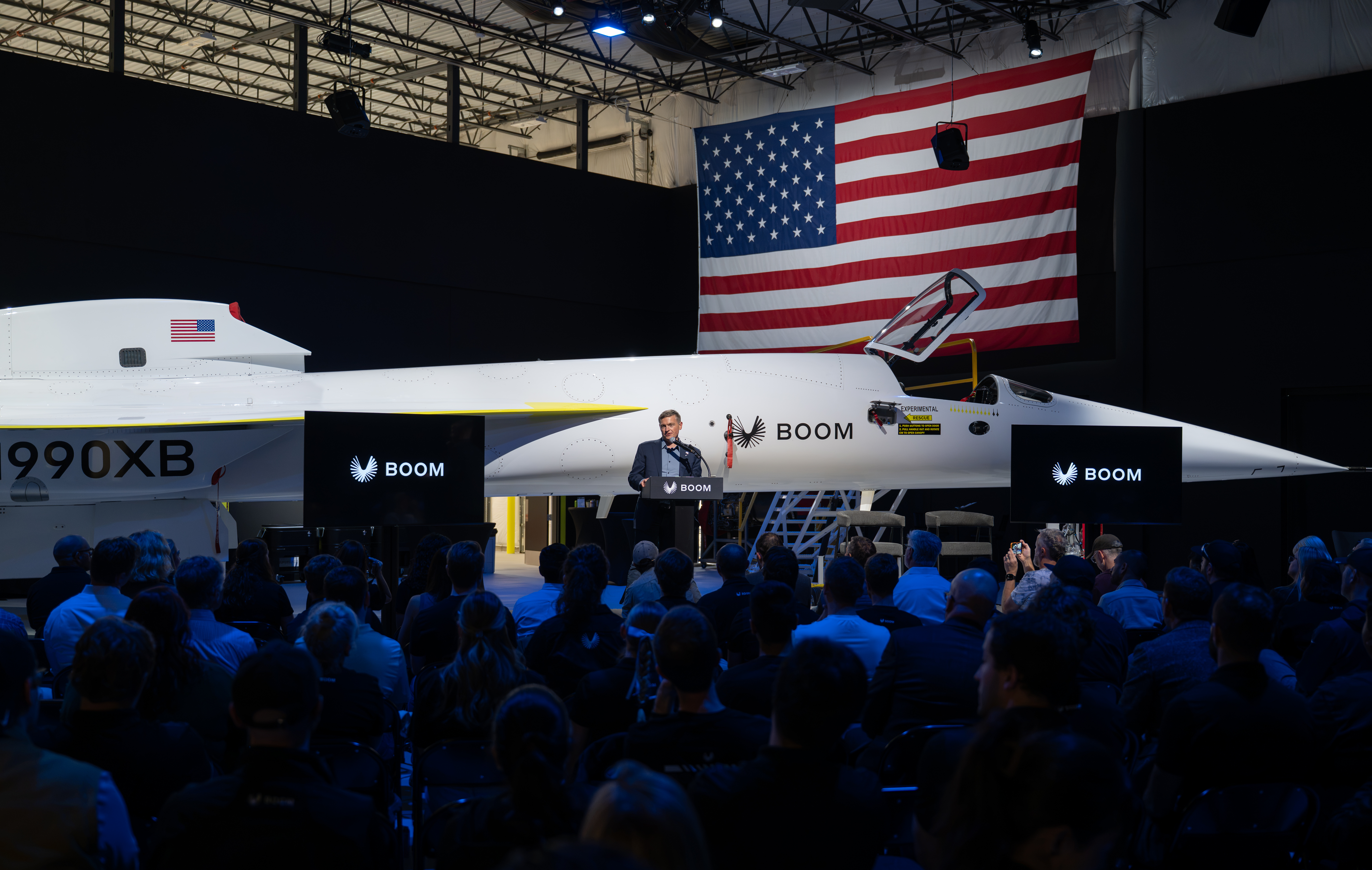
The dormant nature of the site has prompted local officials to demand more transparency regarding the company’s manufacturing schedule. For a project of this magnitude, the gap between the completion of a physical structure and the commencement of full-scale assembly line operations highlights the volatility of private-sector aerospace manufacturing, where development cycles can stretch for over a decade.
Diversification into the Energy Sector
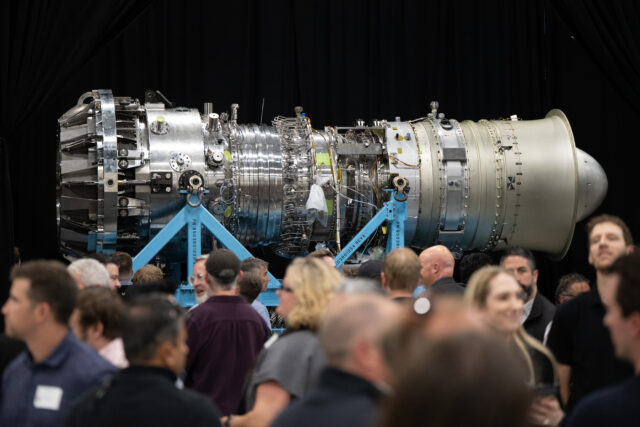
In an effort to generate revenue and build technical synergy, Boom Supersonic has recently pivoted toward the high-growth sector of AI infrastructure. On October 22, 2026, the company unveiled a new facility in Centennial, Colorado, aimed at producing the "Superpower," a 42-megawatt natural gas turbine specifically engineered for the high-power-density requirements of modern AI data centers.
The logic behind this diversification is rooted in the "Sprint Core," a prototype turbine core that Boom claims will eventually serve as the foundation for both its data center turbines and the Symphony engine intended to power the Overture. By creating a shared technological platform, Boom hopes to iterate on the core design across two different markets, theoretically reducing the development risk and cost for both.
However, this strategy has already hit a notable setback. On September 25, 2026, Boom confirmed the loss of a major deal with Crusoe, a prominent data center developer. The agreement, valued at approximately $1.25 billion, would have seen Crusoe purchase 29 of the Superpower turbines. The cancellation of such a significant contract serves as a warning of the volatility in the energy sector, where developers are currently scrambling to find power sources for AI clusters, often opting for "mobile" power solutions—such as aeroderivative turbines repurposed from aviation and maritime applications—over long-term procurement of nascent, unproven hardware.
The Broader Landscape of Supersonic Flight
Boom’s challenges exist within a competitive environment where other institutions are pursuing different approaches to high-speed aviation. Since October 2025, NASA has been conducting flight tests with the X-59 "Quiet SuperSonic Technology" (QueSST) aircraft. Unlike Boom’s Mach cutoff approach, the X-59 utilizes a unique airframe geometry, characterized by an exceptionally long, needle-like nose, to physically shape and reduce the intensity of the sonic boom reaching the ground.
While Boom and NASA are not in direct competition, the success or failure of the X-59 program will set the regulatory and public-acceptance tone for all future supersonic travel. If the X-59 proves that low-boom flight is achievable through structural design, it may solidify the pathway for commercial operators. If, conversely, the public or regulators remain resistant to the concept of supersonic flight over populated areas, the business case for the Overture becomes significantly more difficult to sustain.

Analyzing the Future Outlook
The current situation presents a complex picture for the aerospace sector. Boom’s leadership, including CEO Blake Scholl, continues to advocate for a "renaissance in energy and in supersonic flight." The company plans to conduct its first firing of the Sprint Core turbine before the end of November 2026, a milestone that will provide critical data on the viability of its core engine technology.
However, the implications of the current delays are multifaceted:
- Capital Intensity: Aerospace ventures are notoriously capital-heavy. Any delay in the Overture timeline directly increases the "burn rate" of cash, requiring the company to secure additional rounds of private equity or debt financing in an increasingly cautious market.
- Technological Synergy Risks: While the "Sprint Core" strategy offers theoretical economies of scale, it also creates a single point of failure. Should the core design encounter unforeseen thermodynamic or material fatigue issues, both the airliner program and the data center power division will suffer simultaneously.
- Market Credibility: The skepticism voiced by a primary customer like United Airlines is difficult to overcome. Airlines base their long-term fleet planning on rigorous schedules. If they begin to doubt the viability of a new aircraft, they may shift their focus to upgrading existing subsonic fleets or exploring alternative technologies, such as hydrogen-powered or high-efficiency long-range aircraft.
- Regulatory Dependency: The shift in US policy toward more favorable supersonic regulations is a major win for the industry, but it remains susceptible to changes in political administrations and shifting public sentiment regarding the environmental impact of high-speed flight.
As 2026 draws to a close, Boom Supersonic finds itself at a critical juncture. The next 18 to 24 months will likely determine whether the company can transform from a designer of ambitious prototypes into a manufacturer of reliable, high-performance machinery. The outcome will depend not only on the successful ignition of the Sprint Core but also on the company’s ability to retain the confidence of its airline partners and demonstrate that its data center power solutions can survive in a competitive and rapidly changing energy market. For now, the dream of supersonic air travel remains in the flight-test phase, waiting for the gap between ambitious press releases and industrial reality to close.