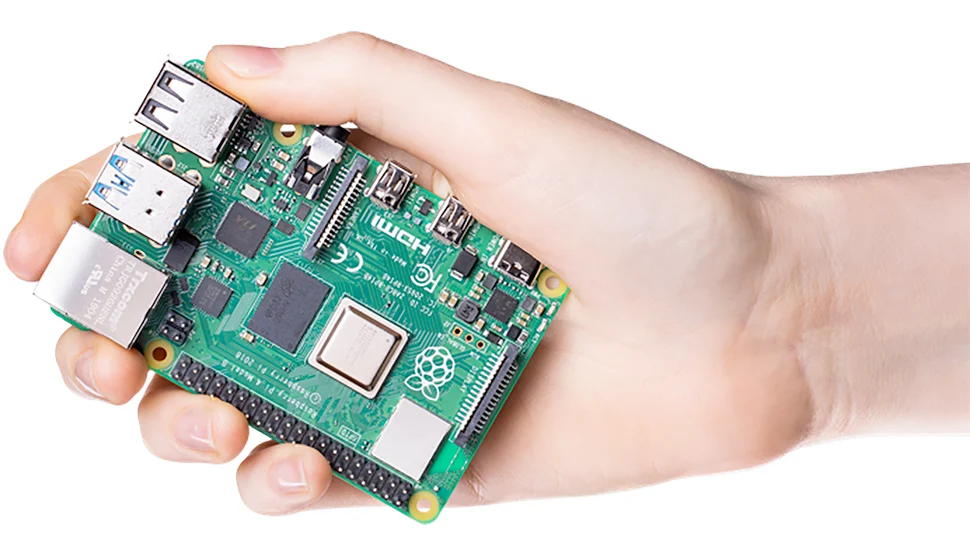
For over two years, the Raspberry Pi Foundation has quietly enforced strict hardware restrictions designed to lock its newest boards to the exact memory capacity they left the factory with. This policy, implemented to deter scalpers, bootleggers, and unauthorized modifications during volatile component markets, has recently come to light following official confirmation from a senior company engineer. Amid an ongoing global memory shortage that has driven up the cost of high-capacity RAM configurations, the decision to restrict physical hardware upgrades has ignited widespread discussion within the maker and repair communities.
The confirmation arrived via the official Raspberry Pi forums, where Phil Elwell, the company’s senior principal software engineer, delivered a blunt assessment to technicians attempting unauthorized hardware alterations. Addressing a user who tried to upgrade a Compute Module 5 from 2GB to 4GB of RAM using both spare components and salvaged donor chips, Elwell stated that trying to modify the memory capacity is a futile endeavor. Despite adjusting board resistors to signal the new memory size and experimenting with alternative firmware, the system consistently recognized only the originally manufactured 2GB limit.
Background Context and the Evolution of the RAM Lockdown Policy
The origins of this stringent hardware lockdown trace back to strategic manufacturing and supply chain decisions made before the recent escalation in global memory pricing. Historically, the Raspberry Pi ecosystem has thrived on an ethos of open-source tinkering, hardware customization, and user modification. However, as the semiconductor landscape faced severe disruptions, the pricing and availability of on-board RAM modules fluctuated dramatically.
To navigate these market instabilities, the Raspberry Pi Foundation structured its product pricing tiers closely around the cost of raw materials, particularly RAM. By purchasing memory competitively in bulk, the foundation aims to pass savings directly to consumers. However, this tiered pricing structure created a financial incentive for unauthorized modifications. Users or third-party actors could theoretically purchase the lowest-cost, low-memory variants of a board and manually solder on higher-capacity RAM chips, bypassing the higher retail costs associated with factory-equipped high-memory models.
Furthermore, the foundation faced logistical concerns regarding customer support and product integrity. Unofficial memory modifications frequently result in system instability, erratic behavior, and outright hardware failure due to untested thermal thresholds and incompatible signal timings. By locking down memory capacities, Raspberry Pi sought to insulate its support channels from a potential influx of complaints and warranty claims originating from botched third-party upgrades or deceptive secondary-market sales involving fraudulently modified boards.
Chronology of the Firmware Enforcement
The mechanism enforcing this limitation was introduced incrementally through official software channels without explicit public fanfare.
- September 25, 2024: The Raspberry Pi Foundation published the 2024-09-23 bootloader update on GitHub. The release notes contained a brief, understated entry: "Minor updates to align with manufacturer test." At the time, this update quietly integrated the memory verification checks that tied boards permanently to their factory-installed RAM capacities.
- Late 2024 through 2025: As technicians began adopting newer Compute Module and standard board revisions, reports of failed RAM upgrades began trickling into community forums and independent hardware analysis channels.
- Mid-2026: Prominent tech creators, such as hardware YouTuber Jeff Geerling, brought widespread public attention to the lockdown by demonstrating the technical roadblocks involved. Shortly thereafter, Phil Elwell provided the definitive corporate confirmation on the official forums, validating that the firmware restrictions were intentional and permanent.
Workarounds and Technical Criticisms
The discovery of the lockdown has prompted technical analysis from prominent figures in the developer community. Hardware enthusiasts exploring the issue have identified a temporary workaround: flashing an older firmware version, specifically the v2024.09.10-2712 bootloader released prior to the implementation of the memory verification check.
While reverting to older firmware allows physical RAM modifications to function temporarily, the trade-off is considered severe by industry standards. Operating on legacy firmware cuts the device off from subsequent performance enhancements, critical bug fixes, and vital security patches. Security researchers note that operating unpatched embedded systems poses significant operational risks, particularly for commercial deployments and Internet of Things (IoT) devices exposed to network vulnerabilities.
Critics of the policy, including several veteran hardware developers, argue that the implementation could have been managed with greater transparency. Rather than deploying a silent firmware check that went formally unacknowledged for nearly two years, some suggest the foundation could have utilized a transparent methodology similar to modern consumer electronics. For instance, implementing an electronic fuse (e-fuse) system that permanently marks a one-time status bit upon detecting a third-party memory module would provide clear warranty governance without completely restricting experimentation or surprising repair technicians.
Broader Industry Implications for Repairability and Tinkering
The Raspberry Pi lockdown reflects a broader, highly debated trend across the consumer electronics and computing industries regarding the right to repair and hardware modularity. For over a decade, the Raspberry Pi brand built its reputation on empowering hobbyists, educators, and industrial developers to deeply understand, modify, and build upon accessible hardware platforms.
As the platform matured and transitioned into widespread commercial and industrial deployments—where reliability, supply chain predictability, and security take precedence over casual tinkering—the corporate priorities of the Raspberry Pi Foundation naturally shifted. Ensuring predictable hardware validation helps enterprise customers deploy thousands of units with guaranteed specifications. However, this corporate maturation places the foundation at odds with its traditional hobbyist base, who view artificial hardware restrictions as contrary to the foundational spirit of single-board computing.
Economic factors further complicate the landscape. With replacement units and higher-tier SKUs commanding higher price points during memory crunches, the temptation for users to seek alternative upgrade pathways remains high. The inability to perform same-part repairs or localized memory swaps—even when replacing identical components due to accidental damage—introduces additional electronic waste, forcing users to discard otherwise functional motherboards over isolated component failures.
Looking Ahead
As the electronics industry continues to navigate fluctuating semiconductor markets, the stance taken by Raspberry Pi highlights the difficult balancing act modern hardware manufacturers face. Companies must weigh the economic necessity of protecting their supply chains and product tiers against the cultural expectations of an enthusiastic community dedicated to open hardware modification.
While the official position from Raspberry Pi remains resolute—signaling that memory upgrades on locked boards will continue to be blocked—the ongoing discourse underscores a permanent evolution in how accessible computing hardware is designed, governed, and supported in an increasingly commercialized market.