
The climbing industry, which has seen a meteoric rise in participation globally over the last decade, is currently grappling with a significant secondary environmental challenge: the disposal of specialized high-performance gear. As safety standards set by the International Climbing and Mountaineering Federation (UIAA) and the European Committee for Standardization (CEN) dictate strict retirement intervals for critical life-safety equipment, an estimated several tons of nylon webbing, aluminum alloy carabiners, and steel ice tools reach the end of their functional lifecycles every year. While many manufacturers have initiated recycling programs, a growing movement of climbers is opting for internal repurposing, transforming retired hardware into utilitarian household items. This trend reflects a broader sustainability shift within the outdoor community, prioritizing circular economy principles over immediate disposal.

The chronology of gear retirement is defined by both empirical degradation and manufacturer mandates. Soft goods, such as ropes and harnesses, typically possess a lifespan of five to ten years depending on frequency of use and exposure to ultraviolet (UV) radiation, chemical contaminants, and mechanical abrasion. Metal hardware, while more durable, faces retirement due to stress-corrosion cracking, deep gouges, or severe oxidation. As gear reaches these thresholds, it loses its certification for climbing safety, creating a dilemma for practitioners: dispose of the equipment in landfills or find secondary applications.
Technical Utility and Structural Adaptation
The most practical applications for retired climbing gear involve leveraging the high tensile strength of technical materials. Accessory cord, or cordelette, is engineered to withstand substantial loads, often rated for breaking strengths exceeding 10 to 15 kilonewtons. When repurposed for domestic interior design—such as suspending heavy fixtures like lighting or decorative art—these materials provide a safety margin far beyond that of standard hardware-store rope. Using a munter-mule hitch, a knot configuration commonly used in belaying and rescue operations, allows for adjustable tension and secure locking, making it an ideal method for anchoring items in residential loft spaces.

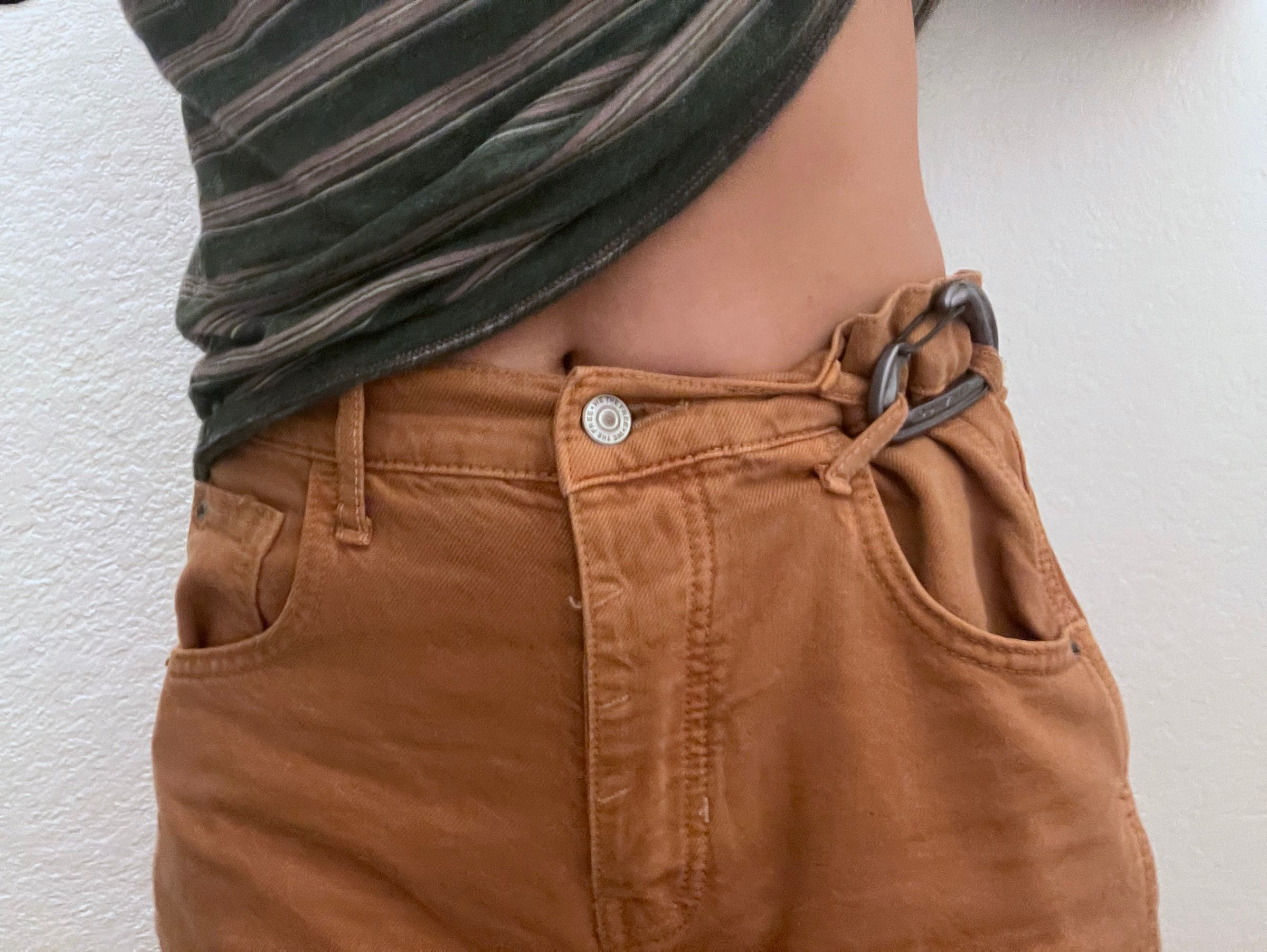
Similarly, 1-inch tubular nylon webbing, once a staple of traditional climbing anchors, serves as a high-durability replacement for standard laundry lines. Unlike conventional clothesline materials which succumb to environmental weathering, climbing webbing is treated for abrasion resistance and exhibits minimal creep, or long-term deformation, under tension. By utilizing carabiners—even those retired due to excessive gate wear—as tensioners, users create a modular system capable of supporting heavy loads in high-wind conditions, effectively outperforming consumer-grade home storage solutions.
Hardware Integration into Domestic Architecture
The transition of technical hardware into architectural features represents a more permanent form of upcycling. Retired ice axes, often retired due to the thinning of the pick or shaft fatigue, possess high-density steel alloys that are ideal for cabinet hardware. From an engineering perspective, these implements are designed for ergonomic grip and heavy impact; when repurposed as cabinet pulls, they provide a high-friction surface and structural rigidity.
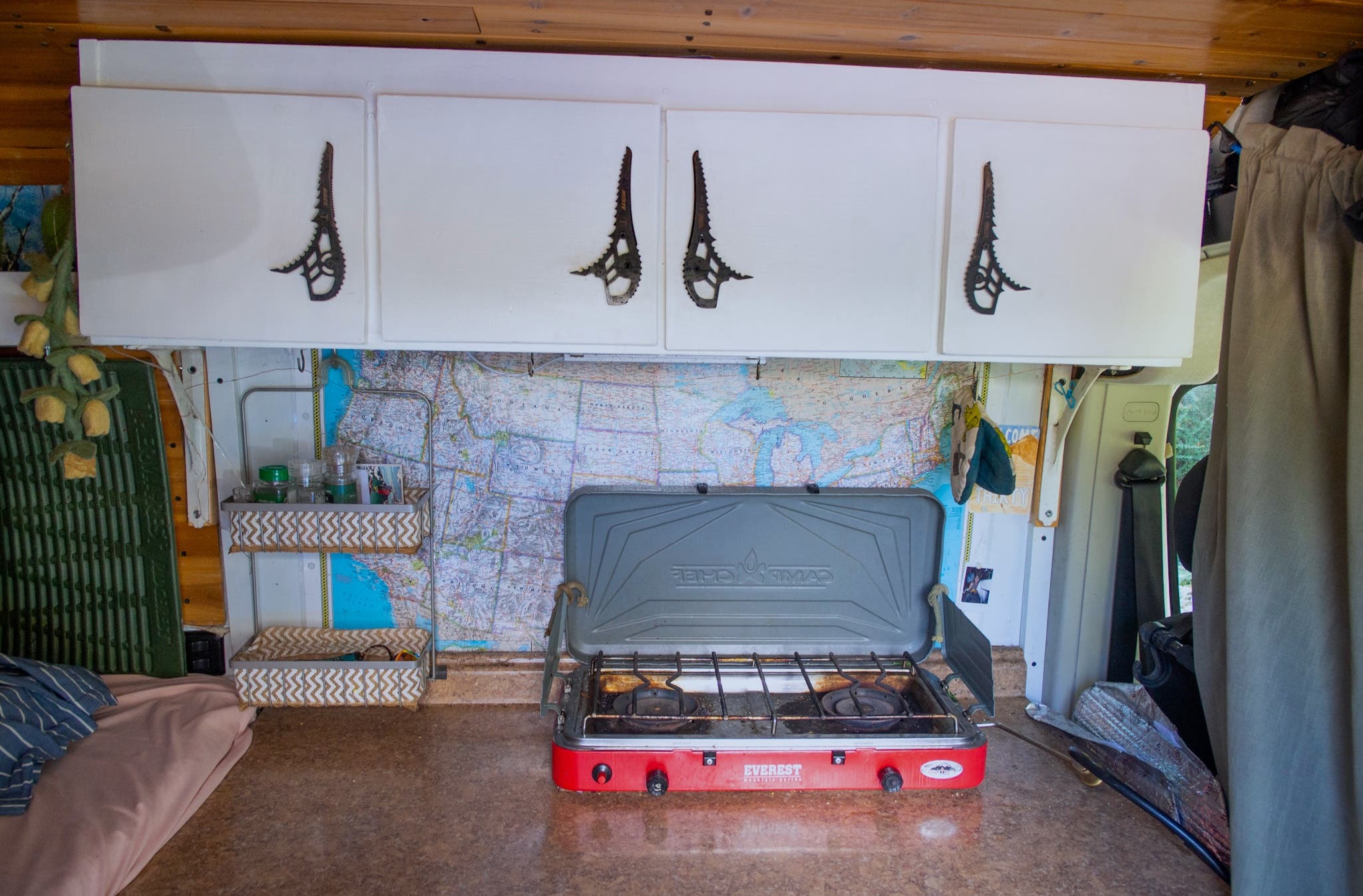
This practice, while aesthetic in nature, highlights the durability of mountaineering tools. Industry experts note that while these tools are no longer safe for technical ice climbing—where a structural failure could lead to catastrophic injury—they remain well within the safety parameters required for standard cabinetry usage. Similar applications are found in the use of mechanical cams, or spring-loaded camming devices (SLCDs), as organizers for vertical storage. While a compromised cam may no longer hold a fall in a granite crack, its trigger mechanism and lobes can effectively function as a wall-mounted hook or aperture for securing household tools or kitchen implements, maximizing vertical space in small-footprint living areas.
Addressing Climber-Specific Physiological Challenges
Beyond structural applications, the repurposing of climbing-related chemicals and specialized gear has migrated into unexpected sectors, including competitive dance and athletics. Climbing-specific products such as antihydral—a methenamine-based cream used to reduce excessive perspiration on the fingertips—have found utility in high-intensity activities where grip and skin friction are paramount. For dancers, the application of climbing-grade antiperspirants offers a functional solution to the issue of moisture accumulation, which can pose a slip hazard during intricate physical maneuvers.

This intersection of niche outdoor gear and mainstream athletics underscores the crossover potential of specialized performance products. Research into skin-friction management, originally conducted for elite boulderers to improve contact with high-angle rock, provides a factual basis for the efficacy of these products in broader, sweat-prone environments.
Environmental Implications and Industry Standards
The environmental impact of the climbing industry is a growing concern for organizations such as the Outdoor Industry Association (OIA). The proliferation of high-performance plastics and virgin aluminum production has a substantial carbon footprint. By extending the utility of gear through secondary use, the climbing community mitigates the immediate demand for new consumer goods.

Industry analysts suggest that the "11-hack" approach—a term coined by gear reviewers to describe the lifecycle extension of equipment—is a form of grassroots waste management. While these hacks are not substitutes for safety-critical systems, they represent a significant step toward a circular economy. A fact-based analysis of these practices indicates that while the "re-use" of gear does not replace systemic industrial recycling, it reduces the waste stream by preventing items from entering municipal landfills prematurely.
Broader Cultural Context
The desire for climbers to signal their identity through home decor—often referred to as "climber-forward" aesthetic—is a well-documented phenomenon. However, the pivot toward utilitarian upcycling suggests a maturation of this culture. Moving away from purely decorative items, such as hold-shaped mugs, toward functional, field-tested equipment repurposing, aligns with the traditional values of the mountaineering community: self-reliance, ingenuity, and a pragmatic approach to resources.
As the industry continues to evolve, the trend of repurposing retired gear is expected to receive further formalization. Some manufacturers are already exploring "take-back" programs where worn hardware is inspected and repurposed into standardized modular components for community infrastructure. Until such programs are universal, the individual climber’s commitment to repurposing remains the primary mechanism for extending the lifecycle of technical hardware.
Summary of Findings
The integration of climbing gear into the home environment serves three primary functions: waste reduction, utilitarian optimization, and cultural expression.
- Material Strength: Repurposed nylon and steel components offer superior performance compared to standard consumer alternatives.
- Economic Efficiency: Utilizing retired gear provides a cost-effective solution for household storage and organization.
- Sustainability: Extending the lifespan of climbing equipment minimizes the ecological impact associated with manufacturing high-grade aluminum and nylon products.
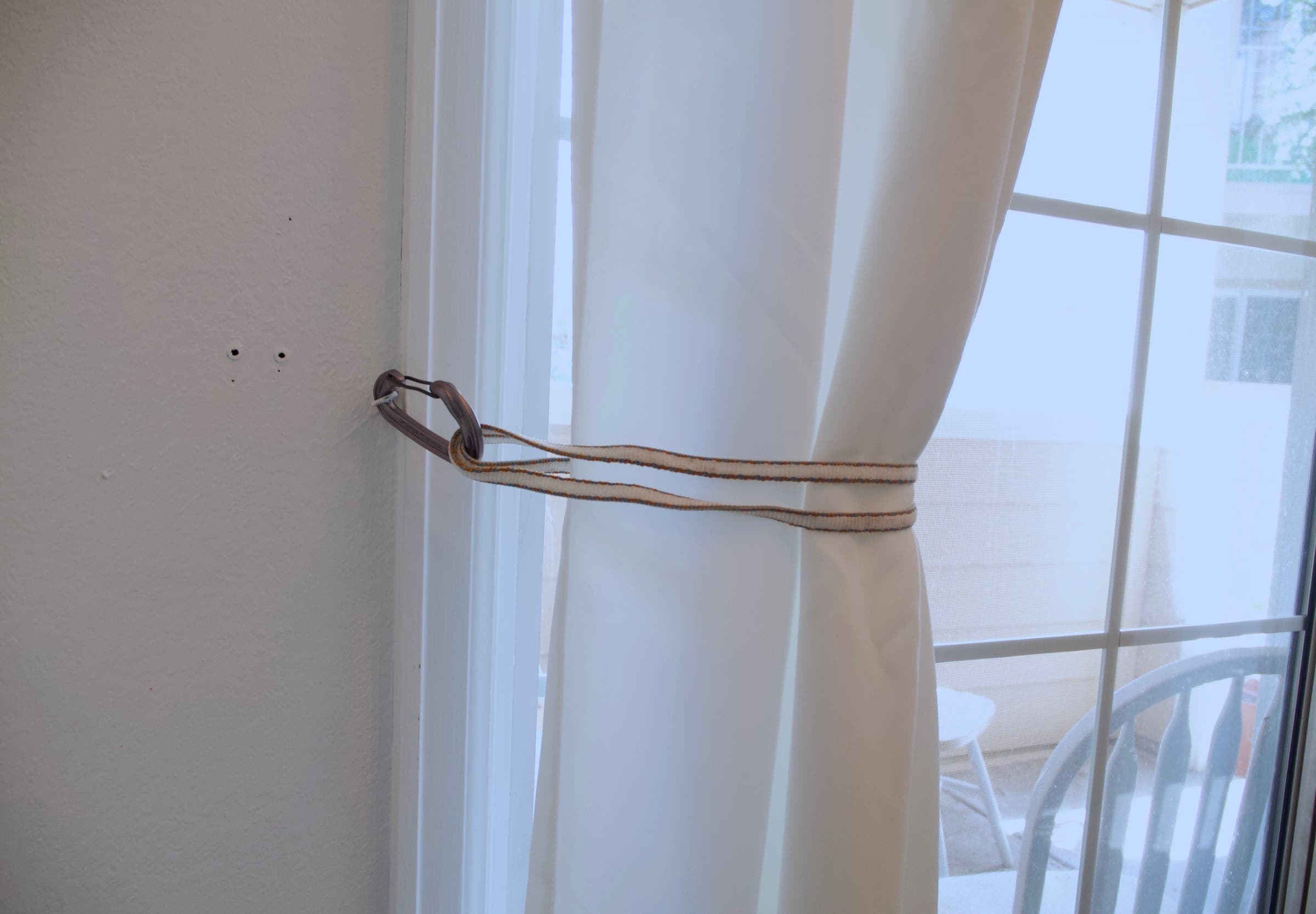
As climbing continues to gain mainstream popularity, the industry must balance the necessity of strict retirement protocols with the growing imperative for sustainable waste management. The adoption of these 11 practices, ranging from the use of carabiners as laundry tensioners to the transformation of ice axes into cabinet hardware, offers a blueprint for how technical equipment can serve a secondary purpose long after its initial certification expires. While these applications require a basic understanding of material limits and installation safety, they provide a proven, evidence-based method for reducing the environmental footprint of the modern climber, ensuring that even after the gear is retired from the crag, it retains a place in the home.