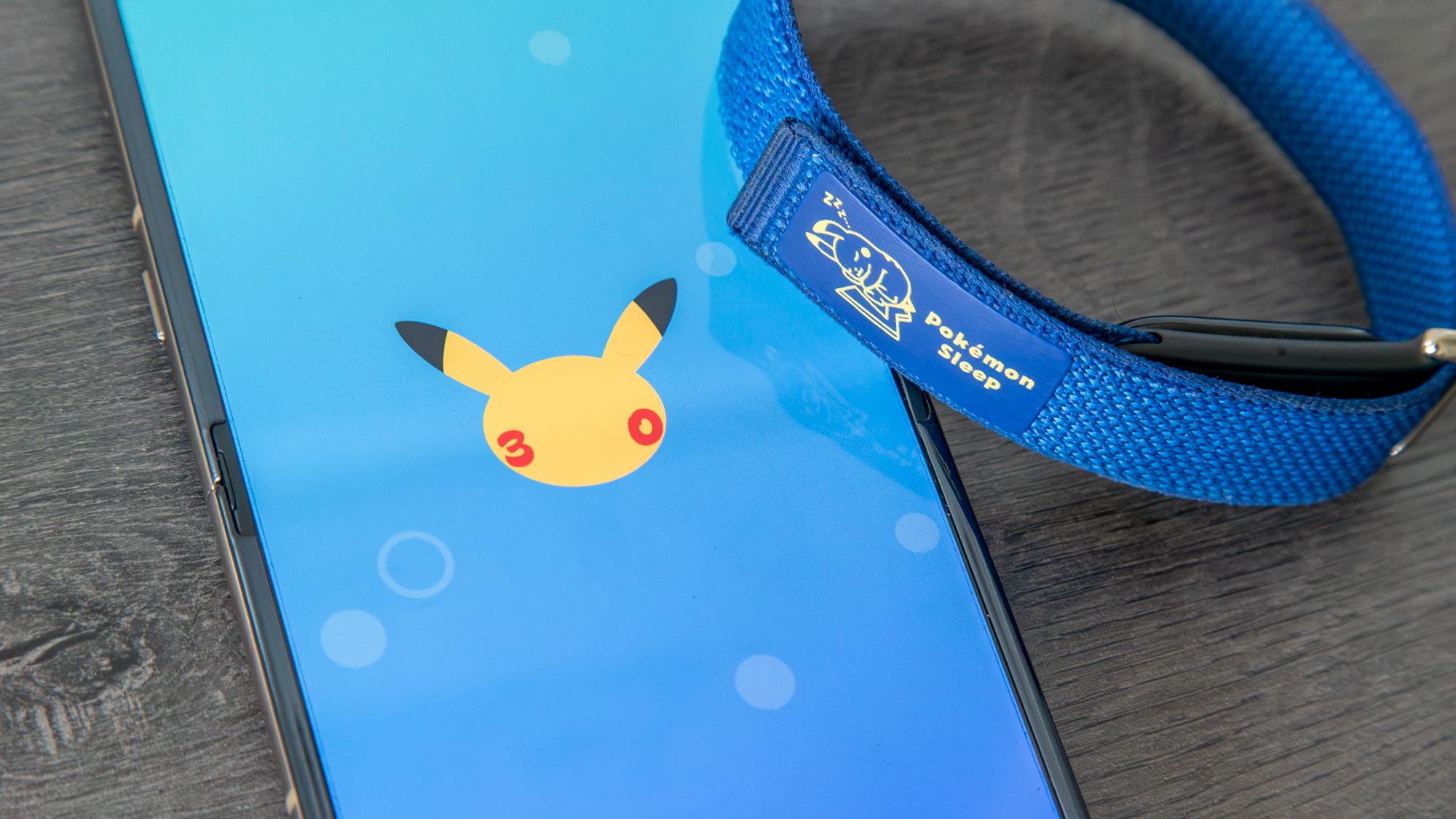
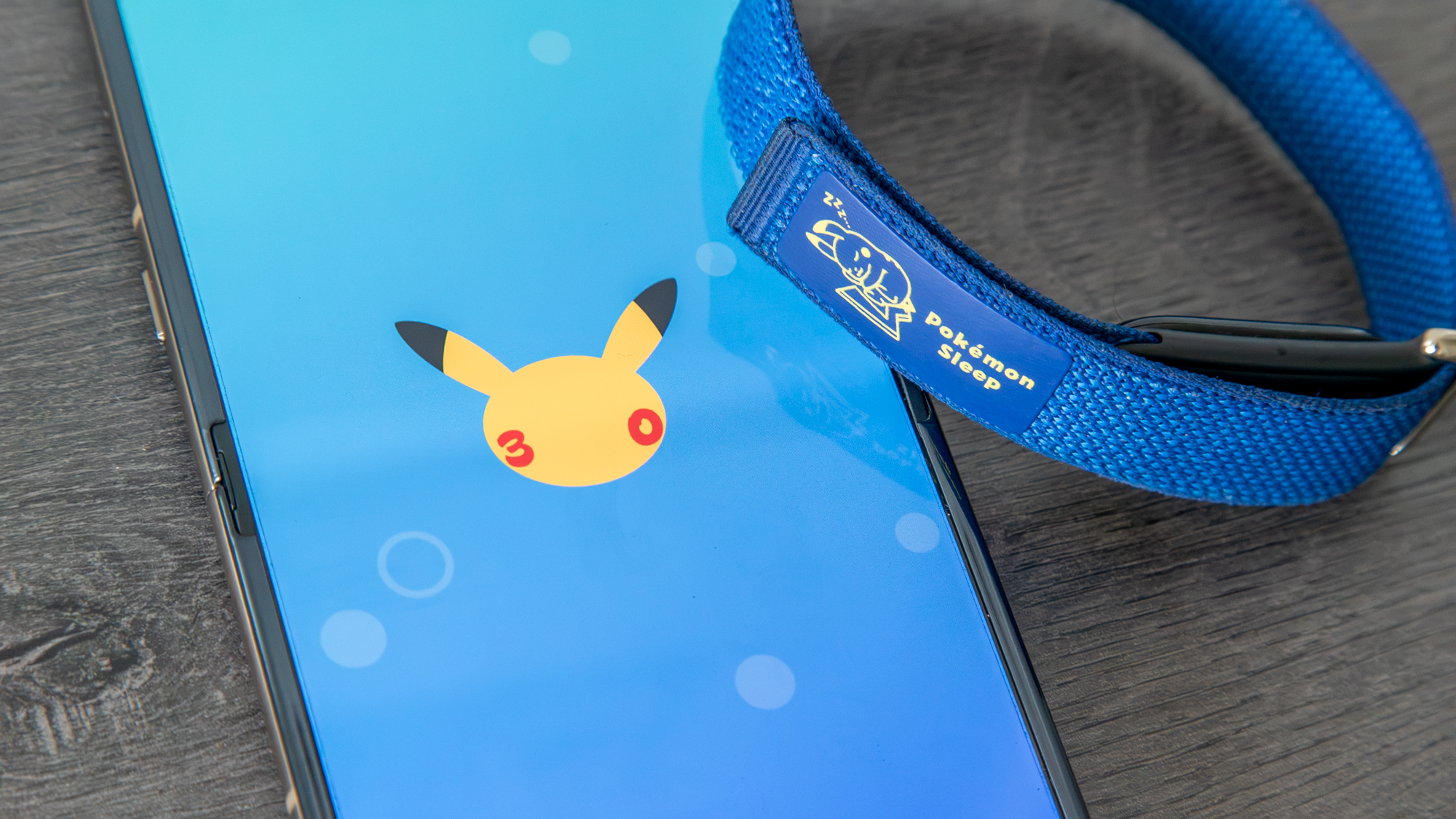
The intersection of consumer health technology and gaming has reached a new milestone with the release of the Google Fitbit Air Pokémon Sleep Edition. Launched as part of the global franchise’s landmark 30th-anniversary celebration, this specialized wearable bridges the gap between clinical-grade sleep tracking and gamified digital engagement. Retailing for $129 through the Google Store, the device arrives at a time when technology companies are increasingly looking toward lifestyle integration and behavioral psychology to encourage consistent health habits.
For years, wellness trackers have prioritized metrics over motivation, frequently treating rest as a passive data point rather than an active goal. By integrating directly with the popular application Pokémon Sleep, the Fitbit Air reinterprets how users interact with their nightly recovery routines. The device attempts to solve a long-standing critique of traditional health hardware: that bulky, heavy smartwatches are fundamentally uncomfortable to wear overnight, leading to data dropouts and user fatigue.
Background and Context of the Pokémon Sleep Phenomenon
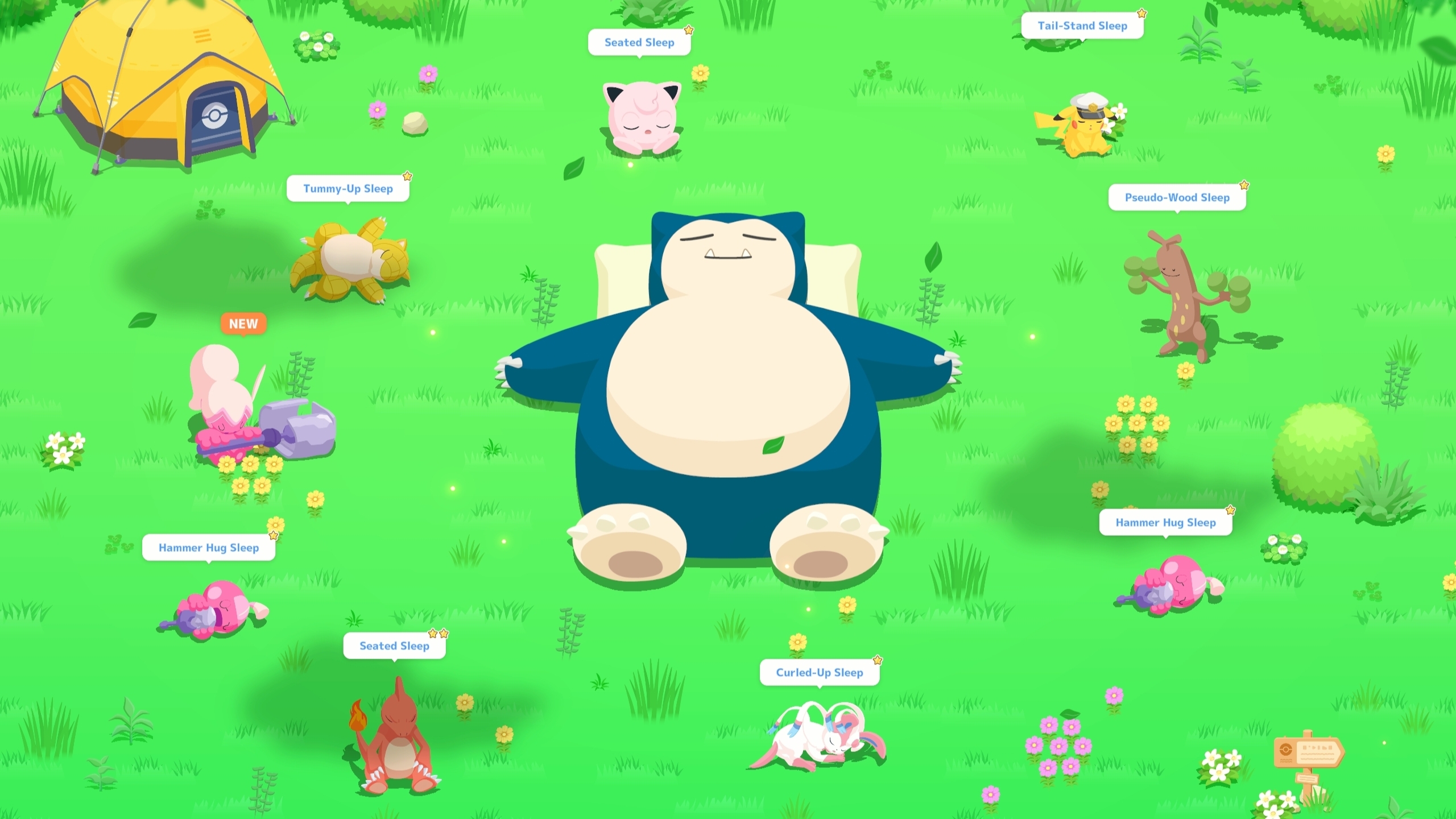
When The Pokémon Company originally launched Pokémon Sleep in July 2023, industry analysts met the concept with widespread skepticism. The premise of turning a physiological necessity into a mobile game—centered around a massive Snorlax that gathers rare creatures based on the user’s rest cycles—seemed like a niche novelty. However, the application quickly defied expectations, capturing millions of active users worldwide who sought low-pressure ways to monitor their nightly patterns.
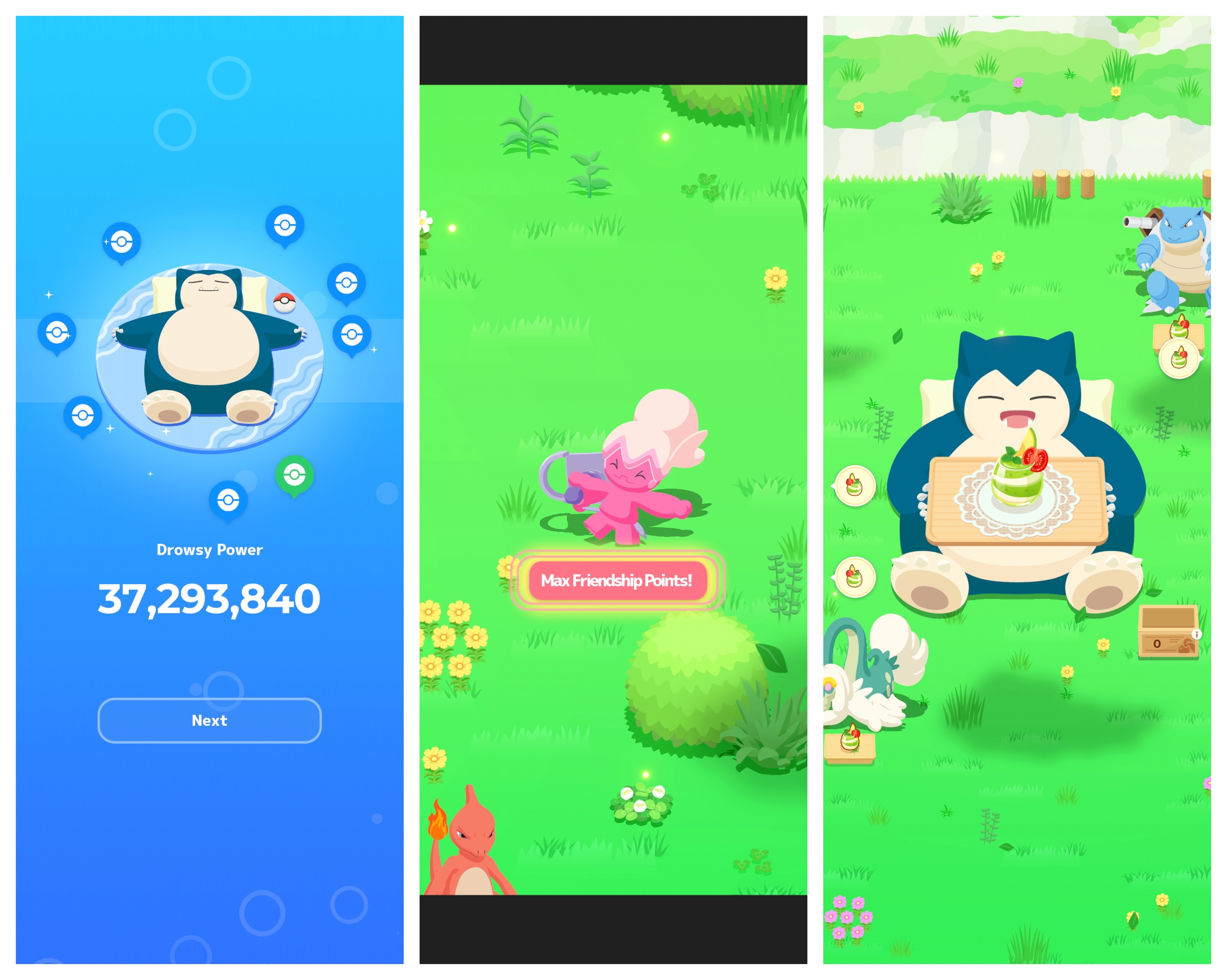
The mechanics of the game rely on converting sleep duration and consistency into "Drowsy Power." Users place their phones or connect compatible smart hardware near their beds to record rest metrics. Depending on whether the user exhibits balanced, slumbering, or dozing tendencies, different species of Pokémon appear around the virtual Snorlax by morning. Players can then befriend these creatures by feeding them digital biscuits, building teams that gather berries and ingredients to strengthen their virtual companion throughout the day.
Despite its success, early iterations of the game suffered from fragmented hardware compatibility. Players were often forced to choose between using dedicated, standalone tracking accessories like the Pokémon GO Plus + or relying on standard smartphone sensors, which lacked precision. The introduction of deep health ecosystem integrations—specifically through Google Health—marks a significant maturation for the platform, allowing mainstream fitness wearables to double as gaming peripherals.
Hardware Engineering and Design Specifications
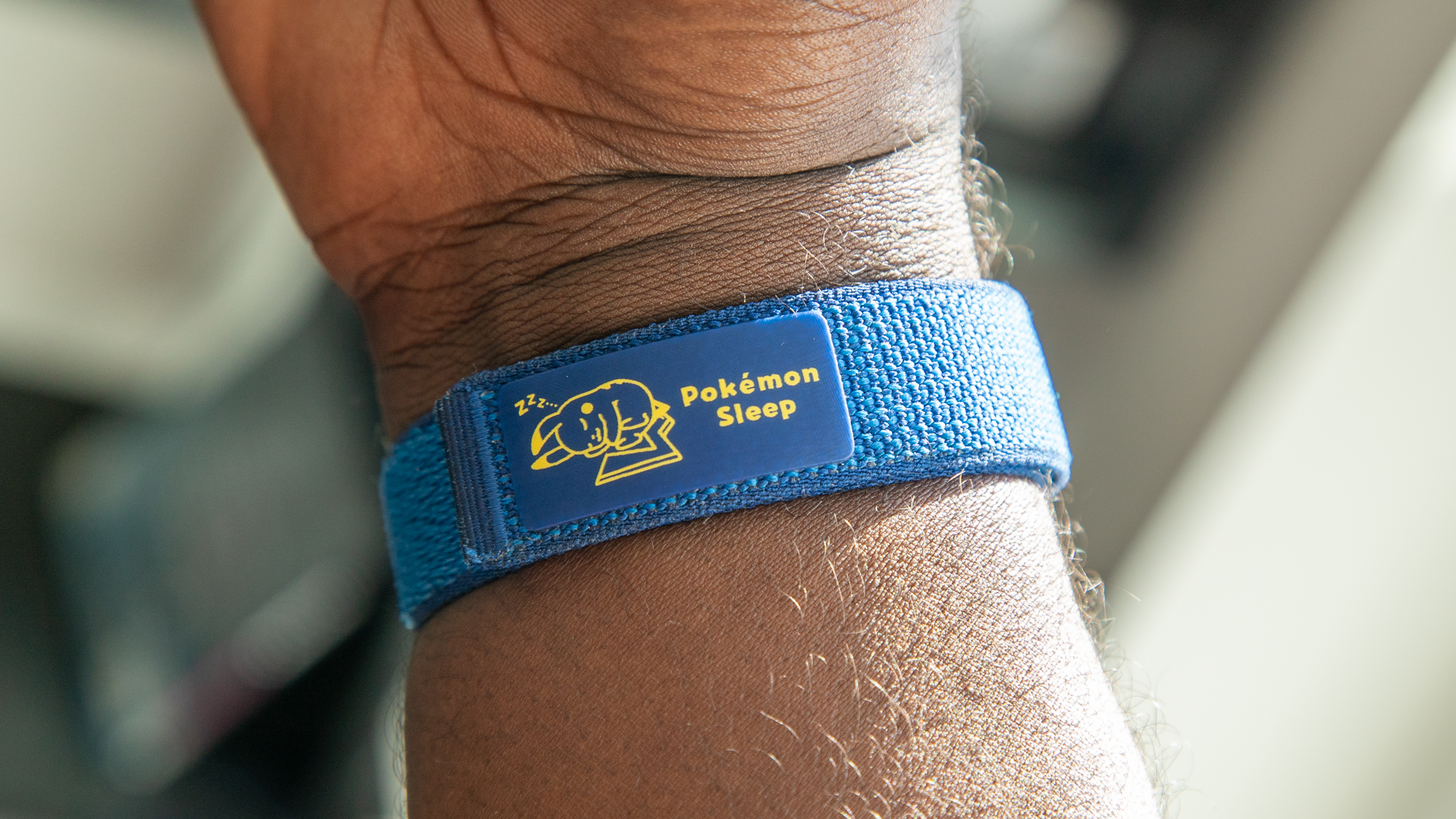
Weighing a mere 12 grams including its band, the Fitbit Air is engineered specifically for minimal tactile interference during sleep. Traditional smartwatches, such as the Google Pixel Watch series or larger sports-focused multi-sport watches, frequently present ergonomic challenges for users attempting to sleep comfortably with a device strapped to their wrist. The Fitbit Air circumvents this issue through an ultralight chassis and a low-profile form factor that minimizes snagging on bed linens.
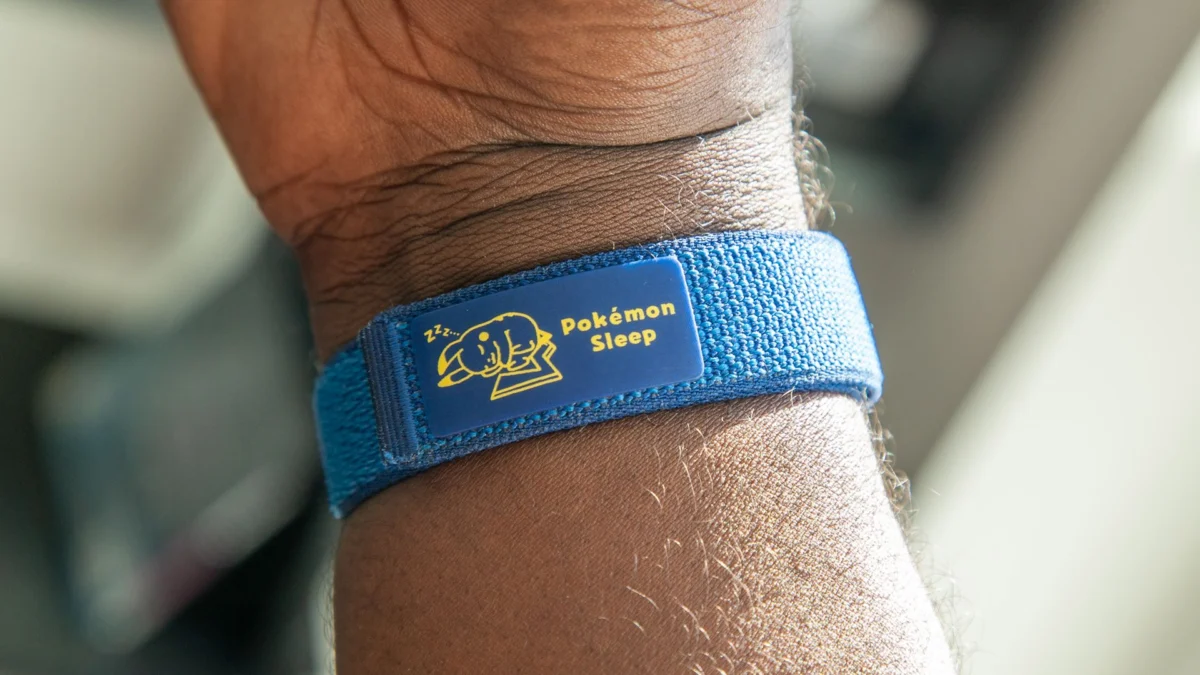
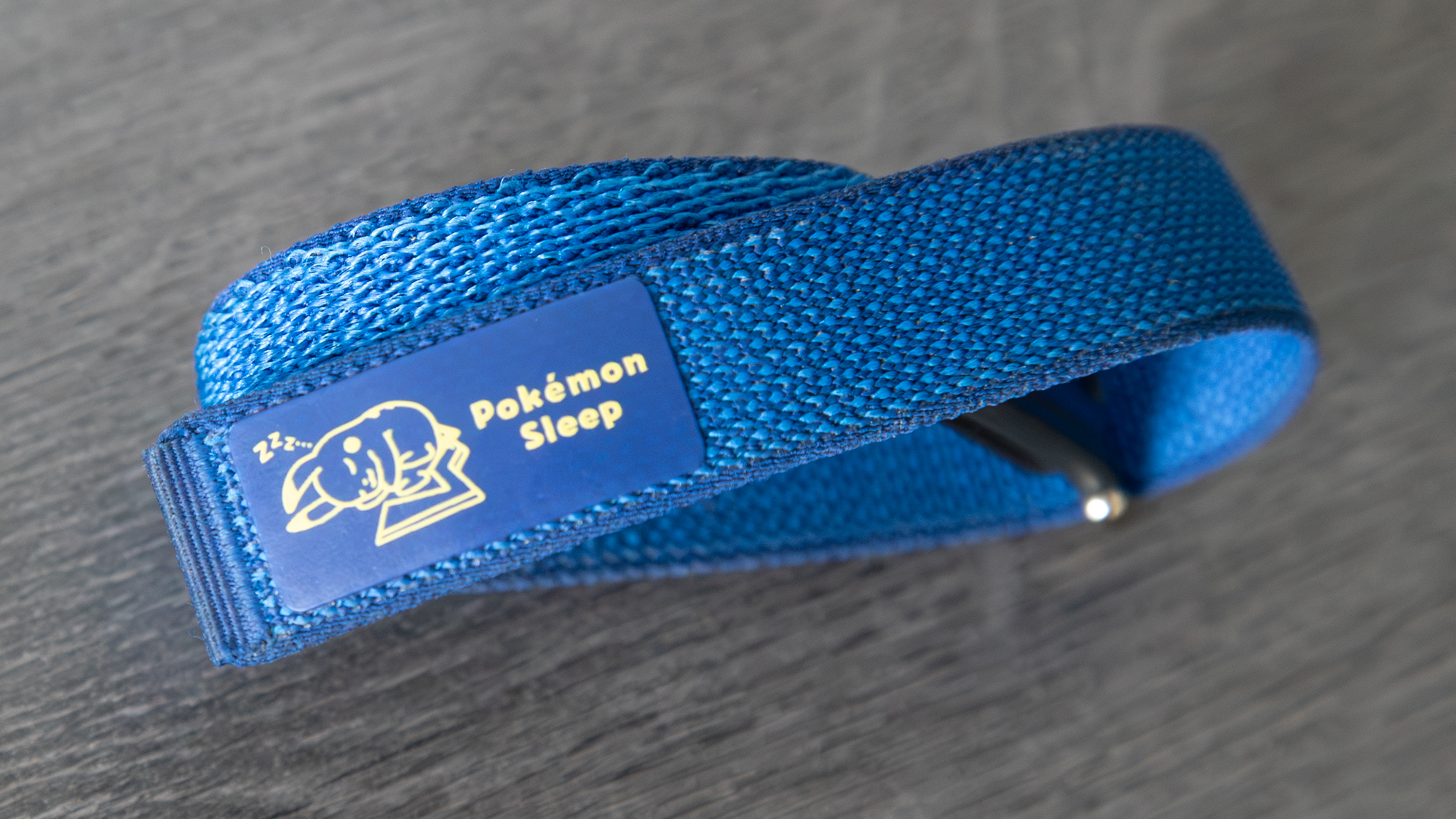
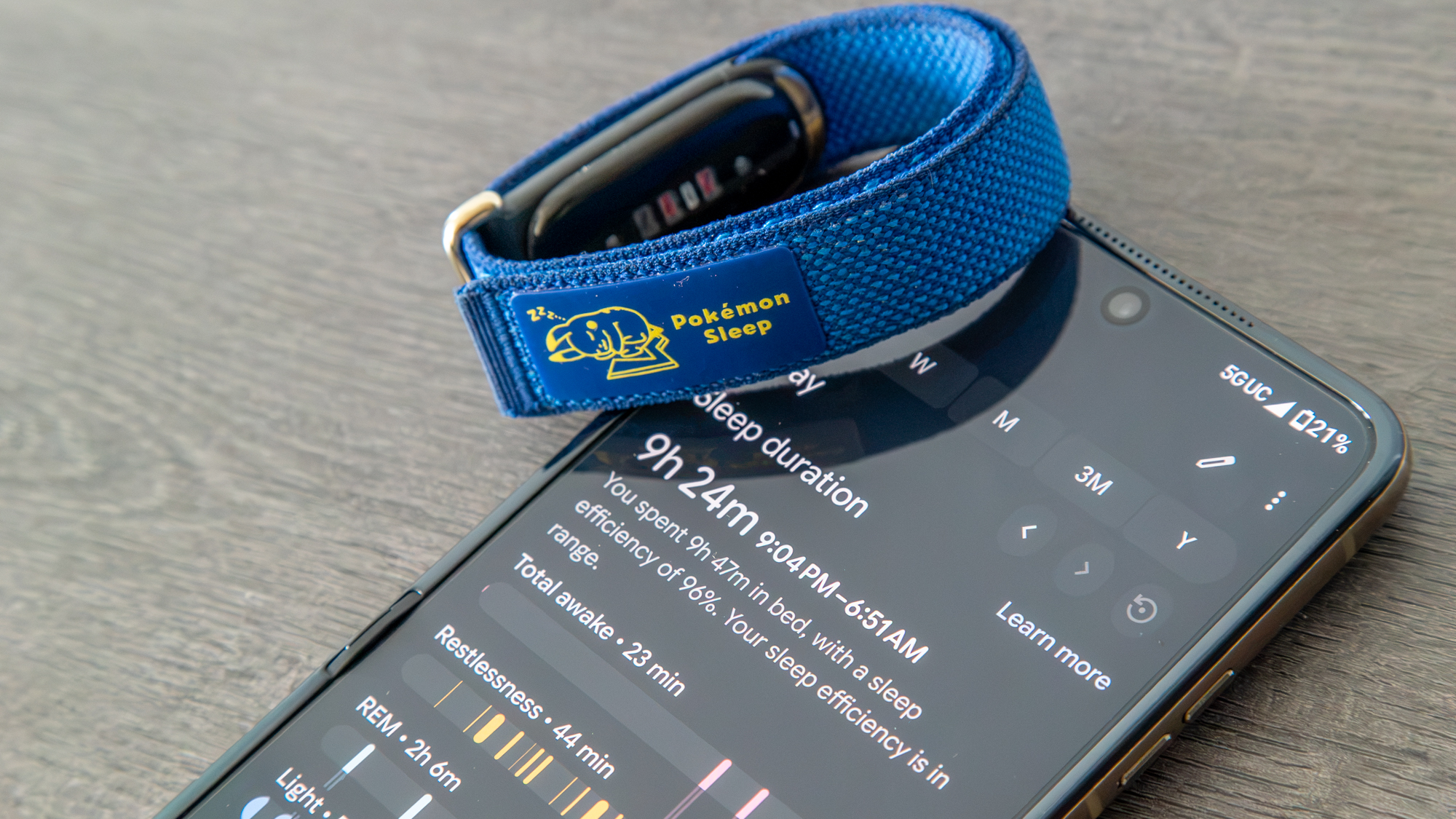
The Special Edition variant features a distinct deep-blue silicone band emblazoned with a minimalist illustration of a sleeping Pikachu. Beyond its aesthetic appeal, the hardware maintains robust functionality as a comprehensive health and fitness tracker. Industry benchmarks place its battery life at approximately seven full days on a single charge, a critical specification for continuous overnight monitoring. This extended endurance removes the operational friction of requiring daily recharges, ensuring that users do not experience gaps in their longitudinal sleep records.
Comparative sensor analysis indicates that the Fitbit Air performs reliably when benchmarked against established market competitors such as the Oura Ring and specialized Garmin multi-sport devices. Metrics including total sleep duration, rapid eye movement (REM) phases, deep sleep stages, and overall restlessness align closely with data captured by more expensive, dedicated biometric rings and watches.
Integration Architecture and Setup Procedure
Setting up the Fitbit Air to feed data into Pokémon Sleep requires navigating the unified data infrastructure provided by Google Health. The application supports a select group of hardware ecosystems, including Samsung Health and Garmin Connect, but the integration with Google’s health ecosystem offers streamlined synchronization for Fitbit users.
To transition sleep data sources within the Pokémon Sleep application, users must complete a straightforward configuration sequence:
- Access the application’s main menu and select Settings and More.
- Locate the Smartwatch section under Health Connect settings and tap Data Source.
- Select Google Health from the available list and confirm the change by tapping Confirm or Change.
Industry analysts emphasize that users must ensure all historical data is fully synchronized prior to changing data sources, as switching platforms can leave un-synced logs orphaned. Once the Fitbit Air is successfully paired with the Google Health application, nightly data flows automatically into the gaming environment, transforming biometric rest periods into digital progress.
Market Implications and Behavioral Psychology
The release of the Fitbit Air Pokémon Sleep Edition highlights a broader industry trend: the gamification of preventative healthcare. By attaching tangible digital rewards—such as shiny or rare Pokémon encounters—to consistent sleep hygiene, developers leverage variable-ratio reinforcement schedules to encourage positive lifestyle behaviors.
Public health experts have long noted that sleep deprivation is a growing economic and medical crisis, contributing to cognitive decline, cardiovascular disease, and reduced workplace productivity. While traditional wellness campaigns often fail to shift public habits through alarmist warnings, gamified alternatives demonstrate high user retention rates by reframing self-care as a recreational pursuit.
Competitors in the wearable technology sector are expected to monitor the commercial performance of this specialized edition closely. If consumer demand remains robust at the $129 price point, other major hardware manufacturers may pursue similar licensing partnerships with entertainment franchises to capture demographics that traditionally ignore clinical fitness tracking.
Broader Impact on the Wearables Industry
As wearable technology matures, the dividing line between consumer electronics, medical monitoring devices, and entertainment platforms continues to blur. The Fitbit Air demonstrates that hardware does not need to be feature-bloated or prohibitively expensive to deliver high utility; rather, specialized design focused on a singular use case—such as comfortable overnight tracking—can yield superior user compliance.
Furthermore, the integration reflects Google’s broader strategy to unify its health data architecture through Health Connect and Google Health, positioning its hardware portfolio as an open platform capable of supporting diverse third-party applications. Whether consumers view the Pokémon Sleep Edition as a functional health monitor or a nostalgic novelty, its arrival signals a permanent shift toward lifestyle-oriented biometric tracking.