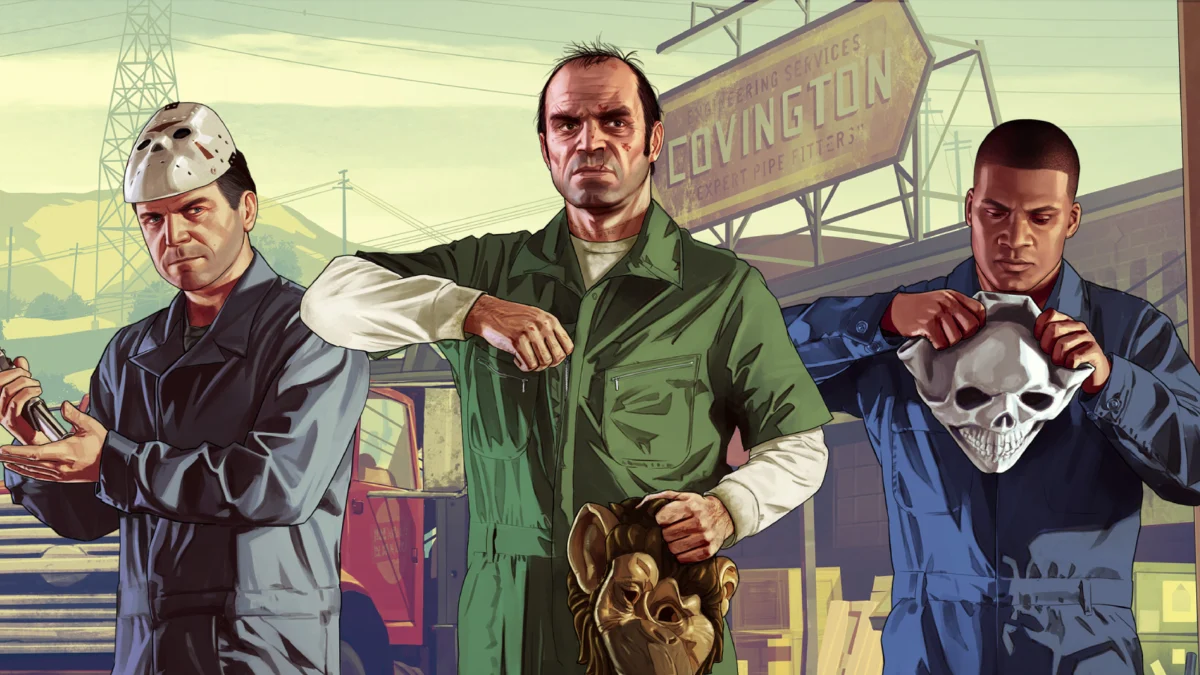
The landscape of video game development is often defined as much by what is discarded as by what reaches the hands of the public. Recent developments involving Rockstar Games have underscored this reality, as a massive unauthorized release of internal company files—totaling approximately 192GB—has surfaced online. This data dump provides an unprecedented, albeit illicit, window into the inner workings of one of the industry’s most secretive developers, confirming long-standing rumors regarding canceled projects and providing early insights into the developmental infancy of Grand Theft Auto 6.
The Scope of the Breach
The leaked cache contains a comprehensive array of internal documents, including source code for Grand Theft Auto 5, proprietary tools, and early-stage assets related to the next iteration of the franchise, Grand Theft Auto 6. For developers and industry analysts, the release is significant not just for its volume, but for the specific content it illuminates. Among the files are references to an ambitious expansion project set in Liberty City—the fictionalized version of New York City that served as the primary setting for Grand Theft Auto 4.
Data miners and community members, utilizing professional-grade tools such as CodeWalker, have been systematically sifting through the files. YouTuber TJGM, among others, has successfully mapped out segments of this canceled DLC, revealing a topographical footprint for Liberty City that far exceeded the scope of its previous iteration in the franchise. This suggests that Rockstar intended to bring the city into the modern, high-fidelity engine of Grand Theft Auto 5, potentially as a massive single-player expansion.
A Chronology of Canceled Ambitions
The history of Grand Theft Auto 5 is marked by a clear pivot in corporate strategy. Shortly after the game’s record-breaking launch in 2013, the industry expected a series of single-player story expansions, a model that had been highly successful for its predecessor, Grand Theft Auto 4.
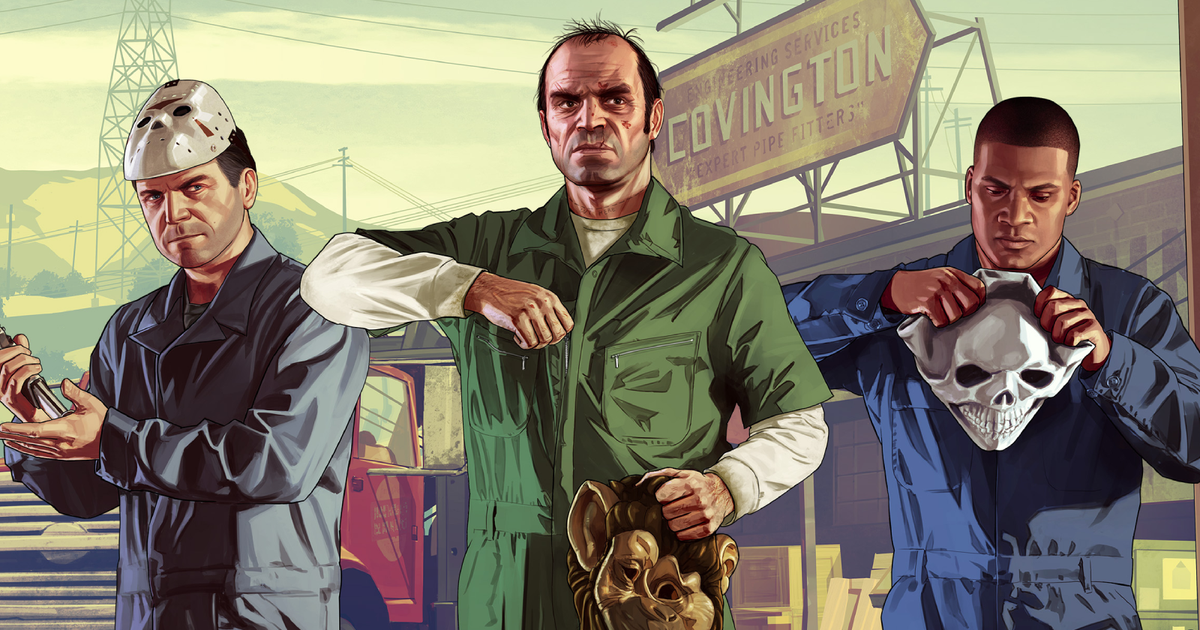
- 2013–2014: Initial development phases for various single-player DLC concepts, including the "Agent Trevor" storyline.
- 2014–2015: Rockstar Games shifts focus. The unexpected and explosive financial success of Grand Theft Auto Online creates a new paradigm for the studio.
- 2016: Internal shifts at Rockstar confirm that the focus has moved entirely toward live-service updates for the multiplayer component, effectively shelving single-player expansions.
- 2022–2024: Major security breaches at Rockstar Games lead to the public release of internal source code and developmental assets, confirming the existence of the previously rumored Liberty City expansion and other scrapped projects.
The "Agent Trevor" expansion, which would have seen the chaotic protagonist working as an undercover operative for the government, was confirmed by actor Steven Ogg to have been in active production. Ogg noted that filming and motion capture for these scenes had commenced before the project was abruptly terminated. Former Rockstar employees, including cinematographer Joseph Rubino, have cited the shift toward the "cash cow" that was GTA Online as the primary driver for this decision. While the business logic was sound at the time—prioritizing the platform with the highest recurring revenue—the cancellation left a significant gap in the game’s narrative legacy.
Supporting Data and Technical Context
The leaked data is not merely a collection of screenshots; it is a repository of technical infrastructure. The inclusion of source code and internal tools allows for a degree of verification that is rare in the world of leaks. By importing these files into game-development environments, the community has been able to generate 3D wireframes and architectural layouts of the planned Liberty City expansion.
Analysis of these files shows that the project was far beyond the conceptual stage. It featured detailed environmental assets, road networks, and structural foundations that suggest the team had invested significant man-hours into the environment. The existence of these files aligns with historical evidence from a decade ago, when a Rockstar artist’s public portfolio inadvertently displayed a screenshot of Liberty City rendered within the GTA 5 engine. At the time, the industry dismissed this as an internal test; the current leak confirms it was part of a larger, abandoned roadmap.
Implications for Rockstar Games
The impact of this leak extends beyond the revelation of cut content. It represents a significant security failure for a studio that prides itself on maintaining absolute control over its intellectual property. The release of source code can potentially provide a roadmap for malicious actors to identify vulnerabilities in the company’s infrastructure, a concern that Rockstar has taken seriously in its past communications regarding cybersecurity.
From a product perspective, the leak serves as a retrospective critique of the "live-service" era. By documenting exactly what was lost—a large-scale, story-driven expansion in a fan-favorite location—the leaks have reignited a debate among fans about the trade-offs of the modern gaming industry. While GTA Online has provided years of content for millions of players, the sacrifice of dedicated single-player narratives has remained a point of contention for those who prefer the dense, mission-driven structure of the base game.

Industry and Institutional Response
Rockstar Games, and its parent company Take-Two Interactive, have historically maintained a policy of silence regarding leaks and unauthorized disclosures. In the wake of previous high-profile incidents, the company has pursued legal action to mitigate the spread of proprietary code. While no official statement has been issued regarding the specific contents of this latest cache, the company’s track record suggests a focus on internal security audits and legal pursuit of the original sources of the breach.
The broader implications for the industry are profound. As game development budgets for AAA titles balloon to hundreds of millions of dollars, the pressure to maintain live-service revenue streams often conflicts with creative expansion plans. The case of the Liberty City DLC serves as a case study in how corporate strategy can fundamentally alter the artistic trajectory of a project.
Looking Toward the Future
As the community continues to pick apart the 192GB of data, more details regarding the early development of Grand Theft Auto 6 are expected to surface. While these early files represent a work-in-progress state and do not necessarily reflect the final quality or scope of the upcoming title, they provide a rare look at the developmental iteration cycle.
The legacy of Grand Theft Auto 5 is secure as one of the most successful entertainment products in history, yet the "what-ifs" provided by these leaks will likely remain a topic of discussion for years to come. The discarded code of Liberty City stands as a monument to a version of the game that never was—a testament to the shifting tides of an industry caught between the pursuit of artistic depth and the demands of modern digital commerce. The investigation into these files will continue to provide insight, but for now, the primary lesson remains clear: in the high-stakes world of AAA game development, the most significant stories are often the ones left on the cutting room floor.