The intersection of technical mountaineering equipment and luxury fashion reached a new zenith in 2026, as prestigious design houses began incorporating the distinct aesthetic of the climbing approach shoe into their seasonal collections. This trend, which saw storied labels like Prada and Loewe reinterpret functional footwear for a high-fashion audience, marks a significant shift in how outdoor-specific gear is positioned within the broader apparel market. While these "approach-inspired" sneakers often retail at prices exceeding $1,000, their technical utility remains a point of contention among professional climbers and gear manufacturers.
The Evolution of the Approach Shoe Aesthetic
Historically, the approach shoe was engineered exclusively for the transition between the trailhead and the base of a climbing route. These shoes prioritize specific technical features: high-friction rubber outsoles (often utilizing compounds like Vibram Megagrip), stiff midsoles for stability on uneven terrain, and protective rands to prevent abrasion against granite or limestone.
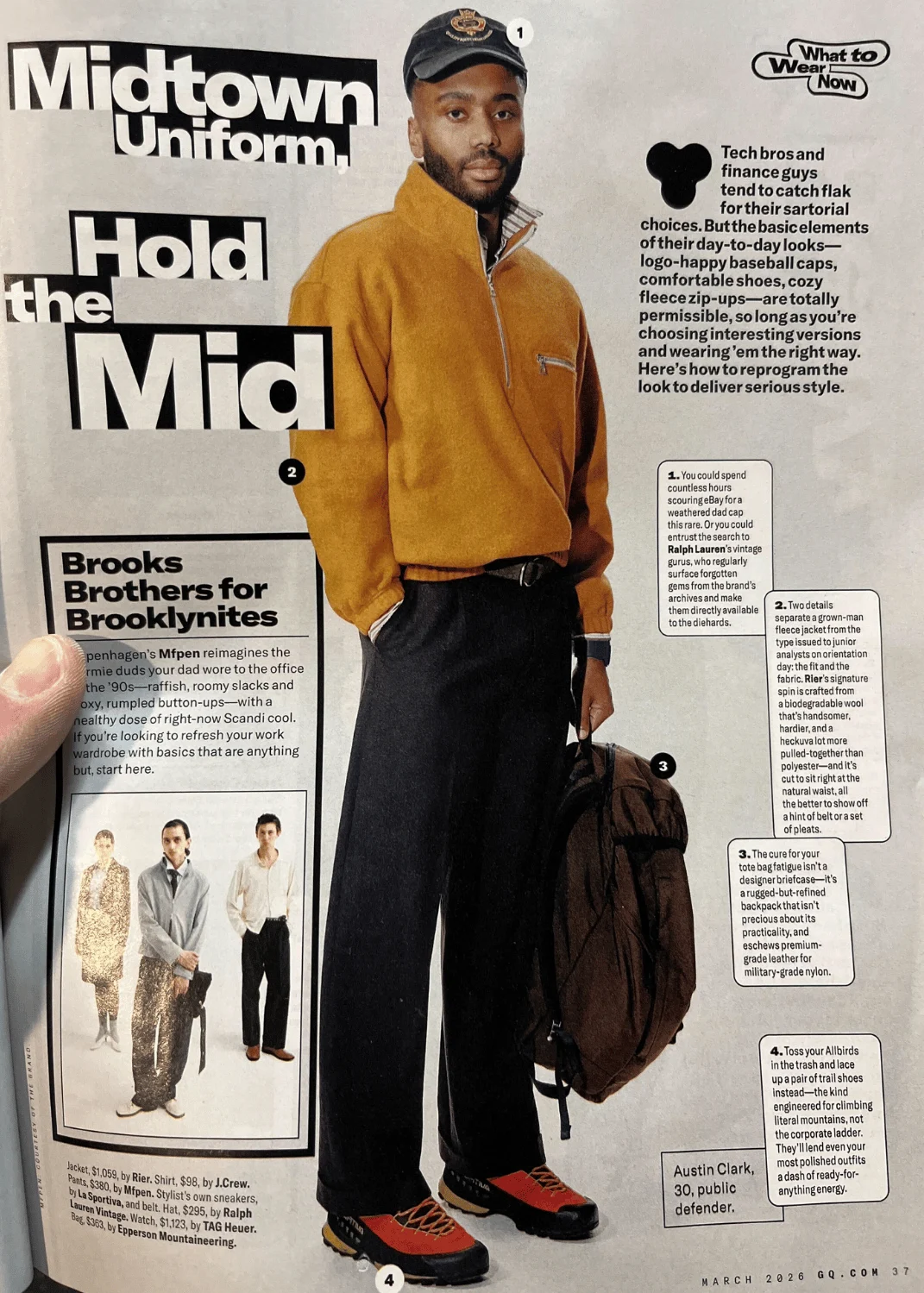
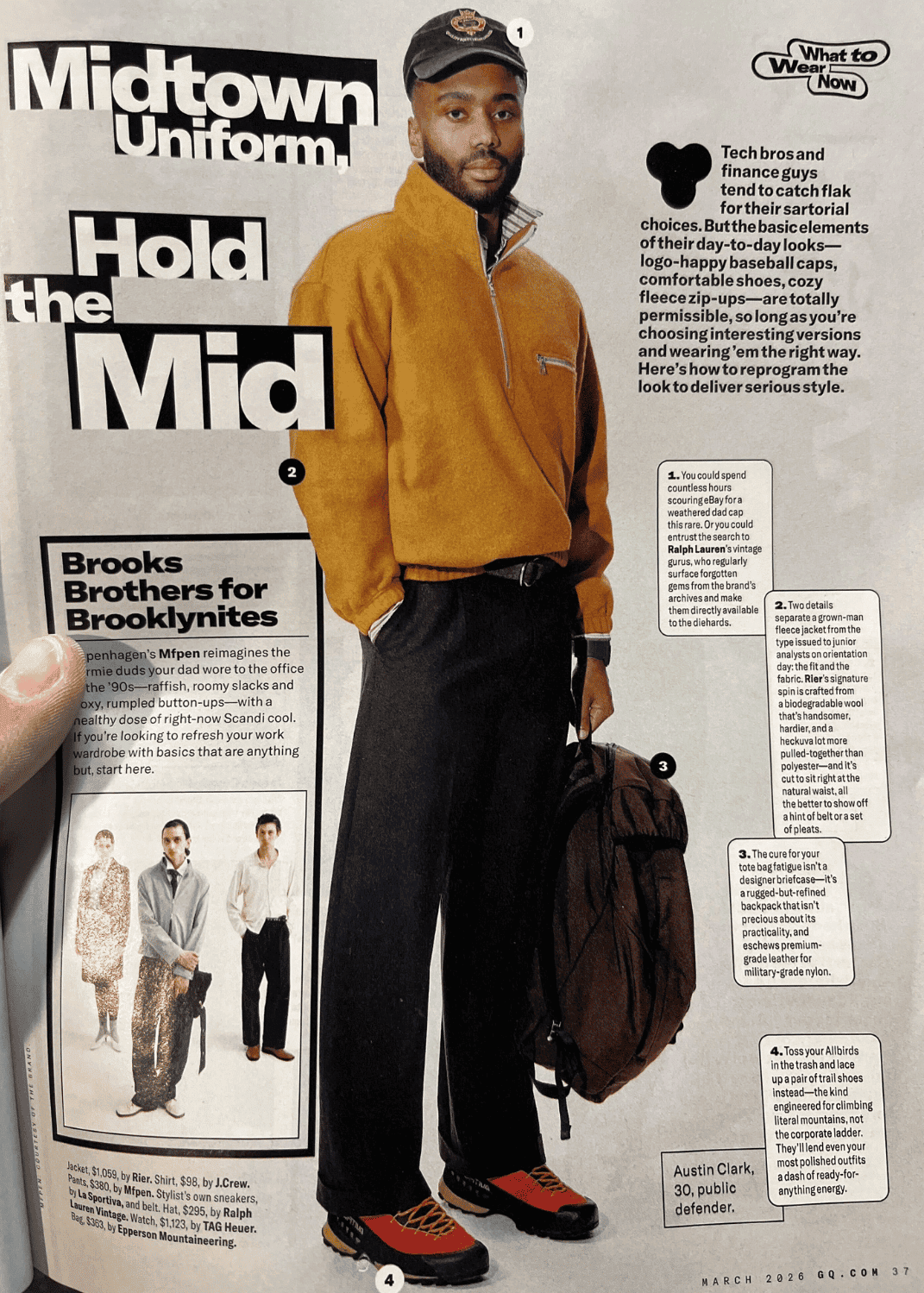
In early 2026, the industry observed a departure from this strictly utilitarian design philosophy. The trend accelerated following prominent features in high-end lifestyle publications, such as the March 2026 issue of GQ, which highlighted the aesthetic viability of technical climbing gear in urban environments. The "gorpcore" movement—a term used to describe the adoption of outdoor gear into mainstream fashion—had been building for several years, but the migration toward the approach shoe signaled a pivot toward more refined, albeit high-priced, footwear.
Chronology of the 2026 Luxury Shift
The movement of climbing-adjacent footwear into luxury boutiques did not occur in a vacuum. It was the result of a calculated effort by design houses to capture the "authentic" aesthetic of the outdoor subculture.
- January 2026: Initial reports emerge from Paris and Milan fashion weeks detailing new footwear lines that mirror the lacing systems and rubber rands typical of technical approach shoes.
- March 2026: Mainstream media outlets, including GQ, formally identify the approach shoe as a "key trend" for the upcoming season, documenting the shift from utilitarian wear to luxury staple.
- April–June 2026: Major fashion houses, including Loewe and Prada, release their respective interpretations of the climbing shoe, with prices ranging from $1,100 to $1,300.
- August 2026: Industry analysts begin to track the sales performance of these items, noting a distinct split between the "performance-luxury" market and the traditional outdoor enthusiast demographic.
Technical Assessment and Market Positioning
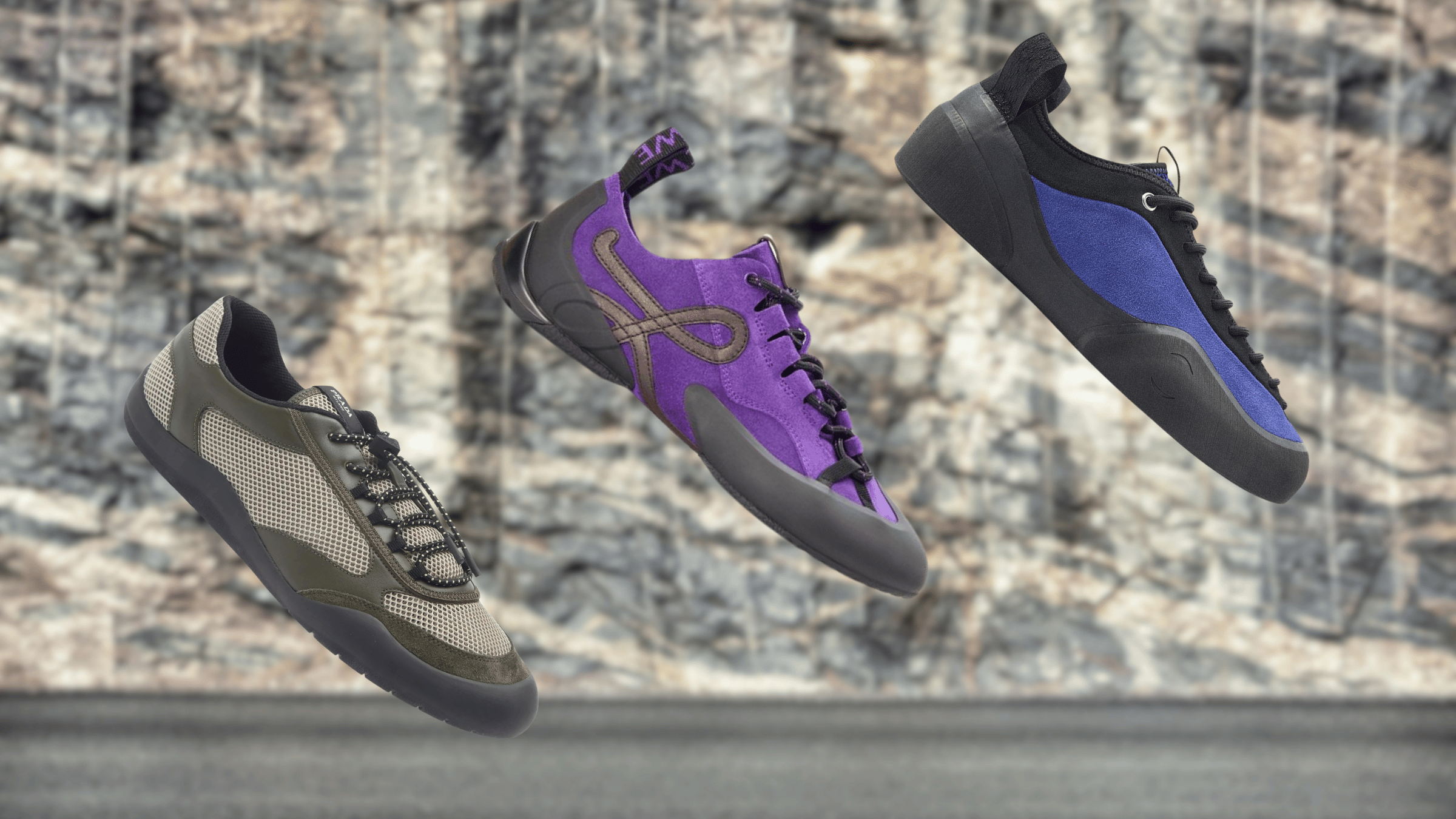
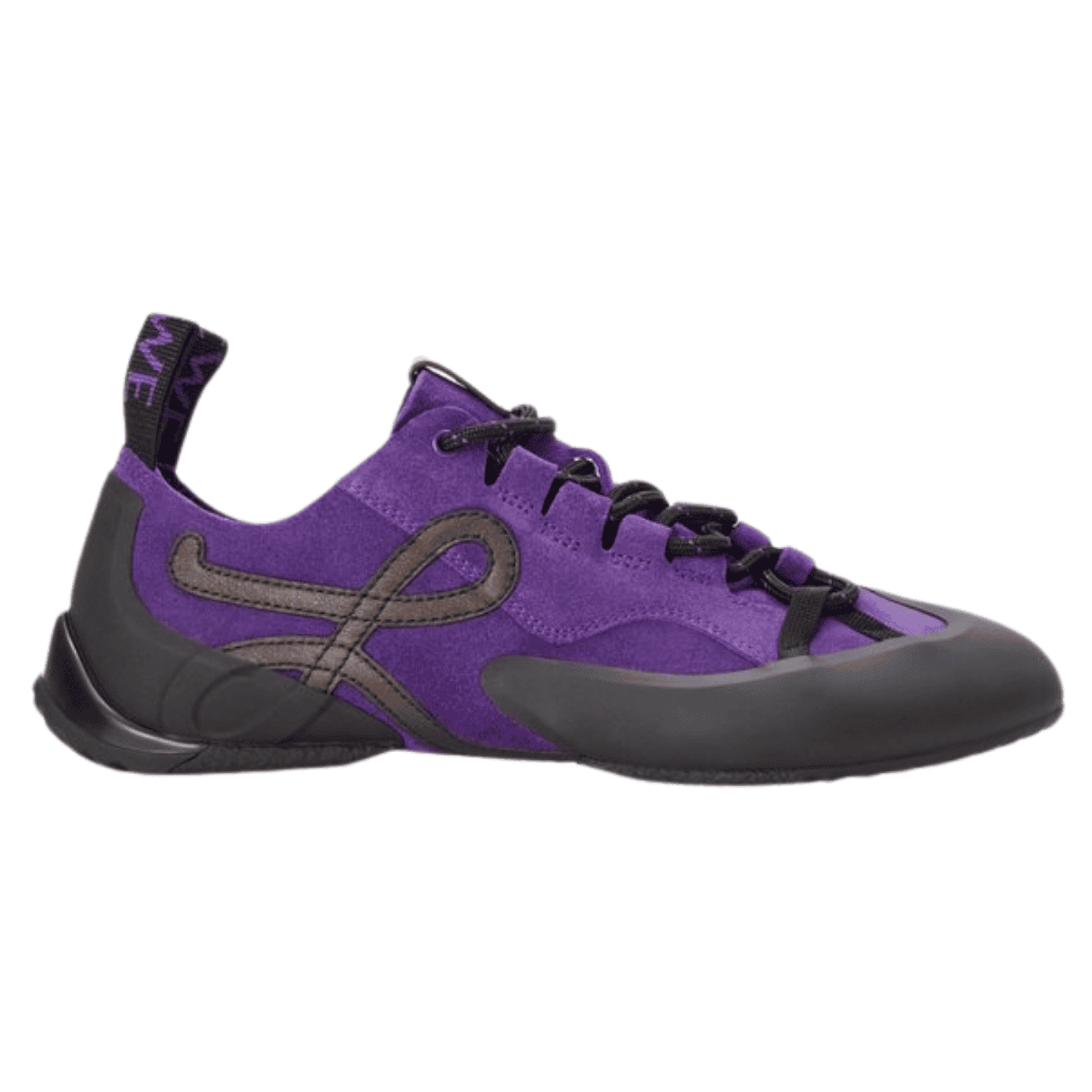
When analyzing the current crop of luxury approach-style sneakers, it is necessary to distinguish between aesthetic nods to climbing and actual functional performance. The Loewe Grip Sneaker, for instance, features a full-wrap rand that mimics the protective construction of professional-grade climbing shoes. Theoretically, the toe profile of such a design could accommodate technical maneuvers on rock; however, the lack of standardized testing for these luxury items makes them unsuitable for actual alpine use.
In contrast, the Prada Speedrock Mixed Media sneaker emphasizes a "fashion-first" approach. Its construction utilizes lightweight, mixed-media materials that favor silhouette over the structural integrity required for boulder-hopping or steep scrambling. For the professional climber, these items occupy a curious space: they offer a visual tribute to the sport while remaining entirely detached from the performance requirements of the activity itself.
The entry of smaller, more specialized brands like Village PM—which offers a "1PM" model at a significantly lower price point of $136—suggests that the market is beginning to segment. These lower-cost alternatives are bridging the gap between high-fashion design and consumer-grade performance, potentially challenging the dominance of traditional outdoor brands that have dominated the category for decades.
Industry Implications and Corporate Silence
The response from luxury brands to requests for technical performance reviews has been notably reserved. When independent media outlets, including Climbing Magazine, attempted to procure samples for rigorous field testing, the responses ranged from administrative redirects to complete silence.
Corporate communication experts suggest that this "ghosting" is not necessarily a reflection of product quality, but rather a standard protective measure within the luxury goods sector. High-fashion houses typically manage their PR through strictly controlled channels, and the prospect of a product being reviewed by a technical specialist—rather than a fashion critic—poses a risk to the brand’s carefully curated image. By declining to engage with technical experts, these companies ensure that their footwear remains in the realm of "lifestyle" products, immune to the critiques of performance failure that would plague a technical outdoor company.
Economic and Cultural Impact
The economic impact of this trend is difficult to quantify, as the target demographics for an $1,100 sneaker and a $150 technical shoe are largely distinct. However, the cultural implications are profound. The commodification of the climbing aesthetic serves to broaden the brand recognition of technical design features, potentially increasing consumer interest in the sport itself.
Simultaneously, the trend raises questions regarding the sustainability and ethics of "faux-technical" gear. As luxury brands continue to borrow from outdoor aesthetics, they may inadvertently drive up the cost of raw materials—such as high-quality rubber compounds—or lead to the "dilution" of technical terms in marketing literature. When a shoe is marketed as an "approach shoe" without the ability to perform an approach, the term loses its descriptive power.
Future Outlook
As of late 2026, the trend shows no immediate signs of waning, though market saturation is a looming possibility. The success of the "gorpcore" aesthetic relies on the perception of authenticity; once the novelty of the climbing-inspired silhouette fades, consumers will likely move on to the next sub-niche.
For the traditional outdoor industry, the current situation presents a unique opportunity. Rather than competing with luxury houses on price or prestige, established climbing brands can focus on reinforcing their authority in the performance sector. By emphasizing the data-driven R&D that separates a true approach shoe from a fashion sneaker, these companies can maintain their relevance among their core constituency.
Ultimately, the phenomenon of the $1,100 approach shoe serves as a reminder that the climbing lifestyle has become a powerful cultural export. Whether this trend leads to a lasting integration of high fashion and technical gear, or remains a brief, eccentric footnote in the history of footwear, it has undeniably altered the landscape of outdoor apparel. For the foreseeable future, the divide between the boardroom and the crag remains, even if the footwear on the ground has started to look strikingly similar.
The industry will continue to watch closely as these luxury houses navigate the complexities of their own success. Will they eventually lean into the technical aspects of their designs, or will they continue to prioritize the aesthetic appeal of the "climber" archetype? For now, the answer remains firmly within the domain of the fashion houses, leaving the true climbers to navigate the mountains in their well-worn, performance-proven gear, safely distanced from the world of luxury retail.