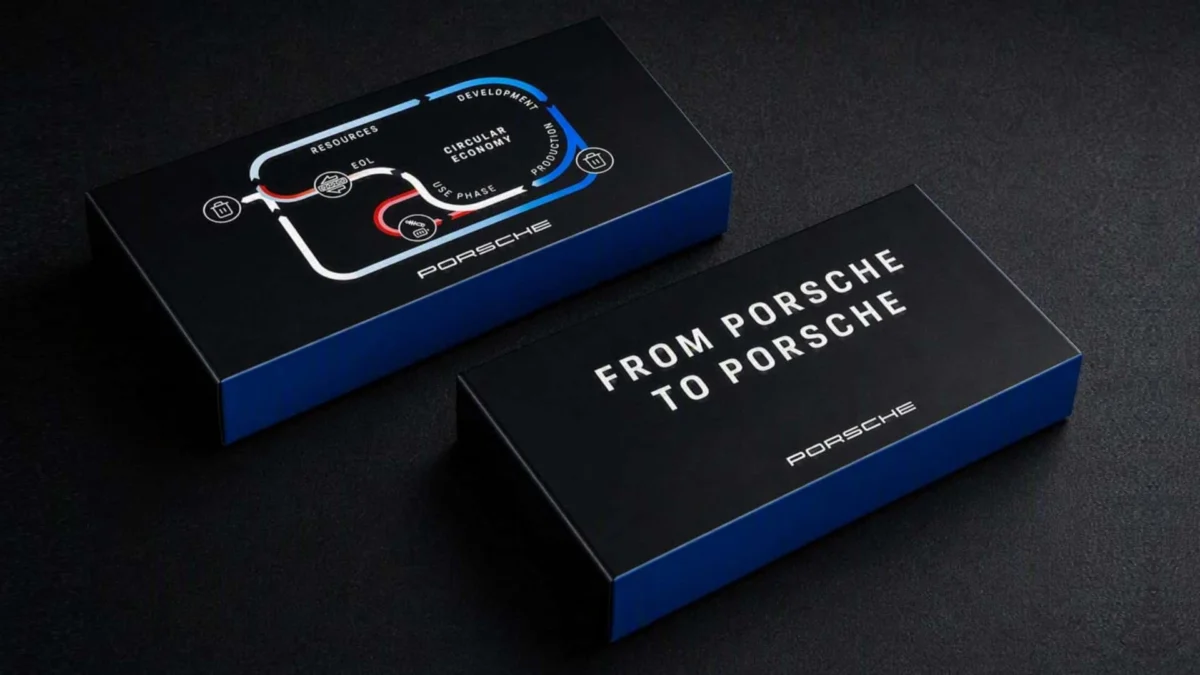
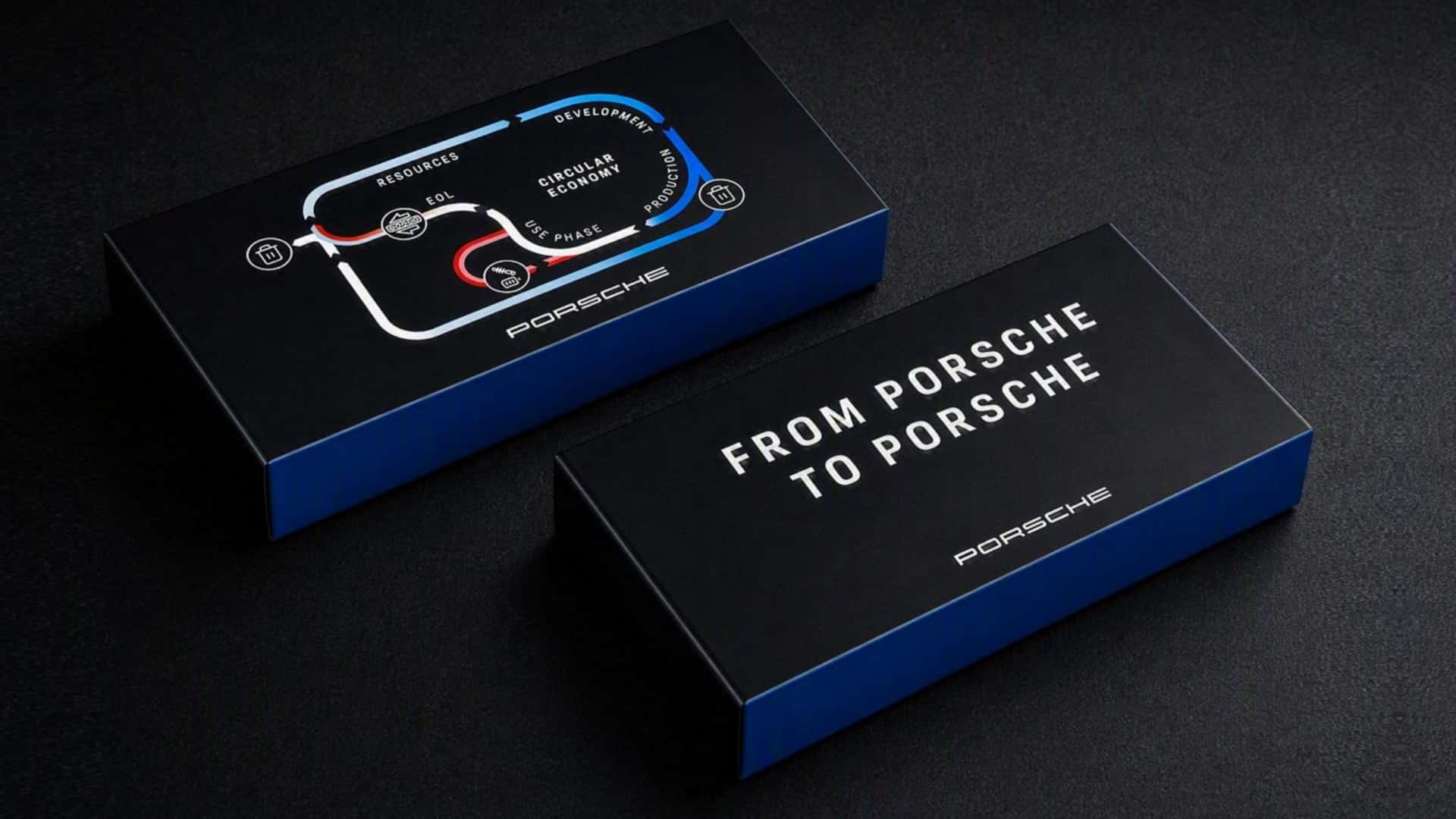
The automotive industry is currently navigating a pivotal transition toward total electrification, a shift that necessitates not only the manufacturing of millions of high-performance vehicles but also the establishment of a sustainable, circular economy for the critical raw materials that power them. Porsche, in partnership with the German technology firm Cylib, has recently announced a significant milestone in this endeavor: the successful validation of an end-to-end, closed-loop recycling process for lithium-ion batteries. This development marks a critical step forward in the industry’s attempt to decouple vehicle production from the volatile and environmentally taxing global supply chains for lithium, cobalt, and nickel.
The Imperative of Battery Circularity
As electric vehicle (EV) adoption accelerates globally, the demand for battery-grade minerals has skyrocketed. According to data from the International Energy Agency (IEA), the demand for lithium alone is expected to grow by more than 40 times by 2040 compared to 2020 levels if the world is to meet the goals of the Paris Agreement. Traditional mining operations for these materials are notoriously carbon-intensive and frequently occur in regions with complex human rights and environmental regulatory frameworks.
For high-end manufacturers like Porsche, the challenge is twofold. First, there is the ethical and environmental mandate to reduce the carbon footprint associated with vehicle production. Second, there is the strategic necessity of securing a stable supply of raw materials to protect against the price volatility that has historically characterized the commodity markets for battery components. By reclaiming materials from end-of-life battery packs—which are currently being phased out of early-generation EVs—manufacturers can create a self-sustaining supply of cathode materials, effectively "mining" their own retired vehicles for the next generation of performance cars.
The Technological Breakthrough: The Cylib Approach
The pilot project conducted by Porsche and Cylib focused on the technical feasibility of high-yield material recovery. Cylib, a spin-off from RWTH Aachen University, has developed a proprietary metallurgical process designed to maximize the recovery rate of valuable metals from used lithium-ion battery cells.
Unlike traditional "pyrometallurgical" processes, which involve melting down batteries at high temperatures—often resulting in the loss of lithium and the production of significant slag waste—the Cylib method utilizes a more precise chemical approach. This allows for the capture of lithium, cobalt, nickel, and graphite with high purity levels. The successful completion of this pilot confirms that the materials recovered through this process meet the stringent quality standards required for the high-performance battery cells used in the Porsche Taycan and upcoming all-electric models.
Dr. Lilian Schwich, co-CEO and co-founder of Cylib, emphasized the significance of the achievement in a statement released this week: "The pilot project with Porsche demonstrates that our approach is feasible in practice: valuable raw materials from Porsche batteries at the end of their first life can potentially flow back into new high-performance batteries for Porsche vehicles."
Chronology of the Partnership
The collaboration between the Stuttgart-based automaker and the Munich-based startup represents a multi-year effort to integrate sustainable engineering into the Porsche production ecosystem:
- 2022: Initial collaboration discussions began as Porsche sought to identify partners capable of high-purity, sustainable material recovery.
- 2023: Cylib began scaling its industrial pilot facility, focusing on the refinement of its aqueous-based recovery process.
- Early 2024: Porsche provided end-of-life battery modules from its research and development fleet to test the process under real-world conditions.
- Late 2024/Early 2025: The current milestone, confirming the successful recovery of battery-grade materials suitable for integration into new battery production lines.
Quality Control and the High-Performance Mandate
One of the most persistent criticisms of recycled battery materials is the perceived reduction in performance compared to "virgin" minerals. For a brand like Porsche, which defines itself through driving dynamics, charging speeds, and long-term durability, the integration of recycled content cannot come at the expense of vehicle performance.
Engineers at Porsche have been rigorous in their testing phase, ensuring that the chemical composition of the recycled minerals does not introduce impurities that could degrade the battery’s power density or thermal management capabilities. The successful validation means that recycled lithium can now be integrated into the cathode production process without compromising the vehicle’s "fast-charge" characteristics—a critical requirement for the brand’s customer base. This technical assurance is what separates this project from previous, less successful attempts at large-scale battery recycling.
Broader Economic and Environmental Implications
The implications of this breakthrough extend far beyond a single automaker. As global regulations—such as the European Union’s new Battery Regulation—begin to mandate minimum levels of recycled content in new EV batteries, manufacturers will be forced to internalize their recycling processes or secure long-term partnerships with specialized firms.
By moving toward a circular supply chain, Porsche is insulating itself against the potential for future geopolitical supply chain disruptions. Furthermore, the reduction in energy consumption associated with recycling—which is significantly lower than the energy required for the extraction, refining, and transport of raw ore—will contribute directly to the manufacturer’s goal of achieving a carbon-neutral value chain by 2030.
While Porsche has invested heavily in alternative technologies, such as synthetic e-fuels for its internal combustion engine legacy, the battery recycling project represents a more direct and immediate solution for the electric future. It provides a blueprint that other premium automotive manufacturers are likely to follow, potentially forcing a broader industry shift toward a "cradle-to-cradle" manufacturing model.
Industry Challenges and Future Outlook
Despite the success of the pilot, the road to full-scale commercial implementation remains complex. Scaling the process to handle the thousands of tons of battery waste expected by the end of the decade will require massive infrastructure investment. Furthermore, the collection and logistics of end-of-life batteries—often referred to as "reverse logistics"—pose a logistical challenge. Ensuring that batteries are safely transported and processed at the end of their initial vehicle life requires a coordinated effort between dealerships, service centers, and recycling facilities.
However, the collaboration between a legacy automotive giant like Porsche and a specialized technology innovator like Cylib signals a maturing of the battery recycling market. As the pilot transitions into potential commercial application, the industry will be watching closely to see if the process can achieve the cost-efficiency necessary to make recycled materials price-competitive with virgin commodities.
In conclusion, the validation of this closed-loop process is not merely a technical success; it is a strategic repositioning. As the automotive world grapples with the environmental and economic realities of the electric transition, Porsche’s efforts suggest that the most sustainable vehicle of the future may well be one that is built from the remnants of its own past. By proving that high-performance requirements can be met with recycled materials, Porsche has set a new benchmark for the industry, moving the conversation from "if" recycling is possible to "how fast" it can be scaled to meet the global demand for sustainable mobility.