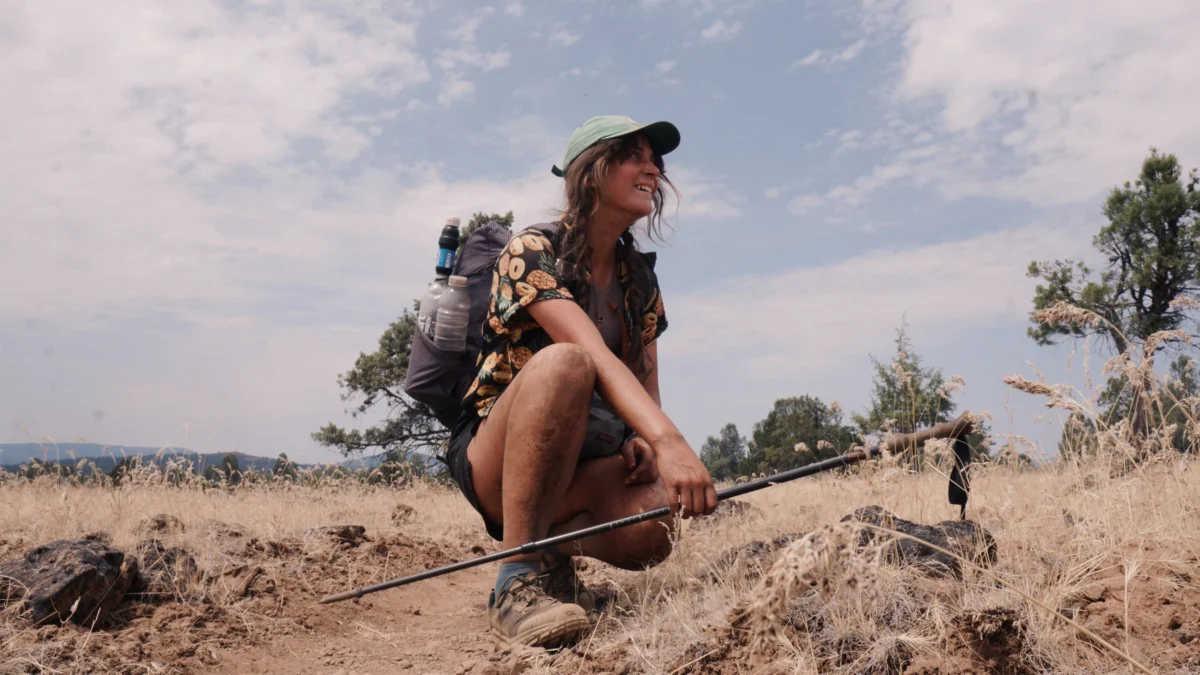
The pursuit of absolute minimal weight has long been a defining ethos within the long-distance backpacking community. For decades, thru-hikers tackling monumental routes such as the 2,650-mile Pacific Crest Trail (PCT), the 3,100-mile Continental Divide Trail (CDT), and the 2,190-mile Appalachian Trail (AT) have obsessively shaved grams off their base weights. From sawing toothbrush handles in half to sleeping on undersized foam pads, the prevailing mindset dictated that physical suffering was a direct metric of backcountry authenticity.
However, a growing cohort of veteran long-distance hikers is challenging this dogmatic approach. After accumulating thousands of miles on rugged terrain, experienced backpackers are undergoing what is commonly referred to in the community as the "ultralight rebound." Rather than asking whether a piece of gear can be eliminated entirely, seasoned adventurers are reevaluating the true cost of extreme minimalism, strategically adding ounces back into their packs in exchange for improved sleep, injury prevention, and mental well-being on the trail.
The Psychology of the Gram Counter and the Evolution of Thru-Hiking Culture
The modern ultralight movement traces its roots back to the early 1990s, pioneered by figures like Ray Jardine, who advocated for drastic reductions in pack weight to increase daily mileage and reduce physical fatigue. The philosophy quickly gained traction, transforming outdoor retail and inspiring a generation of minimalists who viewed every ounce as an unnecessary tax on the body.
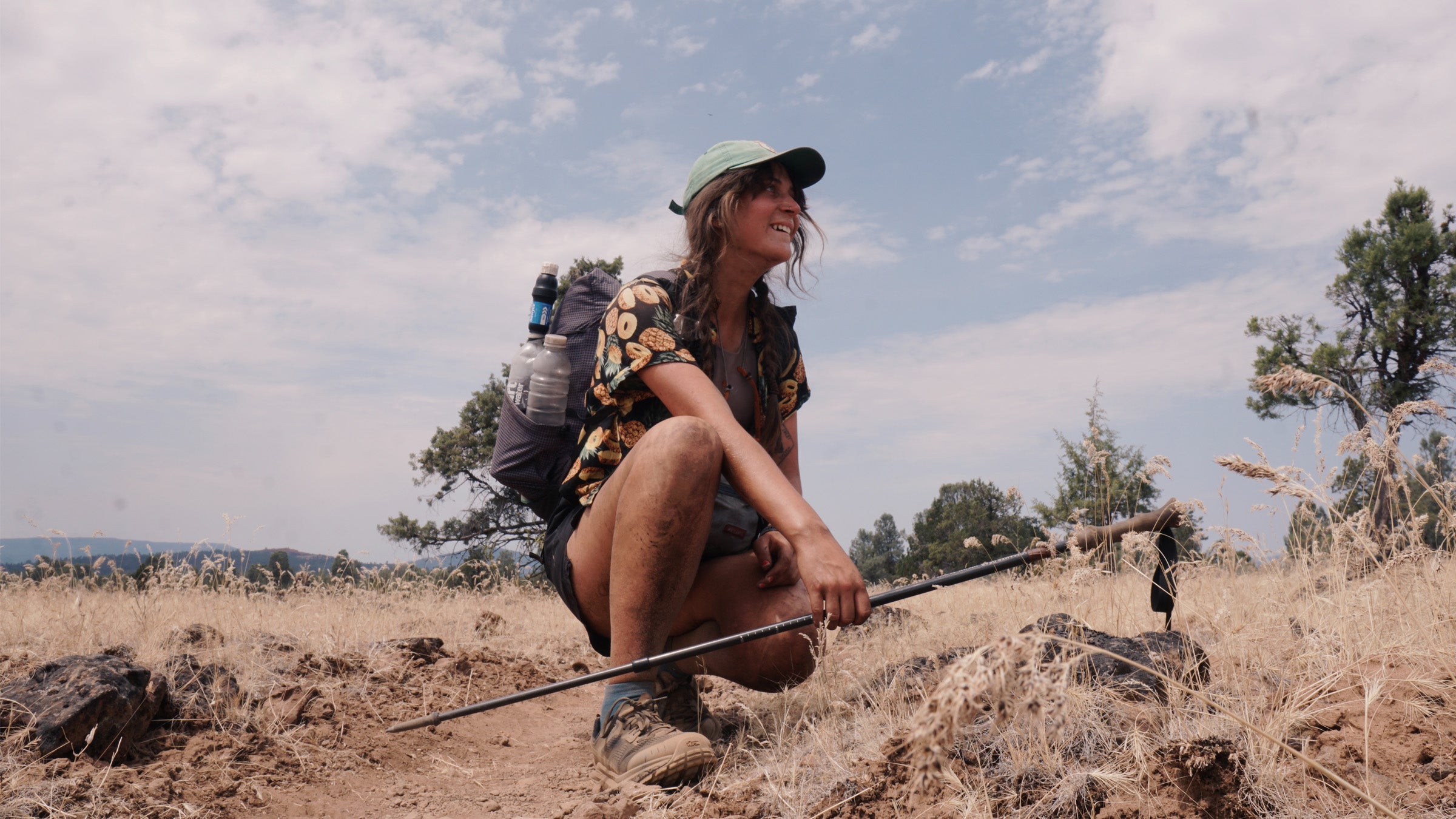
For many first-time thru-hikers, the initial exposure to ultralight gear is marked by hasty compromises and gear failures born of inexperience. Veteran hikers often recall early miscalculations, such as trading a reliable rain jacket for a disposable gas station poncho or enduring freezing nights under poorly pitched plastic tarps. These early trials frequently result in hypothermic scares, sleep deprivation, and physical exhaustion.
Over a span of multiple thru-hiking seasons, these cumulative experiences force a paradigm shift. The core metric of success evolves from maintaining the lowest possible base weight on paper to ensuring sustainable comfort and injury mitigation over a five-month expedition.
Key Gear Additions: Reevaluating Comfort Versus Weight
As thru-hikers mature in their outdoor philosophies, several specific items routinely find their way back into packs, despite adding a modest weight penalty.
1. The Full-Length Sleeping Pad
A cornerstone of extreme ultralight philosophy is the use of torso-length closed-cell foam pads or heavily modified air pads designed to save a few ounces. While these systems suffice in mild conditions, they frequently fail to provide adequate insulation or physical support in freezing weather.
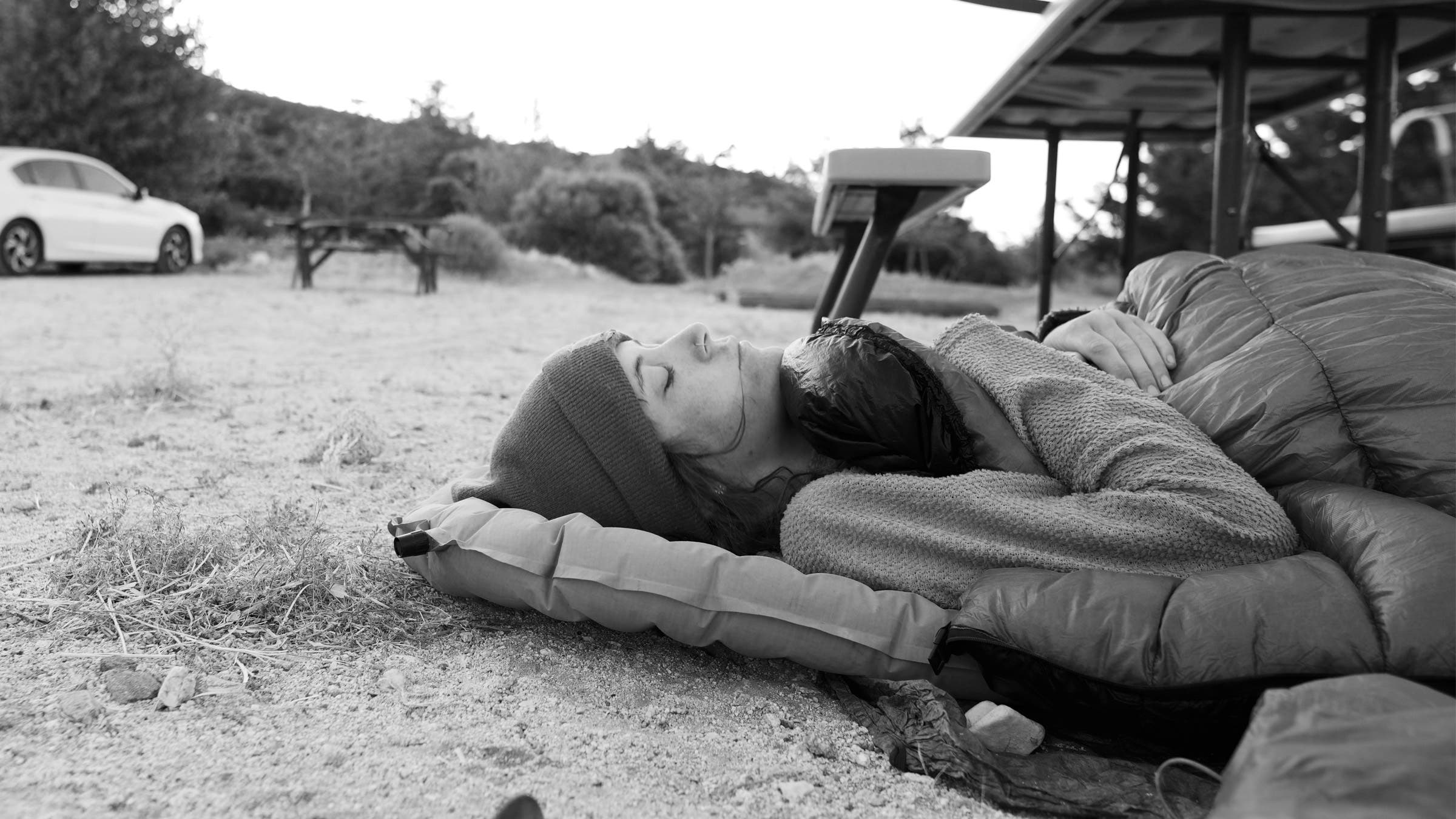
Hikers returning to full-length sleeping pads note that the marginal three-to-four-ounce weight increase is entirely offset by restorative sleep. Extending support beneath the legs prevents lower-back strain and keeps the lower extremities insulated from the frozen ground. In a sport where daily physical recovery is paramount, adequate sleep systems are increasingly viewed as essential safety equipment rather than luxury items.
2. Transitioning Back to a Cook System
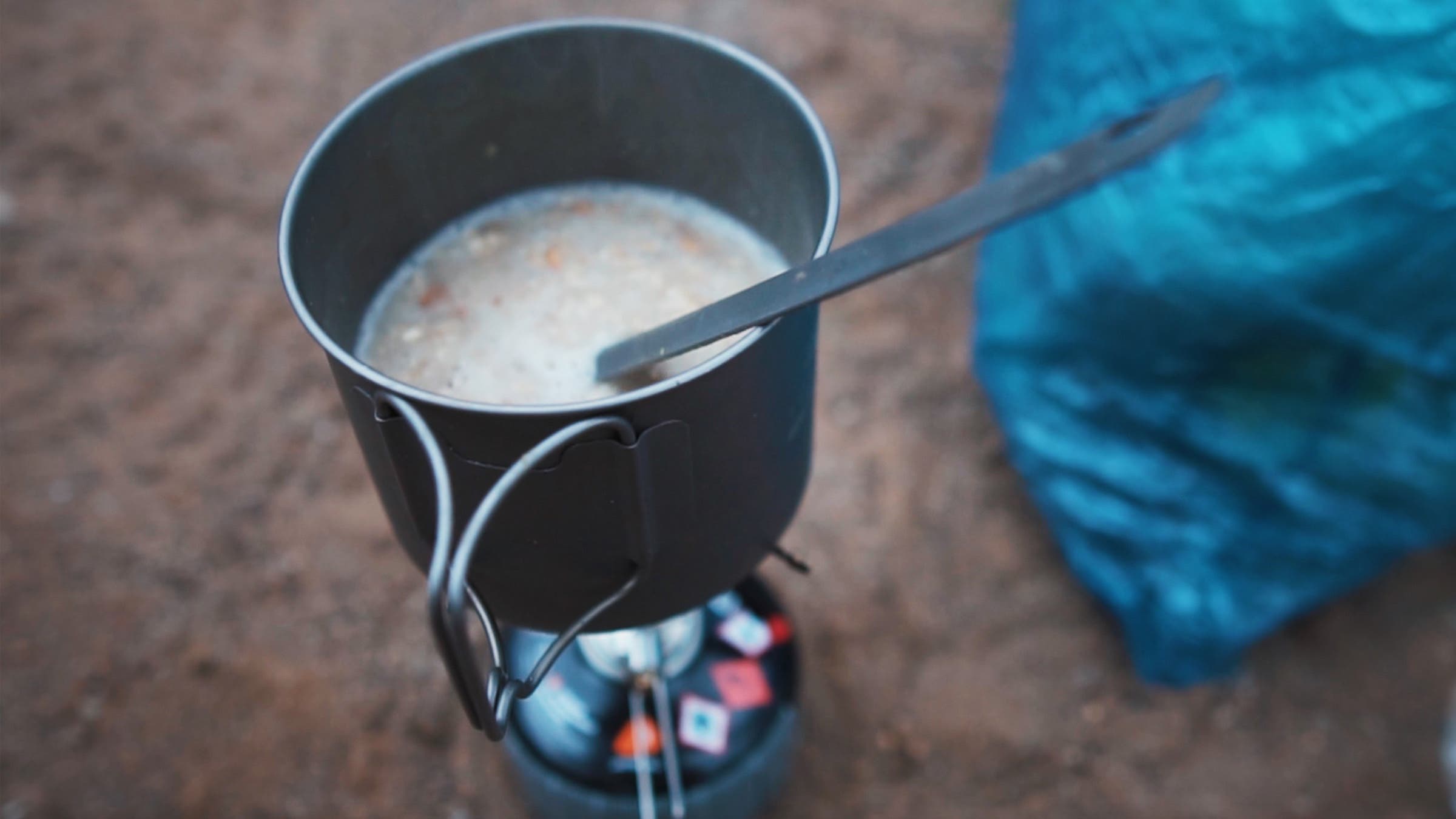
The practice of "cold soaking"—rehydrating dried meals in unheated water inside jars or plastic bags to bypass the need for a stove and fuel canister—gained significant popularity among radical minimalists seeking to eliminate stove weight and fuel management.
While cold soaking is manageable during warm summer months, its limitations become glaringly apparent in alpine environments or during unexpected autumn cold snaps. Instances of overnight temperatures plunging below freezing—causing water bottles and food contents to crystallize inside tents—demonstrate the functional necessity of warm calories.
Significantly, even ideological pioneers of minimalism have revised their stances. Ray Jardine, reflecting on his pioneering 1993 Appalachian Trail thru-hike decades later, acknowledged that omitting a stove was an excessively bold decision whose marginal weight savings did not justify the loss of warm nutrition and psychological comfort in adverse weather. Consequently, lightweight canister stoves have steadily reclaimed their place in standard gear inventories.
3. Reintroducing Padded Hipbelts
In the quest to "free the hips" and adopt specialized frameless packs, some minimalists experimented with removing hipbelts entirely or cutting them off standard packs. The physiological consequences were predictable: accelerated shoulder fatigue, nerve compression in the upper torso, and chronic joint stress.
Data from physical therapists and outdoor medicine specialists emphasize that load distribution is critical for preventing long-term musculoskeletal injuries during multi-thousand-mile journeys. The addition of a detachable, lightly padded hipbelt—often adding mere ounces—transfers weight efficiently from the shoulders to the pelvic girdle, preserving the upper body and safeguarding hikers’ long-term physical longevity.
4. Wind Pants as a Multi-Use Safeguard
Weighing roughly three ounces, minimalist wind pants have transitioned from a redundancy to a staple item for seasoned backpackers. Beyond serving as an effective thermal layer during sleep and keeping camp dust off down quilts, wind pants provide a psychological and physical barrier against biting insects and harsh alpine gusts. The minor acoustic and weight trade-offs are widely considered negligible compared to the substantial increase in daily comfort.
Industry Implications and the Modern Gear Market
The shift toward functional comfort has not gone unnoticed by outdoor gear manufacturers. The contemporary cottage industry, once entirely consumed by the race for the lightest possible denier fabrics and absolute weight minimization, has increasingly pivoted toward "smart-weight" design.
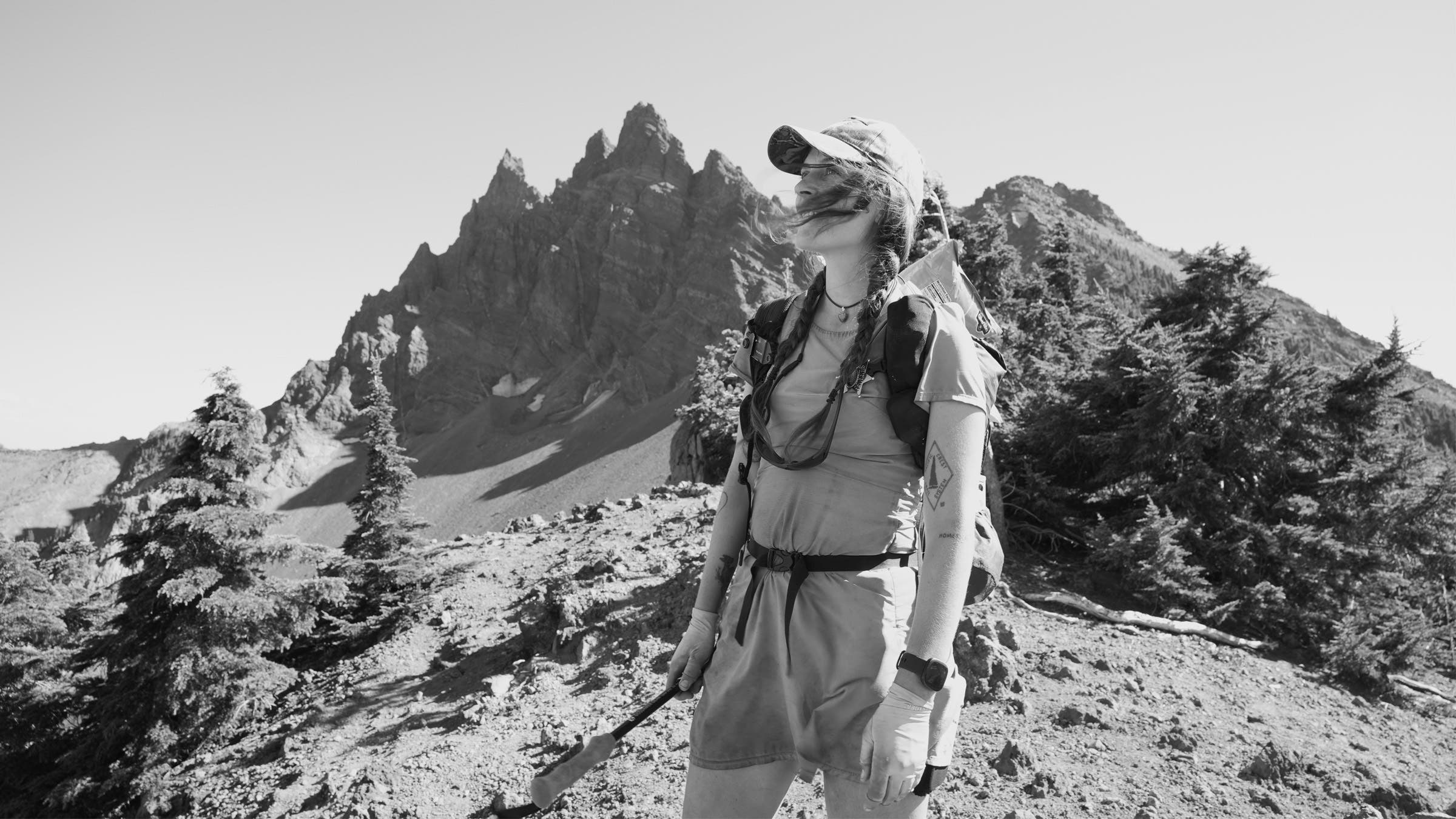
Manufacturers are now producing hybrid gear that incorporates durable face fabrics, modular components—such as removable hipbelts and adjustable sleep systems—and integrated weather protections that do not sacrifice structural integrity. This evolution reflects a broader maturation within the backpacking market, aligning consumer demand with the practical realities of long-distance trekking.
Broader Impact on Outdoor Safety and Longevity
Ultimately, the retreat from radical ultralight dogmatism highlights a broader principle within wilderness recreation: gear is a tool intended to facilitate a safe, sustainable journey, not an ideological test of endurance.
Industry analysts and veteran guides suggest that this pragmatic pivot reduces the incidence of preventable exhaustion, hypothermia, and overuse injuries among novice and intermediate backpackers alike. By prioritizing physical health and environmental adaptability over arbitrary weight targets, hikers are better equipped to complete ambitious routes while preserving their bodies for decades of future exploration.