As of July 31, 2026, the landscape of technical trad climbing is undergoing a quiet, high-friction evolution rooted in a Salt Lake City garage. Danny Parker, a 34-year-old elite climber renowned for his 2018 repeat of the infamous Century Crack (5.14b), has transitioned from training for the world’s hardest offwidths to becoming an accidental innovator in the specialized field of shoemaking. Over the past year, Parker has produced approximately 100 pairs of his custom-designed climbing shoe, the Pronk. With a 70-person waitlist and plans to expand his production capacity through professional cobbling and sewing partnerships, Parker is challenging the status quo of a footwear market that he argues has neglected the specific biomechanical needs of crack specialists.
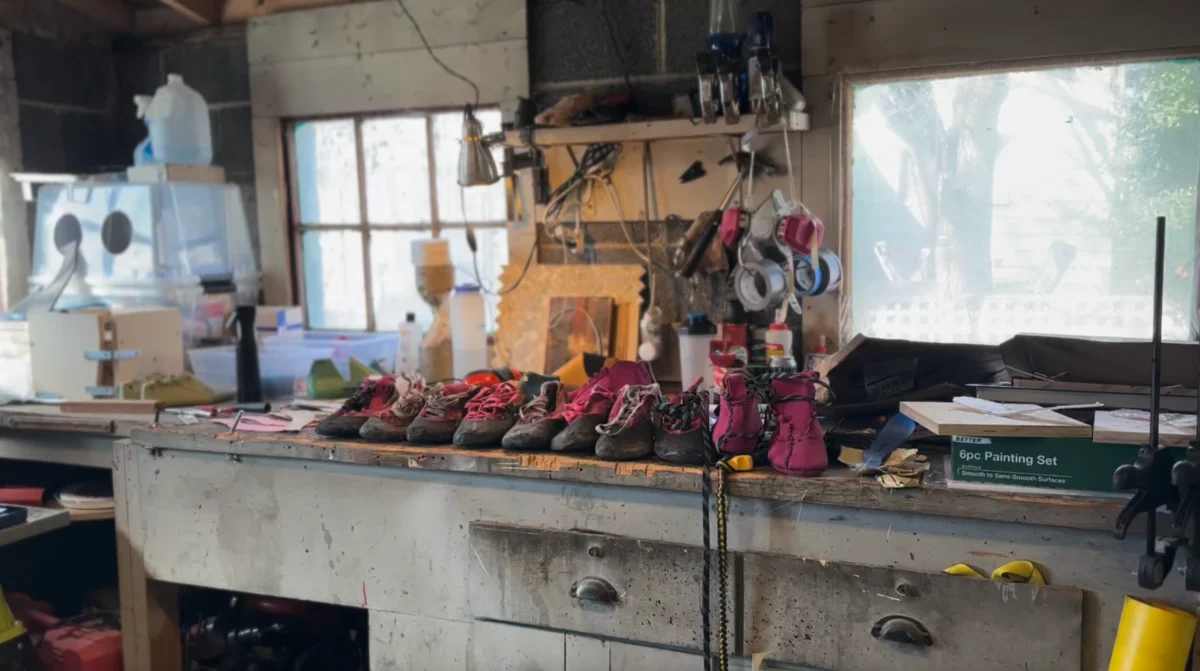
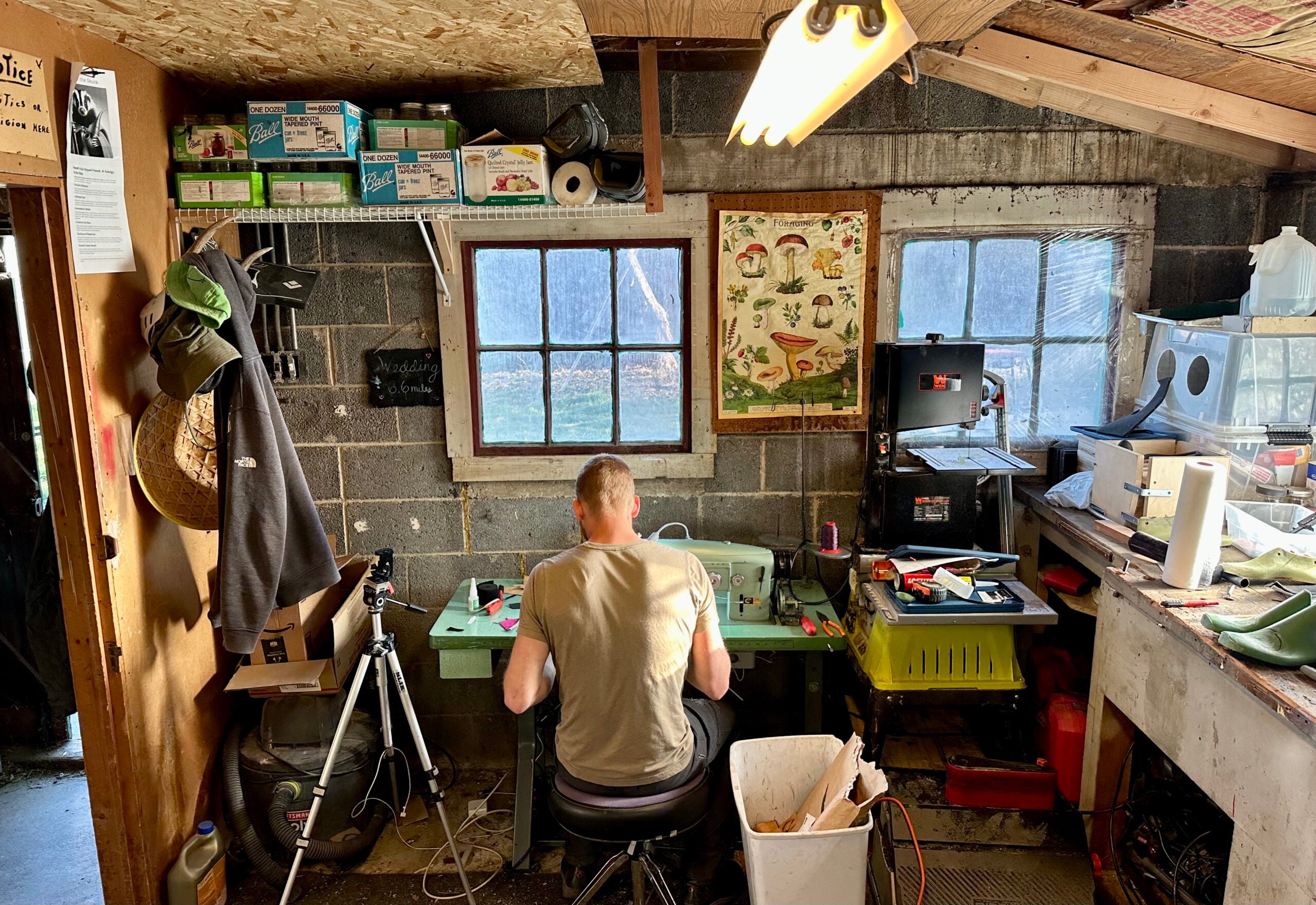
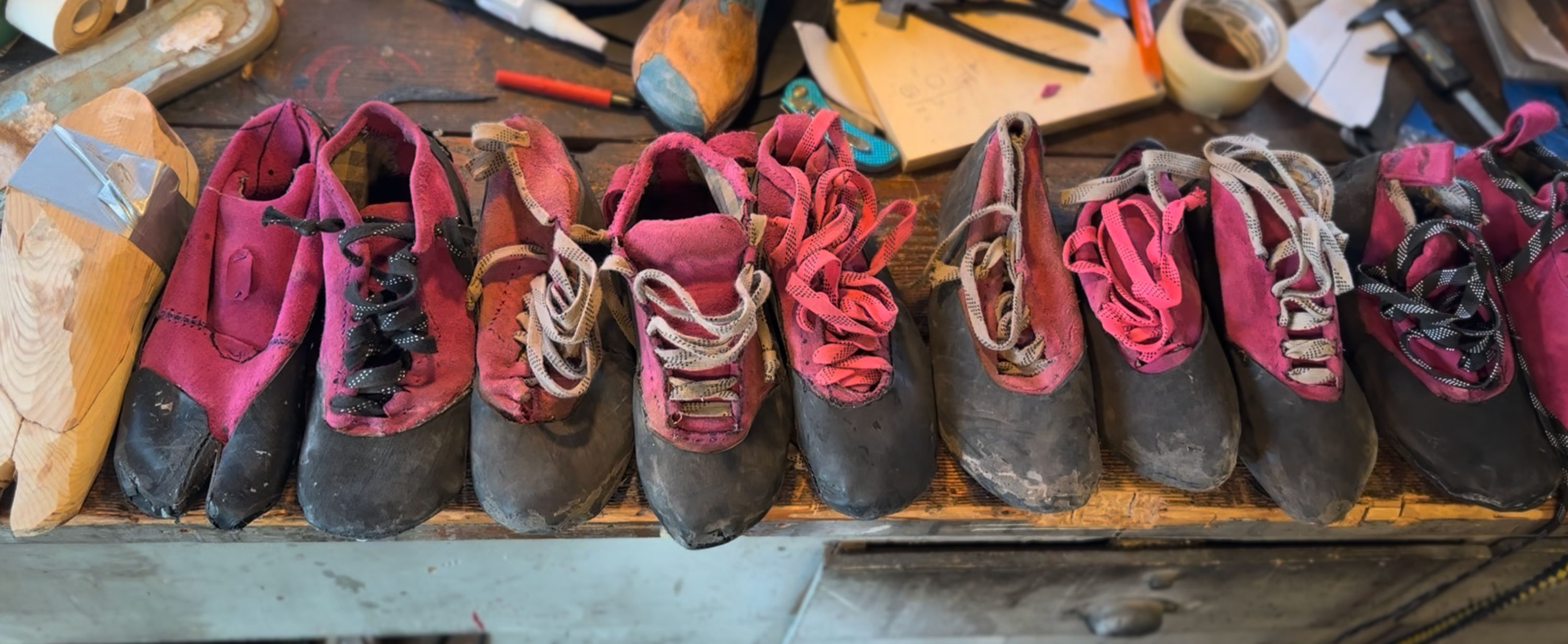
The garage, colloquially known as the Crack Fortress, has served as a pilgrimage site for elite climbers since Parker’s breakthrough performances. It is a space where the scent of rubber and the hum of industrial sewing machines have replaced the stacks of crashpads that defined the workspace in previous years. Here, the transition from athlete to artisan has been marked by a rigorous, iterative design process. Parker’s goal was singular: to engineer the first true crack shoe, one capable of performing seamlessly across the entire spectrum of crack sizes, from thin finger jams to wide offwidth roofs.
A Chronology of Innovation
The genesis of the Pronk lies in a decade of frustration with commercial offerings. In 2014, Parker observed his friend and climbing partner Mason Earle disassembling shoes in an oven to strip away structural components. Earle’s aspiration was to resurrect the characteristics of the 2011 Five Ten SuperMocc, a legendary but short-lived shoe prized for its lack of a midsole, which allowed it to mold into tight fissures. While the SuperMocc was a masterclass in jamming capability, it suffered from severe structural instability, leading to premature failure.
Parker adopted these experimental methods, spending years modifying his own Alturas by removing midsoles and customizing the internal architecture to create a hybrid profile: a rigid edge on the big-toe side for face climbing and a flexible, low-volume profile on the pinky-toe side for jamming. This DIY laboratory, fueled by Parker’s hyper-focus and professional guidance from local resolers like Mark Evans and industry veterans at Black Diamond, culminated in a functional prototype in late 2024.
The project accelerated when Parker was invited to consult on a redesign for Butora’s Altura line. Despite providing extensive technical feedback on the necessity of a low-volume toe box and specialized ankle protection, the partnership dissolved when the manufacturer prioritized a design trajectory mirroring the popular La Sportiva TC Pro. Parker interpreted this as a fundamental misunderstanding of the crack climber’s requirements, asserting that current "big wall" shoes are essentially face-climbing shoes with added padding, failing to address the specific geometric challenges of jamming narrow cracks.
The Engineering of the Pronk
The core value proposition of the Pronk is its unprecedented toe-box volume. In technical climbing, the ability to seat a foot in a crack is often the difference between a successful send and a fall. Using a digital caliper, Parker’s design demonstrates a significant reduction in profile thickness compared to market standards. While a standard high-end trad shoe measures approximately 34.4mm at the toe, the Pronk clocks in at 23.8mm—a 36% reduction in bulk.
This reduction is achieved by an innovative, single-piece rand construction that wraps the rubber around the edge of the toe rather than stacking it underneath. By eliminating redundant layers of material, the shoe allows the climber to access cracks as thin as a .4 Black Diamond Z4 cam. For the climbing community, this is not merely a comfort modification; it is a tactical advantage that effectively alters the technical grade of a route.
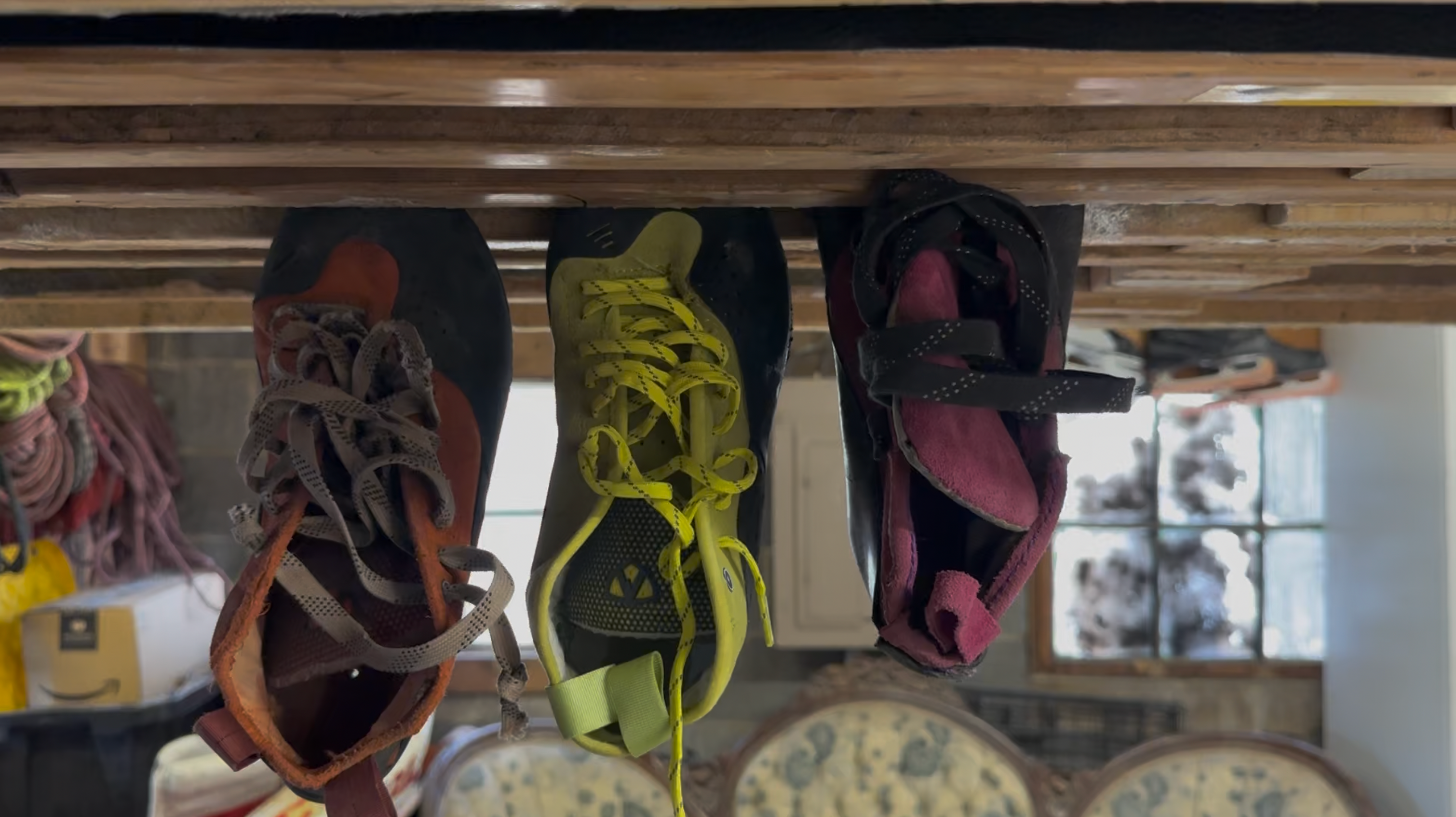
The design also incorporates features specifically for the more arduous aspects of offwidth climbing. The inclusion of high-coverage rubber, bolstered ankle protection, and the use of durable hockey laces—chosen for their resistance to abrasion against granite and sandstone—positions the Pronk as a dual-purpose tool. It functions as a precision instrument in technical thin-crack cruxes and a robust protective layer in roof-climbing scenarios.
Market Implications and Industry Response
The broader implications of the Pronk are twofold: the potential for a shift in specialized gear manufacturing and the democratization of elite-level climbing performance. Historically, the climbing shoe market has been dominated by large-scale manufacturers focused on high-volume, general-purpose shoes. The niche requirements of thin-crack specialists have often been relegated to "taping" techniques or extensive DIY modifications.
Industry experts note that while the Pronk may not be a mass-market product, it addresses a significant "performance gap." By lowering the barrier to entry for finger jamming, the shoe could theoretically open up a substantial percentage of technical routes to a wider range of climbers. However, the commercial viability of such a specialized shoe remains subject to the volatility of global supply chains and recent U.S. tariff adjustments. Parker is currently navigating these logistics as he seeks to move production from his garage to a scalable model.
Regarding the "aid" debate—a common inquiry when new gear significantly enhances performance—Parker remains pragmatic. He argues that the Pronk does not introduce an artificial aid but rather subtracts the obstructive material that has historically hindered human performance. By moving the shoe’s profile closer to the anatomy of a bare foot, he posits that he is refining, rather than augmenting, the climber’s capability.
Future Outlook and Sustainability
The success of the Pronk in the field has already been validated. In early 2025, Parker utilized the shoe to repeat a 5.12+ finger crack in the Momentum Sandy gym that he had previously failed to climb in standard footwear. Similarly, elite climbers like Pete Whittaker have sought out Parker’s custom modifications to facilitate ascents of routes like Stranger Than Fiction (5.14b), which have historically required climbers to remove one shoe entirely to fit their feet into the crack.
As Parker prepares for the next phase of his venture, he faces the typical hurdles of an entrepreneur: balancing the desire for artisanal quality control with the pressure of a growing, global waitlist. He plans to bring in professional cobblers to ensure the consistency of the hand-made builds while maintaining the design integrity that has defined the project to date.
For the traditional climbing community, the Pronk represents a departure from the "corporate-first" design philosophy that has defined the last decade of gear development. It serves as a testament to the power of athlete-led innovation—a trend that may encourage established manufacturers to reconsider their approach to specialized, high-performance climbing footwear. Whether the Pronk remains a boutique, hand-made phenomenon or serves as the catalyst for a new industry standard, its impact on the technical progression of crack climbing is already secured in the annals of the sport’s history. As Parker continues his work in the Crack Fortress, he remains focused on the primary objective: providing the tools necessary to conquer the most elusive, thin, and unforgiving cracks in the world.