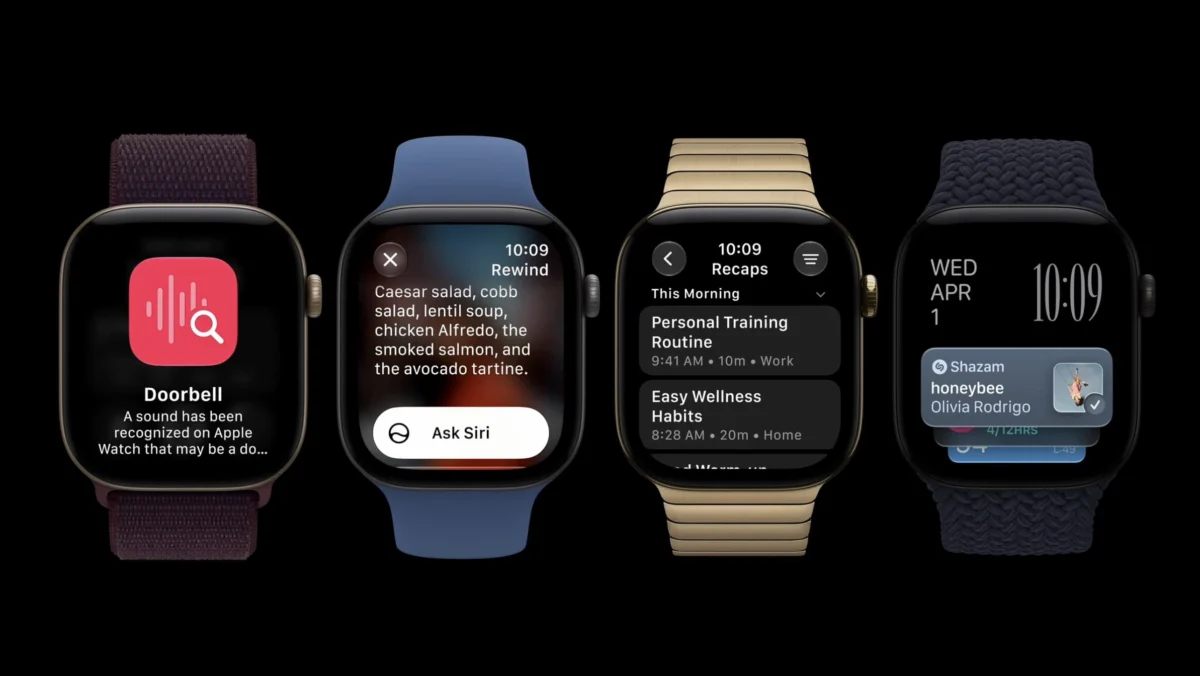
Apple has officially introduced a sophisticated suite of features dubbed Audio Intelligence, debuting alongside the launch of the Apple Watch Series 12 and Apple Watch Ultra 4. This new technological framework integrates advanced on-device processing with the company’s latest S11 silicon, aiming to provide users with tools for sound recognition, music identification, and contextual awareness. The release, which signals a pivot toward more proactive, AI-driven wearable utility, is accompanied by a detailed privacy white paper intended to address the inherent sensitivities of deploying microphones for continuous environmental analysis.
The announcement occurred during Apple’s September 2026 product showcase, a high-profile event that highlighted the company’s ongoing strategy to decentralize intelligence by moving complex computational tasks from the cloud to the device itself. By leveraging the S11 chip’s dedicated neural engines, Apple is positioning the new watches not merely as health trackers, but as context-aware assistants that can interpret the auditory environment in real-time.
The Four Pillars of Audio Intelligence
The inaugural rollout of Audio Intelligence encompasses four primary functionalities: Sound Recognition, Shazam-powered Music Recognition, Live Rewind, and Siri Recap. While Sound Recognition and Music Recognition represent an evolution of existing Apple Watch utilities, Live Rewind and Siri Recap introduce entirely new paradigms for human-computer interaction on the wrist.
Live Rewind is designed for quick, ephemeral information retrieval. By double-pressing the Digital Crown, a user can instantly display the last 15 seconds of ambient speech as text on the watch face. This feature is targeted at users who may have missed a brief spoken instruction or who require immediate visual confirmation of audio cues. To maintain social etiquette and privacy, the device provides both an audible chime and a visual indicator when the feature is active, ensuring that those in the immediate vicinity are aware that the device is processing audio.
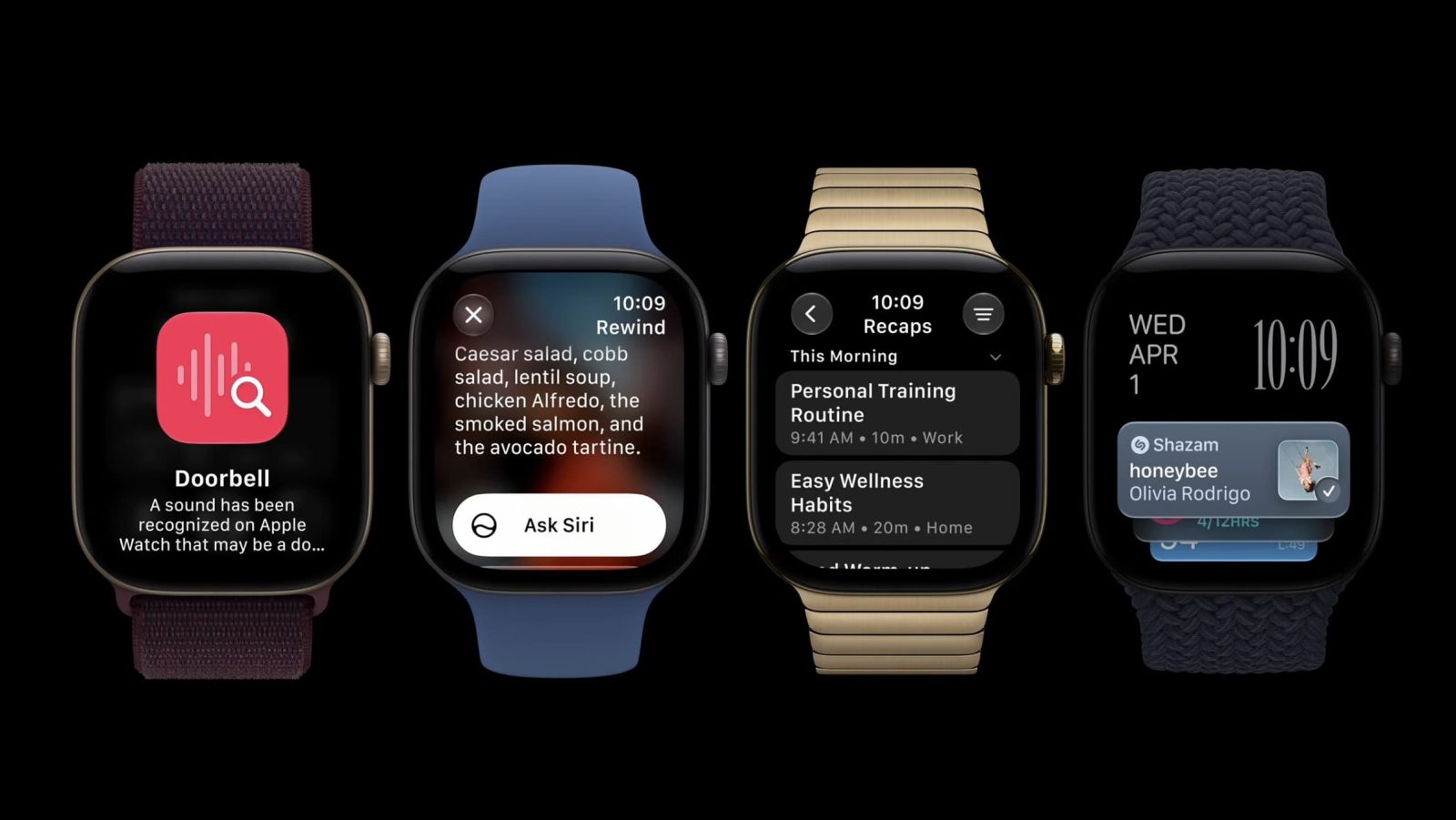
Siri Recap, meanwhile, offers a broader summary of the user’s surroundings. It is designed to aggregate conversational context over time, providing the user with a synthesized overview of discussions or environmental audio. Unlike standard transcription services, Siri Recap is engineered with strict filtering protocols to automatically exclude sensitive data or harmful content, ensuring the output remains relevant and secure. Both features are currently slated for a beta release in English later this year.
A Chronology of Apple’s AI Integration
The path to this moment has been paved by years of iterative development in the Apple Watch lineup. Since the inception of the Apple Watch, the company has gradually increased the autonomy of the device.
- 2015–2018: The early years focused on establishing the watch as a fitness companion and notification hub.
- 2019–2021: The integration of the S-series chips allowed for more robust local processing, enabling features like hand-washing detection and fall detection, which relied on rudimentary motion and sound sensors.
- 2022–2024: Apple shifted its focus to the "Siri on-device" initiative, reducing reliance on cloud connectivity for basic requests and improving the latency of voice commands.
- 2025: Initial prototypes for ambient sound analysis were tested within watchOS, setting the stage for the full Audio Intelligence suite.
- September 2026: The official launch of the Series 12 and Ultra 4 marks the first time these capabilities are backed by the dedicated privacy architecture of the S11 chip.
Privacy Architecture and the Secure Exclave
A significant portion of the discourse surrounding the new release centers on the technical safeguards implemented by Apple. Given the intrusive nature of ambient audio monitoring, the company has sought to preempt criticism by publishing an 11-page white paper detailing the "Secure Exclave" architecture.
According to Apple, the S11 chip serves as the foundation for this privacy model. For Live Rewind, audio data flows exclusively into an isolated audio buffer within the Secure Exclave. This buffer is strictly ephemeral; as new audio enters, the old data is overwritten. Crucially, the raw audio data is never stored in long-term memory, nor is it accessible to the watch’s operating system, third-party applications, or Apple’s cloud servers.
The Siri Recap feature follows a similar, albeit more complex, logic. The device utilizes a "lightweight" AI model—a small-footprint machine learning algorithm—that continuously monitors the environment for the mere presence of speech. This model does not perform transcription or recording; its sole function is to detect the onset of a conversation. Only when a conversation is detected does the system engage, and even then, the processing is performed in a hardware-isolated environment that remains opaque to the user and the system software.

Data Implications and Industry Context
The move toward ambient AI on wearables places Apple in direct competition with emerging hardware players and software developers who are aggressively integrating Large Language Models (LLMs) into everyday hardware. However, Apple’s strategy is distinct in its "on-device-first" philosophy.
Industry analysts suggest that the success of Audio Intelligence will depend heavily on the accuracy of the S11 chip’s "speech detection" model. False positives—where the watch triggers based on background noise or television audio—could lead to battery drain and user frustration. Conversely, if the detection model is too conservative, users may find the features unreliable.
Furthermore, the decision to launch these features in beta with English-only support reflects the significant engineering challenge of training localized models that can handle various dialects, ambient noise profiles, and speech cadences without the assistance of a massive server-side computing cluster.
Official Responses and Future Outlook
During the launch presentation, Apple executives emphasized that the company’s stance on privacy remains the primary differentiator for its AI features. By keeping the processing on the wrist, Apple is attempting to mitigate the risks associated with data breaches or unauthorized access to private conversations.
"Audio Intelligence is not about constant surveillance; it is about providing the user with tools to interact with their environment more effectively while maintaining absolute control over their personal data," said an Apple spokesperson during the keynote.

From a broader perspective, the introduction of these tools marks a fundamental shift in how wearable devices are perceived. The watch is moving away from being a passive monitor of health metrics to an active, intelligent interface that facilitates communication and memory.
Broader Impact and Implications
The long-term implications of Audio Intelligence extend beyond the Apple ecosystem. As wearables become more proficient at understanding and summarizing human speech, they will inevitably face regulatory scrutiny. Concerns regarding "secret recording" or the potential for social friction in professional or private settings are likely to intensify. Apple’s proactive use of chimes and visual indicators—essentially a "tally light" for the watch—is a strategic move to address these ethical considerations before they become legal hurdles.
For developers, the integration of these features could eventually open new APIs, allowing third-party apps to access processed auditory data without compromising user privacy. If Apple succeeds in normalizing the use of these tools, it could set a new industry standard for how ambient AI is implemented in consumer hardware, potentially pressuring competitors to adopt similar "secure enclave" hardware architectures.
As the Apple Watch Series 12 and Ultra 4 reach consumers, the real-world performance of these features will be closely monitored. The shift from "smart" to "intelligent" devices is not merely a marketing pivot but a fundamental change in the relationship between humans and their technology. With the release of the privacy white paper, Apple has signaled that it is prepared to defend the technical integrity of its approach, betting that user trust will be the deciding factor in the adoption of these advanced, and potentially sensitive, new capabilities.