Published July 20, 2026 02:46PM
Backpacking, a pursuit that intrinsically demands creativity and resourcefulness, often highlights how the most effective solutions for the trail are not necessarily the most expensive. Navigation, meticulous packing, strategic planning, and complex logistics all converge to foster out-of-the-box thinking. When it comes to gear, the limits of innovation are often defined solely by one’s imagination. While the market abounds with high-end equipment promising reduced weight, enhanced durability, and streamlined performance, a significant segment of the backpacking community has long recognized that some of the most indispensable items are remarkably inexpensive, readily available, and, perhaps most intriguingly, were never originally designed with the wilderness trekker in mind.
Over the years, various outdoor publications and seasoned adventurers have documented ingenious adaptations. Examples include the creation of ultralight shelters from durable Tyvek sheeting, the improvisation of essential first-aid supplies from common items, the versatile use of frisbees as makeshift plates or even emergency paddles, and the repurposing of tent stakes as effective digging tools for sanitation needs. These instances underscore a fundamental principle in backcountry travel: resourcefulness often trumps technological sophistication. This article explores seven additional gear hacks that are exceptionally low-cost and possess the potential to significantly enhance a backpacker’s experience, proving that what these hacks may lack in advanced engineering, they more than compensate for in sheer practical ingenuity. The ongoing dialogue within the backpacking community encourages the sharing of such innovations, with platforms inviting enthusiasts to contribute their favorite gear hacks and tips, which may then be integrated into future compilations.
Trailside Wellness: Harnessing Everyday Objects for Muscle Recovery
The physical demands of extended hiking can leave even the most conditioned athletes experiencing significant muscle fatigue and soreness. Upon reaching a campsite or a designated rest stop, the immediate desire for professional massage therapy is a common sentiment among backpackers. In the absence of such a luxury, readily accessible self-myofascial release (SMR) tools offer a viable and cost-effective alternative. Two such readily available items are tennis balls and sections of PVC pipe.
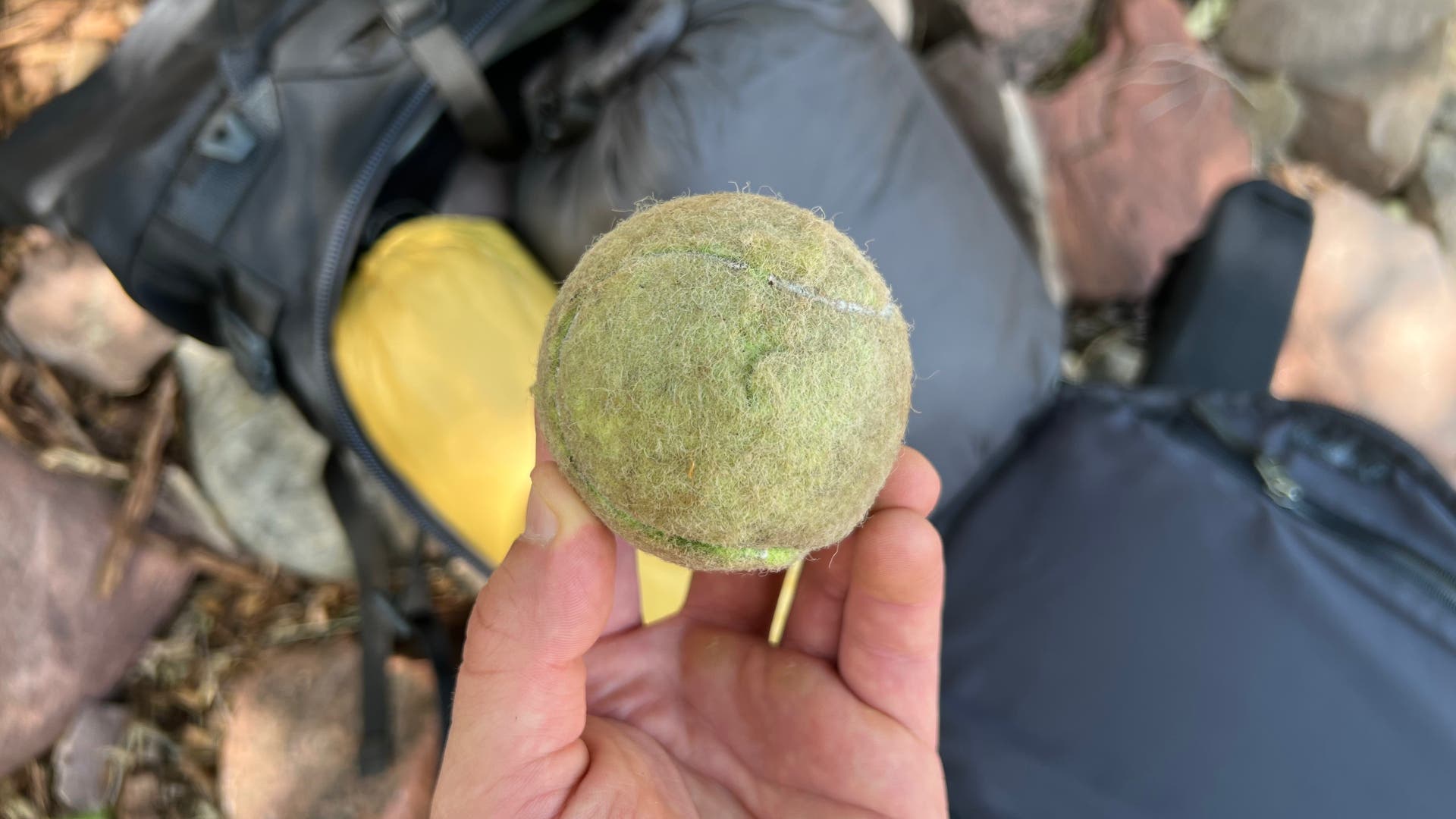
Tennis balls, widely recognized for their use in sports, can serve as highly effective massage tools. By strategically positioning a tennis ball beneath specific muscle knots, particularly in the shoulder region, hikers can utilize their body weight to apply targeted pressure. Rolling the body over the ball allows for a deep tissue massage, helping to alleviate tension and improve circulation. This method directly addresses trigger points and can provide substantial relief after long days on the trail.
Similarly, sections of PVC pipe can function as efficient muscle rollers. A 3- to 4-inch diameter piece of PVC, approximately three inches in length, is ideal for this purpose. This can be used to break up myofascial tissue in larger muscle groups such as the thighs, calves, along the spine, and in the hip flexors. The sensation, while often intense, is commonly described as "hurts so good," indicating its effectiveness in releasing deep muscle adhesions. A practical tip for enhancing the utility of a PVC roller involves wrapping it with duct tape. This not only provides a slightly grippier surface but also transforms the roller into a readily available source of repair tape for immediate on-trail needs. For ease of transport and accessibility, ski straps can be employed to lash the PVC roller securely to the exterior of a backpack, ensuring it is readily available for use without occupying valuable internal pack space. The widespread availability and low cost of these items make them an indispensable part of a minimalist wellness kit for any backpacker.
The Improvised Solar Shower: A Luxurious Indulgence in the Wilderness
While perhaps not aligning with strict sustainability principles, the ingenuity behind creating a makeshift hot shower using a black plastic trash bag is undeniable. For those moments when the desire for warmth and cleanliness becomes paramount, this hack offers a surprisingly effective solution, albeit one best reserved for occasional indulgence rather than a daily ritual.
The process involves filling a sturdy black plastic trash bag with several gallons of water. The bag is then placed in direct sunlight for several hours, allowing the dark material to absorb solar radiation and heat the water within. Once the water has reached a comfortable temperature, the bag can be suspended from a tree branch. By carefully puncturing a few small holes in one corner of the bag, a gentle cascade of warm water can be produced, offering a remarkably refreshing and soul-satisfying shower.
While the bag may offer a limited number of reuses by securely tying off the punctured corner, it is generally considered a single-use item for optimal hygiene and effectiveness. This method is particularly valuable in remote locations where access to conventional showering facilities is nonexistent. It represents a resourceful approach to enhancing comfort and morale on extended expeditions. For backpackers seeking a more sustainable and reusable alternative for regular backcountry showering, commercial options such as Sea to Summit’s Pocket Shower are available, offering a dedicated and durable solution for maintaining hygiene in the wilderness.
Ski Straps: The Unsung Heroes of Backpacking Versatility
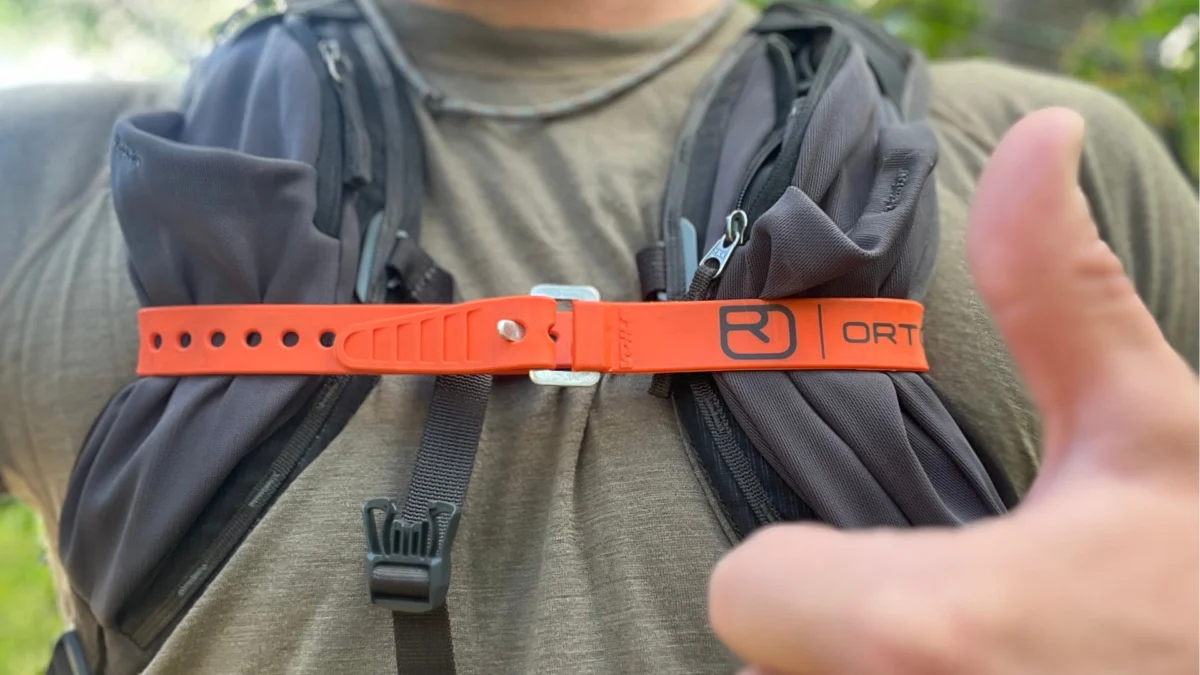
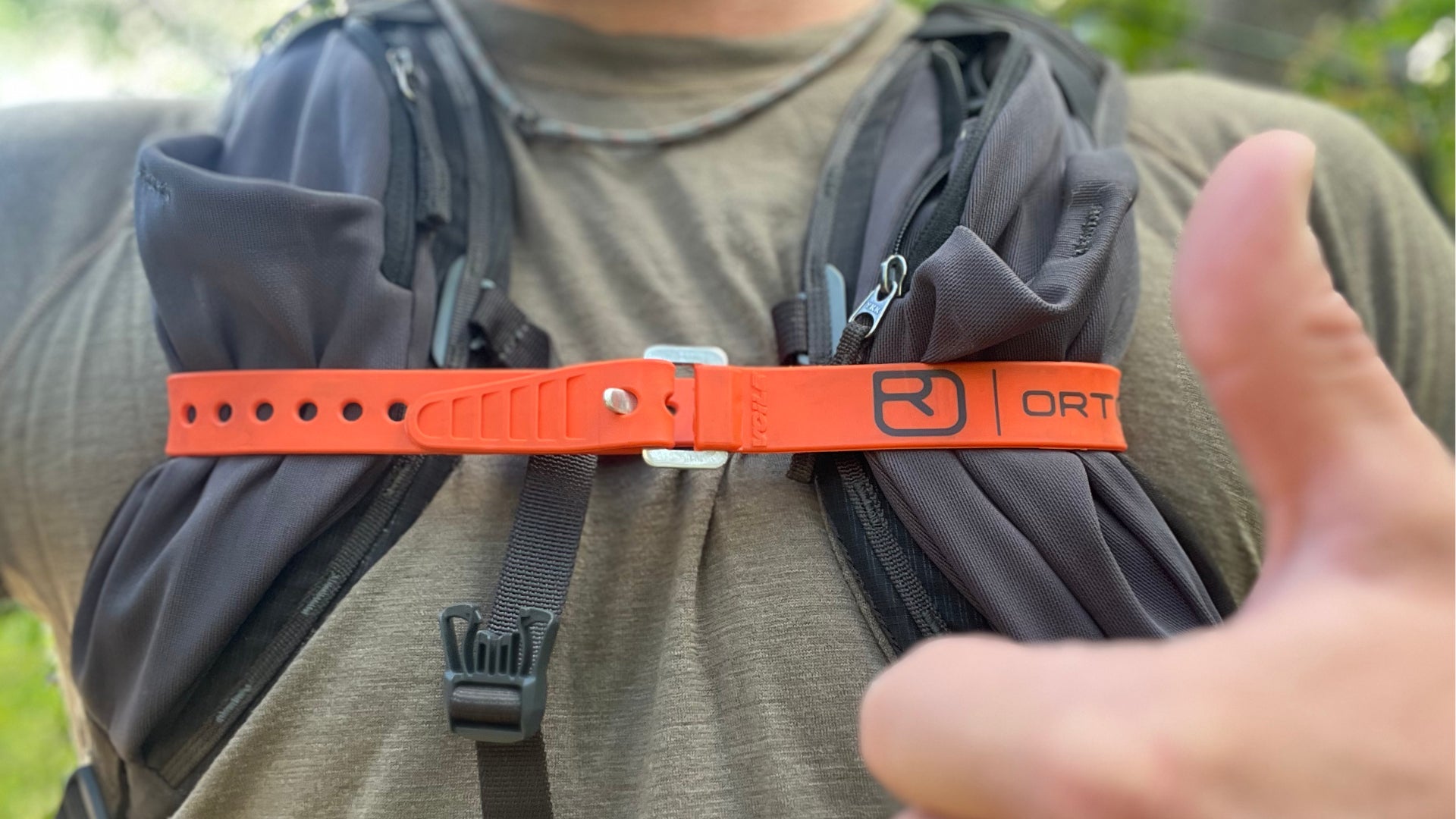
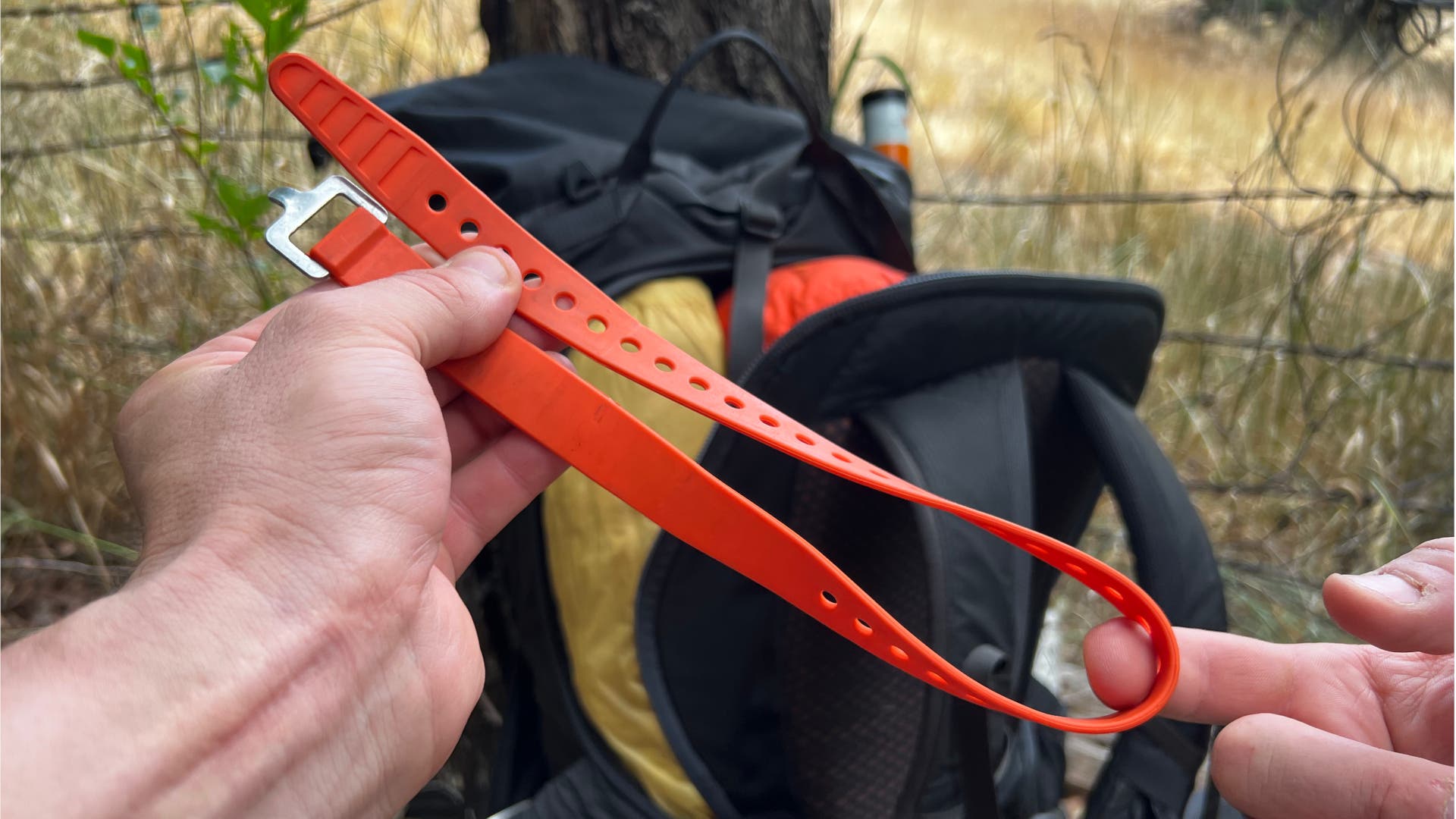
Among the most overlooked yet profoundly useful pieces of gear for any backpacker are ski straps. These simple, rubbery straps, originally designed to secure skis together for transport, possess an extraordinary range of applications on the trail. Their flexibility, durability, and ease of use make them invaluable for quick repairs and gear management.
One common application is the repair of snapped hiking poles. A ski strap can provide a robust temporary fix, allowing a broken pole to be functional again. They can also serve as a replacement for a broken sternum strap, a critical component for stabilizing a loaded pack. Furthermore, ski straps are exceptionally useful for attaching extra gear to the outside of a backpack, such as sleeping pads, tents, or water bottles, thereby freeing up internal storage space. Their utility extends beyond the trail; they can also be used to secure packs to the roof rack of a vehicle, ensuring safe transport.
The versatility of ski straps is often discovered through experience, with users consistently finding new and innovative ways to employ them. Their compact size makes them easy to pack, and many hikers choose to loop them around a shoulder strap for immediate accessibility. Alternatively, they can be stored on hiking poles themselves. A standard 12-inch Voile strap, for instance, typically costs around $8, and larger variety packs containing multiple sizes can be purchased for approximately $22 to $25, offering exceptional value for their extensive utility.
The Dual-Purpose Fishing Kit: Survival and Repair in One
For backpackers who also enjoy fishing, or for those seeking multi-functional survival gear, a fishing hook and line combination offers a surprisingly versatile solution. Beyond its primary purpose as a means of sustenance in a survival scenario, this simple kit doubles as an effective emergency sewing apparatus.
The improvisation involves securing a few fishing hooks to a small piece of cork. Braided fishing line is then wrapped around the cork, effectively creating a compact spool of heavy-duty thread. The fishing hooks, with their inherent sharpness, can then serve as makeshift needles for repairing torn fabrics or equipment. It is crucial to opt for braided fishing line over monofilament. Braided line offers superior knot-holding capabilities and lies flat, mimicking the performance of nylon thread, whereas monofilament can kink easily and may not secure knots as reliably. Brands like Reaction Tackle offer braided fishing line suitable for this dual purpose.
While carrying a dedicated sewing needle and thread is always advisable, the fishing line and hook combination provides a valuable backup. In situations where hiking pants suffer a catastrophic tear or a backpack’s seam gives way, this improvised kit can be a lifesaver, enabling essential field repairs. A basic understanding of sewing techniques is, of course, necessary to effectively utilize this hack for mending gear in the wilderness.
Zip-Top Bags: The Ultimate Compressible Dog Bowls
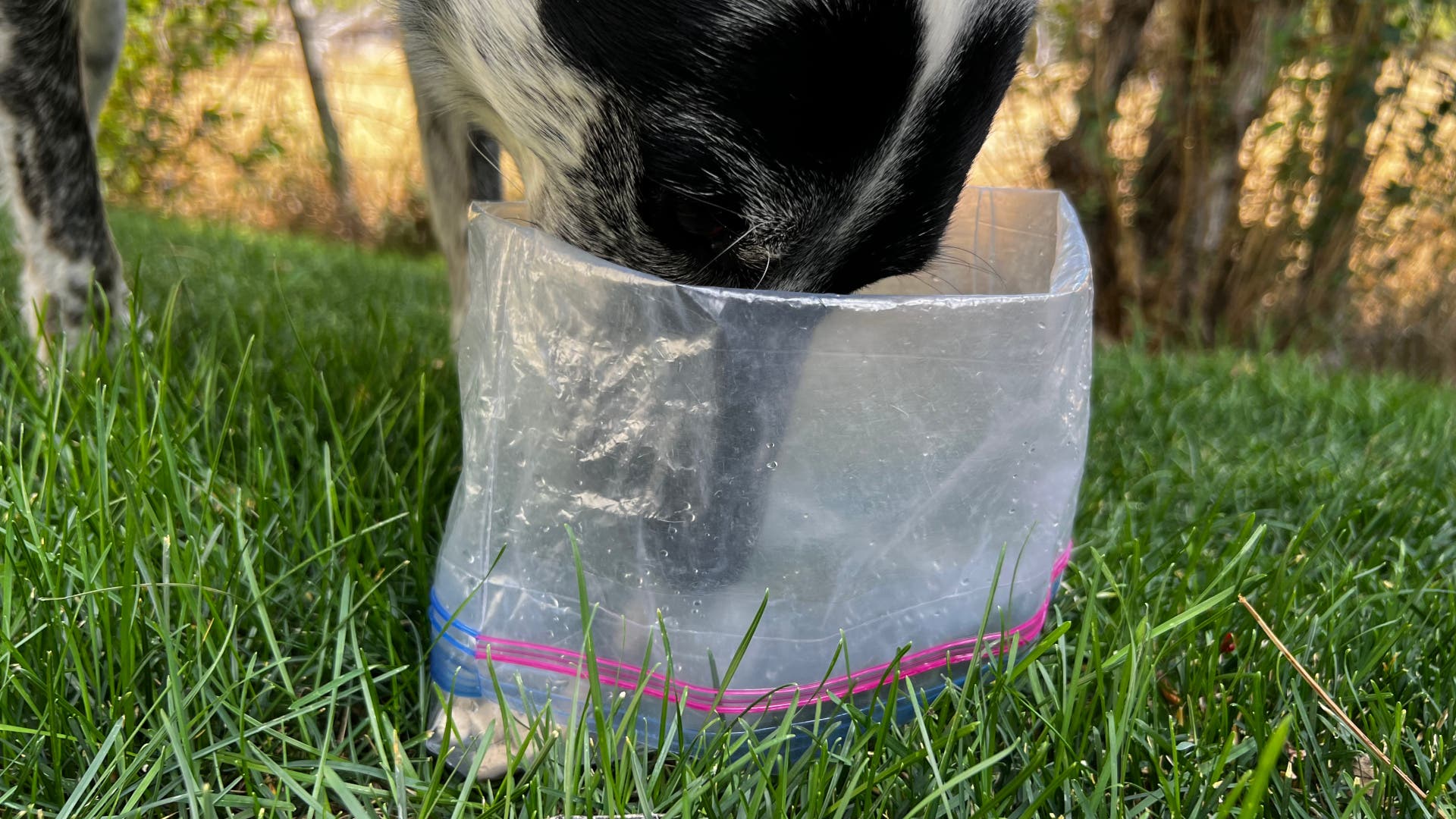
For backpackers who travel with canine companions, maintaining hydration and feeding routines is paramount. While specialized compressible dog bowls are available, the humble zip-top bag offers an equally effective and significantly more economical alternative.
The adaptation is simple: the zip-top bag is opened, and the top edge is rolled down halfway. This creates a stable, bowl-like structure capable of holding water or food. Once the dog has finished its meal or drink, the bag can be emptied, cleaned, and rolled back up, occupying minimal space within a backpack pocket or a gear compartment. Their inherent reusability means that after a trip, they can be thoroughly washed and stored for future adventures. This hack not only saves money but also reduces the need for additional specialized gear, contributing to a lighter pack.
Plastic Shower Caps: An Unexpectedly Effective Boot Protection
Plastic shower caps, often acquired as complimentary amenities at hotels or purchased inexpensively online, offer a remarkably practical solution for protecting footwear and preventing the spread of dirt and debris. The elasticated edge of a shower cap can be easily stretched over hiking boots, encompassing the toe and heel areas.
This creates an effective barrier against mud, dirt, and sand. The primary benefit of this hack is realized when needing to bring dirty boots inside a tent, a common practice to keep the sleeping area clean. The shower cap effectively contains the mess, preventing it from soiling sleeping bags and other gear. Furthermore, these improvised boot covers are highly useful upon returning to a vehicle after a hike, allowing for a clean transition out of muddy footwear without transferring grime to car interiors.
T-Shirts and Seam Grip: Securing Your Wilderness Pillow
A common source of discomfort for many backpackers is the tendency for their inflatable or compressible pillow to slip off their sleeping pad during the night. This seemingly minor annoyance can disrupt sleep and lead to a less restful experience. Fortunately, simple household items can provide a reliable solution to this persistent problem.
One effective method involves utilizing a t-shirt. By fitting the t-shirt over both the pillow and the sleeping pad, the fabric creates a friction barrier that significantly reduces slippage. The pillow is effectively cradled by the t-shirt, keeping it in place throughout the night. Backpackers can choose to dedicate a clean t-shirt specifically for this purpose, or, for those unconcerned by the scent of worn clothing, a previously used hiking shirt can serve the same function.
An alternative, more permanent solution involves the application of a few strategically placed dots of seam grip adhesive onto the sleeping pad where the pillow typically rests. Seam grip, a durable and flexible sealant commonly used for repairing outdoor gear, creates a slightly tacky surface that provides excellent grip for the pillow. Combining both methods—using a t-shirt for added security and seam grip for a more permanent solution—can offer maximum pillow stability, ensuring a more comfortable and uninterrupted night’s sleep in the backcountry. These simple, low-cost solutions underscore the principle that effective gear solutions often lie in unexpected places, transforming everyday objects into indispensable tools for the modern adventurer.