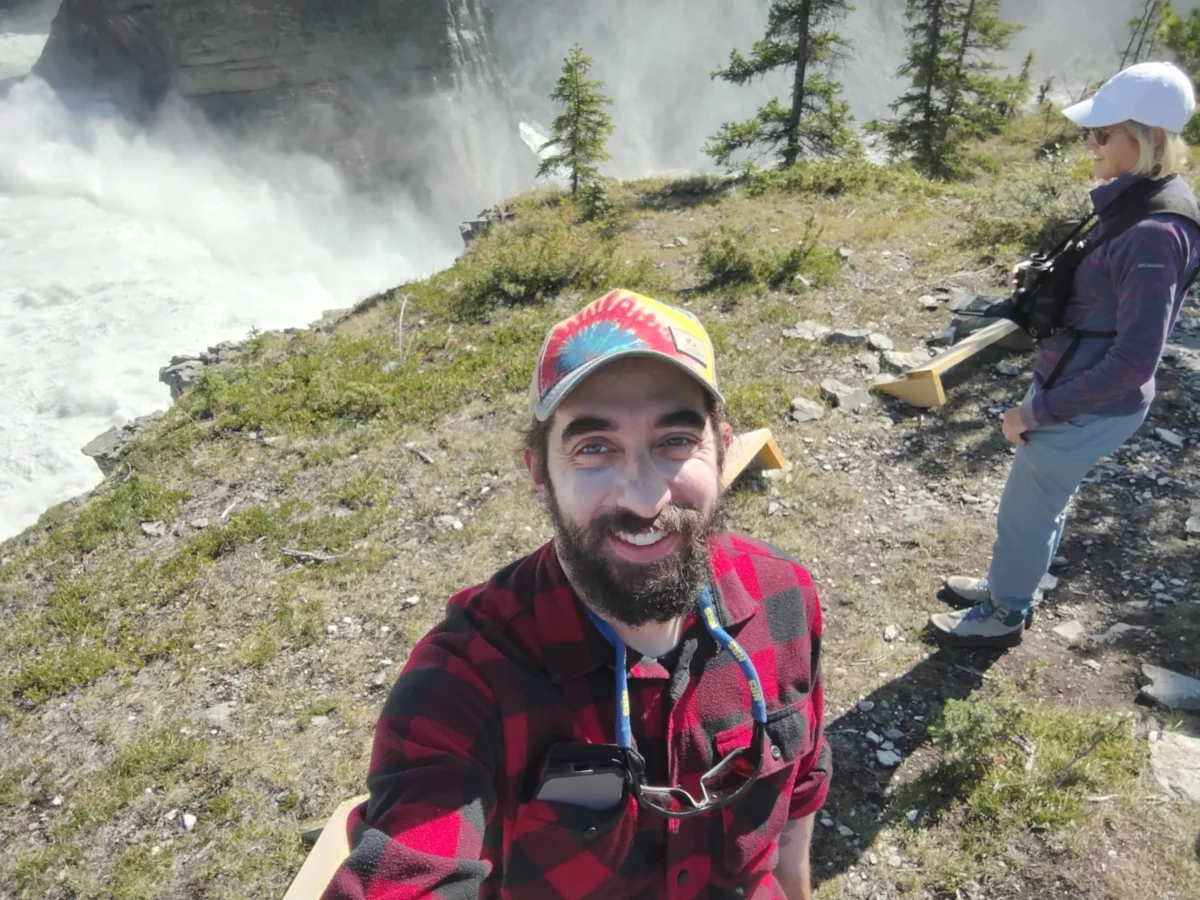
The unassuming red-and-black plaid button-down shirt, initially purchased for a lighthearted Halloween costume, has transcended its humorous origins to become a remarkably versatile and reliable piece of outdoor gear, demonstrating that practicality and comfort often outweigh high price tags and specialized marketing in the realm of active apparel. For nearly a decade, this humble garment has served as a consistent performer across a variety of outdoor pursuits, challenging conventional wisdom about what constitutes essential hiking attire.
The Genesis of an Unlikely Outdoor Staple
The story of this enduring hiking layer begins with a rather unconventional Halloween ensemble. In 2017, the author, Adam Roy, sought to create a humorous matching costume with his five-pound Chihuahua, Hobbes. The centerpiece of the human costume was a rubber Chihuahua mask, designed to mimic the facial features of his pet. Hobbes, a breed more accustomed to warmer climes, was already outfitted in a plaid coat for the Colorado winter. To complete the visual synergy, Roy scoured online retailers for a complementary shirt. His search led him to a synthetic fleece button-up from Wrangler, available at a discounted price of $18. This garment, intended solely for a fleeting moment of sartorial jest, would soon embark on a much longer and more significant journey.
The initial outing for the costume was a local office Halloween party. However, the intended amusement quickly devolved into an exercise in awkwardness. Roy found that the novelty of the rubber mask wore off rapidly, generating more unease than laughter among his colleagues. After a brief appearance, he shed the mask, leaving the distinctive plaid shirt to be relegated to a drawer. The rubber Chihuahua mask itself disappeared into the obscurity of forgotten accessories, never to be seen again.
An Accidental Discovery on the Trails
It was not until the first significant snowfall of the subsequent winter that the forgotten shirt resurfaced. A blanket of fresh powder across the Denver metropolitan area inspired Roy to engage in a Nordic skiing excursion at a local park. In a departure from his usual practice of selecting technical midlayers, he opted for the inexpensive plaid shirt. The rationale, he recalls, was a desire to appear less "dorky" in case he needed to transition to a casual cafe setting post-activity. Layered beneath a windshell, the shirt accompanied him on his ski.
To Roy’s surprise, the $18 garment performed admirably. During periods of exertion, the fleece offered sufficient breathability, preventing overheating. Conversely, during moments of rest, its insulating properties provided welcome warmth. The fit was deemed a comfortable compromise, neither too restrictive nor excessively loose. This initial positive experience paved the way for increased reliance on the shirt.

Over the ensuing months, the Wrangler button-up became a go-to piece for a range of outdoor activities. It was incorporated into midwinter ski trips as an insulating layer beneath a shell, donned for early spring backpacking excursions, and even served as a comfortable garment for relaxing around campfires on summer evenings. Despite the presence of numerous specialized fleeces and lightweight insulated jackets in his wardrobe, Roy found himself consistently choosing the plaid shirt.
Deconstructing the Appeal: Beyond the Technical Specifications
The enduring utility of the Wrangler shirt prompts a deeper examination of what truly makes an outdoor garment effective and enjoyable. Beyond the allure of advanced materials, high fill-power ratings for down insulation, and water-repellent coatings, lies a fundamental element often overlooked: personal comfort and the simple act of liking what you wear.
Historically, hiking was not an activity undertaken with specialized apparel. For centuries, individuals traversed landscapes in their everyday clothing, their primary objective being transportation to specific destinations rather than recreational pursuits. While Roy acknowledges that modern hiking demands more than simply donning a pair of jeans—a choice he has personally found impractical, particularly in wet conditions—he observes that many high-performance pieces eventually find their way to thrift stores or lost-and-found bins, often alongside less technical items.
The Wrangler shirt, while not necessarily setting records for warmth, breathability, or weight, excelled in a crucial area: comfort. Its adequate performance across other metrics, coupled with its inherent coziness, secured its place as a favored item. This suggests that for many outdoor enthusiasts, the psychological comfort and sheer wearability of a garment can be as significant as its technical specifications.
A Decade of Durability and Versatility
In the seven to eight years following its purchase, Roy has seen numerous shirts, jackets, and midlayers come and go, either through wear and tear, loss, or retirement. Hobbes, his canine companion, now bearing a distinguished grey muzzle, appears to have largely forgiven his role as a prop in a past Halloween escapade. Yet, the $18 plaid button-down shirt continues to be a regular fixture in Roy’s outdoor gear rotation.
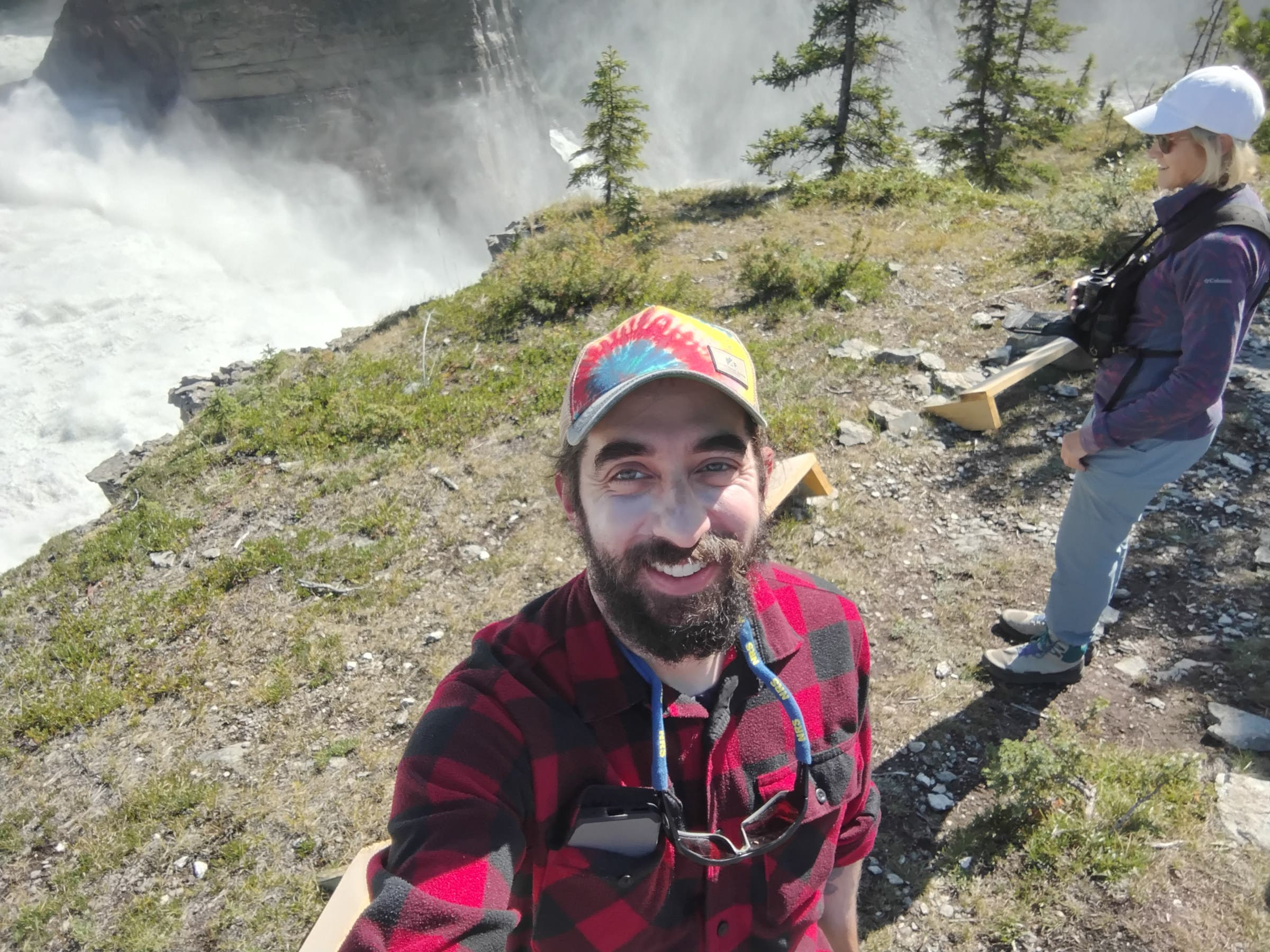
Its continued use is evident in its presence on various recent expeditions. Over the past year alone, the shirt has accompanied Roy on fall foliage hikes, ski tours, and a week-long rafting expedition through Nahanni National Park in Canada’s Northwest Territories. This sustained utility, extending far beyond its initial intended purpose as a costume component, represents an extraordinary return on investment. For a mere $18, the shirt has provided nearly a decade of reliable service, a testament to its unexpected durability and versatility.
The Broader Implications for Outdoor Apparel Consumers
The narrative of Roy’s inexpensive plaid shirt offers valuable insights for consumers navigating the often complex and expensive world of outdoor gear. While technological advancements in apparel have undoubtedly enhanced comfort and performance in extreme conditions, the anecdote serves as a reminder that functionality does not always correlate directly with price.
The market for outdoor apparel is saturated with products boasting cutting-edge technologies and commanding premium prices. Brands frequently emphasize technical jargon, such as hydrostatic head ratings for waterproof fabrics, breathability scores, and the specific properties of advanced insulations. While these metrics are important for specialized activities and challenging environments, the everyday hiker or casual outdoor enthusiast may find that simpler, more comfortable garments suffice for a broader range of conditions.
Factors Contributing to the Shirt’s Longevity:
- Material Composition: Synthetic fleece, like that used in the Wrangler shirt, offers a balance of warmth and breathability. It is generally quick-drying and retains some insulating properties even when damp, a significant advantage in unpredictable weather. Unlike natural fibers such as cotton, which can become heavy and cold when wet, synthetics offer a more forgiving performance profile for active use.
- Fit and Design: The "happy medium" fit described by Roy—neither too tight nor too boxy—allows for comfortable layering over base layers and under outer shells. The button-down design provides adjustable ventilation, a key feature for managing body temperature during varying levels of exertion. The classic lumberjack style, while perhaps perceived as casual, often incorporates durable construction and functional pocket placement.
- Psychological Comfort: As highlighted by Roy, the subjective feeling of comfort and personal preference plays a crucial role in gear selection. A garment that feels good to wear, regardless of its technical specifications, is more likely to be chosen and used consistently. This psychological factor can contribute significantly to a piece of gear’s perceived value and longevity.
- Cost-Effectiveness: The initial $18 investment, when amortized over nearly a decade of regular use, represents an exceptionally low cost per wear. This economic efficiency underscores the principle that value can be found in accessible and practical items, rather than solely in high-end, specialized equipment.
The Evolving Landscape of Outdoor Gear
The outdoor industry has witnessed a significant shift in consumer expectations and product development over the past few decades. While performance remains paramount for elite athletes and extreme adventurers, a growing segment of the market prioritizes versatility, comfort, and sustainability. Brands are increasingly recognizing the appeal of multi-functional garments that can transition seamlessly from the trail to everyday life.
Roy’s experience suggests that a mindful approach to gear acquisition, prioritizing comfort and practicality alongside technical features, can lead to more satisfying and enduring outdoor experiences. The humble plaid shirt, born from a humorous costume idea, stands as a compelling example of how an unassuming garment can become an indispensable tool for appreciating the natural world. Its continued presence in his outdoor kit, even after years of use and the acquisition of more sophisticated apparel, speaks volumes about the enduring power of simple, effective design and personal comfort. The story serves as a valuable reminder that sometimes, the best gear is the gear you genuinely love to wear, regardless of its origin or price tag.