The Evolution of Surveillance in Nightlife
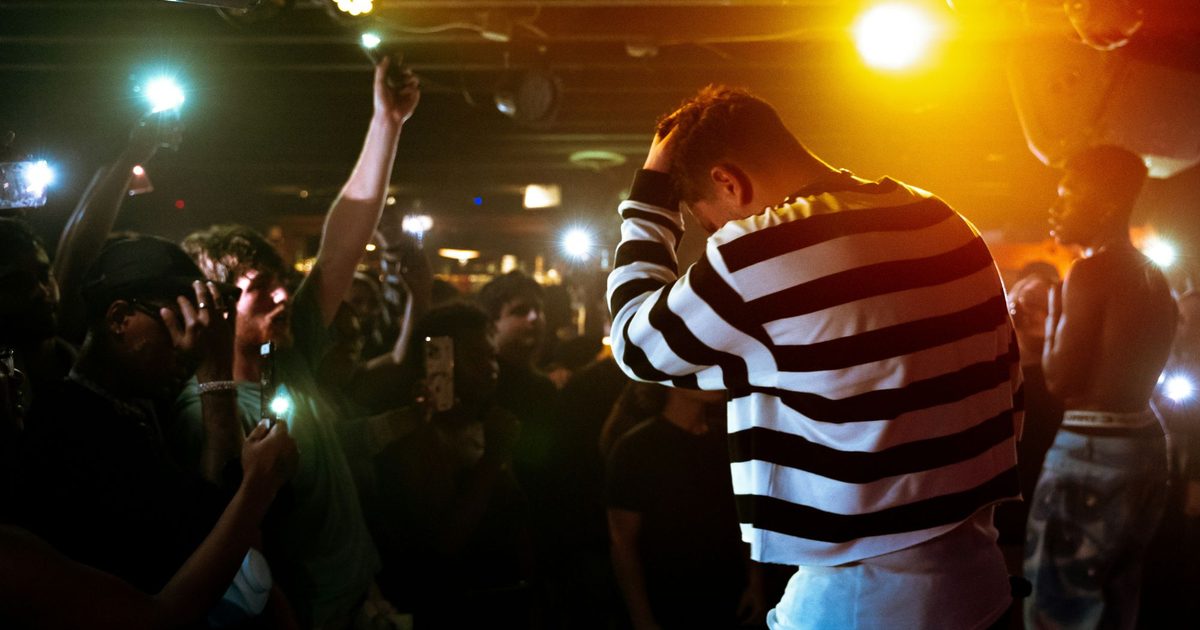
For decades, the allure of the dance floor was rooted in the ephemeral nature of the experience. What happened in the club stayed in the club, a social contract that allowed for experimentation and raw expression. However, the ubiquity of high-definition smartphone cameras and the economic incentives of "content creation" have eroded this privacy. The BBC report highlights that many students now remain "hyper-aware" throughout their evenings, constantly scanning their surroundings for the tell-tale glow of a smartphone screen or the predatory lens of a club promoter seeking "vibey" footage for social media marketing.
The stakes of being filmed have escalated significantly. In the early 2010s, "Facebook photo dumps" were the standard—blurry, low-resolution images that served as a digital scrapbook for friends. Today, the landscape is dominated by TikTok and Instagram Reels, where a single ten-second clip of a person dancing awkwardly or looking "uncool" can be stripped of context and turned into a viral meme. This "main character" culture, where everyone is a potential director and every bystander is a potential extra, has turned social outings into high-stakes performances.
The Meta Factor: Stealth Recording and Smart Glasses
While smartphones are visible and generally easy to spot, the introduction of sophisticated smart glasses has introduced a new layer of paranoia. Meta’s Ray-Ban smart glasses, developed in partnership with EssilorLuxottica, have become a focal point of concern. Unlike previous iterations of wearable tech, such as the ill-fated Google Glass which was criticized for its bulky, "cyborg" aesthetic, Meta’s glasses are nearly indistinguishable from classic Wayfarer frames.
The integration of high-resolution cameras into everyday eyewear means that a recording device can be pointed at an individual without any of the traditional physical cues associated with filming. Students interviewed by the BBC expressed deep unease over the fact that they could be recorded by someone simply looking in their direction. While Meta has included a small LED light that illuminates when the camera is active, critics and clubgoers argue that in a dark, strobe-lit environment, such a subtle indicator is virtually useless.
This technological "stealth" has prompted a debate within the tech industry regarding design ethics. Reports indicate that competitors, including Apple and various startups, are exploring ways to make recording indicators more prominent. Proposed solutions include larger, high-contrast lighting elements or even mechanical shutters that provide a clear visual signal that a device is in "capture mode." However, until such standards are universal, the presence of smart glasses in clubs remains a primary source of Gen Z’s social friction.

Psychological Implications: The Panopticon of the Dance Floor
Neuroscientist Dean Burnett, speaking to the BBC, suggests that this constant state of surveillance is fundamentally altering the brain’s approach to social relaxation. Today’s young adults have grown up with the inherent assumption that their actions are being archived. This leads to a psychological phenomenon akin to the "Panopticon"—a social theory where individuals regulate their own behavior because they believe they might be watched, even if they aren’t.
"If you’re always worried about how you look to an invisible audience, you can’t be present in the moment," Burnett noted. This hyper-vigilance prevents the "flow state" that is often the goal of clubbing. Instead of reacting to the music, patrons are reacting to the potential presence of a lens. This has led to a generational nostalgia for an era many Gen Z members never actually experienced: the pre-smartphone 1990s and early 2000s, where the lack of digital evidence is now viewed as a form of luxury.
Chronology of the Shift: From Memories to Content
The transition from "memory-keeping" to "content-gathering" has followed a clear timeline over the last two decades:

- 2005–2010: The era of digital point-and-shoot cameras. Photos were typically uploaded to private or semi-private albums on platforms like MySpace or early Facebook. The audience was limited to immediate social circles.
- 2011–2016: The rise of Instagram and the "polished" aesthetic. Users began to curate their lives more carefully, but the focus remained on static images. The concept of "FOMO" (Fear Of Missing Out) began to take root.
- 2017–2021: The pivot to video. Stories on Instagram and Snapchat introduced the idea of constant, real-time broadcasting. The barrier between "private life" and "public broadcast" began to blur.
- 2022–Present: The TikTok era. Algorithmic discovery means that a video of a stranger can be shown to millions of people who have no connection to them. The rise of "vibe-checking" and "cringe culture" has turned public spaces into minefields for the self-conscious.
The Industry Response: Stickers and Phone-Free Zones
In response to this growing anxiety, a counter-movement is beginning to take hold within the nightlife industry. Inspired by the strict "no-photo" policies of legendary Berlin clubs like Berghain and Tresor, more venues in the UK and the US are implementing measures to protect patron privacy.
Many electronic music venues now place small, tamper-evident stickers over the lenses of patrons’ phone cameras upon entry. Security staff are trained to eject anyone caught removing the sticker or filming on the dance floor. Other promoters have turned to technology like Yondr—neoprene pouches that magnetically lock a user’s phone inside while they are in a "phone-free zone."
Club owners argue that these policies are not just about privacy, but about the quality of the event. "When people aren’t looking through a screen, the energy in the room changes," said one London-based promoter. "People dance harder, they talk to strangers, and they actually enjoy the music they paid to hear."
Economic and Social Consequences: The Move to Pubs
The BBC report notes an interesting demographic shift: some young people are abandoning clubs entirely in favor of pubs and smaller, more intimate bars. In these settings, the "vibe" is centered around conversation rather than visual spectacle. Because pubs are often dimly lit or structured around tables rather than a central stage, the pressure to "perform" is diminished.
Furthermore, the "pub revival" among Gen Z is seen as a rejection of the highly produced, "Instagrammable" nightclub experience. For a generation that feels over-monitored, the pub offers a "low-stakes" environment where the main event is the company, not the content. This shift has significant implications for the nightlife economy, as traditional mega-clubs struggle to attract a demographic that increasingly views their dance floors as a liability rather than a playground.
Broader Impact and the Future of Privacy
The "camera anxiety" described by Gen Z is a canary in the coal mine for broader societal privacy concerns. As augmented reality (AR) and smart wearables become more integrated into daily life, the tension between the "right to record" and the "right to be left alone" will only intensify.
Legal experts suggest that current privacy laws are ill-equipped to handle the nuances of smart glasses. In most jurisdictions, there is no expectation of privacy in a public or semi-public space like a nightclub. However, as technology makes recording more invasive and less consensual, there may be a push for new regulations regarding "biometric consent" and the use of stealth recording devices in private businesses.
For now, the burden of navigating this new reality falls on the individuals themselves. Whether through a preference for "analog" social settings or a demand for stricter venue policies, Gen Z is actively renegotiating the boundaries of digital life. The BBC report serves as a stark reminder that while technology has made it easier than ever to capture a moment, it has made it significantly harder to actually live in one. The future of partying may not be found in the latest high-tech light show, but in the simple, radical act of putting the camera away.