Published July 14, 2026 08:05 AM
The allure of a shared backcountry experience, where the glow of alpenglow paints mountain peaks and a simple meal is savored under a canopy of stars, is a powerful draw for many couples. Beyond the shared vistas and the forging of intimate memories, a practical consideration for those venturing into the wilderness together is the optimization of gear. Distributing the weight of communal items like stoves, fuel, water filters, and shelter can significantly lighten individual loads, transforming a challenging solo endeavor into a more manageable joint adventure. This pursuit of efficiency has naturally led to the question of whether a shared sleep system could further streamline backpacking for two. While double sleeping bags and pads are a staple in car camping, their backpacking counterparts are a more niche offering. A recent evaluation aimed to scrutinize the viability and efficacy of these specialized double sleep systems for couples undertaking multi-day treks.
The Allure and Apprehension of Shared Slumber
The concept of a double sleeping system immediately conjures images of shared warmth and intimate proximity, akin to a familiar bed at home. However, the transition from a queen-sized mattress to the confined space of a tent introduces a distinct set of challenges. Potential drawbacks are readily apparent. Foremost among these is the physical reality of two individuals sharing a single, enclosed sleeping space. Unlike the generous dimensions of a domestic bed, a double sleeping bag necessitates a degree of physical closeness that may not be conducive to comfortable rest for all.
Individual sleeping preferences and thermoregulation also present significant variables. One partner might be a stomach sleeper, accustomed to a particular range of motion, while the other prefers to recline on their back or side. Navigating these differing positions within a unified sleeping bag could lead to discomfort or even conflict. Furthermore, variations in body temperature are common. One partner may naturally feel warmer than the other, creating a dynamic where one person is perpetually too hot while the other is too cold, even within the same sleeping system. This disparity can negate the intended coziness and lead to a restless night.
Weight Distribution Dynamics: A Double-Edged Sword
Beyond the immediate comfort concerns, weight distribution emerges as a critical factor in backpacking logistics. While the consolidation of a double sleep system might seem inherently more efficient, the practicalities of dividing this larger item between two packs can be complex. The goal of backpacking is to equalize the load as much as possible, ensuring neither partner is unduly burdened. In scenarios where one partner is a significantly faster or stronger hiker, carrying a larger, heavier communal item like a double sleeping bag could potentially help to balance the overall weight distribution, allowing the faster hiker to manage a greater portion of the shared load. This could, in theory, lead to more synchronized paces and a more enjoyable shared experience. Conversely, if the weight distribution cannot be managed effectively, it could exacerbate existing disparities in hiking speed and endurance.
The Question of Weight Efficiency: Beyond the Initial Assumption
A common assumption is that a double sleeping bag, by its nature, would be more weight-efficient than two individual sleeping bags. However, a closer examination of the market reveals a more nuanced reality. Many double sleeping bags are designed with car camping in mind, prioritizing comfort and space over ultralight principles. These models can often be considerably heavier than their single counterparts. Nevertheless, the market is evolving, and a growing number of manufacturers are producing backpacking-specific double sleeping systems that aim to balance shared sleeping with the demands of the trail.
For instance, the Big Agnes King Solomon 20° Doublewide, a model geared towards shared sleeping, registers at 3 pounds and 15 ounces. For comparison, a comparable single bag from the same brand typically weighs around 2 pounds and 5 ounces. While the double offers more shared space, it also adds over a pound and a half to the total sleep system weight. This highlights that the weight savings are not always straightforward and depend heavily on the specific models being compared.
In a comparative test, the Sea to Summit Spark Double was selected for its promising specifications. Weighing in at 3 pounds and 6 ounces, it positions itself as a lighter option within the double bag category. It is lighter than some budget or cold-weather single bags, and notably, it is only a few ounces heavier than two individual Spark bags from the same line. This level of weight difference, when spread across two individuals, becomes less significant. The Spark Double also boasts a high fill power down (850+), allowing for impressive compressibility, comparable to a standard bear canister. This is a significant advantage for packability, a crucial consideration for any backpacking gear. The system’s compatibility with users up to 6 feet 6 inches also addresses a potential limitation found in other models, such as the King Solomon, which typically accommodates users up to 6 feet.
The Sleeping Pad Companion: Bridging the Gap
Complementing the sleeping bag is the sleeping pad, which provides essential insulation from the ground and adds a layer of comfort. For double sleep systems, dedicated double pads are also available. The Exped Ultra 1R Duo inflatable pad, for example, offers a comparable weight and style to individual ultralight pads. In its medium size, it weighs 1 pound and 10 ounces, slightly less than two individual pads of the same design. Its tapered footbox design is characteristic of many ultralight inflatable pads, and when packed, it occupies a volume comparable to a one-liter Nalgene bottle. The alternative for couples using individual pads is to employ straps to connect them. However, this can sometimes result in a gap between the pads, especially if they are of different heights or designs, potentially compromising the overall sleeping surface. Opting for a dedicated double pad eliminates this issue, providing a unified and contiguous sleeping platform.
Field Testing the Double Sleep System: Real-World Performance
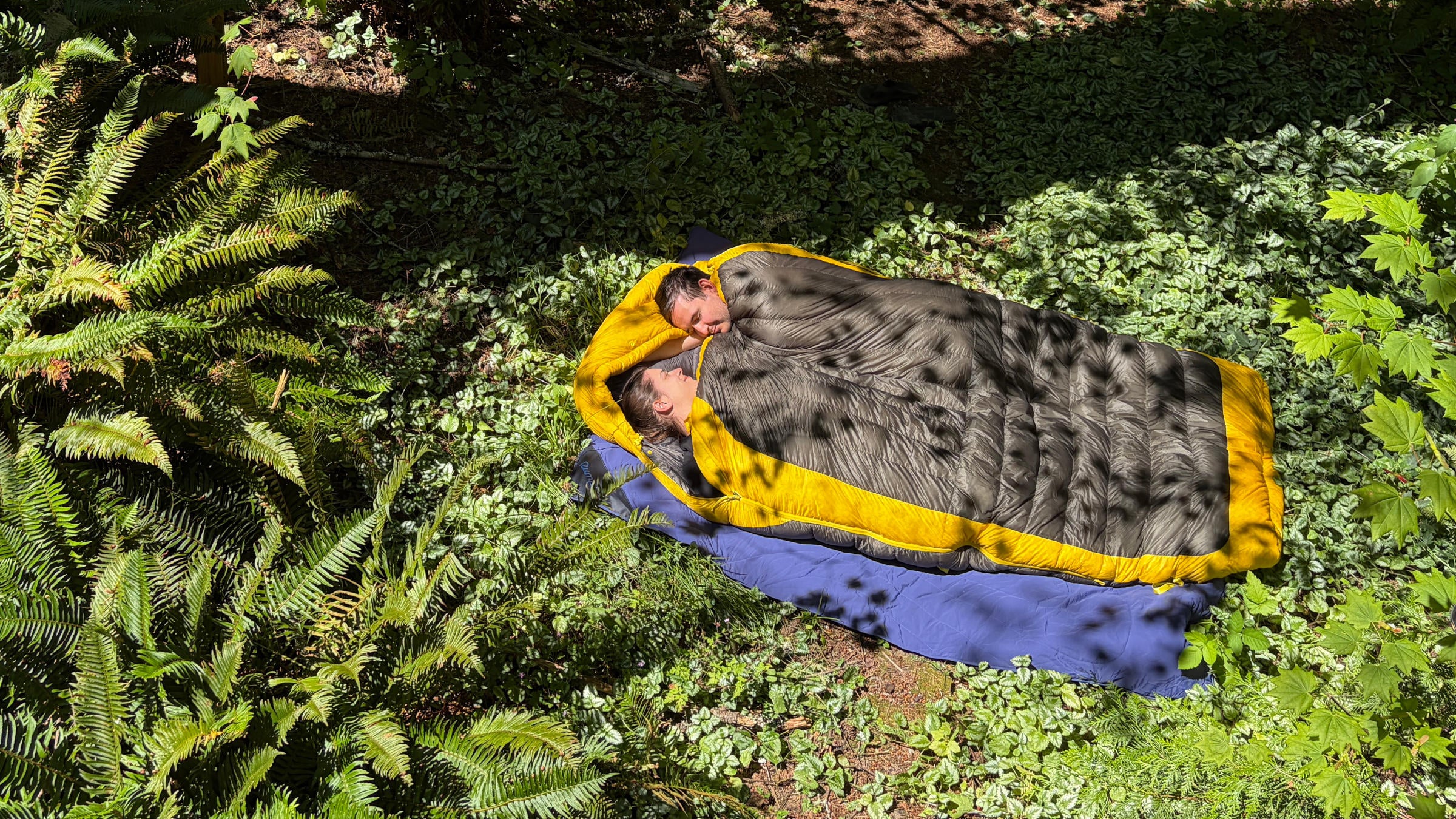
To assess the practical implications of a double sleep system, a series of field tests were conducted over two separate long weekend trips. The initial trial involved utilizing the double sleeping pad in conjunction with their usual individual sleeping bags and quilts. This allowed for an evaluation of the pad’s comfort and stability before committing to the full double bag system. The subsequent and more comprehensive test involved deploying the entire double sleep system, including the Sea to Summit Spark Double bag, on a 30-mile excursion where nighttime temperatures hovered in the mid-50s Fahrenheit.
Verdict: Cozy Proximity or Restless Night?
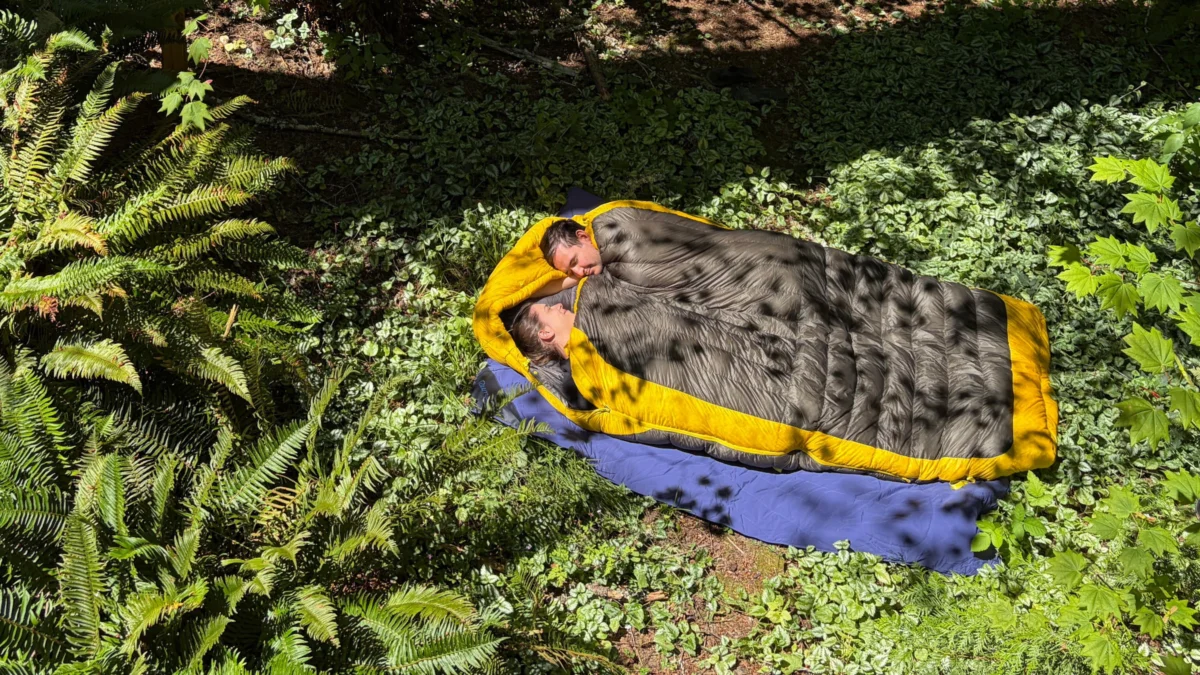
The initial impression of the Sea to Summit Spark Double sleeping bag was one of surprising spaciousness. The inclusion of dual zippers, allowing for independent entry and exit, proved to be a significant convenience, particularly for late-night bathroom breaks. The ability to engage in pre-sleep activities together, such as reading or completing a crossword puzzle on a phone, without the concern of falling into a gap between separate sleeping arrangements, fostered a sense of shared intimacy. Even with the slight taper at the footbox, the overall internal volume felt more generous than many mummy bags, facilitating a greater range of comfortable sleeping positions. For one tester, this translated into an experience akin to sleeping in their bed at home, a marked improvement over the constraints of a single mummy bag.
However, the experience was not uniformly positive for both participants. While one tester found the increased room to move a distinct advantage, the other, who preferred a more static sleeping style, found the movement of their partner disruptive. The shared space, while conducive to cuddling before sleep, became a source of minor irritation as the night progressed and one partner’s restless movements were more keenly felt. This suggests that a double sleeping bag is best suited for couples who are naturally calm sleepers and genuinely prioritize close physical contact throughout the night.
Contrary to an initial hypothesis that a shared bag would inherently be warmer due to body heat transfer, the testing revealed a different outcome. In conditions where individual bags typically provided adequate warmth, the double bag sometimes resulted in a sensation of being colder. This was attributed to the increased internal volume. When snuggled close, the warmth was indeed amplified. However, when one partner shifted away, the larger space allowed for greater ingress of cold air, negating the insulating effect of proximity. The Spark Double does feature a snap closure in the draft collar designed to mitigate this by creating a more intimate seal, but its use was not tested during the initial nights. The potential for increased personal space to become a source of cold air circulation is a notable drawback.
Furthermore, the reality of sharing a sleeping bag with another person also means sharing any associated odors. Whether from prolonged periods without showering or the inevitable aftermath of consuming backcountry meals, the combined scent can be a significant deterrent to the romantic ideal of shared slumber. This practical consideration should not be underestimated when contemplating a double sleep system.
The Double Pad: A More Universal Appeal
In stark contrast to the mixed results with the double sleeping bag, the double sleeping pad garnered universally positive feedback. The Exped Ultra 1R Duo offered a stable and comfortable sleeping surface, effectively eliminating the common issue of gaps between individual pads. For couples who are not yet ready to commit to a double sleeping bag, a double pad presents an excellent compromise. It allows for increased proximity and a unified sleeping platform while retaining the flexibility and individual comfort of separate sleeping bags. This makes it a more adaptable and potentially more universally appealing gear choice for couples.
Financial Considerations and Versatility
The cost of specialized gear is always a significant factor for outdoor enthusiasts. The Sea to Summit Spark Double is priced at $999, which is slightly less than two individual Spark 15°F single bags (each retailing at $549). However, this represents a substantial investment. The justification for such an expenditure hinges on the frequency of use and the perceived benefits. If a couple plans to utilize the double system on every backpacking trip, the lightweight nature, packability, and potential for enhanced intimacy might make the cost more palatable, especially when shared between two individuals. However, compared to the versatility of a single sleeping bag, which can be used independently or with various partners, the double bag’s utility is inherently limited to shared trips. For couples who only occasionally venture into the backcountry together, the high price tag may be difficult to rationalize.
In comparison, the Big Agnes King Solomon, priced at $500, offers a more accessible entry point into the double sleeping bag market, costing $240 less than two comparable ultralight Big Agnes bags. While not tested in this evaluation, its more budget-friendly price point makes it a compelling option for those seeking shared sleeping solutions without the premium cost.
The Future of Shared Backcountry Comfort
Despite the identified drawbacks, the testers indicated a willingness to incorporate a double sleeping bag and pad into their future backpacking excursions as a couple. The ability to delegate a portion of the shared gear weight to a stronger partner without the accompanying guilt of unequal load distribution was a significant advantage. The added space within the tent, which accommodated their dog comfortably, was an unexpected but welcome bonus. With further practice and adjustment to the system, the potential for even greater sleeping comfort exists. Ultimately, a double sleeping bag may be best categorized as a luxury item rather than a fundamental gear efficiency solution. However, for couples who prioritize shared experiences, intimate camping, or "date night" backpacking trips, it presents a compelling and potentially rewarding gear option. The evolution of these systems suggests a growing market and an increasing recognition of the unique needs of couples exploring the wilderness together.