The global outdoor recreation industry has seen an unprecedented surge in participation over the last decade, with market valuations now exceeding $500 billion. However, as consumers flood retail outlets for high-tech moisture-wicking fabrics, GPS-enabled smartwatches, and ultra-lightweight titanium stoves, a paradoxical trend has emerged: search-and-rescue (SAR) incidents are rising in tandem with gear sophistication. This disconnect highlights a fundamental misunderstanding of what constitutes "preparedness." While the average hobbyist focuses on the acquisition of equipment, wilderness experts—those who spend their lives guiding, teaching, and researching safety in the backcountry—focus almost exclusively on the human element.
Seasoned professionals observe that the most frequent causes of wilderness emergencies are rarely the result of a snapped tent pole or a torn backpack. Instead, they are the result of human error: the forgotten headlamp, an overloaded pack, or a misplaced confidence that premium equipment provides a buffer against poor judgment. Through the insights of survival instructor Kevin Estela, mountain guide Ken Wylie, and safety researcher Ty Gagne, a clear picture emerges of the "competence gap" that defines modern outdoor exploration.
The Competence Gap: Why Gear Cannot Replace Skill
Kevin Estela, a prominent survival instructor and bushcraft educator, has spent decades monitoring how students interact with their equipment in North American wilderness environments. His observations suggest that the most critical failures often occur before a traveler even leaves the trailhead. For Estela, the primary indicator of an individual’s experience level is not the brand of their pack, but the condition and choice of their footwear.
"People don’t maintain their boots properly," Estela notes. "They show up wearing a brand-new pair because they thought they should buy new gear for a trip. They never break them in, and then they spend the entire expedition dealing with debilitating blisters."
This lack of "pressure-testing" extends to technical equipment. Estela frequently observes students arriving with survival kits still in their original factory packaging—paracord wrapped in plastic and tourniquets that have never been unrolled. This behavior indicates a reliance on the concept of the tool rather than the utility of it. In the field, where conditions are wet, cold, and dark, the inability to operate equipment by muscle memory can turn a minor inconvenience into a life-threatening situation.
Supporting data from various wilderness medicine journals suggests that nearly 40% of hiking-related injuries involve the lower extremities, many of which are exacerbated by improper footwear or lack of basic foot-care knowledge. Estela argues that maintenance is a form of survival skill. A GPS with drained batteries or a rusted carbon-steel knife are symptoms of a mindset that views gear as "buy-and-forget" rather than "maintain-and-master."
The Psychology of Risk and the "Aconcagua Lesson"
The relationship between gear and the human mind is a central focus for Ken Wylie, a veteran mountain guide and leadership coach. Wylie’s perspective is informed by a harrowing history; he was a guide during the 2003 Durrand Glacier avalanche in British Columbia, a tragedy that claimed seven lives. That event reshaped his career, moving him away from technical instruction and toward the study of judgment and human heuristics.
Wylie identifies a common psychological trap: the belief that technology reduces the need for self-reliance. He recounts an encounter at 19,000 feet on Aconcagua, the highest peak in the Southern Hemisphere, where a climber requested to borrow a stove because his own had "broken." Upon inspection, Wylie found the stove was simply clogged with carbon—a basic maintenance issue. The climber lacked the simple cleaning needle required for the repair.
"On a mountain like Aconcagua, your stove is your source of water," Wylie explains. "Without it, you have a survival problem. It took two minutes to fix."
This incident serves as a microcosm for a broader issue in the mountaineering community. As gear becomes more "automatic," users lose the ability to troubleshoot. Wylie argues that true empowerment in the outdoors comes from "doing more with less." When an individual learns to make a friction fire or navigate by the stars, their confidence shifts from the object to their own agency. This shift reduces the "extra fear" that comes from total dependence on electronic devices like GPS units, which can and do fail in extreme cold or dense canopy.
Forensic Analysis: The 1% Rule of Gear Failure
While anecdotes provide color, the data-driven research of Ty Gagne offers a forensic look at why things go wrong. As a mountain safety researcher and CEO of a risk-management pool, Gagne has analyzed hundreds of search-and-rescue reports, particularly in New Hampshire’s White Mountains—an area known for some of the most volatile weather in the world.
Gagne’s research reveals a startling statistic: true equipment failure accounts for only 1% to 3% of all wilderness incidents. The remaining 97% are attributed to human factors. These include "heuristic traps"—mental shortcuts that lead people to make irrational decisions, such as continuing toward a summit despite a visible storm because they have already invested significant time and money into the trip.
"The biggest misconception is that gear creates safety," Gagne asserts. "It doesn’t. Gear is only one component of a much bigger system that includes knowledge and decision-making."
One recurring scenario Gagne identifies is the "Smartphone Trap." In the modern era, the smartphone has become a singular point of failure for many hikers, serving as a map, flashlight, and communication device. SAR data shows a high frequency of rescues initiated because a hiker’s phone battery died after they used the integrated flashlight for too long, leaving them without navigation or a way to call for help in the dark. This reliance on a multi-purpose, battery-dependent device violates the fundamental survival principle of redundancy.
The Economic and Social Impact of Wilderness Illiteracy
The implications of this competence gap extend beyond individual safety; they have significant economic and social consequences. In the United States, the National Park Service spends approximately $5 million annually on SAR missions, a figure that does not include the costs incurred by state and local agencies or the thousands of volunteer hours provided by mountain rescue teams.
In response to the rising number of "negligent" rescues—situations where hikers were clearly underprepared or ignored warnings—several states, including New Hampshire and Oregon, have implemented laws that allow the state to bill the rescued party for the cost of the operation. This shift in policy reflects a growing institutional frustration with the "gear-heavy, skill-light" adventurer.
Furthermore, the environmental impact of underpreparedness is often overlooked. Individuals who become lost or are forced to bivouac unexpectedly often cause damage to fragile alpine ecosystems, trampling protected flora or leaving behind waste in a desperate attempt to stay warm or signal for help.
Redefining Preparedness: The Expert’s "Everyday Carry"
If expensive kits and high-tech gadgets are not the answer, what do the experts recommend? Interestingly, the items valued most by Estela, Wylie, and Gagne are often the least glamorous.
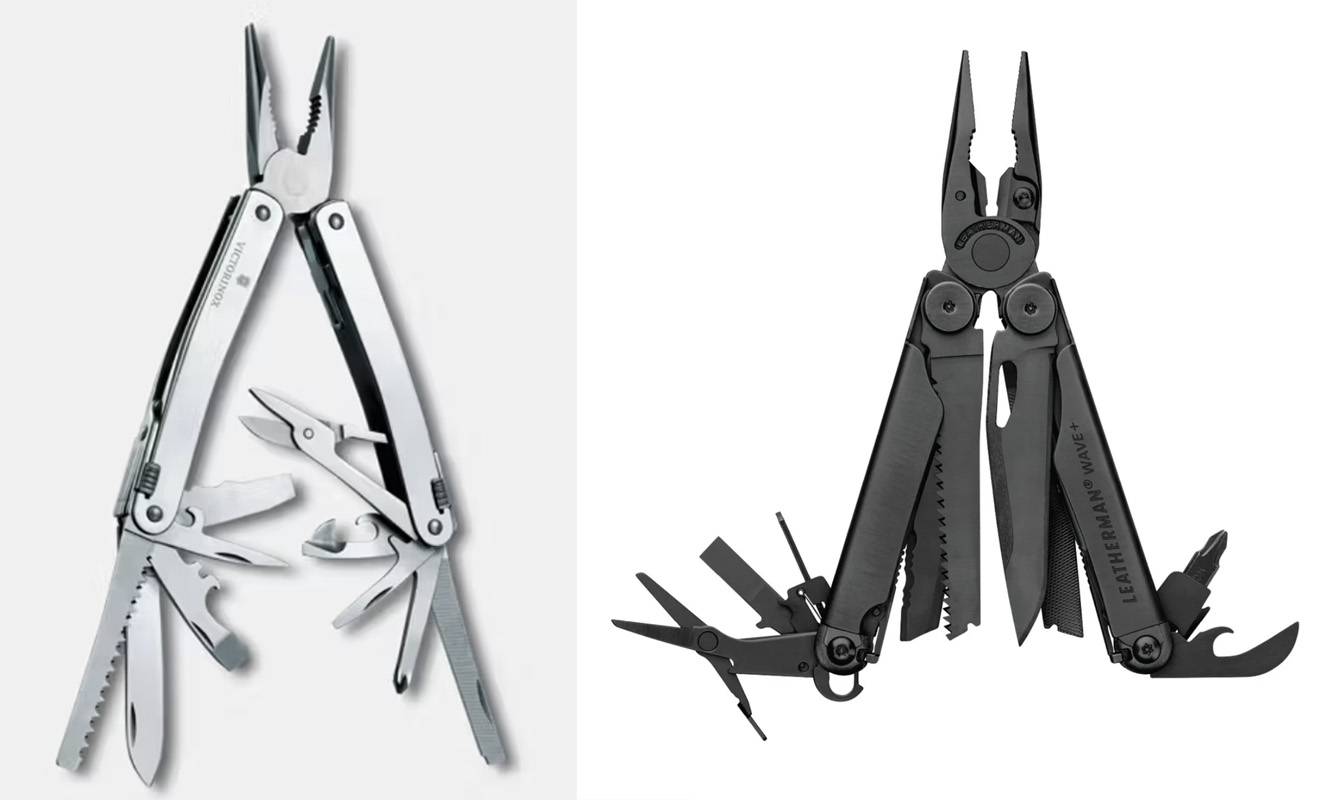
- The Swiss Army Knife or Multitool: Estela champions the simplicity of a non-tactical multitool. Its value lies in its versatility and its "socially acceptable" nature, allowing it to be carried in almost any environment to solve 90% of mechanical problems.
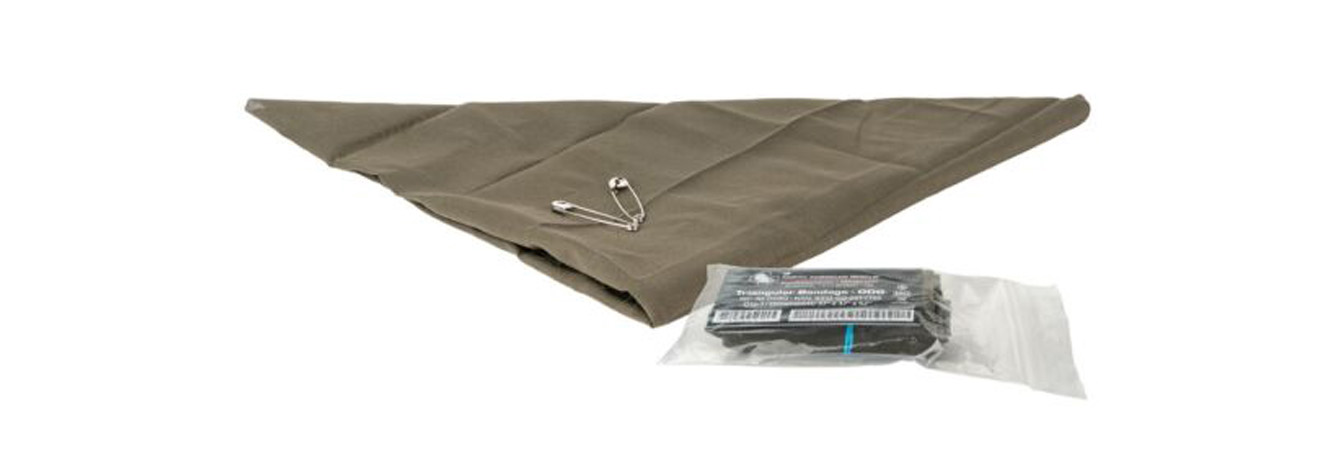
- The Triangular Bandage or Bandana: A piece of cloth can serve as a bandage, a water filter, a pot holder, or a signaling device. It represents the "function over form" philosophy.
- Basic First Aid (The "Small" Emergency): While many hikers carry high-trauma items like chest seals or tourniquets, they often lack simple adhesive bandages or moleskin for blisters. Experts argue for preparing for the "guaranteed" problems—minor cuts, hygiene, and hydration—rather than just the "dramatic" ones.
- Redundancy in Systems: Gagne emphasizes "system simplicity." Rather than one high-tech device, he advocates for a layering of safety: a physical map to back up a GPS, and a dedicated headlamp with spare batteries to back up a phone.
Implications for the Future of Outdoor Recreation
As we move further into the 21st century, the barrier to entry for the wilderness will continue to lower. Gear will become lighter, and digital connectivity will reach even the most remote corners of the globe. However, the fundamental laws of nature—gravity, thermodynamics, and human physiology—remain unchanged.
The "take-home" lesson from those who have survived and studied the worst-case scenarios is that the most valuable tool is the one between the ears. Experience cannot be purchased at a retail store, and safety cannot be downloaded as an app. True preparedness is a process of "un-packaging" one’s gear long before the trip begins, practicing skills in controlled environments, and cultivating the humility to turn back when the environment exceeds one’s ability.
In the end, wilderness experts spend their time thinking about people because gear is predictable, but humans are not. The transition from a novice to an expert is marked by a shift in focus: away from what you own, and toward what you know. As the data suggests, that shift is not just a matter of philosophy—it is a matter of survival.