The global smartphone market continues its rapid evolution, marked this week by the official spotlight on Apple’s remarkably slender iPhone Air and the general availability of the Nothing Phone (4b), alongside a comprehensive comparison of competing models from Google and Xiaomi’s Poco sub-brand. This period of significant activity underscores manufacturers’ efforts to differentiate their products across various price points and feature sets, from ultra-premium thinness to extreme battery endurance and flagship performance.
Apple’s Pursuit of Form: The iPhone Air Enters the Fray
Following recent discussions surrounding discounts on the iPhone 17e and 17 Pro Max, attention has now shifted to a distinct new entrant in Apple’s portfolio: the iPhone Air. This model is a testament to Apple’s ongoing commitment to pushing the boundaries of industrial design, prioritizing an exceptionally svelte form factor. Measuring a mere 5.6mm in thickness and weighing only 165g, the iPhone Air stands as one of the thinnest and lightest smartphones currently available. Its construction features a robust titanium frame, a strategic choice to maintain structural integrity and durability despite its delicate profile. This material is known for its high strength-to-weight ratio, offering premium feel and enhanced resilience against drops and bends.

Underneath its sleek exterior, the iPhone Air houses the formidable Apple A19 Pro chipset, representing the pinnacle of mobile processing power within Apple’s ecosystem. This proprietary silicon is engineered to deliver unparalleled performance, efficiency, and advanced AI capabilities, catering to demanding applications, high-fidelity gaming, and sophisticated computational tasks. The visual experience is anchored by a vibrant 6.5-inch LTPO display, a technology that allows for dynamic refresh rates, optimizing power consumption while ensuring smooth visuals. LTPO (Low-Temperature Polycrystalline Oxide) panels can scale refresh rates from as low as 1Hz for static content to 120Hz for scrolling or gaming, a key factor in balancing display quality with battery life.
However, the pursuit of extreme thinness inherently necessitates certain design compromises. In the case of the iPhone Air, these manifest primarily in its camera hardware and battery capacity. The device features a singular 48MP main camera on the rear, equipped with a 1/1.56-inch sensor. While a 48MP sensor is capable, the absence of additional lenses like an ultrawide or telephoto, which are standard on many flagships, positions the Air as a device where photographic versatility is secondary to its core design principle. Furthermore, its modest 3,149mAh battery capacity is notably smaller than many contemporary smartphones. Despite the A19 Pro’s efficiency and the LTPO display, this battery size yielded an average endurance score in active use tests, recording 12 hours and 44 minutes. This figure, while respectable for its size, suggests that power users might find themselves reaching for a charger before the end of a long day. The iPhone Air, therefore, carves out a niche for users who prioritize an elegant, lightweight design and cutting-edge processing power above an extensive camera system or multi-day battery life.
Google’s Pixel Lineup: Balancing Innovation and Endurance
Google’s Pixel series continues to be a focal point for Android enthusiasts, particularly for its AI-driven features and camera prowess. This week’s comparisons highlight two distinct offerings: the flagship Pixel 10 and the more budget-conscious Pixel 10a, each presenting unique trade-offs in performance and endurance.

Pixel 10’s Efficiency Challenge: The Google Pixel 10 positions itself as a compact flagship, featuring a 6.3-inch screen. While it boasts a smaller footprint in terms of height and width compared to many larger devices, its physical dimensions reveal a thicker profile at 8.6mm and a heavier build at 204g. This additional bulk accommodates a larger 4,970mAh battery, which on paper, suggests superior endurance. However, the device’s Active Use Score tells a different story, achieving only 12 hours and 8 minutes. This result is primarily attributed to the efficiency characteristics of its Tensor G5 chipset. While Google’s Tensor chips are celebrated for their on-device AI capabilities and image processing, previous generations have sometimes lagged behind competitors in raw power efficiency under sustained load. The Tensor G5, despite improvements, appears to continue this trend, indicating that while it excels in specific AI tasks, its overall power management might still be an area for refinement. Consumers considering the Pixel 10 are likely drawn to its pure Android experience, cutting-edge computational photography, and unique AI features, but should manage expectations regarding all-day battery performance compared to some rivals.
Pixel 10a: A Strategic Value Proposition: For those seeking a more budget-friendly Pixel experience without sacrificing too much, the Pixel 10a emerges as a compelling alternative. Retaining the same 6.3-inch screen size as its flagship sibling, the 10a utilizes the older Tensor G4 chipset. In a surprising turn, this older silicon, combined with a slightly larger 5,100mAh battery, delivers noticeably longer endurance, achieving an impressive 15 hours and 13 minutes in active use tests. This suggests that the Tensor G4, perhaps due to different architectural optimizations or lower peak performance, exhibits better power efficiency in real-world scenarios. This longer battery life is a significant draw for users who prioritize longevity over the absolute latest processor. The main compromise for the 10a, however, lies in its camera hardware; it notably foregoes the Pixel 10’s advanced 10.8MP 5x/112mm periscope camera, offering a more standard camera array. This strategic omission allows Google to hit a more aggressive price point while still delivering the core Pixel software and photography experience that users expect, albeit with less zoom versatility. The Pixel 10a thus targets a segment that values battery life and a pure Android experience at a more accessible price.
Nothing’s Expanding Ecosystem: From Flagship to Budget Contender
Nothing, the nascent tech company founded by Carl Pei, has rapidly made a name for itself with its distinctive transparent design philosophy and unique Glyph Interface. This week marks a significant expansion of its product portfolio, with the Nothing Phone (4b) moving from pre-order to general availability, while its flagship Nothing Phone (3) continues to attract attention with aggressive pricing.

Nothing Phone (4b) Launch and Value Debate: The Nothing Phone (4b) is now officially available, having transitioned from its pre-order phase. Positioned as a more affordable option, it arrives with a price tag approximately £80 cheaper than the base 8GB/128GB version of the Nothing Phone (4a), which is still available directly from nothing.tech. However, a closer examination of the specifications raises questions about the (4b)’s overall value proposition. The (4b) features an inferior Snapdragon 6 Gen 4 chipset compared to the (4a)’s more capable Snapdragon 7s Gen 4. This difference in processing power translates to a noticeable performance gap, affecting everything from daily navigation to demanding applications and gaming. Furthermore, the (4b) employs slower UFS 2.2 storage technology, a downgrade from the UFS 3.1 found in the (4a), which impacts app loading times, file transfers, and overall system responsiveness. In the camera department, the (4b) also sees a downgrade, notably lacking the (4a)’s 50MP 3.5x/80mm periscope camera, a feature that offers significant photographic versatility. While the (4b) boasts a slightly larger 5,200mAh battery compared to the (4a)’s 5,080mAh, this marginal difference may not sufficiently offset the other compromises. The market implication here is that Nothing might be attempting to reach a broader, more budget-conscious audience, but the strategic decision to offer a seemingly less capable device for a relatively small price reduction compared to its immediate predecessor could confuse consumers and dilute the brand’s reputation for distinctive, well-rounded products.
Nothing Phone (3): A Premium Statement: In stark contrast to the (4b)’s budget orientation, the Nothing Phone (3) stands as the brand’s flagship offering, representing its vision for a premium Android experience. Currently available with a substantial £300 discount, the Phone (3) offers compelling value in the high-end segment. It is powered by the advanced Snapdragon 8s Gen 4 chipset, a processor designed to deliver near-flagship performance, excelling in demanding tasks and offering robust AI capabilities. The device is equipped with a 5,150mAh silicon-carbon (Si/C) battery, a technology known for its higher energy density, allowing for more capacity in a smaller footprint. This battery supports rapid 65W wired charging, ensuring quick top-ups, and also includes 15W wireless charging for added convenience. The camera system on the Nothing Phone (3) is particularly impressive, featuring a versatile triple 50MP array. This includes a large 1/1.3-inch 50MP main sensor, which gathers ample light for superior low-light performance and dynamic range; a 50MP 3x periscope telephoto lens for optical zoom capabilities; and a 50MP 114-degree ultra-wide-angle lens, providing comprehensive photographic flexibility. The Nothing Phone (3) thus targets users seeking a distinctive design, top-tier performance, and a capable camera system, all underscored by Nothing’s unique software experience and transparent aesthetic. The significant discount further enhances its appeal, positioning it as a strong contender against established flagships.
Poco’s Aggressive Stance: High Performance, Diverse Offerings
Xiaomi’s Poco sub-brand has consistently carved out a niche by offering aggressive specifications and performance-to-price ratios, particularly appealing to users who prioritize raw power and gaming capabilities. This week’s lineup from Poco reinforces this strategy, presenting a diverse range of devices from upper mid-range to near-flagship contenders.

Poco F8 Series: Elite Performance and Power:
The Poco F8 series emerges as a strong contender in the performance segment, aiming to deliver flagship-level experiences at competitive price points.
-
Poco F8 Pro: Performance-Oriented Value: Positioned as a more affordable option than the Nothing Phone (3), the Poco F8 Pro does not compromise on core performance. It is driven by the potent Snapdragon 8 Elite chipset, a processor designed to handle intensive gaming and multitasking with ease. The visual experience is delivered through a sharp 6.59-inch 12-bit OLED display, offering vibrant colors, deep blacks, and excellent contrast, ideal for media consumption and gaming. A significant highlight is its substantial 6,210mAh battery, ensuring extended usage times. This large battery supports ultra-fast 100W wired-only charging, allowing the device to be fully recharged in a remarkably short period. For photography, the F8 Pro features a capable triple-camera setup: a 50MP main camera with a 1/1.55-inch sensor, a 50MP 2.5x/60mm telephoto lens for optical zoom, and an 8MP 120-degree ultra-wide lens. This configuration provides a balanced photographic experience, covering most common shooting scenarios.
-
Poco F8 Ultra: The Apex of Affordable Flagships: For users seeking the absolute pinnacle of performance within Poco’s current offerings, the Poco F8 Ultra presents an compelling option, priced only £30 more than the discounted Nothing Phone (3). This device is powered by the cutting-edge Snapdragon 8 Elite Gen 5 chipset, representing the latest generation of high-performance mobile processors, capable of delivering exceptional speed and efficiency. It pairs this powerful chip with an expansive 6.9-inch 12-bit OLED display, providing an immersive visual canvas for all types of content. The F8 Ultra also boasts a formidable 6,500mAh battery, supporting both blazing-fast 100W wired charging and convenient 50W wireless charging, offering flexibility in how users power up their device. Poco has also invested significantly in the camera department for the F8 Ultra, equipping it with a premium triple 50MP camera system. This includes a large 50MP main sensor (1/1.31-inch), a sophisticated 50MP 5x/115mm periscope telephoto lens for impressive long-range zoom, and a 50MP ultra-wide-angle lens. The comprehensive camera suite, combined with top-tier processing power and advanced charging, makes the Poco F8 Ultra a direct challenger to established flagships, as explored in the in-depth Poco F8 Pro vs. Poco F8 Ultra comparison.
Poco X8 Series: Balancing Power and Endurance:
The Poco X8 series focuses on delivering a balanced experience, combining robust performance with exceptional battery life, often at a slightly more accessible price point than the F-series.

-
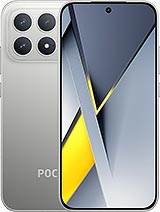
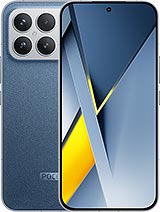
Poco X8 Pro: A Strong Mid-Range Alternative: The Poco X8 Pro emerges as a compelling alternative to the Nothing Phone (4b), offering a different blend of features. It is powered by the Dimensity 8500 Ultra chipset, a highly capable processor designed for strong performance in the upper mid-range segment, suitable for demanding apps and gaming. A standout feature is its massive 6,500mAh battery, offering outstanding endurance for extended usage. This battery also supports rapid 100W wired-only charging. The phone sports a 6.59-inch 12-bit OLED display, providing excellent visual quality. For photography, it features a simple but effective 50MP main camera paired with an 8MP secondary sensor, covering essential shooting needs without the added complexity or cost of multiple specialized lenses. The Poco X8 Pro is designed for users who prioritize long battery life and solid performance without breaking the bank.
-
Poco X8 Pro Max: Unrivaled Battery and Near-Flagship Power: Elevating the X8 series, the Poco X8 Pro Max pushes the boundaries of smartphone endurance and performance. It features a near-flagship Dimensity 9500s chipset, delivering exceptional processing power that rivals many premium devices, capable of handling the most intensive tasks. The most striking feature of the X8 Pro Max is its colossal 8,500mAh silicon-carbon (Si/C) battery, which promises truly extraordinary, multi-day battery life, a rare feat in modern smartphones. This immense power reserve is complemented by 100W wired-only charging. The device boasts a larger 6.83-inch 12-bit OLED display, providing an expansive and vibrant viewing experience. Interestingly, despite its "Max" designation, it retains the same 50MP main and 8MP secondary camera setup as the standard X8 Pro, indicating a clear focus on battery and raw performance over advanced photographic versatility. For a detailed breakdown of the differences, a comprehensive Poco X8 Pro vs. Poco X8 Pro Max comparison is available, highlighting the strategic trade-offs and enhancements in each model. The X8 Pro Max targets a niche market of users who demand unparalleled battery life and strong performance, even if it means foregoing the most advanced camera systems.
Market Dynamics and Consumer Choice
The array of smartphones highlighted this week – from Apple’s design-centric iPhone Air to Google’s AI-powered Pixels, Nothing’s expanding range, and Poco’s performance-driven devices – vividly illustrates the intensely competitive and fragmented nature of the global smartphone market. Each manufacturer is strategically positioning its products to capture specific consumer segments by emphasizing distinct features.
The Broader Implications: The iPhone Air’s introduction reflects a growing trend towards specialized devices that prioritize a single, standout characteristic, in this case, an ultra-thin design, even if it entails compromises in other areas like battery or camera versatility. This caters to a segment of the premium market that values aesthetics and portability above all else. Google’s Pixel strategy, particularly with the 10a, showcases a pragmatic approach to delivering core AI and software experiences at a more accessible price, acknowledging that not all users require the absolute latest hardware. The efficiency differences between the Tensor G4 and G5 also underscore the ongoing challenges and rapid developments in chip design, where newer generations do not always linearly translate to better power efficiency in all scenarios.
Nothing’s expansion into the budget segment with the Phone (4b) is a critical move for a relatively new brand seeking to grow its market share, but the internal competition with its own (4a) model highlights the complexities of product segmentation and value perception. Conversely, the heavily discounted Nothing Phone (3) demonstrates the brand’s ambition to compete at the high end, leveraging unique design and strong specifications to challenge more established players.
Poco’s consistent strategy of offering high-performance chipsets and large batteries at disruptive price points, particularly with the F8 and X8 series, continues to appeal to power users and gamers. The differentiation between the Pro and Ultra models, and the X8 Pro and Pro Max, provides consumers with granular choices based on their exact needs for processing power, battery endurance, and camera capabilities. The inclusion of silicon-carbon batteries in several models, particularly the Poco X8 Pro Max, signals an industry-wide push towards higher energy density solutions to meet ever-increasing power demands.
Strategic Positioning: This week’s device spotlight reveals how brands are attempting to carve out their niches. Apple focuses on premium design and ecosystem integration; Google on AI and pure Android; Nothing on unique aesthetics and a balanced Android experience; and Poco on maximizing performance and battery life for the price. The variations in camera setups, from single lenses to sophisticated triple-periscope systems, and battery technologies, from standard lithium-ion to silicon-carbon, illustrate the diverse engineering priorities across the industry.
Future Outlook: The implications for consumers are overwhelmingly positive, offering an unprecedented breadth of choice. However, it also means that purchasing decisions require more nuanced understanding of specifications beyond headline figures. The continuous innovation in chipsets, display technology, and battery solutions suggests that the smartphone market will remain a dynamic arena, with manufacturers constantly striving to balance cutting-edge features, design aesthetics, and competitive pricing to capture the attention and loyalty of a discerning global audience. As technology advances, we can anticipate further refinements in power efficiency, more sophisticated computational photography, and potentially even more radical design innovations, pushing the boundaries of what a smartphone can be.