







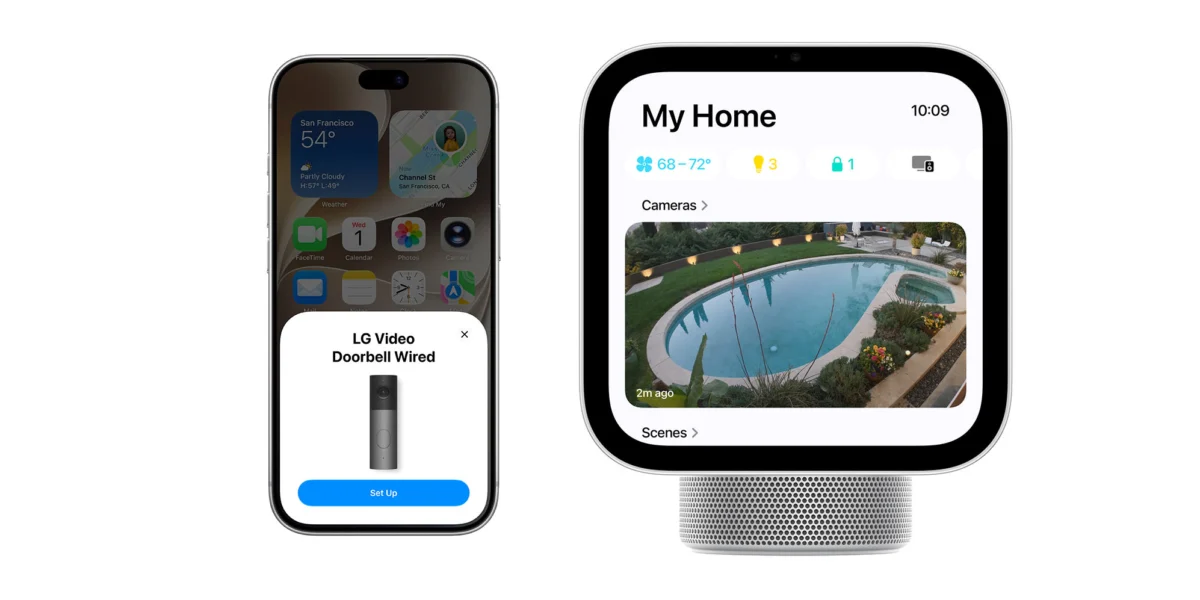
The smart home industry has long struggled with a fragmented user experience, but Apple’s recent introduction of the Apple Home Collection marks a pivotal shift in how consumers interact with connected domestic technology. By partnering with industry stalwarts like LG and Schneider Electric, Apple is moving beyond mere software integration to offer a curated ecosystem of hardware designed for seamless, “plug-and-play” functionality. While critics have pointed to the premium pricing of these devices compared to generic smart home alternatives, the strategy represents a significant move toward mass-market adoption by eliminating the technical barriers that have historically defined the category.
The Evolution of Home Automation: A Chronology
The journey toward a unified smart home has been characterized by iterative, often disjointed, progress. In the 1990s and early 2000s, home automation was largely the domain of enthusiasts who possessed the skills to manage X10 power-line protocols, which required complex wiring and manual programming.
The transition to the modern era began in earnest around 2014 with the announcement of Apple’s HomeKit framework. Designed to provide a secure, unified interface, HomeKit promised to consolidate the myriad of disparate apps manufacturers required for their individual devices. However, the implementation was initially hampered by rigorous certification requirements and a lack of broad manufacturer support. During this period, Amazon’s Alexa and Google Home gained significant ground, prioritizing ease of entry over the strict security and privacy standards Apple enforced.
The next major milestone occurred in 2022 with the formal release of the Matter standard and the widespread adoption of Thread networking technology. Developed by the Connectivity Standards Alliance, Matter was intended to solve the "ecosystem tax"—the requirement for developers to build specific versions of products for Apple, Google, and Amazon. Despite the technical success of Matter, the consumer-facing setup process remained cumbersome, often requiring users to troubleshoot network connectivity, QR code scanning, and multiple app registrations.
Breaking the Technical Barrier
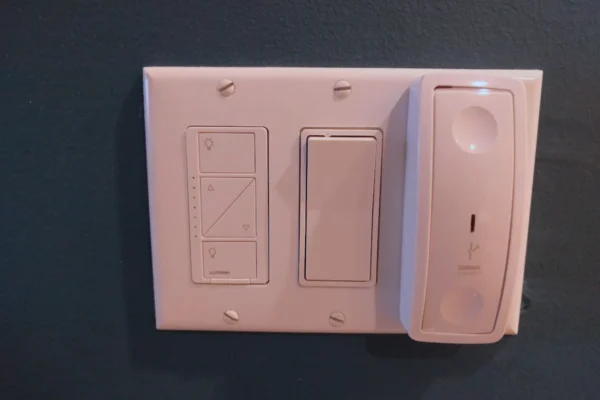
The Apple Home Collection, unveiled in October 2026, aims to solve the "last mile" problem of smart home installation: the initial pairing process. For the average consumer, the complexity of configuring a smart doorbell or light switch is the primary deterrent to adoption.
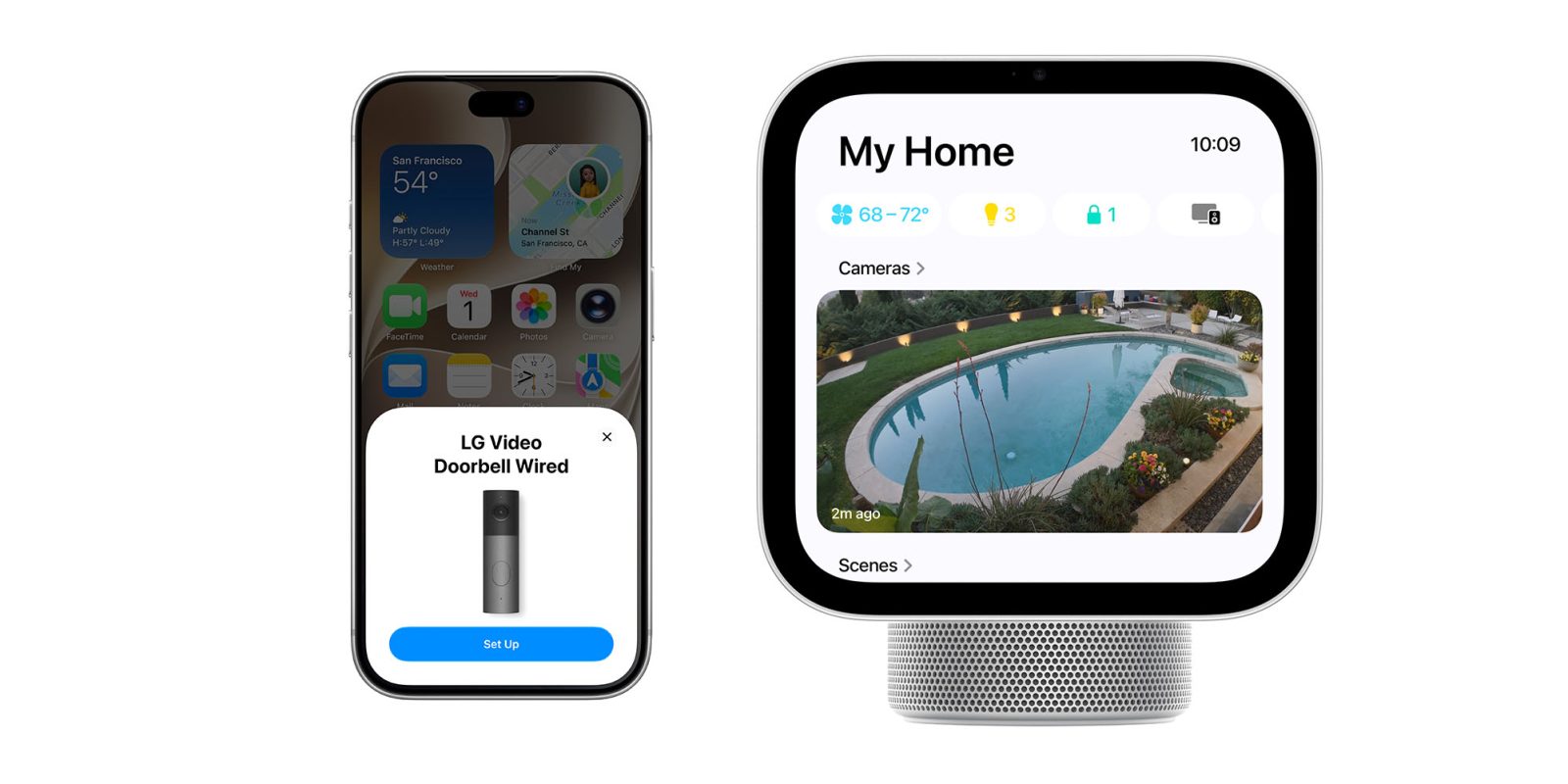
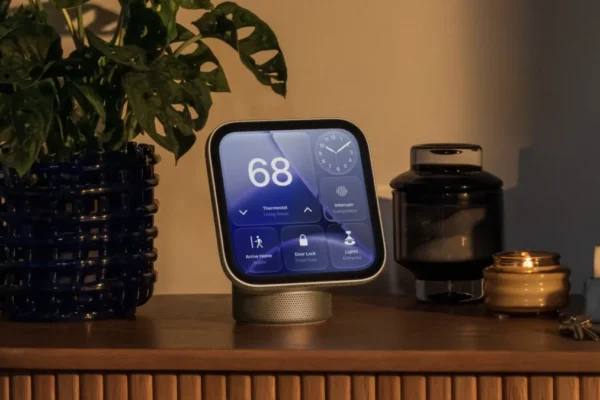
Industry analysis suggests that the Apple Home Collection utilizes a proprietary near-field discovery process, similar to the "W1" or "H1" chip integration seen in AirPods and HomePods. By bringing a device into proximity with an iPhone or the new HomeView display, the device is instantly recognized, paired, and added to the user’s secure Home network. This eliminates the need for third-party manufacturer applications, which have historically been the weakest link in the security and reliability chain of smart home hardware.
According to early demonstrations, the process is instantaneous. A user can unbox a device, bring it near an Apple-certified controller, and it is automatically registered to their Apple ID and Home network. This removes the "network engineer" phase of installation, effectively lowering the technical threshold for entry to near zero.
Supporting Data and Market Dynamics
Market research from the past five years indicates that while interest in smart home technology is high, the "churn rate"—where users abandon or fail to expand their smart home systems—remains elevated due to technical frustrations. According to data from industry analysts at IDC and Strategy Analytics, over 40% of consumers who purchase a smart home device report difficulty during the initial setup phase.
Furthermore, the price-to-value proposition of the Apple Home Collection must be viewed through the lens of long-term support and security. Generic, lower-cost smart devices often suffer from "abandonware" syndrome, where manufacturers stop issuing security updates after a few years. By partnering with established firms like LG and Schneider Electric—companies with deep experience in long-term appliance and electrical infrastructure manufacturing—Apple is positioning its collection as an investment in infrastructure rather than a disposable gadget.
Official Perspectives and Industry Reaction
While Apple has not disclosed specific sales targets for the Home Collection, the company’s internal rhetoric emphasizes a "Home-First" philosophy. During the announcement, Apple executives framed the collection as the logical conclusion of their long-term focus on privacy and security. By keeping the entire communication process local and encrypted, the collection avoids the common practice of offloading device data to multiple third-party cloud servers.
Industry peers have reacted with a mix of cautious optimism and competitive concern. Representatives from the Connectivity Standards Alliance have noted that Apple’s hardware integration does not undermine the Matter standard; rather, it provides a "gold-standard implementation" of it. By proving that the Matter standard can be made to feel as seamless as a proprietary system, Apple is effectively raising the bar for all other manufacturers.

Implications for the Smart Home Industry
The broader implication of the Apple Home Collection is the transition of smart home tech from a hobbyist niche to a standardized utility. Historically, smart home products were categorized as "consumer electronics," which are replaced every two to three years. Through its partnerships, Apple is attempting to bridge the gap between electronics and "home infrastructure"—items that are expected to last for a decade or more.
- Standardization of Setup: By setting a new, high-performance standard for installation, other companies will be forced to compete on ease of use. This will likely lead to a "rising tide" effect, where setup processes for all smart home devices become significantly more streamlined across the industry.
- Security by Design: The shift toward local, direct pairing reduces the attack surface of the home network. As cyber-threats targeting IoT (Internet of Things) devices increase, this hardware-level security is becoming a core competitive advantage.
- Retail and Integration: The inclusion of major brands like Schneider Electric suggests that these products may soon appear in hardware stores alongside standard light switches and electrical panels, rather than being confined to the "tech" aisles of electronics retailers.
Long-term Outlook
The criticism regarding the price point of the Apple Home Collection is a valid, yet narrow, critique. While the upfront cost is higher than that of budget-tier smart home hardware, the total cost of ownership—factoring in reduced troubleshooting time, enhanced security, and the longevity of the hardware—may prove to be lower for the average consumer.
We are reaching a critical juncture where smart homes are moving from a "DIY" project to a "professional" installation level that anyone can perform themselves. If Apple successfully scales this collection, the "Home" as an ecosystem will finally be as accessible as the "Phone" or the "Watch." The coming quarters will be telling; if adoption rates reflect the ease of setup, we can expect a significant shift in market share away from fragmented, budget-oriented brands toward unified, ecosystem-integrated hardware.
The success of this initiative rests on whether Apple can expand the range of devices available within the collection. Currently limited to a select set of essentials, the long-term viability of the project will depend on the inclusion of more diverse home hardware, such as smart appliances, climate control systems, and advanced security sensors. If these categories follow the same streamlined path as the initial launch, the "tech bubble" that has defined the smart home market for the last decade will effectively burst, replaced by a new, mainstream standard of domestic convenience.