







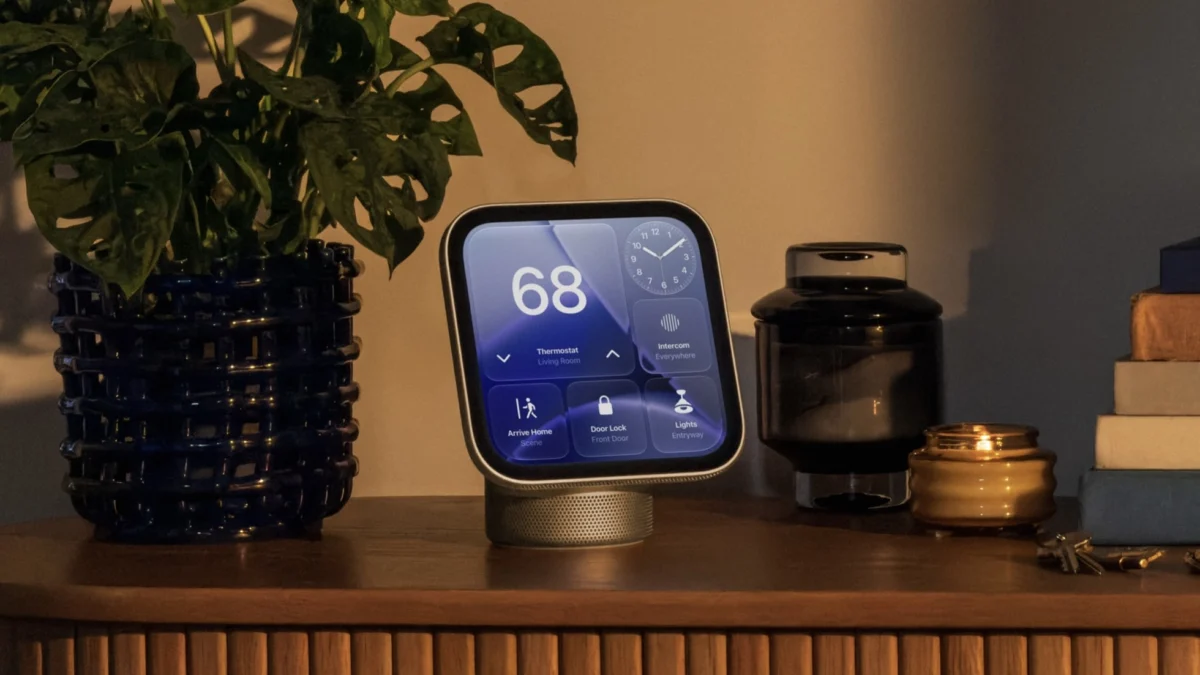
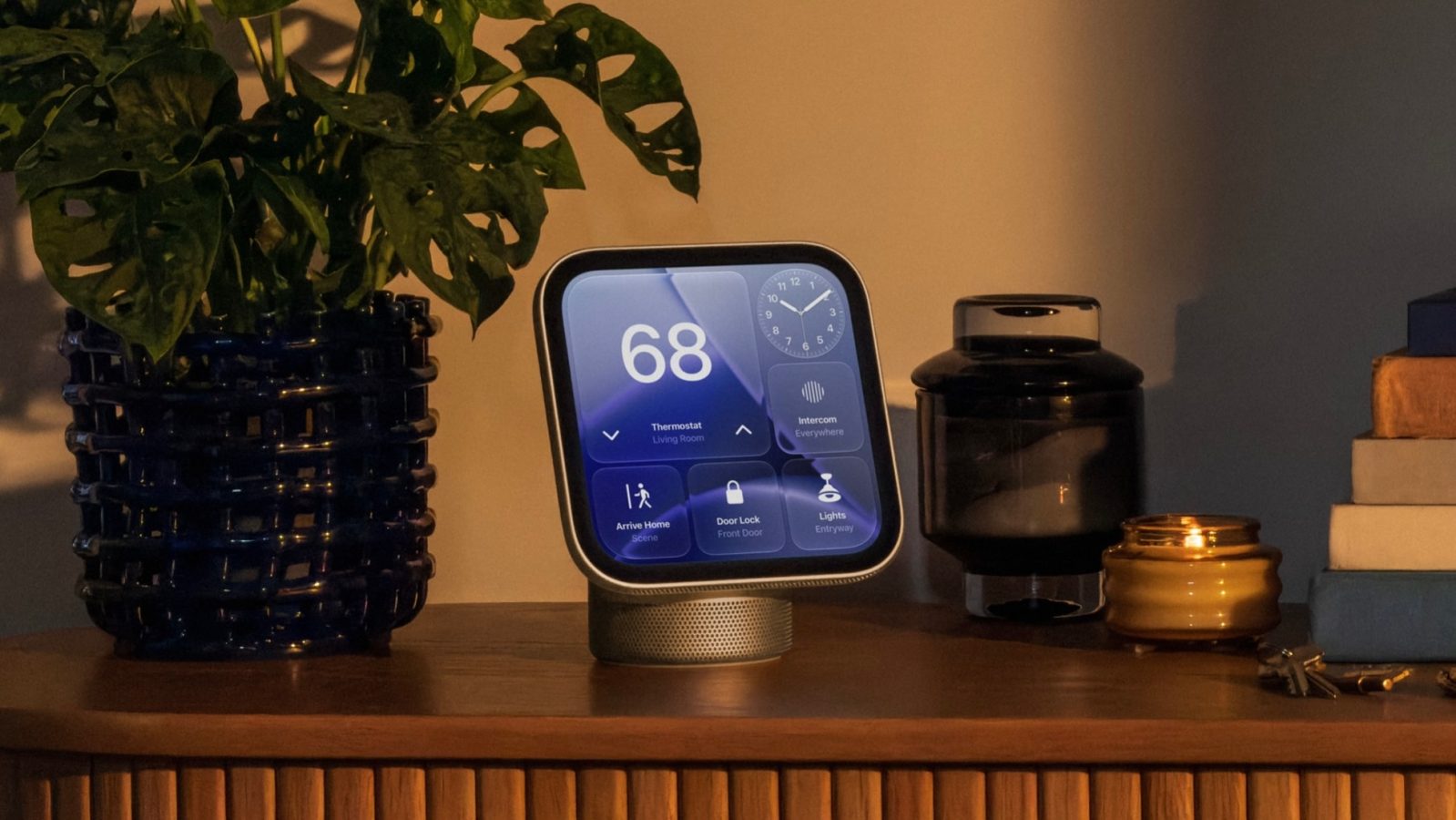
Recent software analysis of Apple’s upcoming HomeView hardware has uncovered significant functionality that suggests the device will transcend its role as a simple smart home display to become a fully integrated HomeKit security camera. Software sleuth and researcher pdfu, who closely tracks Apple’s firmware updates, identified evidence within the version 27.2 software build indicating that HomeView’s integrated camera hardware is designed to support both live streaming and continuous recording protocols. This discovery provides a clearer picture of Apple’s strategy to consolidate its smart home ecosystem, potentially positioning the device as a cornerstone of home security.
Technical Discovery and Firmware Analysis
The discovery centered on specific configuration strings within the HomeView 27.2 firmware. These settings offer users granular control over the device’s optical sensor. According to the discovered code, the camera functionality is not merely an auxiliary feature for video calls or gesture controls; it is architected to operate within the existing HomeKit Secure Video framework. This framework, which currently powers Apple’s ecosystem of smart cameras, offers encrypted storage, cloud-based notifications, and integration with the Home app.
The software settings reveal three primary activation states for the camera: "Home," "Away," and "Asleep." Users can customize the device’s behavior for each of these states. For instance, a user may configure the device to remain entirely dormant while they are at home to ensure total privacy, while automatically initiating motion-activated recording the moment the system registers that the house is empty. This level of automation aligns with industry standards for smart security, yet the integration into a display-centric device like HomeView marks a departure from traditional, dedicated surveillance hardware.
Establishing a Chronology of HomeView Development
To understand the significance of this development, one must consider the trajectory of Apple’s smart home ambitions. Since the introduction of the HomePod and the subsequent expansion of the HomeKit ecosystem, Apple has faced pressure to provide a more cohesive "command center" for the modern home.
In early 2026, rumors began circulating regarding a dedicated wall-mounted or shelf-top display device codenamed "HomeView." By mid-2026, leaks confirmed that Apple was developing a high-resolution display aimed at competing with devices like the Amazon Echo Show and the Google Nest Hub. The discovery of camera-based security features in the October 2026 firmware update represents the latest, and perhaps most critical, milestone in this development cycle. It suggests that Apple is not just building a screen, but a multifaceted security hub that leverages existing AI processing capabilities to distinguish between people, pets, and delivery packages.
Privacy-Centric Architecture
The most notable aspect of this discovery is not the functionality itself, but the robust privacy framework Apple has built around it. Given the sensitive nature of placing a camera inside a living room or bedroom, Apple has implemented "privacy-first" triggers that surpass typical industry safeguards.
The code indicates that an active physical indicator light will illuminate on the device whenever the camera is capturing data. This is paired with an audible alert that signals the commencement of streaming or recording, ensuring that no household member is unaware of the device’s status. Furthermore, the firmware includes a system-wide notification protocol that alerts all authorized members of the Apple Home ecosystem whenever the camera is accessed.
Perhaps the most significant safety feature is the "local-only" restriction for remote activation. If the HomeView determines that one or more users are currently present in the home, the ability to remotely trigger the camera is disabled. This functionality cannot be overridden by administrative users from outside the local network. Industry analysts suggest this is a proactive measure designed to mitigate the risks of domestic surveillance or stalking, a concern that has plagued the smart home industry as devices become more ubiquitous. By ensuring that the camera can only be activated by a physical user when someone is home, Apple is setting a new precedent for privacy-by-design.
The Broader Smart Home Market Context
The integration of security features into a display device reflects a broader shift in the smart home market. According to recent industry data from organizations such as the Consumer Technology Association (CTA), consumers are increasingly seeking "unified" devices—hardware that combines the utility of a smart display, a communication portal, and a security system.
The security camera market is projected to reach significant growth by 2030, with smart home integration being a primary driver. Apple’s HomeView, by acting as both an interface and a node in the security network, allows the company to capture a larger share of the "integrated home" market. While companies like Ring and Nest have long offered cameras, Apple’s competitive advantage lies in the end-to-end encryption provided by the HomeKit Secure Video ecosystem. Data processed by HomeView is not stored on third-party servers; it is encrypted locally and sent to the user’s iCloud account, where it remains inaccessible to Apple.
Implications for Consumers and the Industry
For the average consumer, the HomeView’s potential as a security camera creates a compelling value proposition. Households that might have otherwise purchased a separate smart display and a dedicated indoor camera can now rely on a single, ecosystem-native device. This reduction in hardware clutter is a consistent theme in Apple’s design philosophy.

However, the implications for the security industry are substantial. By turning a "living room display" into a "security camera," Apple is effectively decentralizing the home security system. If HomeView units are placed in multiple rooms, a home could theoretically have a distributed surveillance network that is entirely privacy-managed and user-controlled, without the need for external security service subscriptions.
Technical and Regulatory Challenges
While the technical implementation appears sound, Apple will likely face scrutiny regarding the placement of such devices. A security camera in a bedroom or kitchen carries different implications than one at the front door. Regulatory bodies in Europe and North America have recently tightened the requirements for smart devices with audio-visual recording capabilities, specifically regarding the "right to be informed" for guests or visitors.
Apple’s inclusion of hard-coded visual and auditory indicators is likely a response to these regulatory pressures. By making the recording status impossible to hide, Apple is mitigating the risk of future litigation or privacy complaints. The company’s focus on preventing domestic abuse via the local-only activation restriction is also a strategic move to preempt potential criticism regarding the device’s use as a surveillance tool in abusive relationships.
Expert Analysis and Future Outlook
Industry observers suggest that the HomeView will serve as a testbed for Apple’s next generation of "Apple Intelligence" features. By processing video feeds locally on the device’s chip, HomeView could theoretically identify faces, recognize objects, and even detect specific household events without sending raw video to the cloud. This local processing capability is a massive advantage in a market where privacy is increasingly becoming the primary selling point.
As the device moves closer to an official launch, the focus will likely shift from hardware specifications to software reliability. If the HomeView can maintain the same level of uptime and reliability as a dedicated security camera while providing the user-friendly interface of a tablet, it could become the defining device of the 2027 smart home market.
The evidence found in the firmware is a clear signal that Apple is not content with simply participating in the smart home space; it intends to dominate it by creating a secure, privacy-focused, and highly integrated environment. Whether consumers will embrace a device that is simultaneously a display, a hub, and a security camera remains to be seen, but the technical groundwork for such a transition is clearly already in place. As Apple continues to refine the HomeView, the industry will be watching closely to see if this "all-in-one" approach becomes the new standard for modern domestic connectivity.