






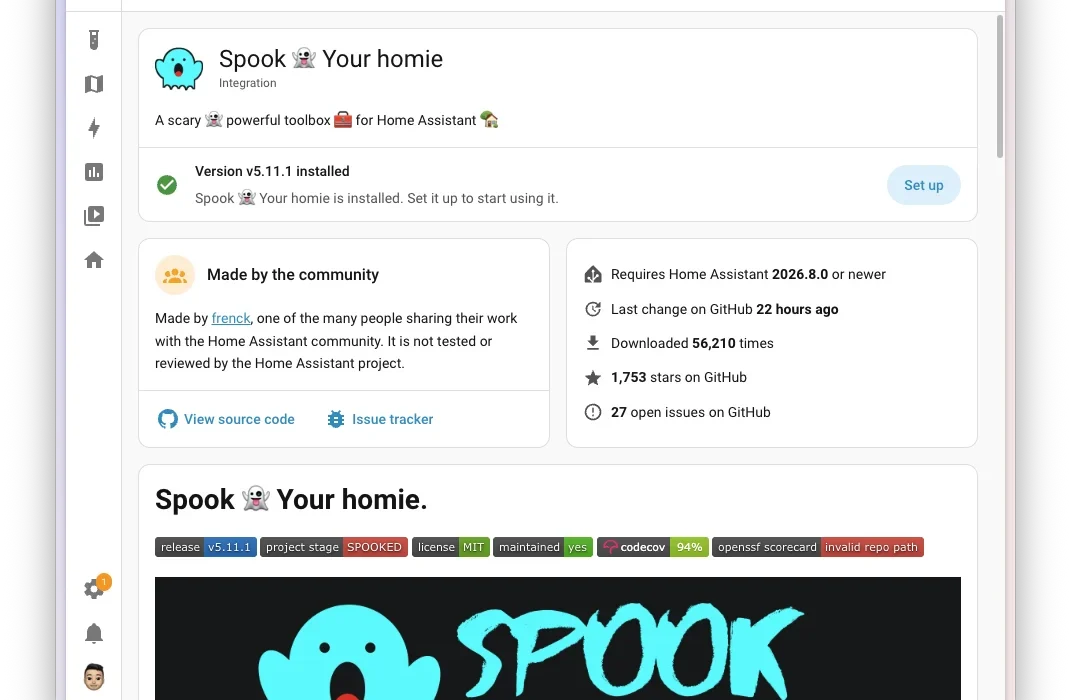
Home Assistant has officially rolled out its 2026.11 update, marking what developers are calling the single largest and most feature-dense release in the platform’s history. Known for its relentless monthly development cycle, the open-source home automation powerhouse has introduced a staggering array of foundational upgrades, deep user-interface overhauls, and long-awaited community-driven requests. Chief among these updates is the native integration of the Home Assistant Community Store (HACS) directly into the core platform, transforming how users discover and install custom cards, themes, and integrations.
With over four years of development culminating in this singular release, version 2026.11 addresses several historical bottlenecks in home automation management. From advanced target exclusions and a comprehensive restructuring of entity naming conventions to native support for cutting-edge hardware protocols like Matter 1.5 and LoRaWAN, the update redefines the operational scope of self-hosted smart homes. As millions of smart home enthusiasts prepare to install the update, industry analysts note that these changes signal a concerted effort by the Open Home Foundation to lower technical barriers while expanding advanced automation capabilities for power users.
The Evolution of Community Content: HACS Becomes the Marketplace
For years, HACS has served as the de facto lifeline for the Home Assistant community, enabling independent developers to distribute custom integrations, themes, and dashboard cards outside of the official core releases. However, installing and managing HACS historically required external installation steps that occasionally frustrated newcomers.
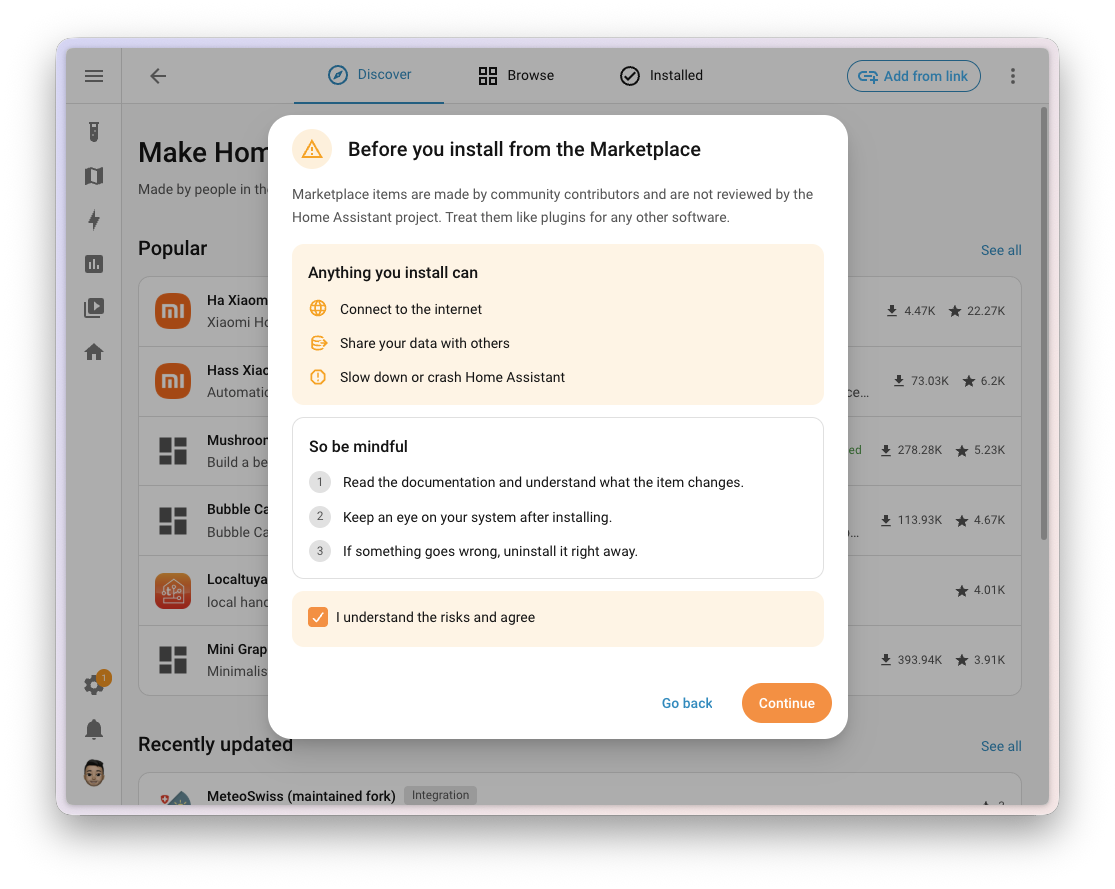
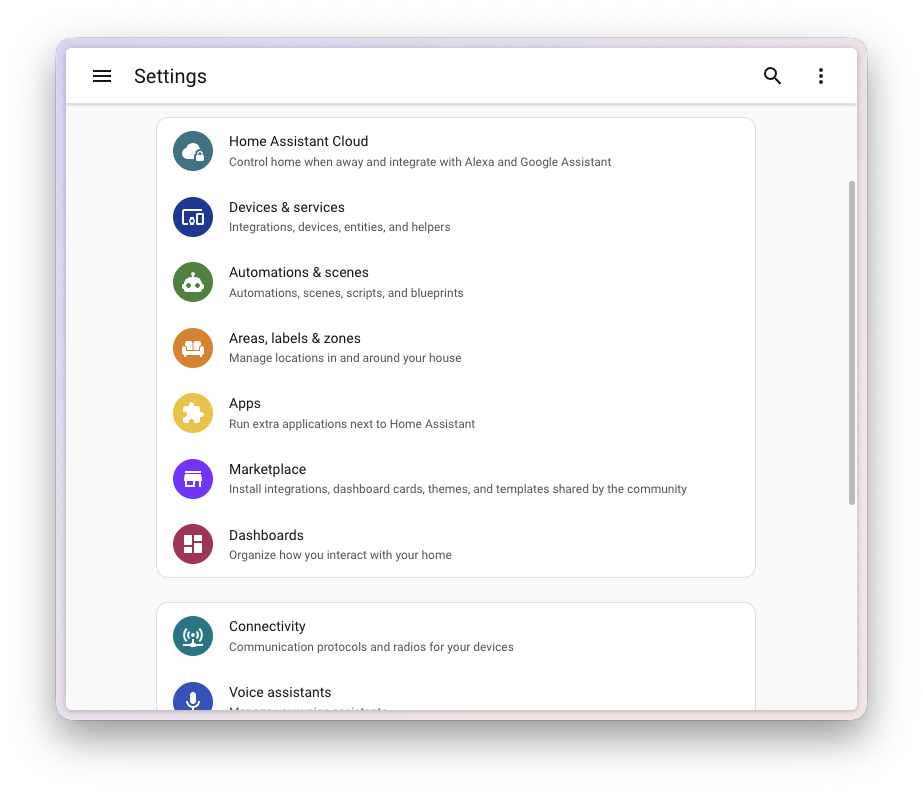
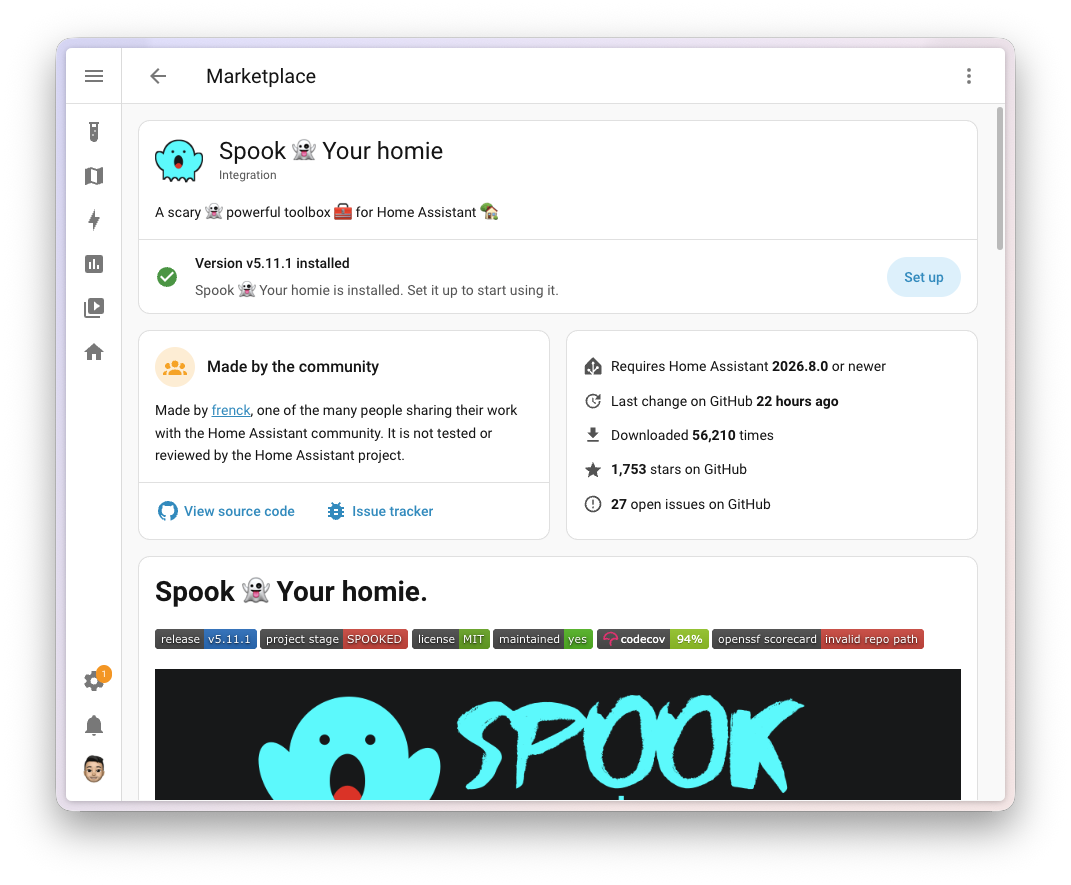
Starting with version 2026.11, HACS has been officially absorbed into the core architecture, rebranded simply as the Marketplace. Built directly into the settings menu across all installation types—including Home Assistant Container—the Marketplace eliminates the need for manual configuration or third-party installation hurdles.
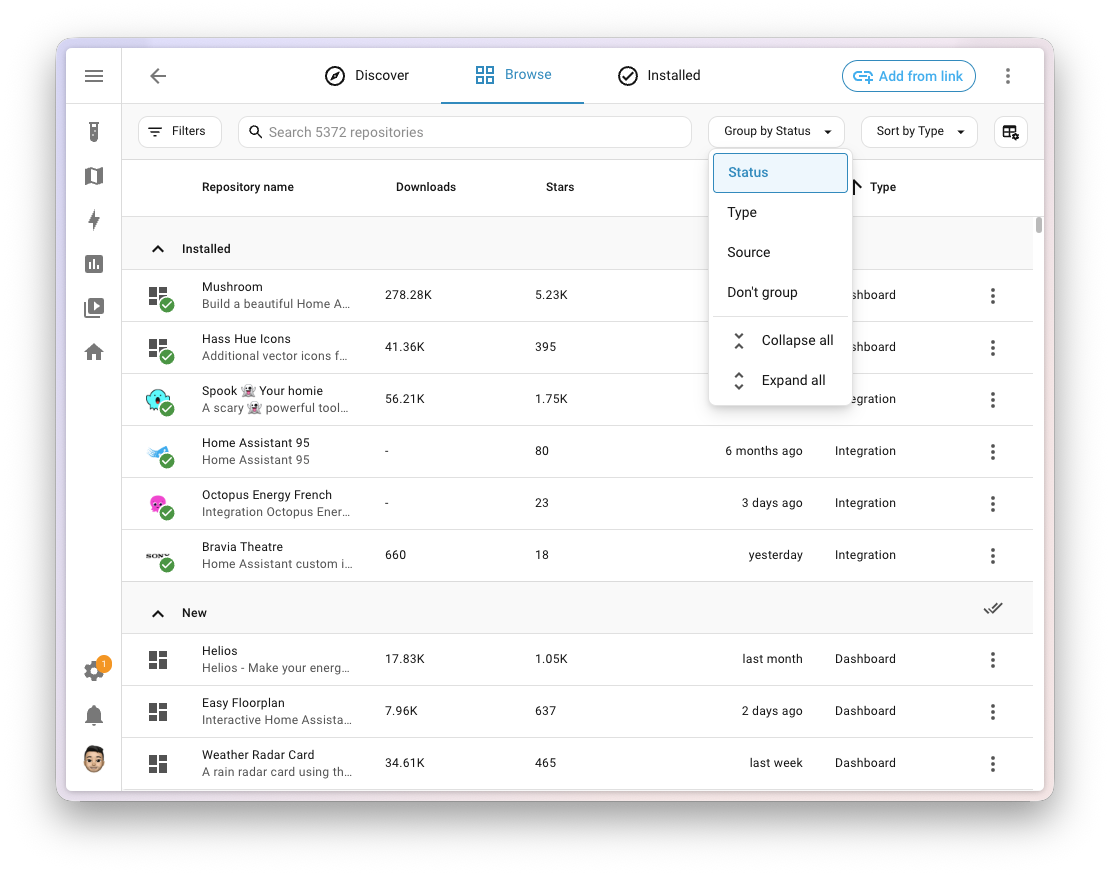
Ludeeus, the original creator of HACS who previously donated the project to the Open Home Foundation, has been instrumental in bridging the ecosystem into the official release cycle. Existing HACS installations will migrate automatically upon updating, preserving all installed repositories, update entities, and custom links. For publishers and everyday users alike, the Marketplace standardizes access to community-created content, providing transparent metrics such as GitHub star counts, download frequencies, and required core version parameters directly within the interface.
Precision Automation: Excluding Items from Targets
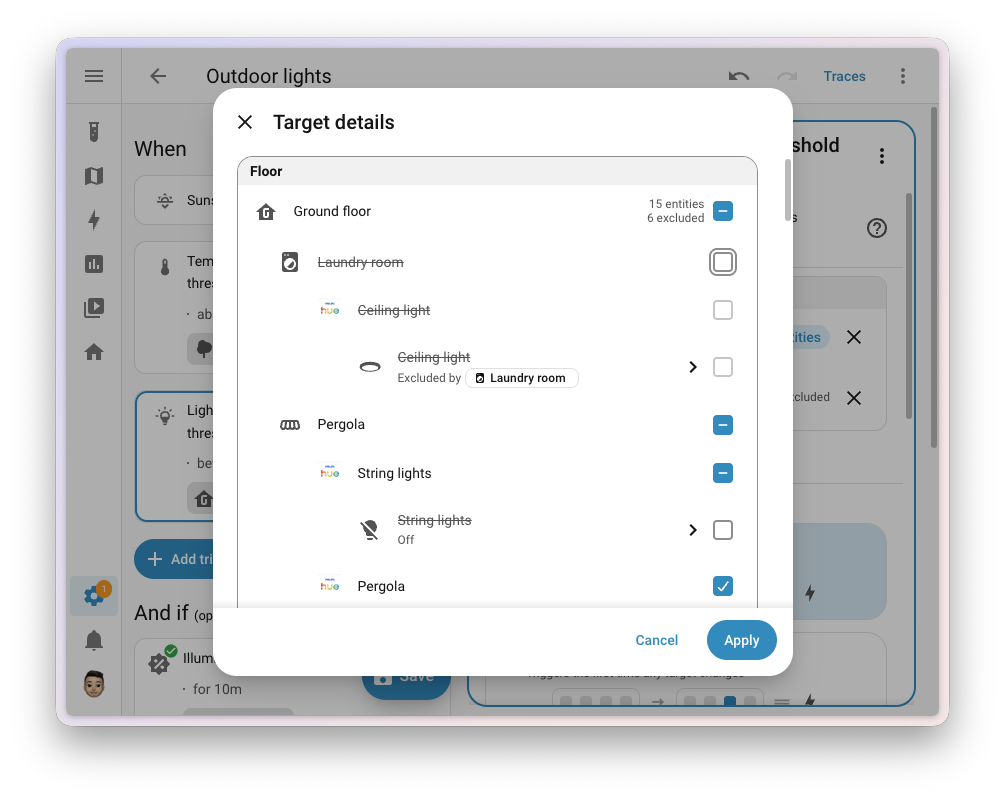
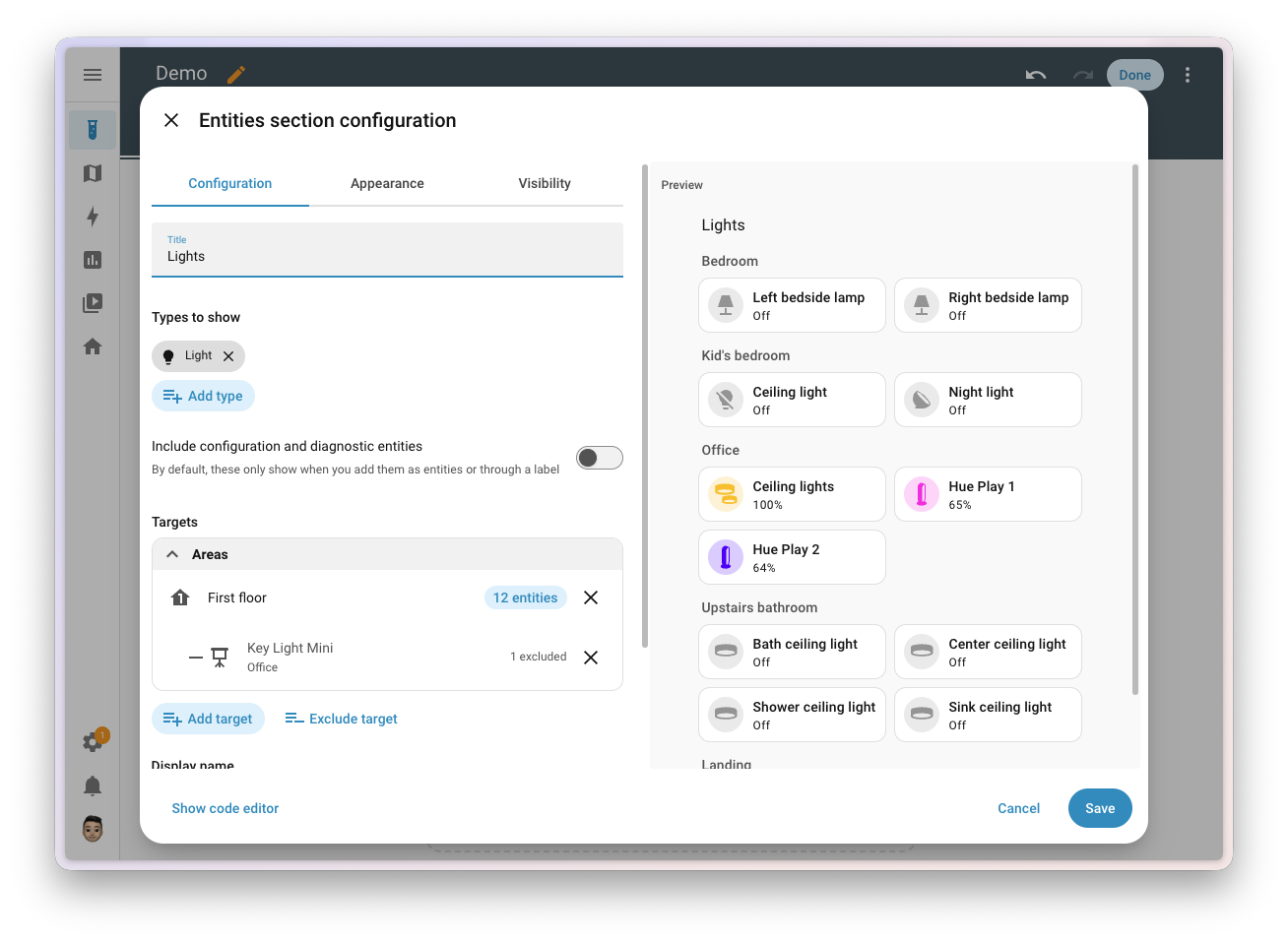
Automating large groups of devices has historically been an all-or-nothing proposition within Home Assistant. Directing an action toward an entire floor, area, or custom label would capture every corresponding entity indiscriminately, requiring users to manually compile extensive itemized lists if a single device needed to be omitted—such as turning on all downstairs lighting except for the kitchen.
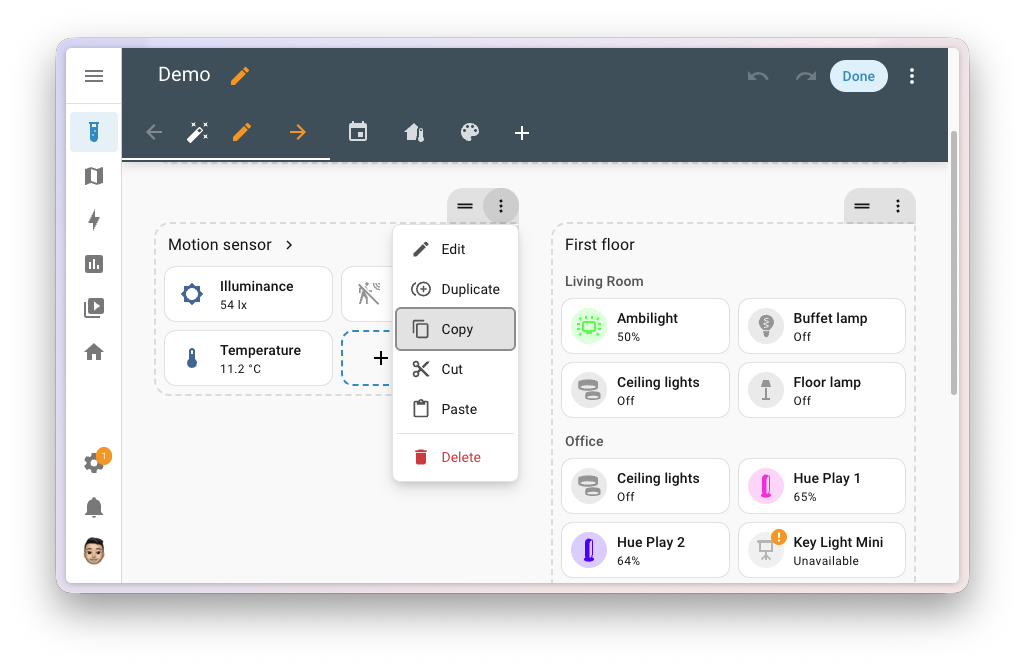
Version 2026.11 introduces a powerful resolution to this long-standing friction point by allowing dynamic target exclusions. Within triggers, conditions, and actions, users can now specify exclusions for individual entities, devices, areas, floors, or labels. Crucially, these exclusions maintain the dynamic intelligence of the parent target. If a user excludes the kitchen from a ground-floor lighting automation, any newly installed smart light subsequently added to the kitchen will automatically be left out of the execution without requiring manual updates to the automation script.
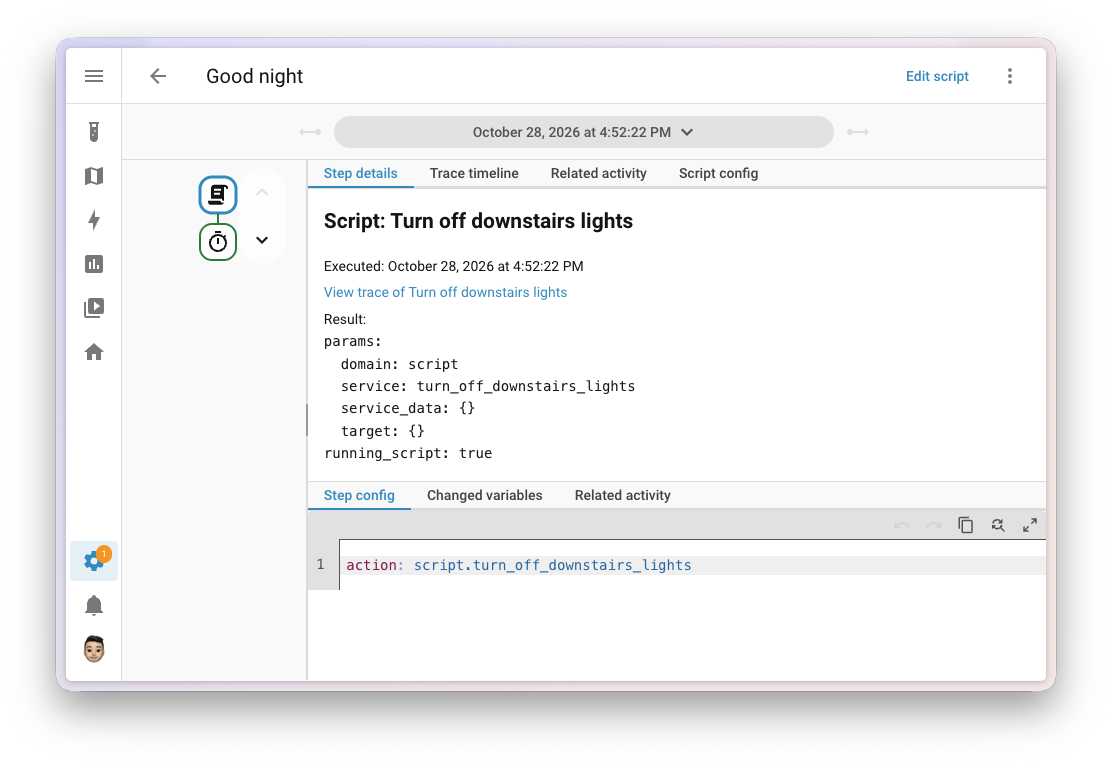
Furthermore, the update introduces an "Action history" tab within the system tools, alongside enhanced activity tracing. When automations call underlying scripts, trace logs now seamlessly link directly to individual run histories, dramatically reducing the time required to diagnose unexpected automation behaviors.
Entity Naming Overhaul and Contextual Awareness
Naming conventions within Home Assistant have been a frequent topic of debate across community forums for over half a year, as expanding households frequently struggled to maintain readable, organized entity lists. Version 2026.11 implements a complete architectural rethink regarding how entities receive and display their names.
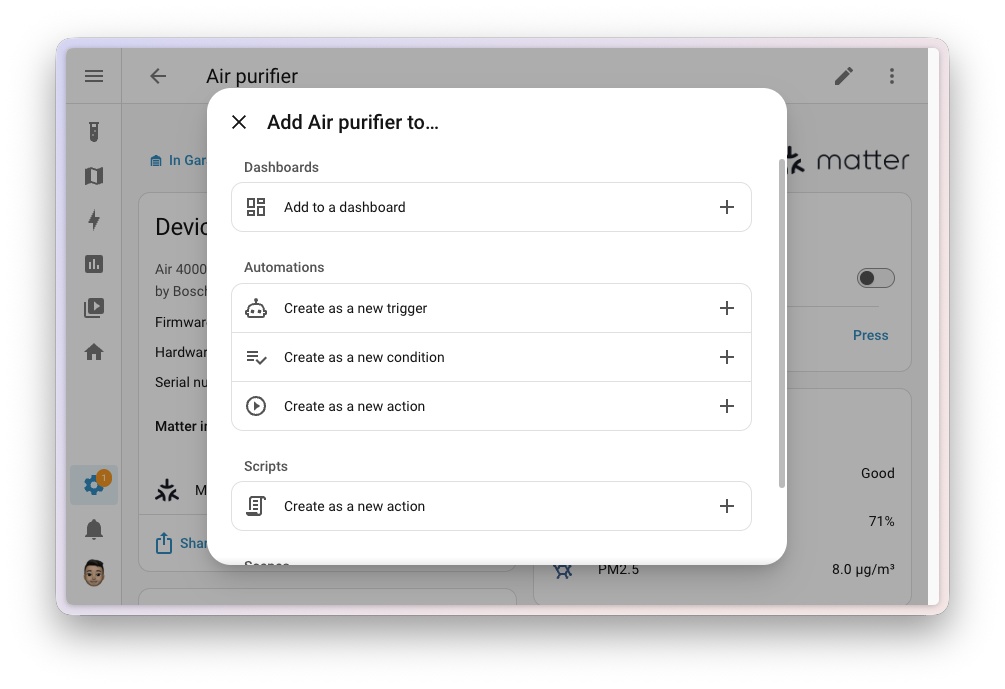
Moving forward, users define an entity’s base designation—such as "Temperature"—while Home Assistant automatically derives and appends contextual hierarchy based on the parent device and spatial area. For example, a temperature sensor belonging to a thermostat located in the bedroom now natively renders context where applicable.
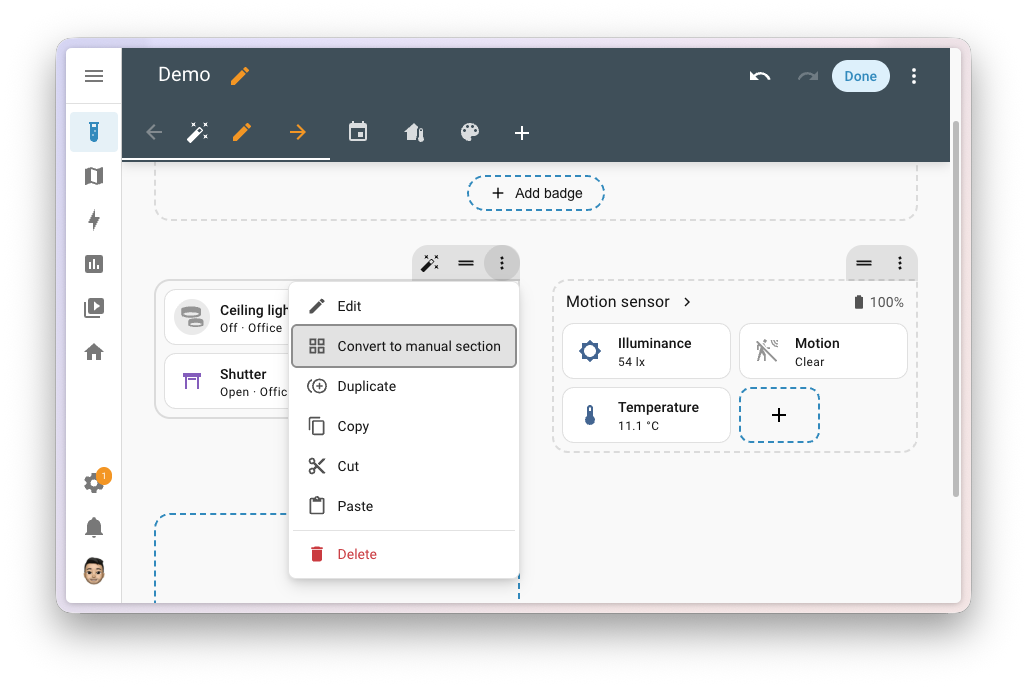
While this change dramatically simplifies long-term device management, developers have issued a clear warning: this is a backward-incompatible change. Dashboards and custom cards utilizing unstyled naming conventions may initially appear different following the update. However, entity IDs remain completely unaffected, ensuring that underlying automation scripts, YAML configurations, and backend routines continue to function without interruption.
Hardware Expansion: Matter 1.5, LoRaWAN, and Local Storage
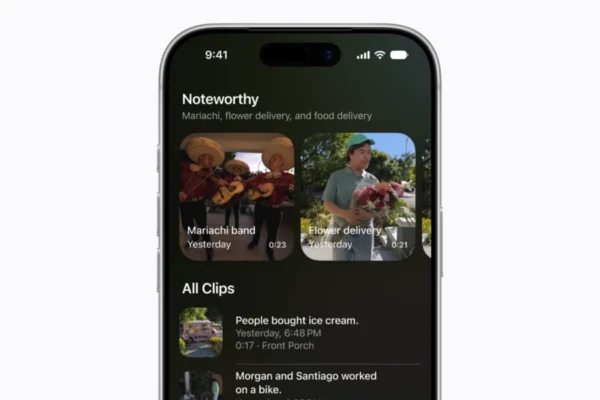
Hardware integration remains a cornerstone of the 2026.11 release, spearheaded by the inclusion of Matter 1.5 camera support. Compatible Matter cameras now stream live video and snapshots natively via WebRTC directly between the browser and the device, mirroring internal states such as privacy mode in real time. Complementing this is a new Labs preview feature enabling two-way audio talk-back capabilities for supported Matter and Reolink devices.
For remote property monitoring and out-of-building automation, Home Assistant now natively supports LoRaWAN infrastructure. By connecting network servers such as ChirpStack or The Things Network, users can seamlessly incorporate low-power, long-range wireless sensors deployed in remote gardens, detached sheds, or distant fields. A dedicated LoRaWAN dashboard in the connectivity settings provides network topology maps, signal metrics, and gateway routing overviews.
Storage management has similarly been modernized. Users running Home Assistant on hardware with auxiliary local storage can now designate internal or USB drives directly for system backups and media libraries via the system storage panel. Storage allocation is tracked via filesystem identifiers, ensuring continuous operation even after system reboots or hardware designation shifts.
Broader Industry Implications and Community Engagement
The sheer scale of the 2026.11 release underscores the rapid maturation of the self-hosted smart home sector. By bridging community-developed repositories into a unified Marketplace, streamlining complex multi-device targeting, and expanding low-power wireless protocols like LoRaWAN and Zigbee Green Power, the development team has effectively targeted both novice accessibility and enterprise-grade flexibility.
Concurrently, the platform has launched the seasonal return of the "Month of What the Heck?!," focusing this year specifically on household members who did not initially configure the system, soliciting feedback from partners, children, and housemates to refine daily usability. Paired with global Community Day meetups spanning over 30 countries, Home Assistant continues to cement its position not merely as software, but as a collaborative global movement redefining the modern connected home.