









The annual retail phenomenon known as Black Friday has evolved significantly over the past decade, shifting from a single day of post-Thanksgiving doorbusters into a protracted period of aggressive discounting that now occupies the entirety of November. As of mid-November 2026, major retailers, led by Amazon, have initiated an expansive "Early Black Friday" campaign. This strategic shift serves dual purposes: it mitigates the logistical strain of holiday shipping bottlenecks and allows manufacturers to clear inventory ahead of year-end fiscal reporting. Consumers currently face a landscape where premium technology—ranging from high-fidelity OLED televisions to high-performance computing hardware—is available at price points typically reserved for clearance events.

Chronology of the 2026 Holiday Sales Window
The transition toward an "early" sales calendar is a calculated industry response to shifting consumer habits. Historically, Black Friday was a singular event occurring the day after Thanksgiving in the United States. However, data from the last three years indicates that consumer spending peaks during the second and third weeks of November as shoppers prioritize the avoidance of supply chain disruptions.
By November 9, 2026, major e-commerce platforms began deploying deep-discount strategies across consumer electronics categories. This timeline suggests that manufacturers are attempting to capture wallet share before the traditional peak shopping days arrive. Market analysts note that this "extended season" strategy benefits both the retailer, by smoothing out operational overhead, and the consumer, by providing a longer window to evaluate high-ticket purchases without the pressure of limited-time "lightning deals."

High-Definition Visuals: The Television Market
The television sector represents the most significant area of price volatility and consumer savings during this period. OLED technology, which has long been the gold standard for home cinema due to its self-emissive pixel architecture and true-black contrast ratios, is seeing unprecedented price compression.
The Sony 77-inch BRAVIA 6 OLED, for example, is currently listed at $1,798—a 40% reduction from its standard $2,999 retail price. This represents the lowest market price for this unit since its introduction in August 2026. The device distinguishes itself with a 120Hz refresh rate and a suite of gaming-centric features, including four HDMI 2.1 ports, which are essential for next-generation console optimization.

In the competitive mid-range space, the TCL 65-inch QM8L Mini-LED TV is seeing a more aggressive 60% discount, bringing its cost down to $998. The inclusion of an SQD-Mini LED display capable of 6,000 nits of peak brightness positions this unit as a high-value option for bright-room environments. Meanwhile, the Samsung 48-inch S90H targets a different demographic: those with limited space who still require high-end color accuracy and a 165Hz refresh rate for PC gaming integration. By reducing the price from $1,298 to $998, Samsung is effectively lowering the barrier to entry for its premium NQ4 AI Gen3 processor-equipped displays.
Computing Hardware: Efficiency and Portability
The market for personal computers has seen a significant shift toward AI-integrated hardware in 2026. The ASUS Zenbook 14, featuring the AMD Ryzen AI 9 465 processor, is currently priced at $1,300, reflecting a $900 savings. This laptop serves as a case study for the current trend of integrating Neural Processing Units (NPUs) directly into ultra-portable chassis to handle local AI workloads, such as real-time language processing and advanced image generation.

Conversely, the Apple ecosystem continues to maintain a different pricing structure. The 13-inch MacBook Air equipped with the M5 chip is currently discounted to $1,099. While a 15% discount may appear modest compared to the deep cuts on PC hardware, it remains a notable development for Apple’s latest-generation silicon, which generally resists price degradation. The inclusion of 16GB of unified memory as a base specification indicates that Apple is responding to industry pressure to provide more robust multitasking capabilities for remote professional environments.
Wearable Technology and Audio Peripherals
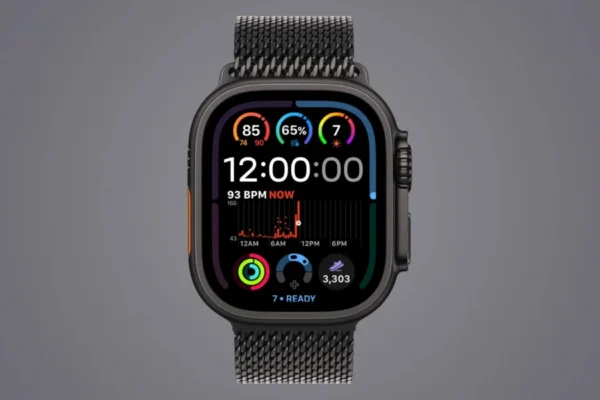
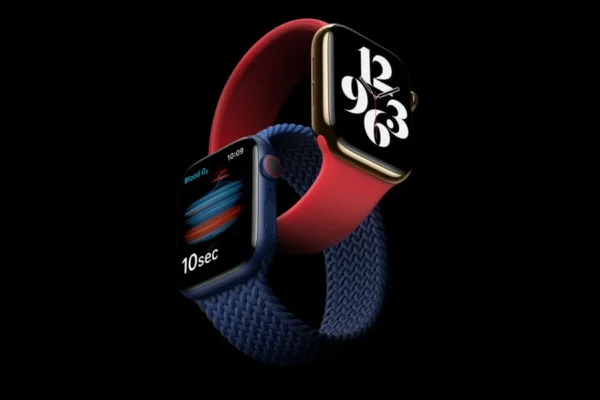
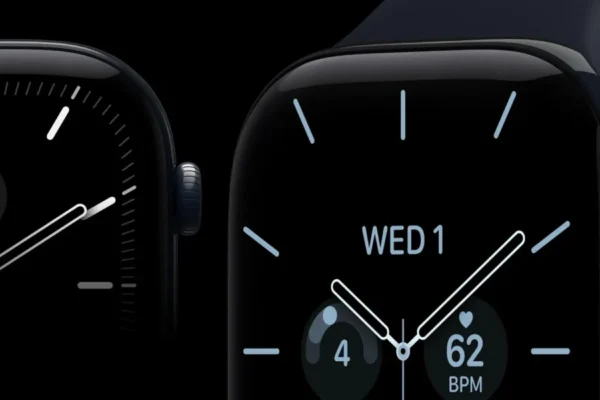
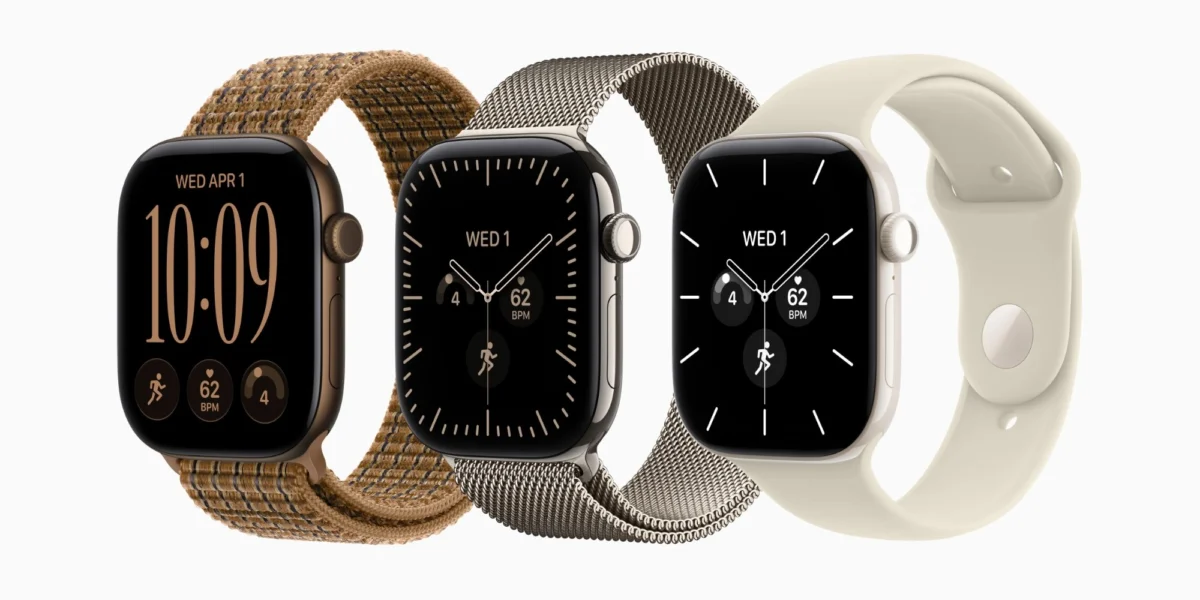
The integration of artificial intelligence into wearable devices has become a central marketing pillar for 2026. The Google Pixel Watch 5 is now retailing at $300, a 25% discount. Beyond standard health metrics such as heart rate and sleep tracking, the inclusion of Gemini AI assistance and "Loss of Pulse Detection" highlights the industry’s pivot toward preventative health monitoring.

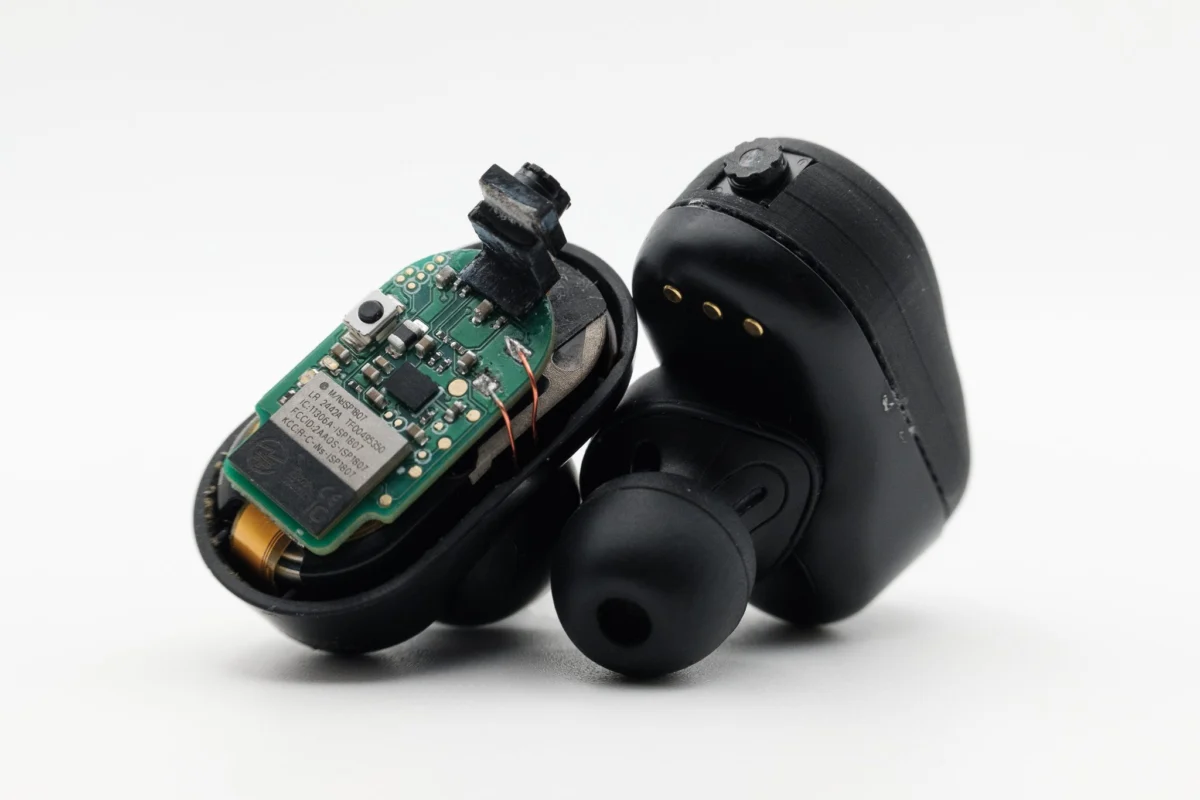
The audio peripheral market, meanwhile, is experiencing a bifurcated trend of high-end value and entry-level accessibility. Sony’s WH-CH720N on-ear headphones have seen a 51% price drop to $88, providing an entry point for users seeking active noise cancellation (ANC) and multipoint Bluetooth connectivity. For those prioritizing long-term comfort and soundstage depth, the Sennheiser Momentum 4 Wireless over-ear headphones are discounted to $190. These units, which boast a 60-hour battery life, represent a significant value proposition for frequent travelers. Additionally, the Apple AirPods Pro 3 are currently priced at $199, emphasizing features like integrated heart rate monitoring during exercise and real-time translation capabilities, which further blurs the line between consumer audio and health-tracking hardware.
Economic Implications and Strategic Analysis
The scale of these discounts suggests that retailers and manufacturers are navigating a complex economic environment characterized by cautious consumer spending. By front-loading discounts, companies are attempting to stimulate demand while inventory levels are at their peak.

From a technical standpoint, the ubiquity of OLED and Mini-LED displays across these price brackets suggests that display technology has reached a maturity phase where manufacturing costs have stabilized. This allows for more aggressive pricing without significantly eroding profit margins. However, experts warn that price fluctuations on platforms like Amazon are dynamic; algorithms adjust these figures in real-time based on supply velocity, regional demand, and competitive pricing from other major retailers.
Navigating the Holiday Sales Landscape
For the prospective buyer, the current environment necessitates a methodical approach. First, consumers should verify the specific model specifications, as variations in screen size or processor configuration can lead to significant discrepancies in performance. Second, it is essential to consider the total cost of ownership, including warranties and potential service plans, which are often not reflected in the sticker price.

Furthermore, the "early" nature of these sales means that supply is not infinite. As of mid-November, shipping estimates are currently stable, but as the calendar moves closer to the official Black Friday date, logistics networks typically experience strain. The decision to purchase now versus waiting for the official holiday weekend is a trade-off between guaranteed inventory availability and the risk of potentially lower—though increasingly rare—future price drops.
Conclusion: A Shift in Retail Norms
The 2026 holiday shopping season marks the formal consolidation of the multi-week discount event. The focus on high-performance technology at mid-range price points reflects a broader push to normalize advanced features like AI integration and high-refresh-rate OLED panels. Whether these price reductions represent a temporary stimulus or a permanent recalibration of retail margins remains to be seen. However, for the consumer, the current availability of high-end hardware at these price points offers a rare opportunity to acquire premium technology at a fraction of its original market valuation. As always, consumers are advised to perform due diligence, compare base specifications, and monitor price fluctuations through reputable trackers to ensure that the chosen deal provides genuine value.